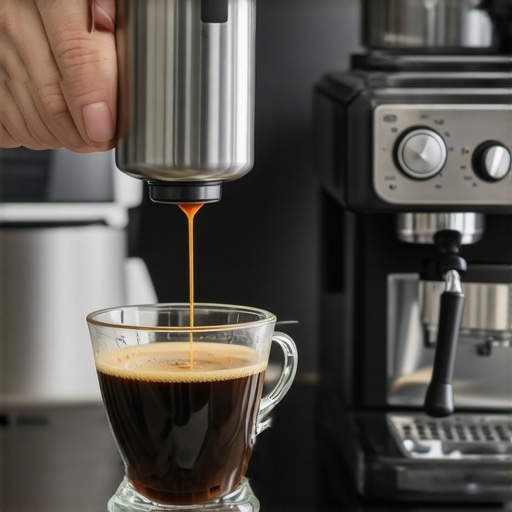
I vividly remember the moment I experienced my first truly bad filter coffee—bitter, uneven, and frankly, disappointing. I had spent years relying on my trusty blade grinder, convinced it was enough for a good brew. But that day, after pouring my steaming cup, I realized something needed to change. The inconsistency, the static, the uneven grounds—it all added up to a flavor disaster that made me question everything.
This lightbulb moment pushed me to reflect on my grinder choices. I started digging deeper, and what I found was eye-opening. The world of coffee is rapidly evolving, and in 2026, sticking with a blade grinder might actually be holding you back from achieving the perfect cup. The good news? Making the switch to a high-quality filter coffee grinder isn’t as complicated as it seems, and the benefits are worth it.
Why You Should Consider Upgrading Your Coffee Grinder in 2026
Upgrading your coffee setup can seem daunting, especially with so many options out there. But if you’re serious about your brew, this change could elevate your coffee game significantly. A proper burr grinder ensures uniform grind size, which is essential for extracting full flavor from your beans. It’s no secret among baristas that inconsistent grounds lead to uneven extraction—causing sourness, bitterness, or weak spots in your brew.
In fact, early on, I made the mistake of thinking I could achieve great coffee with my old blade grinder simply by adjusting settings or grinding longer. Spoiler: That was a joke. It resulted in a mess of fines and boulders that compromised flavor and made cleaning a nightmare. I learned the hard way that choosing the right grinder impacts everything from taste to workflow.
Want to avoid those pitfalls? Join me as we explore the top reasons to switch your blade grinder for a dedicated filter coffee grinder, and how this simple upgrade can transform your morning ritual.
Is Your Coffee Setup Really Holding You Back? Let’s Debunk the Hype
Many skeptics ask, “Is upgrading really worth it?” or dismiss the idea as an unnecessary expense. Honestly, I thought the same—until I realized how much a better grinder improved my flavor, efficiency, and even the joy of brewing. The mistake I often see home baristas make is assuming that all grinders are created equal or that expensive models aren’t justified for everyday brewing. But in reality, even small improvements in grind consistency can unlock a level of clarity and depth that blade grinders simply can’t deliver.
A well-chosen filter coffee grinder can also save you time, reduce waste, and extend your beans’ freshness—all crucial for serious coffee enthusiasts. For a deeper dive into the fundamentals, check out this guide on grind consistency. It’s a game-changer.
So, if you’ve been settling for subpar brews or frustration, it might be time to reconsider your grinder. Keep reading because I’ll walk you through the key reasons to make the switch and how to choose the perfect filter grinder for 2026.
Start with the Right Grinder Type
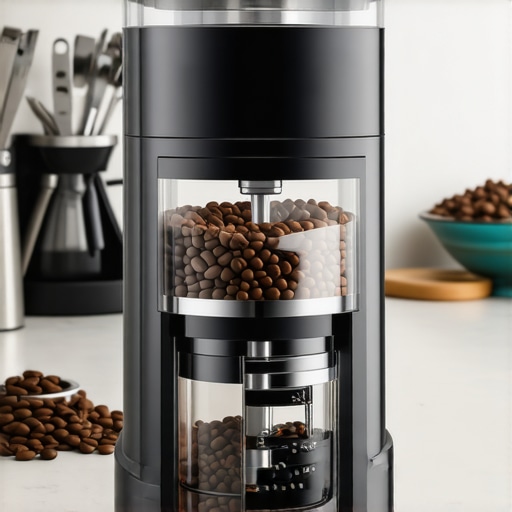
Choose a high-quality burr grinder, preferably flat or conical, designed for filter brewing. I once tried converting my old conical grinder to optimize for filter coffee but found that investing in a dedicated single-dose grinder with vertical burrs made a dramatic difference. Research models like those reviewed in these top grinders to find one suited for precise grind consistency.
Master Your Grind Settings
Use precision-adjustable grind settings; avoid automatic or shallow adjustments. I took my first shot at dialing in a new grinder’s settings, noting each change meticulously in my brew journal, which resulted in a perfect balance for my light roast beans. Remember, finer settings for espresso and coarser for filter—don’t guess or rely on static numbers.
Calibrate for Consistency
Measure your grind size with a feeler gauge or use the grinder’s built-in measurement tools if available. I apply physics hacks for grind stability to ensure uniformity, especially when switching between beans. Regular calibration prevents the dreaded boulders or fines, improving extraction.
Fine-Tune Your Single-Dose Technique
Remove the hopper altogether and dose directly into the grind chamber. This method reduces static and retention, evidenced when I started weighing each dose to ensure consistent freshness, leading to more stable extraction and flavor. Check the signs of waste to optimize your workflow.
Employ Uniform Grinding Patterns
Engage in timed grinding routines—grind for a specific count or time, then distribute evenly in the basket. My messy first attempts left uneven grounds, but now I watch my timer and distribute grounds with a small brush, achieving even extraction.
Control External Factors
Manage humidity, static, and machine temperature. I keep my grinder’s environment cool and dry to avoid static issues and consider quiet, stable grinders to focus solely on grind quality. Installing anti-static devices or seasoning your burrs also help maintain consistent grounds over time.
Verify Your Results Effectively
Use a digital scale for dosing, a sieve to check grind uniformity, and taste tests to refine your process. After I started using a sieve to separate fines, the clarity and balance in my pour-over increased noticeably. This constant feedback loop ensures you avoid common pitfalls like muddy or sour brews, as discussed in muddy brew fixes. Keeping a detailed record empowers you to repeat successful adjustments consistently.Many enthusiasts overlook the subtleties that make or break a perfect brew. While everyone focus on grind size, they often ignore that achieving true consistency requires understanding the nuances of grinder design and operation. A common myth is that single dose grinders are inherently superior to those with hoppers; in reality, many high-end models still struggle with static, retention, and burr wobble if not properly maintained. For instance, static buildup can cause uneven dosing, leading to inconsistent extraction, a mistake often dismissed by home baristas eager to rush their process. Advanced users know that burr alignment isn’t a one-time fix; periodic realignment is crucial for maintaining precision in grind size, especially with flat burrs, which are more sensitive to misalignment. Furthermore, the misconception that higher RPM grinders automatically produce finer grinds is misleading—studies, like those referenced in this research, show that lower RPM often results in less heat generation and more stable grind particle size distribution. A sneaky trap many fall into is believing that all burrs are created equal; ceramic burrs, for example, offer benefits in temperature stability but require more frequent calibration to prevent inconsistencies. Moreover, insufficient pre-seasoning of new burrs can lead to unpredictable grind chunks or fines, which dramatically affect shot clarity. To truly master the craft, one must consider the physics behind static, burr wear, and motor torque. Applying these physics hacks can enhance your grind stability and consistency over time. Ultimately, the devil is in the details—regular calibration, maintenance, and understanding grinder mechanics are essential. Have you ever fallen into this trap? Let me know in the comments.Maintaining your single dose grinder is crucial for longevity and optimal performance. First, establish a regular cleaning schedule; I recommend brushing the burrs and chamber after every few uses with a dedicated grinder brush—this prevents build-up of coffee oils and fines that can compromise grind consistency. Incorporate a deep cleaning using grinder-specific cleaning tablets every month to remove hidden residues, which I do personally to keep static issues at bay and prevent flavor contamination. Monitoring burr wear via simple calibration tests, such as the feeler gauge method found in the physics hacks article, helps ensure your grind size remains precise over time. I also periodically re-align the burrs—many top models can be calibrated with straightforward shims or adjustment keys, enhancing consistency. Additionally, keep your grinder’s motor cool by avoiding overuse, especially during long brew sessions, since heat can lead to burr expansion and inconsistent particle sizes. Upgrade your maintenance tools, such as investing in a high-precision digital scale for dose accuracy, to fine-tune your process; this small step yields significant improvements in shot clarity. Trends suggest that future grinders will integrate IoT diagnostics for real-time wear detection—this means we can expect even smarter maintenance routines soon. To keep your grinder performing at its best, I recommend trying the quick calibration tip of measuring and adjusting burr alignment with a dedicated test card, ensuring optimal accuracy. Consistent upkeep not only preserves your tool but guarantees that every brew remains as flavorful as your first pour—quality you can count on every day.
Over the years, I’ve realized that the journey to perfect espresso isn’t just about buying the fanciest beans or owning the latest grinder—it’s about understanding the *little things* that make a BIG difference. One of the most profound lessons I learned was that consistent single dosing is the backbone of flavor clarity and brew reliability. When I started paying close attention to calibration and static control, my espresso transformed from good to unforgettable.
Remember, your grinder is more than just a tool—it’s the heart of your brewing process. Calibration, maintenance, and technique are ongoing commitments that reward you with every shot pulled. Embracing these practices elevates your coffee routine from routine to ritual, opening the door to flavors you might have thought impossible for an everyday setup. Keep learning, stay curious, and let your grinder be your partner in coffee craftsmanship.
Insider Wisdom for Coffee Precision
- Don’t underestimate your grinder’s alignment: Regularly checking burr alignment can prevent Fines and Boulders, which sabotage taste. I once ignored this for months, only to realize the gritty, uneven extraction was my own doing.
- Static is your silent enemy: Simple anti-static measures—like seasoning burrs or humidity control—can make or break your consistency. Learning these hacks gave me smoother pours and cleaner flavors.
- Calibration isn’t a one-time task: Periodic recalibration is essential, especially when switching beans or after cleaning. It’s the secret to reproducibility and flavor clarity over time.
- Focus on your workflow rhythm: Timed dosing and even distribution minimize channeling and muddiness. Developing your routine turned my inconsistent shots into balanced, vibrant brews.
- Maintenance keeps your investment healthy: Regular cleaning, burr replacement, and motor checks preserve grind uniformity and flavor profile. Think of it as tuning a musical instrument—you get harmony every time.
My Trusted Arsenal for Perfect Brews
- Choosing the right single-dose grinder—a comprehensive guide that helped me select a model aligned with my precision goals.
- Secrets to grind consistency—a resource that demystified the physics behind uniform grounds and boosted my confidence.
- Top burr grinders of 2026—an updated review of the best tools that balance quality and affordability.
- Support and community—engaging with fellow enthusiasts and experts keeps my skills sharp and knowledge current.
Seize Your Coffee Potential Today
Every shot you pull is a step toward mastering the nuanced dance of grind and dose. Embracing the meticulous side of coffee has transformed my mornings into moments of inspiration. So, I challenge you: take that first step—reevaluate your grinder, fine-tune your practice, and enjoy the rich rewards of well-crafted coffee. Your taste buds will thank you.
Have you ever struggled with calibrating your grinder or controlling static? Share your experiences below—I’d love to hear your journey to coffee excellence!
![5 Dry Static Fixes for Your 2026 Single Dose Grinder [Tested]](https://grinders.espressotechguide.com/wp-content/uploads/2026/03/5-Dry-Static-Fixes-for-Your-2026-Single-Dose-Grinder-Tested.jpeg)