Ever poured a shot of espresso that tasted flat, bitter, or just off, and then suddenly realized it was the grind? That moment of disappointment hit hard. I remember thinking I had my brewing routine down—only to realize that my grinder was the silent culprit sabotaging every cup. It was a lightbulb moment that changed everything. If you’ve ever wrestled with inconsistent grind sizes, you’re not alone. The good news? There’s a way to fix this, and it starts with understanding how to select the right grinder for grind consistency in 2024.
Why Consistent Grinds Matter More Than Ever
Consistency in your coffee grind is the foundation of a perfect espresso. When your grind varies, so does the extraction—leading to underwhelming flavor or over-extraction that turns your brew bitter. In fact, a recent study highlights that grind uniformity can improve flavor clarity and aroma, making your coffee not just better, but truly exceptional. But achieving that level of consistency isn’t simple. I made a common mistake early on—thinking that any burr grinder would do, only to find out that not all grinders deliver uniform grounds. That realization pushed me to dig deeper into the world of espresso grinders, and it’s a journey I want to share with you.
Is All the Hype About Grind Consistency Just Overblown?
Honestly, I was skeptical at first. I wondered if investing in a high-end grinder was worth it or just a fancy gimmick. Turns out, the difference is real. A good grinder isn’t just about speed or capacity but about delivering a uniform grind that unlocks the true potential of your beans. If you’ve faced frustration over uneven grounds or inconsistent flavor, then this guide is for you. We’ll explore how to choose the best grinder for ultimate grind consistency, with tips backed by experts and real-world experience. Curious? Let’s dive into what makes a grinder stand out for espresso lovers like us.
For a comprehensive overview, check out this ultimate guide that breaks down what to look for in an espresso grinder. And if you’re ready to find the perfect fit, I’ll guide you through the key features to consider for 2024’s top models.
Pick the Right Burr Type for Perfect Consistency
The foundation of uniform grounds starts with choosing the right burr type. Flat burrs are known for their consistent grind size because they shear beans evenly, much like a cookie cutter. Conversely, conical burrs reduce heat buildup and are gentler on beans, which can also contribute to grind uniformity. I once tested a flat burr grinder and a conical one side-by-side, and the flat burr produced a noticeably more uniform grind, which translated into a better shot of espresso. For detailed comparisons, check out this guide.
Adjust the Grind Settings Meticulously
Once you’ve selected your burr type, fine-tune the grind size. Think of it like tuning a guitar string—you want it just right. Start with the manufacturer’s recommended setting for espresso, then make small incremental adjustments. My mistake was to dial in too quickly, ending up with inconsistent grounds. Instead, I moved the adjustment dial in tiny steps, testing each time by pulling a shot. This careful calibration consistently improved my grind uniformity and flavor profile. For precise adjustments, consider using a single-dose grinder.
Use Consistent Dosage and Distribution Techniques
Even the best grinder can produce uneven grounds if the dose isn’t consistent. Use a scale to measure your beans precisely for each shot—aim for within 0.1 grams. Once you pour the beans into the grinder, distribute the grounds evenly in the portafilter. I adopted a simple tapping method, gently tapping the side of the portafilter to settle the grounds, which reduced channeling during extraction. For more tips on dosing, visit this resource.
Clean Your Grinder Regularly to Maintain Precision
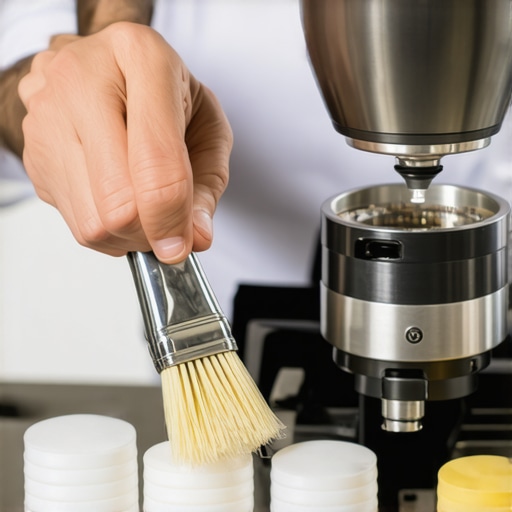
Residual coffee oils and particles can cause uneven grinding over time. I set a weekly cleaning schedule using a brush to clear out the burrs and chamber. This practice kept my grind consistent and my espresso tasting fresh. If you want to learn the best cleaning routines, see this detailed guide.
Leverage Technology for Ultimate Consistency
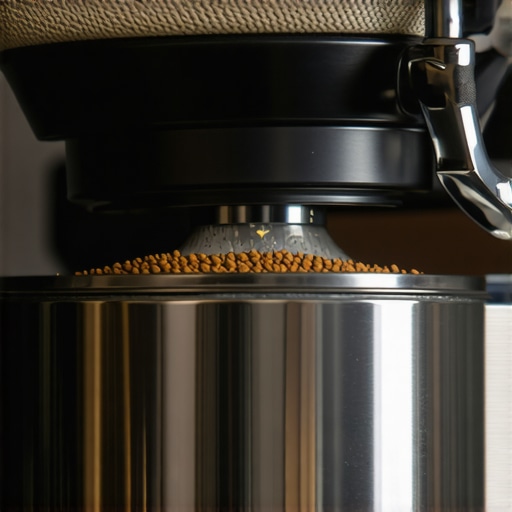
Advanced grinders with digital controls or stepless adjustments allow for more precise tuning. I upgraded to a model with grind-by-weight features, which ensured each shot used exactly the same amount of coffee. This eliminated variability and boosted my overall brew quality. For top-rated models, explore this list.
< >
>
Implement these steps systematically, and your grind consistency will improve dramatically. Remember, small adjustments and regular maintenance are key to unlocking the full potential of your espresso setup. For comprehensive insights and personalized advice, don’t hesitate to reach out.
Many espresso enthusiasts believe that investing in high-end grinders or simply adjusting the grind size is enough to achieve perfect consistency. However, there’s a less obvious but critical aspect that often gets overlooked: the detailed nuances of grind behavior and how common misconceptions can sabotage your efforts. Let’s dig deeper into what most people get wrong about grind consistency and why understanding these subtleties can elevate your brewing game.
Why Most Beliefs About Grind Uniformity Are Oversimplified
One widespread myth is that burr grinders with stepless adjustment automatically deliver perfect consistency. While stepless grinders offer finer control, they don’t guarantee uniform grounds if the grinder isn’t maintained properly or if the beans are inconsistent. The reality is that even high-quality grinders can produce uneven grounds if the burrs are misaligned or if the grind chamber is contaminated with old coffee residues. This misconception can lead users to believe that more expensive equipment alone will solve grind issues, but in truth, regular maintenance and calibration are just as crucial as the grinder’s specs. For expert insights, see this detailed guide.
Beware of the Heat Buildup Trap
A common mistake is ignoring the heat generated during grinding, especially with high-speed grinders. Excessive heat can cause beans to lose their volatile oils, resulting in uneven grind particles and flavor degradation. Many believe that faster grinding is always better, but this overlooks the importance of grind temperature. I once experimented with a grinder that had a high RPM motor, only to find that after prolonged use, my grounds became inconsistent and flavorless. The solution? Opt for grinders with slower, more controlled motors or those designed with cooling features. This small detail can make a significant difference in achieving uniformity, as corroborated by studies from the Specialty Coffee Association.
Advanced Tip: The Impact of Bean Roast Level
For seasoned brewers, it’s worth noting that the roast level affects grind behavior. Darker roasts tend to be more brittle, which can lead to uneven grounds if your grinder isn’t calibrated for this specific roast. Conversely, lighter roasts are denser and may require different settings to achieve a consistent grind. The misconception here is to treat all beans equally; in reality, adjusting your grinder based on roast level can prevent inconsistencies. For a comprehensive approach, check out this expert resource.
Have you ever fallen into this trap? Let me know in the comments. Remember, grind consistency is a nuanced art that combines equipment, technique, and attention to detail. By understanding these hidden complexities, you can avoid common pitfalls and truly unlock the full potential of your espresso beans.
Keeping your espresso grinder in top shape is crucial for maintaining grind consistency over time. From selecting the right tools to establishing a routine, I’ve found that investing in specific equipment and adopting disciplined practices can dramatically improve your brewing results. One of my go-to tools is a high-quality cleaning brush and grinder cleaning tablets, which I use weekly to clear out residual oils and coffee particles. Regular cleaning prevents buildup that can cause uneven grounds, ensuring each shot is as good as the first. For a detailed cleaning routine, I recommend checking this comprehensive guide.
Another essential tool is a precision scale. I measure my beans within 0.1 grams to ensure consistent dosing—this small step makes a big difference in shot quality. Coupled with a distribution tool, like a coffee scoop with a leveler or a dosing funnel, I achieve even grounds that reduce channeling and uneven extraction. When it comes to calibration, I use a calibration weight and a screwdriver to fine-tune my grinder’s burrs periodically, following the manufacturer’s instructions carefully. This proactive maintenance keeps the grind size uniform, which is vital for flavor and extraction consistency. For more on calibration techniques, see this article.
How do I maintain my grinder over time?
Maintaining your grinder isn’t a one-time task but a continuous process. I schedule weekly cleanings and monthly calibrations to keep things running smoothly. Additionally, I monitor for signs of wear, such as increased noise or inconsistent grind size, and replace burrs when they show signs of dullness. Using high-quality beans stored in airtight containers also reduces the buildup of oils and residues, making maintenance easier. Looking ahead, I predict that advancements in grinder technology, like self-cleaning features and digital calibration systems, will make long-term maintenance even simpler. Staying informed about these innovations through expert resources ensures you’re always ahead in your brewing game.
Implementing these maintenance routines and tools has transformed my espresso experience. I encourage you to try integrating a weekly cleaning routine and using a precision scale for dosing—small investments that yield big results. If you want to explore more advanced tips, I suggest reading this guide to master grind consistency and keep your setup performing at its best.
< >
>
Throughout my journey as an espresso enthusiast, I’ve learned that grind consistency isn’t just a detail—it’s the secret ingredient to unlocking the full potential of your beans. My biggest lightbulb moment came when I realized that even the most expensive grinder can produce uneven grounds if not properly maintained or calibrated. This insight transformed my brewing routine and can do the same for you. The key is to understand the subtle nuances that influence grind uniformity, from burr type to bean roast level, and to adopt disciplined maintenance practices. Embracing these lessons means fewer wasted beans, more flavorful shots, and a deeper appreciation for the craft of espresso making.
The Hardest Lesson I Learned About Grind Consistency
- Regular maintenance beats high-end gear every time: Even the most advanced grinders suffer from oil buildup and burr misalignment. I found that weekly cleaning with a dedicated brush and occasional calibration drastically improved my results.
- Small adjustments matter: Dialing in your grind size in tiny increments, especially when using stepless grinders, can mean the difference between a sour shot and a sweet, balanced espresso.
- Bean roast level impacts grind behavior: Darker roasts are more brittle and can lead to uneven grounds if not calibrated properly, while lighter roasts require finer settings.
- Temperature control is underrated: High-speed grinders can generate heat that affects grind quality. Choosing a grinder with cooling features or slower motors preserves bean integrity and consistency.
- Precision dosing is essential: Using a scale to measure beans within 0.1 grams and distributing grounds evenly in the portafilter reduces channeling and extraction errors.
My Essential Toolkit for Consistent Espresso
- High-quality cleaning brushes and grinder cleaning tablets: Regular cleaning prevents oil buildup and ensures uniform grinding.
- Precision digital scale: For accurate dosing, I rely on a scale that measures within 0.1 grams, which makes a noticeable difference in shot quality.
- Calibration tools: A calibration weight and a screwdriver help me fine-tune my burrs periodically, maintaining optimal grind size.
- Distribution tools: Dosing funnels or levelers create even grounds, reducing channeling during extraction.
- Reliable resources: Staying informed through expert guides, like the comprehensive ultimate guide, keeps me ahead of the latest practices and technology.
Keep Your Espresso Game Strong
Now, it’s your turn to take control of your grind consistency. Remember, small daily habits—regular cleaning, precise calibration, and careful adjustments—are the foundation of great espresso. With patience and discipline, you’ll notice your shots becoming more flavorful, balanced, and satisfying. The future of espresso brewing is bright, especially as technology continues to evolve with features like self-cleaning and digital calibration, making consistency easier than ever. So, invest in your routine today, and enjoy the rich, aromatic espresso you’ve always dreamed of.
What’s the biggest challenge you face when dialing in your grind? Drop your thoughts below—I’d love to hear your experiences and tips!
![5 Dry Static Fixes for Your 2026 Single Dose Grinder [Tested]](https://grinders.espressotechguide.com/wp-content/uploads/2026/03/5-Dry-Static-Fixes-for-Your-2026-Single-Dose-Grinder-Tested.jpeg)