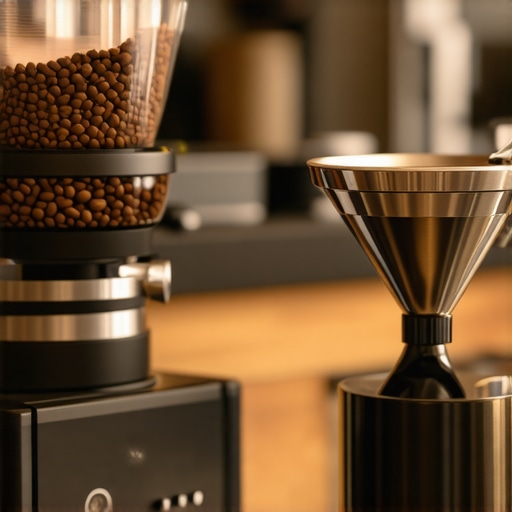
Ever spent hours dialing in your espresso shot only to realize your grind isn’t quite right? Or worse, you’ve bought what everyone calls a “top-tier” grinder, only to find your espresso tastes flat or inconsistent? I’ve been there. That frustrating moment when you realize that your grinder might be the hidden obstacle standing between you and that perfect shot.
Why Your Grinder Could Make or Break Your Espresso Experience
It’s tempting to think that the quality of your beans or your brewing technique are the main players. But let me tell you—your grinder is the unsung hero (or villain) of your espresso journey. A poor grind can turn a rich, aromatic bean into a bitter disappointment. Conversely, an excellent burr grinder, especially a single dose model, can elevate your brewing game to new heights. And here’s the kicker: the difference isn’t just about flavor; it’s about consistency, control, and ultimately, your enjoyment of that daily ritual.
Many coffee enthusiasts make the mistake of choosing a grinder based on price or brand name without considering grind precision and consistency. I once bought a cheap blade grinder, thinking it would do the trick—big mistake. The uneven grounds resulted in a shot that tasted like hot water with a hint of coffee. That was my lightbulb moment. Since then, I’ve invested in a high-quality burr grinder, and my espresso game has transformed.
Is the hype around single dose and burr grinders justified?
This is the question I hear most often. The truth is, these grinders are designed to give you unparalleled control over your grind size and consistency. They minimize waste and reduce the risk of stale beans, especially with single dose models. But do they live up to the hype? Let’s explore that in detail and see how you can avoid common pitfalls.
If you’ve ever faced the agony of an inconsistent grind or wondered whether investing in a better grinder is worth it, stay tuned. I’ll guide you through the best choices, practical tips, and troubleshooting strategies to elevate your espresso. Because once you get your grind right, every cup becomes a moment of pure bliss.
Start with the Right Grinder Settings
My first practical step was to dial in my grinder. I took a handful of beans and adjusted my burrs incrementally—about a quarter turn at a time—then pulled test shots. This process is like tuning a musical instrument; small changes make a big difference. I recorded each setting, noting the grind size and shot quality, until I found the sweet spot where the extraction was balanced and the flavor vibrant. For more insights, check out how to choose the right grinder.
Consistent Dose Management
Next, I focused on dosing consistency. Using a single dose grinder means you load the exact amount of beans each time, which reduces variability. I weighed out my beans with a digital scale—aiming for 18 grams per shot—and used a dosing cup to keep everything uniform. This eliminated the common issue of inconsistent tamping pressure caused by uneven grounds. To deepen your understanding, explore how to achieve perfect grind consistency.
Precision Tamping and Distribution
Tamping is often overlooked but essential. I made sure to apply even pressure—about 30 pounds—using a calibrated tamper. I also distributed the grounds evenly in the portafilter before tamping, akin to smoothing out a surface before painting. This step prevents channeling, which can ruin an otherwise perfect shot. For tips on tamping, see grind consistency secrets.
Regular Calibration and Maintenance
Consistency isn’t a one-time effort. I scheduled monthly calibration sessions—adjusting burrs and cleaning the grinder to remove old coffee residue. A clean grinder operates more smoothly, making grind size more predictable. I also checked for wear on the burrs; dull burrs require more force and create uneven grounds. If you want detailed maintenance routines, visit maximize grind consistency.
Use of Quality Fresh Beans
Finally, I ensured my beans were fresh—ideally used within 3-4 weeks of roasting. Stale beans can obscure even the best grind settings, so I stored them in an airtight container away from light and heat. Fresh beans provide a more forgiving grind, allowing your adjustments to shine. For selecting the best beans, see best beans for consistency.
By applying these concrete steps—precise adjustments, strict dosing, even tamping, regular maintenance, and quality beans—you turn a good grinder into a tool for extraordinary espresso. Remember, consistency is the secret; every small tweak compounds into a better shot. Keep experimenting and refining, and you’ll find that perfect balance that makes each cup worth savoring.
Many coffee lovers assume that once they choose a high-quality burr grinder, their work is done. However, there’s a hidden nuance many overlook: the myth that grinder consistency is purely mechanical and doesn’t require ongoing attention. In reality, even the best grinders need regular calibration and understanding of their limitations to truly excel. For instance, some believe that grind size remains perfectly stable over time, but factors like burr wear, humidity, and even bean oil buildup can subtly alter the grind profile, affecting shot quality. These small shifts can cause significant frustration, especially for serious enthusiasts striving for perfect extraction. Contrary to popular belief, precision isn’t a set-it-and-forget-it task. Regular maintenance, calibration, and awareness of your grinder’s quirks are essential for maintaining consistency. For advanced tips, check out mastering grind consistency.
Are tiny adjustments in grind size really that impactful?
Absolutely. Even a quarter turn of your burrs can shift your extraction from over-extracted bitterness to under-extracted sourness. Many mistakenly think that once they find the right setting, they can leave it untouched. But variables like bean roast level, ambient temperature, and humidity can all influence how your grind performs day-to-day. This is why experienced baristas often spend time dialing in their grinder for each batch, not just once. Recognizing this nuance can save you hours of frustration and lead to more reliable results. Studies on grind uniformity, such as those published in coffee science journals, indicate that small inconsistencies can drastically affect flavor and extraction time. So, don’t dismiss minor tweaks—they’re often the secret to that perfect shot.
Another common trap is focusing solely on grind size and ignoring dose and tamping nuances. A perfectly calibrated grinder won’t compensate for uneven tamping or inconsistent dosing. This compounded inconsistency is a trap many fall into, thinking their grinder is the sole culprit. Remember, achieving great espresso requires a holistic approach, including grinder calibration, dose control, distribution, and tamp pressure. For comprehensive strategies, visit ultimate guide to espresso grinders.
Furthermore, many assume that grinder quality alone guarantees flavor. While a quality grinder is essential, it’s just one piece of the puzzle. The grinder’s performance can be compromised by poor maintenance or improper use. Dull burrs, misalignment, or residual coffee oils can all diminish grind quality over time. Regular cleaning and timely replacement of worn parts are crucial. Also, don’t forget that even the best grinder won’t save a batch of stale beans or poorly stored coffee. Freshness and proper storage are equally critical. For tips on maintaining your grinder, see maximize grind consistency.
In the end, mastering espresso grind precision is about understanding these subtleties and avoiding complacency. It’s a continuous process of fine-tuning and learning. If you’re serious about elevating your coffee game, stay curious, vigilant, and ready to adapt. Have you ever fallen into this trap? Let me know in the comments, and check out contact us for personalized advice.
Keeping Your Grinder in Top Shape
Investing in a high-quality grinder is just the beginning; maintaining it is where true mastery begins. Regular cleaning, calibration, and component checks ensure your grinder continues to deliver precise, consistent grounds. I personally schedule a deep clean every 2-3 weeks, which involves disassembling the burrs, removing coffee oils, and inspecting for wear. This routine prevents clogs and maintains grind uniformity, directly impacting shot quality. For detailed maintenance routines, check out maximize grind consistency.
Tools I Recommend for Ongoing Maintenance
To keep my grinder performing at peak, I rely on a few specialized tools. A calibrated burr alignment gauge is essential; it helps me verify that the burrs are perfectly aligned, preventing uneven grinding. I also use a dedicated brush with stiff bristles to remove coffee residues from hard-to-reach areas, reducing the risk of stale buildup. For precise calibration, I prefer a digital dial indicator, which allows me to measure and adjust grind settings with accuracy. These tools have become indispensable in my routine, saving time and ensuring consistency shot after shot.
How do I maintain grind consistency over time?
Consistency doesn’t happen by accident. It requires vigilant monitoring and adjustments. I keep a log of grind settings for different bean types and roast levels, allowing me to quickly recalibrate when variables change. Regularly checking burr wear and replacing burrs before they become dull is critical; dull burrs create uneven grounds and inconsistent extraction. Additionally, I ensure my grinder is stored in a stable environment—avoiding humidity and temperature fluctuations that can alter grind behavior. Staying proactive with maintenance and calibration is the secret to long-term success. For advanced insights, explore mastering grind consistency.
Future Trends in Grinder Maintenance and Tools
As technology advances, we can expect smarter grinders equipped with sensors that alert us when calibration drifts or burrs wear out. Integration with mobile apps could allow remote monitoring and real-time adjustments, making maintenance more accessible and less time-consuming. This trend aims to make professional-grade consistency achievable even for home baristas, ensuring your espresso remains perfect regardless of external factors. Embracing these innovations will keep your setup ahead of the curve, ensuring longevity and peak performance.
Don’t wait until your grind quality suffers—start incorporating these maintenance practices today. Try using a burr alignment gauge or digital indicator to refine your calibration process and notice immediate improvements in shot consistency and flavor.
The Hardest Lesson I Learned About Espresso Grinders
One of the biggest surprises on my journey was realizing that even high-end grinders need ongoing calibration and care. I once thought that buying a top-tier model meant I could set it and forget it. But I discovered that small shifts—like burr wear or humidity—could throw off my grind and ruin my shot. The lightbulb moment was understanding that consistency isn’t a one-time achievement but a continuous process of adjustment and maintenance.
Where to Go from Here: Tools That Keep My Grind Spot-On
Over time, I found that investing in tools like a calibrated burr alignment gauge and a digital dial indicator made all the difference. These tools help me verify my grinder’s precision regularly, ensuring I catch wear or misalignment early. The trusted resources I rely on include maximize grind consistency and top burr single-dose picks. They’ve transformed my approach from reactive to proactive, saving me hours of frustration.
Take Action: Your Path to Better Espresso Starts Today
Now is the perfect moment to prioritize grinder maintenance and calibration. Small investments in the right tools and a disciplined routine can elevate your espresso game significantly. Remember, consistency isn’t just about the equipment—it’s about your commitment to regular check-ins and fine-tuning. Whether you’re a home barista or an aspiring professional, embracing these insider secrets will turn every shot into a moment of pure joy. Your perfect espresso awaits—are you ready to make it happen?
What’s your biggest challenge with grinder consistency? Share your experience below and let’s improve together!
![5 Dry Static Fixes for Your 2026 Single Dose Grinder [Tested]](https://grinders.espressotechguide.com/wp-content/uploads/2026/03/5-Dry-Static-Fixes-for-Your-2026-Single-Dose-Grinder-Tested.jpeg)
4 responses to “Ultimate Guide to Single Dose & Burr Coffee Grinders for Espresso Lovers”
I recently transitioned to a dedicated single dose burr grinder after experiencing similar frustrations with inconsistent shots and stale beans. The difference in control and flavor was quite noticeable! I’ve started calibrating my grinder regularly, especially after changing beans or environmental conditions, and it’s made a real impact. What I find challenging now is keeping consistent tamping pressure, which affects the extraction just as much as grind size. Has anyone tried using a tamping guide or pressure-sensitive tamper to improve consistency? I’d love to hear what tools or techniques others are using to perfect this part of the process. It seems like a holistic approach—covering grind, dose, tamp, and maintenance—really makes a difference in dialing in that perfect shot.
This post hits all the right points about the importance of a good grinder in achieving that perfect espresso shot. I’ve noticed that even with a high-quality grinder, neglecting regular calibration and maintenance can really throw off the grind consistency over time. I recently started keeping a log of my grind settings and schedule monthly cleanings, and the results have been amazing—more stable shots and better flavor clarity. It also made me think about the impact of ambient factors like humidity in my kitchen, which sometimes affects grind size without me realizing. Have others experienced similar issues with environmental fluctuations? Also, I’m curious if anyone has tried adding a bit of humidity control near their grinder to help maintain consistent results. It seems like a small tweak, but it could make a noticeable difference in overall shot quality. Would love to hear your tips or insights for managing these subtle yet impactful factors.
I really appreciate this detailed breakdown of the importance of not just choosing a good burr grinder, but maintaining it properly over time. I’ve found that even the best equipment can go out of tune without regular cleaning, especially when dealing with oils and residual coffee from frequent use. I’ve started using a digital dial indicator for calibration, which helped me dial in my grind more precisely. One challenge I still face is managing humidity, which can subtly affect grind consistency, especially in my humid climate. I’ve heard of some baristas using humidity packs near their grinders, but I’m curious—has anyone experimented with controlling environmental factors for more stable results? Also, I wonder what other proactive maintenance routines folks swear by to keep their grinders performing at their best. Would love to hear your experiences and any tips for keeping those small variables in check for a perfect shot every time.
I really enjoyed reading this comprehensive post. It’s impressive how much subtlety goes into dialing in the perfect espresso, and I agree—your grinder’s role is often underestimated. I started experimenting with different calibration routines after noticing slight fluctuations in shot quality over time. Regularly checking burr alignment and cleanliness has truly improved my consistency. One thing I’ve found particularly helpful is tracking my grind settings with a small notebook, so I can quickly make adjustments based on bean freshness or environmental changes. Also, I’ve recently started using a humidity control pack near my grinder, and the results have been more stable extraction across different days. How do others feel about integrating environmental controls into their routine—do you think it’s overkill or a worthwhile investment? I’d love to hear more tips on maintaining consistent grind quality over the long term.