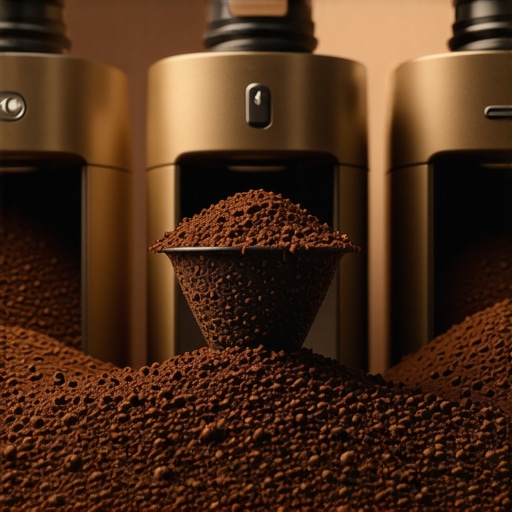
Have you ever pulled a shot of espresso that tasted flat, sour, or just off? I have. It’s frustrating, especially when you’re convinced you’ve done everything right—fresh beans, the right temperature, even the perfect tamp. But that uneven grind messes everything up. One moment, your brew is sublime; the next, it’s a disappointment. That lightbulb moment hit me hard: grind consistency is the secret to espresso perfection. And let me tell you, once I started paying more attention to my grinder, everything changed.
Why Grind Consistency Matters More Than You Think
It’s easy to overlook your grinder. You might think, “I just need good beans and a decent machine.” But your grinder plays a pivotal role. Tiny variations in grind size can cause huge swings in flavor, extraction, and aroma. That’s why I became obsessed with finding the best burr & single dose coffee grinders—tools that give you precise, uniform grounds every single time. Reliable consistency isn’t just a luxury; it’s a game-changer for serious espresso lovers. According to a study published by the Specialty Coffee Association, grind uniformity directly correlates with flavor clarity and overall brew quality. So, if you’re tired of inconsistent shots, it’s time to upgrade your grinder and master your grind size.
Is All the Hype About Single Dose Grinders Just Buzz? Or Worth It?
Honestly, I made the mistake early on of dismissing single dose grinders as a fancy trend. I thought, “A good burr grinder is good enough.” But I learned the hard way that the right single dose machine can dramatically improve grind freshness and consistency. It reduces static, minimizes waste, and allows for more precise adjustments. If you’re serious about your espresso, investing in a top-tier grinder is worth every penny. Curious? Check out this guide for tips on selecting the perfect single dose grinder for your needs.
Now, are you ready to ditch uneven grounds and brew with confidence? Let’s dive into the practical steps to choose and optimize your grinder for perfect consistency every time.
Pick the Right Grinder for Precision
Start by selecting a high-quality burr grinder known for its consistency. I once swapped my old blade grinder for a top-tier flat burr model, and the difference was night and day. Flat burrs create a uniform grind, much like a cookie cutter shapes dough, ensuring each particle is similar in size. To find the best fit, review options like this guide that compares top single dose grinders.
Calibrate and Adjust Your Grinder
Consistency starts with calibration. I recommend grinding a small batch, then measuring the particle size under a microscope or visually inspecting the grounds. Adjust the grind setting incrementally—think of it as tuning a musical instrument. Keep notes of your settings and results to fine-tune over time. For detailed calibration techniques, visit this resource.
Use Proper Dosing and Distribution
Accurate dosing ensures uniform extraction. I switched to a scale to weigh my coffee precisely, aiming for my target dose each time. Distribute the grounds evenly in the portafilter by gently shaking it or using a distribution tool, preventing channeling. This step is crucial for even water flow during extraction. Check out this guide for more tips on dosing.
Master the Tamping Technique
Consistent tamping pressure, about 30 pounds, compacts the grounds uniformly. I used a bathroom scale to practice applying even force. Think of tamping as setting a firm, level foundation for your espresso. Uneven tamping leads to uneven extraction, ruining your shot. For detailed tamping tips, visit this article.
Control Extraction Parameters
Temperature and pressure must be stable. Use a machine with PID control and keep your water temperature consistent. I keep my espresso machine warm and avoid rushing the process. The grind size, dose, and tamp combine to influence extraction time—aim for 25-30 seconds for a perfect shot. For advanced control techniques, see this resource.
Regular Maintenance and Cleaning
Clogged or worn burrs compromise grind consistency. I clean my grinder weekly with a brush and periodically replace worn burrs. This keeps the grind uniform and prevents static, which can cause uneven dosing. Proper maintenance is the secret sauce behind reliable results. Learn more at this guide.
Practice and Record Your Results
Consistency is built through repetition. I keep a brewing journal, noting grind settings, dose weight, tamp pressure, and tasting notes. Over time, this helps identify what adjustments yield the best flavor. Think of it as tuning a recipe—small tweaks lead to perfect espresso. For advanced tips, check this resource.
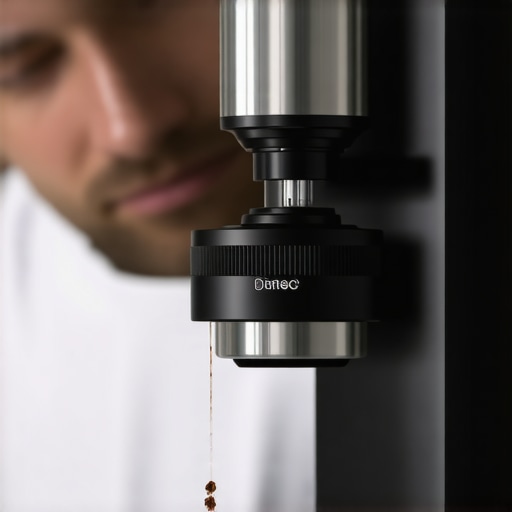
Many coffee enthusiasts believe that once they have a good grinder and a decent technique, grind consistency is a settled matter. However, this is a misconception that can secretly sabotage your brewing results. Let’s dig deeper into what most people get wrong about grind consistency and how to avoid these pitfalls.
Myth: All burr grinders are equally consistent
It’s a common assumption that any burr grinder will do the job. The truth is, not all burrs are created equal. Flat burrs generally provide more uniform grounds compared to conical burrs, but even within those categories, quality varies significantly. Low-cost grinders often have inconsistent burr alignment or inferior motor stability, leading to uneven grind particle sizes. Investing in a high-quality, well-calibrated grinder is essential for achieving true consistency. For expert insights and comparisons, check this comprehensive guide.
The trap of static and build-up in grinders
Static electricity in grinders causes grounds to cling to the burrs and chute, leading to uneven dosing and inconsistent particle sizes. Many forget that static can be mitigated by using grinders with anti-static features or by grinding in shorter bursts and cleaning regularly. Static buildup also causes uneven distribution in the portafilter, resulting in channeling and uneven extraction. Regular cleaning and proper technique are often overlooked but are vital for maintaining grind uniformity. Learn more about maintenance strategies here.
Why does grind size variation matter more than you think?
Many believe that small differences in grind size only subtly affect flavor. In reality, even a 0.1mm variation in grind particle size can change extraction time and flavor profile dramatically. Uneven particle sizes cause some grounds to over-extract while others under-extract, leading to sourness, bitterness, or flatness. This nuance is often missed by home baristas who rely solely on visual cues or fixed settings. Advanced users calibrate their grinders meticulously and use tools like microscopes or sieves to verify uniformity. For a deeper dive into this topic, visit this resource.
Have you ever fallen into this trap? Let me know in the comments. Remember, mastering grind consistency is a continuous journey—small details make a big difference in your espresso quality. Keep experimenting, keep learning, and your shots will improve every day.
Keeping your coffee grinder in top shape is essential for maintaining grind consistency over time. Regular maintenance not only prolongs the lifespan of your equipment but also ensures each shot of espresso is as perfect as the first. I personally schedule a thorough cleaning every two weeks, which includes disassembling the burrs, brushing away old grounds, and lubricating moving parts to keep everything functioning smoothly. This routine helps prevent static buildup and uneven grind issues that can creep in as the grinder ages.
One of my favorite tools for ongoing maintenance is a high-quality grinder brush, like the Mazzer grinder brush, which efficiently removes grounds from hard-to-reach areas. Additionally, replacing worn burrs at regular intervals—typically after grinding around 10-15 kg of beans—is crucial for preserving grind uniformity. When in doubt, consult the manufacturer’s guidelines or expert sources such as this comprehensive guide to learn more about optimal maintenance routines.
How do I maintain my grinder over time?
To keep your grinder performing at its best, establish a cleaning schedule aligned with your usage. Use a dedicated grinder cleaning tablet or rice to clear out residual oils and grounds that can clog the burrs and chute. Regular calibration is also vital—adjust the grind size after cleaning to ensure consistent particle distribution. Many professional baristas recommend keeping a maintenance log to track burr wear and cleaning dates, which helps anticipate when replacements are needed. Investing in tools like a burr alignment kit can further fine-tune your grinder, ensuring each particle is uniform and extraction remains precise.
As the trend towards precision continues, expect more grinders to incorporate smart sensors that monitor burr wear and suggest maintenance schedules automatically. This tech-driven future will make it easier than ever to keep your grind consistent without guesswork. Meanwhile, try incorporating a monthly deep cleaning routine with specialized tools. Doing so will keep your grinder running smoothly and your espresso tasting exceptional every time.
Remember, a well-maintained grinder is the backbone of perfect espresso. Don’t neglect this crucial step, and your investment will reward you with long-term consistency and flavor clarity that truly elevates your brewing experience.
The Hardest Lesson I Learned About Grind Consistency
Early in my coffee journey, I believed that a good grinder was enough. It wasn’t until I experienced a string of inconsistent shots that I realized the devil was in the details—small variations in grind size could ruin an entire brew. The lightbulb moment came when I finally understood that grind uniformity is the secret to unlocking the full potential of my beans. Since then, meticulous calibration and maintenance have transformed my espresso quality.
3 Myths About Grind Consistency That Held Me Back
Many home baristas, including myself, fall for misconceptions like “all burr grinders are equally consistent” or “static isn’t a big deal.” These myths led me to overlook crucial factors such as burr quality and static management. Debunking these myths was pivotal—investing in a better grinder, cleaning regularly, and understanding static issues dramatically improved my results. For detailed comparisons, I recommend visiting this comprehensive guide.
What Experts Won’t Tell You About Grinding
Some of the most valuable lessons come from seasoned baristas who emphasize that consistency is an ongoing process. Regular calibration, attentive maintenance, and precise dosing are vital. I’ve learned to keep a brewing journal, noting each adjustment and its impact, which helped me fine-tune my technique over time. Remember, mastering grind consistency isn’t a one-time effort but a continuous journey of small improvements.
My Essential Toolkit for Achieving Espresso Perfection
- High-Quality Burr Grinder: I trust my flat burr grinder for its uniformity and durability. For top recommendations, check this list.
- Calibration Tools: Using a microscope or sieve helps verify particle size. I also keep notes on grind settings for future reference.
- Cleaning Supplies: A dedicated grinder brush and regular burr replacements keep my grinder performing optimally. Learn more about maintenance here.
- Precise Dosing Scale: Weighing coffee ensures consistency. I’ve found this simple step to be a game-changer in achieving uniform shots.
Your Turn to Try
Now that you know the importance of grind consistency, it’s your turn to implement these tips. Start by selecting a quality burr grinder, calibrate it carefully, and keep your equipment clean. Small, consistent adjustments will elevate your espresso game. Remember, every great espresso begins with a consistent grind—make it a priority today.
What’s the biggest challenge you face in maintaining grind consistency? Share your experience below, and let’s learn together!
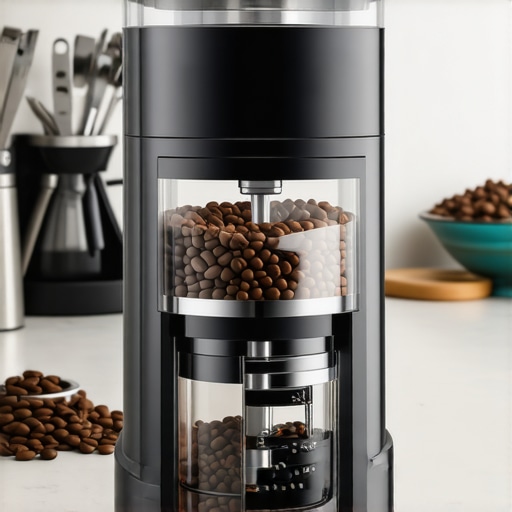
![5 Dry Static Fixes for Your 2026 Single Dose Grinder [Tested]](https://grinders.espressotechguide.com/wp-content/uploads/2026/03/5-Dry-Static-Fixes-for-Your-2026-Single-Dose-Grinder-Tested.jpeg)