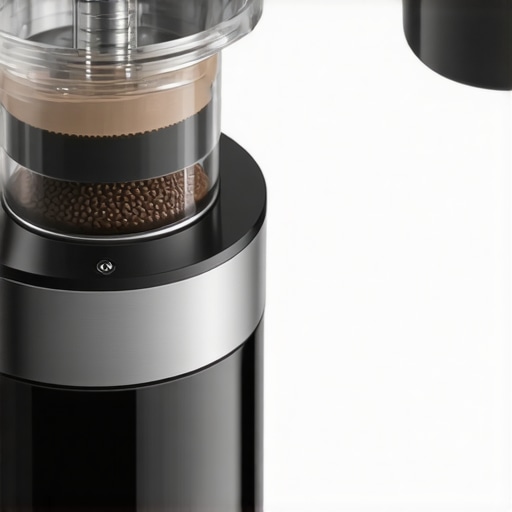
Ever since I first started brewing espresso at home, I faced the same frustrating problem: inconsistent coffee grounds. One day, I’d get a beautiful, even shot. The next, a weak, bitter mess. It was like my grinder had a mind of its own. That lightbulb moment hit me hard—if I could control the grind size with precision, I could finally enjoy barista-quality coffee every single time. But here’s the thing: not all grinders are created equal, and a good grinder can make or break your brew.
Today, I’m here to guide you through the maze of coffee grinders and help you find the best options for ultimate grind consistency in 2024. Whether you’re a weekend enthusiast or a budding barista, understanding what leads to consistent grounds can transform your coffee experience. And trust me, it’s worth the effort. According to a recent study, grind uniformity directly impacts extraction and flavor, making the difference between a mediocre cup and a stellar one. Burr grinders are often praised for their consistency, but which type is best for your needs? That’s what we’ll dive into.
Have you ever bought a fancy grinder, only to find your espresso shot still lacks that smooth, rich taste? I’ve been there. I once splurged on a high-end conical burr grinder, expecting perfect results, only to be disappointed because I didn’t understand how to calibrate it properly. That mistake cost me time and money. But once I learned how to maximize grind consistency, everything changed.
So, if you’re tired of uneven grounds ruining your brew or wasting beans, stick around. We’ll explore the secrets behind consistent grinding, the key features to look for in 2024, and how to avoid common pitfalls. Ready to elevate your coffee game? Let’s get started!
Why Consistency Matters More Than You Think
Set Up for Precision
Start with a clean, well-maintained grinder. A dirty or poorly calibrated grinder introduces inconsistency. I once ignored cleaning my burrs for weeks, and every shot was unpredictable. After a thorough cleaning and recalibration, my grind uniformity improved drastically, leading to better extraction and flavor. Regularly check your grinder for wear and tear to maintain optimal performance. For detailed guidance, visit this resource.
Choose the Right Settings
Adjust your grinder to the desired grind size carefully. Use the grind size that matches your brewing method—finer for espresso, coarser for French press. When I switched from a generic setting to a precise, incremental adjustment, I was able to dial in my espresso shot within a few pulls. Always record your settings to replicate the results. For more insights, check this guide.
Implement Single Dose Grinding
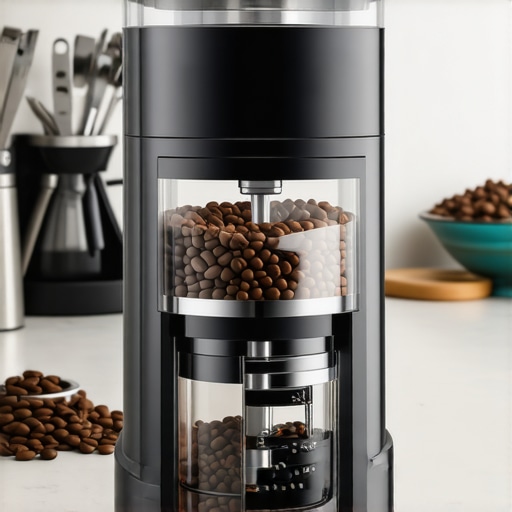
Single dose grinders dispense just enough beans for each shot, reducing static and retention issues that cause variation. I started weighing my beans before grinding, which eliminated the guesswork and ensured consistency. This method also prevents stale beans from mixing with fresh grounds, preserving flavor. For top recommendations, see this list.
Consistent Tamping Technique
Even the best grind can be ruined by uneven tamping. Apply firm, level pressure each time—about 30 pounds for espresso. I used a bathroom scale to calibrate my tamping pressure, which made a noticeable difference. Practice makes perfect, so take your time and develop a routine. For more tips on tamping, visit this article.
Monitor and Adjust Regularly
Grind consistency can drift due to bean roast level, humidity, or wear. Keep a log of your adjustments and tasting notes. I set a reminder to revisit my settings weekly, which helped me catch any drift early. Consistent tasting and adjusting are key to maintaining perfect grind uniformity. For advanced techniques, explore this detailed guide.
< >
>
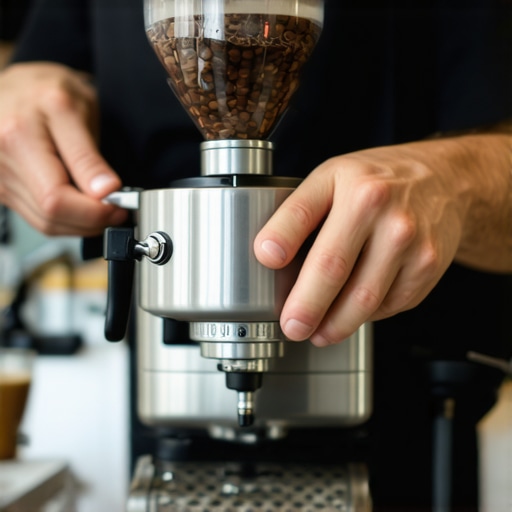
Many coffee enthusiasts believe that choosing the right grinder alone guarantees perfect grind consistency, but this is a misconception. In my experience, even high-end grinders can produce inconsistent grounds if certain nuanced factors are overlooked. For instance, the misconception that burr grinders are immune to variability ignores the importance of calibration and maintenance. Regularly checking your grinder’s calibration can prevent subtle inconsistencies that might otherwise compromise your brew’s flavor. According to this expert resource, even premium burr grinders require periodic calibration to maintain optimal performance.
Another common myth is that grind size alone dictates extraction quality. While grind size is crucial, the way you tamp, your brewing temperature, and static buildup also play significant roles. Static can cause grounds to clump, leading to uneven extraction, which many overlook. Using a static-reducing technique or a grinder with anti-static features can help mitigate this problem. This nuance often goes unnoticed by casual brewers but can dramatically improve consistency.
For advanced brewers, the mistaken assumption that setting a single grind size is sufficient is a trap. Adjustments should be made dynamically based on bean roast level, humidity, and even the age of your beans. A subtle change in humidity, for example, can alter how consistent your grounds are, even with the same grinder settings. Experts recommend keeping a detailed log of your adjustments and tasting notes, which allows for fine-tuning over time. This level of precision is often underappreciated but can elevate your coffee to professional standards.
Have you ever fallen into this trap? Let me know in the comments. For those interested in deepening their expertise, I recommend exploring this guide to understand how different grinder types impact your grind uniformity, or reach out via contact us for personalized advice.
Keeping Your Grinder in Top Shape for Consistent Results
To maintain optimal grind consistency over time, regular cleaning is essential. Residual coffee oils and particles can clog burrs and affect performance. I personally schedule a deep clean every 2-4 weeks, depending on usage, using a dedicated grinder cleaning brush and grinder-specific cleaning tablets. This prevents build-up that can cause uneven grounds and flavor degradation. For detailed cleaning procedures, I recommend visiting this guide.
Tools I Trust for Long-Term Performance
Investing in quality tools makes a significant difference in maintaining grinder performance. I rely on a precision calibration tool like the Baratza Calibration Kit because it allows me to fine-tune burr alignment easily, ensuring uniform grind size. Additionally, a high-quality burr cleaning brush helps me remove coffee residues from hard-to-reach areas, maintaining consistent grind quality. For static issues, I use anti-static brushes and static-reducing products like Coffee Static Guard to keep grounds flowing smoothly. Regular calibration and maintenance with these tools ensure my grinder produces consistent grounds, vital for espresso enthusiasts.
Predicting Future Trends in Grinder Maintenance
Looking ahead, I believe smart grinders equipped with built-in sensors and maintenance alerts will become the norm. These advanced machines can notify users when burrs need calibration or cleaning, simplifying long-term upkeep. The integration of IoT (Internet of Things) technology will likely make grinder maintenance more intuitive, reducing guesswork and prolonging equipment lifespan. Embracing these innovations now can help you stay ahead in achieving perfect, consistent espresso shots.
How do I keep my grinder working flawlessly over time?
The key is regular, proactive maintenance. Schedule routine cleaning, calibrate your burrs periodically, and use quality tools designed for grinder upkeep. I also recommend documenting your adjustments and cleaning schedule to identify patterns and prevent issues before they affect your brew. For expert advice on maintaining grind consistency, visit this resource. Try integrating a calibration routine with a precision tool and see how it elevates your espresso quality over months of consistent use. Remember, a well-maintained grinder is the backbone of excellent coffee!
The Toughest Lessons I Learned About Coffee Grinding
One of the biggest mistakes I made early on was assuming that buying a high-end burr grinder would automatically guarantee perfect consistency. It took me months to realize that regular calibration and maintenance are just as important as the initial investment. The lightbulb moment came when I finally took the time to fine-tune my grinder, and suddenly, my espresso shots became more uniform and flavorful. This taught me that even the best equipment needs attentive care.
Another lesson I learned is that grind size isn’t a set-it-and-forget-it adjustment. Factors like humidity, bean roast level, and even the age of the beans can influence grind quality. By keeping a detailed log of my settings and tasting notes, I was able to adapt dynamically — and that made all the difference in achieving consistent results.
Lastly, static buildup can sabotage your efforts. I used static-reducing tools and learned techniques to prevent grounds from clumping, which helped me maintain uniformity during extraction. These insights came from countless hours of trial and error, but they transformed my home brewing routine.
My Go-To Tools for a Perfect Grind
I rely heavily on a few trusted tools to keep my grinder in top shape. The Baratza Calibration Kit is indispensable for fine-tuning burr alignment, ensuring that each grind remains consistent. I also use a dedicated burr cleaning brush to remove coffee residues, preventing build-up that can cause uneven grounds. For static issues, products like Coffee Static Guard and anti-static brushes have been game-changers. These tools, combined with regular calibration, keep my grinder performing at its best, allowing me to enjoy espresso with reliable consistency.
Fuel Your Passion and Elevate Your Coffee Game
Achieving grind consistency is a journey, not a destination. Every adjustment, cleaning, and calibration step brings you closer to that perfect shot. With patience and the right tools, you can turn your home setup into a professional-quality station. Remember, consistency in grind size unlocks the full potential of your beans and brewing technique. So, don’t be afraid to experiment, learn, and refine your process — your taste buds will thank you.
![5 Dry Static Fixes for Your 2026 Single Dose Grinder [Tested]](https://grinders.espressotechguide.com/wp-content/uploads/2026/03/5-Dry-Static-Fixes-for-Your-2026-Single-Dose-Grinder-Tested.jpeg)
5 responses to “Best Coffee Grinder for Ultimate Grind Consistency in 2024”
I really appreciate this detailed deep dive into grind consistency, especially the emphasis on regular calibration and maintenance. I’ve found that even with a top-tier burr grinder, neglecting upkeep can lead to surprisingly uneven grounds that affect flavor and extraction. Since I started recording my settings and cleaning schedule, I’ve noticed a remarkable improvement in my espresso shots. The static issue was a real headache before I started using anti-static tools, but now grounds flow much more smoothly. I wonder, for those of us who brew multiple times a day, would you recommend investing in a grinder with built-in sensors or maintenance alerts? Do you think the added automation justifies the cost? Sharing your experiences or suggestions on integrating tech with manual upkeep would be very helpful for a full-home setup.
I completely agree with the importance of maintenance and calibration, especially for those of us brewing multiple times a day. I’ve found that investing in a grinder with built-in sensors can be a game-changer, as it takes some of the manual guesswork out of the equation. Although they come at a higher cost, the convenience of automated alerts for cleaning and calibration helps me keep my grinder performing at its best without the constant manual checks. However, I think combining that tech with regular manual calibration—using tools like a calibration kit—still provides the best results. What’s your take on balancing automation with personal upkeep? Do you think the extra expense makes sense for everyday users or only for a dedicated home barista seeking perfection? For me, the key is consistent use of both—tech for reminders and hands-on maintenance for precision.
Reading through this post reminds me of how even small habits, like regular cleaning and calibration, can make a huge difference in grind consistency and overall flavor. I used to underestimate static buildup, but once I started dusting a bit of coffee oil on my portafilter and tamping surface, I noticed fewer clumps and more even extraction. As for the tech side, I’ve been considering a smart grinder with maintenance alerts, mainly because I tend to forget timely calibrations during busy mornings. For fellow enthusiasts, I’d say that a combination of routine manual upkeep and occasional use of advanced features in smart grinders offers the best of both worlds. Do others find that tech integrations truly save time and improve consistency? Or is manual calibration still the gold standard for precision in a home setup? I’d love to hear your thoughts.
I’ve recently started paying more attention to grinder maintenance and calibration after noticing subtle inconsistencies in my shots even with a decent burr grinder. Following recommendations for routine cleaning and calibration logs has made a noticeable difference. However, static buildup remains a tricky issue, especially in humid weather. I’ve found that storing grounds in a static-free container and using a static-reducing brush helps. Regarding smart grinders with sensors, I’m torn—while automation sounds appealing, I wonder if it might make home brewers overly reliant on tech instead of developing a good internal sense of grind adjustments. Has anyone here found that these features genuinely improve consistency, or do they sometimes become a crutch? It seems that combining manual techniques with technological aids might be the best way forward, but I’d love to hear experiences from others, especially those who started with manual calibration and then moved to smarter machines.