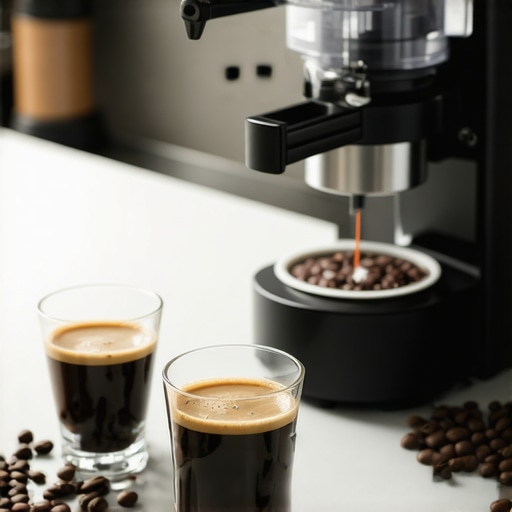
Have you ever brewed what you thought was a perfect shot of espresso, only to be disappointed by its lack of flavor, consistency, or that dreaded sourness? I’ve been there. I remember spending hours adjusting my grinder, chasing that elusive ideal grind, only to end up with uneven results that left me frustrated and questioning my equipment. One lightbulb moment changed everything for me: I realized that the key isn’t just in the grinder’s power, but in its ability to produce consistently fine, uniform grounds. That’s what makes or breaks your espresso experience.
Why Grind Consistency Can Make or Break Your Coffee
When I first started experimenting with different grinders, I thought I could get away with a cheap model or a quick grind. Boy, was I wrong. The inconsistency in grind size meant my espresso was either over-extracted or under-extracted, ruining the delicate balance of flavors. It’s like trying to paint a masterpiece with a worn-out brush—no matter how talented you are, the tool limits you. A high-quality grinder that offers top-notch grind consistency can elevate your brew, making every shot taste like it’s from a pro barista.
And here’s the thing — recent studies show that grinders with flat burrs or well-designed conical burrs significantly improve grind uniformity, which translates directly into better espresso (source: The Ultimate Guide to Espresso Grinders). So, it’s not just about grinding faster or louder; it’s about precision and consistency every single time.
Are You Wasting Money on a Grinder That Can’t Keep Up?
If you’ve ever bought a grinder because it was cheap or highly rated but found your shots uneven or bitter, you’re not alone. I made that mistake early on. I thought I was saving money, but in reality, I was throwing away beans, wasting time, and missing out on the rich flavors that good grounds can unlock. The truth is, investing in a quality grinder pays off in the long run. For a detailed look at the best options, check out Top Coffee Burr Grinders for Perfect Grounds.
Now, if you’re tired of inconsistent results and ready to take your espresso game to the next level, you’re in the right place. Over the next sections, I’ll walk you through everything you need to know to choose the best grinder for grind consistency and how to use it like a pro. Trust me, once you master this, your mornings will never be the same.
Getting Started with the Perfect Grind
Start with a Clean Slab of Coffee Beans
Before grinding, ensure your beans are fresh and stored properly. Use a quality grinder with flat or conical burrs, which are known to produce more uniform grounds. I once tried to save a few bucks with a cheap grinder, but the inconsistency made my espresso bitter and sour. Switching to a well-reviewed model like those listed in top coffee burr grinders dramatically improved my results.
Adjust Your Grinder Settings Precisely
Start with the manufacturer’s recommended setting for espresso. Then, tweak in small increments—think of it as fine-tuning a musical instrument. I remember once spending nearly an hour adjusting the grind size by just a fraction, but that small change transformed my shot from over-extracted to perfectly balanced. Use a scale to measure your dose and a timer to monitor extraction times. This consistency is vital for repeatable results.
Use the Right Dose and Distribution Technique
Measure your coffee precisely—typically 18-20 grams for a double shot. Distribute the grounds evenly in the portafilter using a distribution tool or a gentle tap. I used to just scoop and tamp randomly, which caused uneven extraction. After adopting a distribution method, my shots became smoother and more consistent. For detailed tips, check out how to choose the perfect espresso single dose grinder.
Perfect Your Tamp Pressure
Apply consistent tamp pressure—around 30 pounds—using a tamper with a firm, even stroke. I once had a messy shot because I varied my tamping force. Using a calibrated tamper or a tamping station helped me maintain uniform pressure, leading to even extraction. Remember, consistency here is key to avoiding sour or bitter shots.
Dial in Your Extraction Time
Aim for an extraction time of about 25-30 seconds. Use a stopwatch or timer to monitor this. If your shot pulls too quickly, try a finer grind; if it’s slow or bitter, coarsen the grind slightly. I once had a shot that took 40 seconds, resulting in a harsh flavor. Adjusting the grind and dose accordingly brought me back to a perfect shot. For more detailed guidance, explore how to achieve perfect espresso single dose grind consistency.
Regular Maintenance and Calibration
Clean your grinder regularly—at least once a week—to prevent clogs and uneven grounds. Also, recalibrate the grind setting periodically as beans age or change in origin. I learned this the hard way when my shots suddenly became inconsistent after a few months of use. Following the maintenance tips from ultimate grind consistency guide kept my results steady.
Final Touches for Consistency
Keep a journal of your settings, doses, and extraction times. Small adjustments can lead to big improvements. Remember, every grinder and bean is different, so patience and precision are your best tools. Once you develop this routine, your espresso will consistently impress, rivaling those from professional cafes.
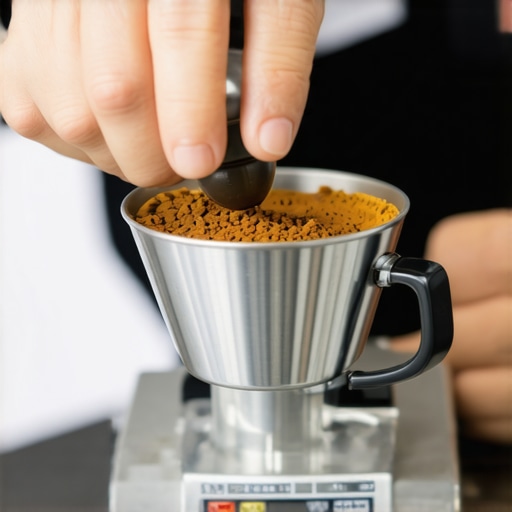
Many coffee enthusiasts and even seasoned baristas fall prey to misconceptions that can sabotage their pursuit of perfect espresso. Let’s dig deeper into what most people get wrong about grind consistency and how these myths can lead you astray. First and foremost, a widespread belief is that more expensive grinders automatically guarantee perfect consistency. While premium grinders do have advantages, they are not a magic bullet. The real secret lies in understanding your grinder’s capabilities and how to calibrate it properly. For example, flat burr grinders are often touted as the best for uniform grounds, but if not maintained or adjusted correctly, they can produce inconsistent results just like cheaper models. It’s essential to learn your equipment’s nuances, which you can explore in The Ultimate Guide to Espresso Grinders.
Another common myth is that grind size is the only factor influencing extraction. In reality, grind size is crucial, but distribution technique, tamping pressure, and even bean freshness play significant roles in achieving consistent results. Relying solely on adjusting the grind without paying attention to these other factors can lead to a false sense of control. For example, uneven distribution of grounds in the portafilter can cause channeling, which undermines grind uniformity’s benefits. Check out Mastering Grind Consistency for insights on integrating all these elements.
Why do so many baristas overlook maintenance?
It’s a trap that even experts sometimes fall into—believing that once a grinder is calibrated, it doesn’t need further attention. The truth is, regular cleaning and calibration are vital. Coffee oils and residues build up, which can cause uneven grinding and affect flavor. Skipping maintenance leads to a gradual decline in grind consistency, regardless of how good your grinder is. To avoid this, develop a routine and consult best maintenance practices.
Finally, many believe that grind consistency is only about the grinder’s burrs. While burr design is important, the overall system—including motor stability, gear quality, and even the environment where you grind—affects the results. Vibrations or temperature fluctuations can cause subtle changes in grind size. Advanced users often use precision tools and techniques to monitor and maintain consistency over time. Remember, consistency is a marathon, not a sprint. Have you ever fallen into this trap? Let me know in the comments.
Keeping your espresso grinder in top shape is crucial for maintaining grind consistency over time. Regular maintenance not only prolongs the life of your equipment but also ensures every shot tastes as good as the first. One of my favorite tools for this purpose is a dedicated grinder cleaning brush, which allows me to remove coffee oils and residue from burrs and chutes efficiently. I always keep a small jar of grinder cleaning tablets on hand; these are specially formulated to dissolve oils and buildup without damaging the burrs, making weekly cleanings quick and effective. For a more thorough clean, I use a specialized grinder cleaning machine, which can disassemble parts safely and clean them thoroughly—something I highly recommend for serious espresso enthusiasts. Predicting the future, I believe smart, IoT-connected grinders that monitor usage and schedule maintenance automatically will become standard, helping us maintain optimal grind quality effortlessly.
How do I maintain my grinder over time?
To keep your grinder working perfectly, establish a routine that includes regular cleaning and calibration. After every few pounds of beans, use a brush or compressed air to clear out residual grounds from the burrs and chute. Once a month, run a cleaning tablet through the grinder to dissolve oils and residues that can affect grind size. Be sure to recalibrate your grinder whenever you change bean types or notice inconsistencies in shot quality. Checking the burr alignment and ensuring the motor runs smoothly will prevent uneven grinding. I personally record my settings and cleaning schedule in a small notebook to track what works best. For detailed maintenance techniques, check out the ultimate grind consistency guide. Remember, a well-maintained grinder is the backbone of consistent espresso, so prioritize these steps to keep your results predictable and delicious.
Investing in the right tools makes a difference
One tool I highly recommend is a precision burr alignment gauge. It helps me quickly verify that my burrs are perfectly aligned, preventing uneven grounds and channeling. I also use a digital timer and scale to measure dose and extraction time precisely—small details that make a big difference in consistency. For those serious about their setup, a vacuum-powered grinder cleaning system can remove fine grounds from hard-to-reach areas, ensuring peak performance. These tools may seem like an investment upfront, but they pay off by reducing waste and improving shot quality. As technology advances, I predict more manufacturers will incorporate smart sensors that alert you when cleaning or calibration is needed, making maintenance even easier. To explore the best tools for maintaining your grinder, see best maintenance practices.
Get proactive about grinder health
Don’t wait for grind inconsistencies to become noticeable. Set a weekly schedule to inspect, clean, and calibrate your grinder, just like a professional barista. By doing so, you’ll ensure every espresso shot remains as rich and flavorful as the first. Remember, even the best grinders need regular attention to perform at their peak—think of it as tuning your instrument for perfect music. Try implementing a monthly cleaning ritual with tablets and a quick burr check using a gauge; these small steps will dramatically improve your long-term results. Keep in mind that the future of grinder maintenance is heading toward automation, with smart devices offering real-time updates and maintenance alerts, making life easier for espresso lovers everywhere. Start today by choosing one of these advanced tips, and watch your grind consistency improve steadily.
What the Toughest Lessons About Grind Consistency Taught Me
- One of my biggest lightbulb moments was realizing that even the most expensive grinder needs regular calibration and cleaning to truly shine. Without this, all the fancy burrs and motors are just noise.
- I used to think that grind size was the whole story. Turns out, distribution, tamping pressure, and bean freshness are equally critical for that perfect extraction. Overlooking these costs me flavor and consistency.
- My biggest mistake was ignoring the environment. Vibrations, temperature swings, and even ambient humidity subtly shift grind size, leading to unpredictable results. Paying attention to my setup made a real difference.
My Go-To Resources for Espresso Perfection
- Top Coffee Burr Grinders for Perfect Grounds — This list keeps me updated on the best grinders that deliver uniform grounds and is a must-read for serious enthusiasts.
- The Ultimate Guide to Espresso Grinders — A comprehensive resource that deepened my understanding of how grinder design impacts flavor, especially with flat vs. conical burrs.
- Mastering Grind Consistency — Practical tips from seasoned baristas that help me dial in my setup and avoid common pitfalls.
Take Action and Elevate Your Espresso Game
Remember, the secret to consistently great espresso lies in mastering your grinder and routine. Don’t wait for inconsistency to frustrate you—start implementing these insights today and watch your shots improve with each brew. Your perfect espresso is within reach—just a few adjustments away.
What’s the biggest challenge you face when trying to perfect your grind? Share your experience below—I’d love to hear your story.
![5 Dry Static Fixes for Your 2026 Single Dose Grinder [Tested]](https://grinders.espressotechguide.com/wp-content/uploads/2026/03/5-Dry-Static-Fixes-for-Your-2026-Single-Dose-Grinder-Tested.jpeg)
2 responses to “Best Coffee Grinder for Grind Consistency & Espresso in 2024”
This article really hits home about the importance of grinder calibration and proper maintenance. I used to think that the grinder’s quality was the only thing that mattered, but after I started cleaning and recalibrating regularly, my shots became much more consistent. It’s interesting how environmental factors like humidity and temperature can subtly affect grind size—I never used to consider that before. I also found that investing in a good burr alignment gauge, as you suggested, made a significant difference in preventing channeling and uneven extraction. I’m curious, for those with limited space, what’s the best way to keep up with routine maintenance without cluttering your kitchen? I’d love to hear other tips on keeping equipment in top shape while managing a busy schedule.
This post really resonates with my own journey in perfecting espresso at home. I used to believe that buying a high-end grinder would instantly make my shots perfect, but I soon realized that regular maintenance and calibration are just as vital. I’ve started keeping a simple routine—cleaning the burrs weekly and recalibrating whenever I switch beans or notice flavor shifts—and the difference in consistency has been remarkable. It’s almost like giving my grinder a tune-up, much like maintaining a car for optimal performance. I also found that storing beans in airtight containers and grinding fresh beans helps a lot with flavor stability.
For those limited on space, I recommend a small, dedicated cleaning brush and a jar of cleaning tablets that can be stored discreetly. Do others have favorite space-saving tips or tools for maintaining their grinders effectively? I’d love to hear how everyone manages the routine without cluttering their kitchen counters.