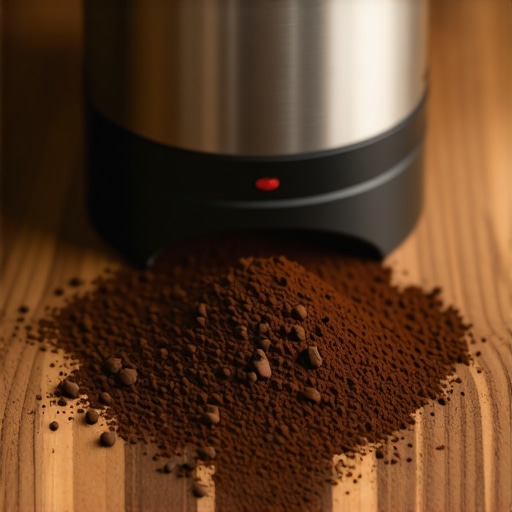
Ever had that sinking feeling when your espresso shot turns out bitter, sour, or just plain flat? I’ve been there, pouring shot after shot, chasing that elusive perfect grind. The lightbulb moment hit me hard one morning when I realized my grinder was the culprit—an inconsistent grind can sabotage even the most promising beans. No matter how skilled you are, if your grinder isn’t up to par, your espresso will never reach its full potential. That’s when I decided to dig deep into what makes a coffee grinder truly excellent for grind consistency and espresso quality in 2024. And let me tell you, it changed everything.
Why Perfect Grind Consistency Matters More Than You Think
Think about how a chef relies on precise measurements and consistent ingredients to create a masterpiece. Coffee is no different. The grind size and uniformity directly influence extraction, flavor, and aroma. A burr grinder, especially one designed for espresso, ensures that each particle is similar in size, leading to a more controlled and predictable extraction. This isn’t just about making good coffee; it’s about mastering the art of brewing so you can savor every sip with confidence. If you’ve ever experienced a shot that tastes off despite using top-quality beans, chances are your grinder’s inconsistency is to blame. That’s why investing in the right grinder isn’t just a luxury—it’s a necessity.
Have You Faced This Frustration?
If you’ve struggled with uneven grounds or inconsistent flavors, I feel you. Early on, I made the mistake of thinking that all grinders are created equal. I bought a cheap blade grinder, thinking it was enough. Spoiler: it wasn’t. The result? A lot of wasted coffee, bitter shots, and a lot of frustration. The truth is, a quality burr grinder tailored for espresso can make a huge difference. And it’s worth every penny. For more insights on how to choose the best grinder for your needs, check out our comprehensive ultimate guide to single dose burr grinders in 2024.
What’s Next? A Practical Approach to Achieve Grind Perfection
Over the next sections, I’ll walk you through the key features to look for in a grinder, how to fine-tune your settings, and the common mistakes to avoid. Whether you’re just starting out or looking to upgrade, mastering grind consistency is the secret to elevating your espresso game. Ready to dive in and turn your mornings into barista-level experiences? Let’s get started.
Set Your Grind Size Precisely
The first step in achieving grind consistency is selecting the right grind size. For espresso, aim for a fine, uniform grind that resembles powdered sugar. When I replaced my old blade grinder with a quality burr grinder, I immediately noticed how much more consistent my grounds became. To fine-tune your grind size, start with a medium-fine setting and adjust gradually while pulling test shots. Keep notes on each adjustment to find the sweet spot that produces a balanced extraction. Remember, small tweaks make a big difference, so approach this step methodically.
Dial in Your Grinder Settings
Most high-end grinders allow micro-adjustments. Use these to set your grind with precision. A good tip is to grind a small dose, then pull a shot and evaluate the flow rate and flavor. If the shot flows too fast, coarsen the grind; if it’s slow or over-extracted, make it finer. I learned this through trial and error, but you can speed up the process by following expert advice on how to choose the right espresso grinder. Patience is key—don’t rush your adjustments.
Use Consistent Dose and Distribution
Consistency isn’t just about the grinder; how you dose the coffee matters too. Use a scale to weigh each dose, aiming for the same amount every time—typically 18-20 grams for espresso. Distribute the coffee evenly in the portafilter before tamping to prevent channeling. I used a distribution tool for a while, which helped improve uniformity. A well-tamped puck ensures that water flows evenly through all grounds, enhancing extraction. For more tips on dosing and tamping, visit this comprehensive guide.
Maintain Your Grinder Regularly
Even the best grinder needs upkeep. Clean the burrs and hopper weekly to prevent coffee oils and debris from causing uneven grinding. I once neglected this step, and my shots became inconsistent. A quick brush or wipe with a damp cloth can keep your grinder performing at its best. Also, check for burr wear periodically—dull burrs produce uneven grounds. Investing in a quality grinder with easily accessible burrs simplifies maintenance. Regular care ensures your grind remains uniform, which is vital for espresso perfection.
Test and Tweak Consistently
Consistency is a continuous process. After setting your grinder, pull multiple shots, tasting and analyzing each one. If the flavor varies, revisit your settings and distribution method. Keep a log of your adjustments and results. Over time, you’ll develop an intuitive sense of how each tweak affects your espresso. Remember, even small changes can significantly impact taste, so be meticulous. For further expert insights, explore these secrets from baristas.
Many coffee enthusiasts and even seasoned baristas fall prey to misconceptions regarding grind consistency, often leading to subpar espresso shots. Let’s dig deeper into what most people get wrong and how understanding these nuances can elevate your brewing game.
Why Bigger Burrs Don’t Always Mean Better Consistency
Contrary to popular belief, larger burrs are not a magic bullet for grind uniformity. While bigger burrs can process beans faster, they may introduce more variability if not paired with high-precision adjustment mechanisms. The real secret lies in the burr design and the quality of the motor controlling rotation. Experts emphasize that a well-engineered, smaller burr set with micro-adjustments often outperforms larger, cheaper options. For detailed insights, check out how burr grinders elevate your espresso flavor in 2025.
Dispelling the Myth: Grinding Fineness Alone Dictates Extraction
Many believe that fine grinding alone guarantees good extraction, but this oversimplifies the process. Uniformity in grind size is essential, but so is consistency in dosing and tamping. A common mistake is to focus solely on adjusting grind fineness without paying attention to distribution and tamp pressure. The combination of these factors determines how water flows through the puck, affecting flavor extraction. As noted by coffee experts, neglecting these aspects can lead to uneven extraction, even with the perfect grind setting. For a comprehensive approach, explore the ultimate guide to espresso grinders.
Are Burrs the Only Path to Consistency?
This is a common misconception. While burr grinders are generally superior for grind uniformity, advanced blade grinders with proper pulse control and timing can also produce acceptable results for casual brewing. However, for espresso, burr grinders—particularly those with flat or conical burrs—are preferred because they cut beans more evenly. The key is not just the type but the quality and maintenance of the grinder. Dull burrs and inconsistent motor speed can ruin even the best machine. Regular cleaning and burr replacement are crucial steps often overlooked. To learn more about maintaining your grinder, visit your grinder maintenance must-know.
Finally, one mistake that can sabotage your efforts is obsessing over grind size without considering overall workflow and environment variables—like humidity and bean freshness—that also influence extraction. Mastering grind consistency is an intricate dance of multiple factors, not just adjusting a dial.
Have you ever fallen into this trap? Let me know in the comments. Remember, true expertise comes from understanding the finer details that most overlook.
Keeping your coffee grinder in top shape is essential for maintaining grind consistency and ensuring each espresso shot is as perfect as the first. Regular maintenance not only prolongs the life of your equipment but also guarantees that your brewing process remains reliable and precise over time. In this article, I’ll share the exact tools and methods I personally use to keep my grinder performing at its best, along with insights into future trends in grinder maintenance.
Tools That Make a Difference in Grinder Upkeep
First, invest in a high-quality burr cleaning brush. I prefer the Baratza Burr Cleaning Brush because its stiff bristles effectively remove coffee oils and debris from the burrs without damaging the equipment. I use this weekly, especially after a few days of heavy use, to prevent oil buildup that can cause uneven grinding. Additionally, a damp microfiber cloth is invaluable for wiping down the hopper and exterior surfaces, keeping dust and coffee residue at bay.
For more thorough cleaning, I recommend occasionally using food-safe grinder cleaning tablets. These tablets help dissolve oil residues and are simple to use—just add to the hopper, run the grinder briefly, and rinse. I’ve found this method particularly effective in maintaining consistent grind size, especially when switching between different bean types or roast levels.
Establishing a Routine for Long-Term Performance
To keep your grinder working smoothly over the years, I follow a simple yet disciplined routine. After every 200-300 grams of coffee, I disassemble the burrs (consult your manufacturer’s instructions for specific steps) and give them a thorough cleaning with the burr brush and cleaning tablets. This prevents the buildup of oils that can cause inconsistencies. I also periodically inspect the burrs for dullness or uneven wear, replacing them as needed. Regular calibration is critical—most high-end grinders allow micro-adjustments, so I set a benchmark grind size and verify it monthly using a precision scale.
In the near future, I predict we’ll see smarter grinder maintenance tools integrated with IoT technology. Imagine a grinder that alerts you when burrs need replacing or automatically calibrates itself based on sensor feedback. This trend will make upkeep even more straightforward and reliable, ensuring optimal performance with minimal effort.
How do I maintain grind consistency over time?
The key to long-term consistency lies in a combination of proper cleaning, regular calibration, and proactive replacement of worn parts. Using tools like dedicated burr cleaning tools and high-quality cleaning agents can significantly extend the lifespan of your grinder components. Don’t forget to keep a detailed maintenance log—this helps track when tasks are due and ensures your grinder stays in peak condition.
Start implementing these practices today and experience the benefits of consistent, high-quality espresso shot after shot. If you’re serious about perfecting your grind, I recommend trying a monthly deep clean routine with cleaning tablets, coupled with regular burr inspections. Better maintenance not only preserves your investment but also elevates your brewing game to professional levels.
Throughout my journey as a passionate home barista, I’ve discovered that the key to consistently exceptional espresso lies in one crucial element: grind uniformity. It’s not enough to have a fancy machine or premium beans if your grinder isn’t delivering the same particle size shot after shot. The lightbulb moment came when I realized that investing in a high-quality burr grinder and mastering its settings transformed my mornings. This article reveals the insider lessons I’ve learned about achieving perfect grind consistency in 2024, so you can elevate your espresso game too.
Why I Stopped Overlooking Grind Precision and Started Savoring Better Shots
The biggest revelation was understanding that grind consistency directly impacts extraction quality. Small variations in particle size can lead to under or over-extraction, resulting in sour, bitter, or flat flavors. I learned that a burr grinder with micro-adjustments allows me to fine-tune precisely, turning a mediocre shot into a coffee masterpiece. This shift in perspective made me realize that grind uniformity isn’t just a technical detail; it’s the foundation of great espresso—and it’s worth every effort.
What I Wish I Knew When I Started
- That larger burrs aren’t automatically better—design quality and adjustment precision matter more.
- Focusing solely on grind fineness can mislead you; distribution and tamping are equally vital.
- Regular cleaning and calibration are your best friends for maintaining consistency over time.
- Small tweaks in grind size can drastically improve shot quality—patience is essential.
- Choosing the right grinder tailored for espresso is an investment that pays off in flavor and consistency.
The Best Tools That Keep My Grind on Point
To maintain peak performance, I rely on a few trusted tools. The Baratza Burr Cleaning Brush keeps my burrs free from coffee oils, preventing clogs and uneven grounds. I also use precision scales for dosing accuracy, and periodically run cleaning tablets through my grinder to dissolve oil buildup. These simple steps ensure my grind remains uniform, shot after shot.
The Last Push to Perfect Your Espresso Grind
Achieving grind consistency is a continuous process, but the rewards are undeniable. Regular maintenance, attentive calibration, and a willingness to experiment with small adjustments will transform your brewing. In the near future, expect smart grinder tech to take this even further, with sensors and automation making perfection easier than ever. But for now, trust your senses, stick to a routine, and enjoy the journey toward better espresso each morning.
So, what’s your biggest challenge with grind consistency? Share your experience below and let’s master this craft together!
![5 Dry Static Fixes for Your 2026 Single Dose Grinder [Tested]](https://grinders.espressotechguide.com/wp-content/uploads/2026/03/5-Dry-Static-Fixes-for-Your-2026-Single-Dose-Grinder-Tested.jpeg)
One response to “Best Coffee Grinder for Grind Consistency & Espresso in 2024”
Reading this post really resonates with me, especially the emphasis on consistency in grind size and routine maintenance. I used to overlook regular cleaning until I noticed my shots becoming unpredictable—dull burrs and oil buildup really do affect the flavor and flow. Since I started sticking to a weekly cleaning schedule using food-safe tablets and replacing burrs when needed, the improvement has been remarkable. I’ve also found that dialing in micro-adjustments on my grinder makes a huge difference in shot stability and flavor extraction. It’s a process of continuous refinement, but totally worth it. What’s been your experience with smart maintenance tools or sensors that alert you when to clean or replace parts? I’m curious if automation can really make this easier or if manual routine continues to be the most effective. Would love to hear other tips from fellow enthusiasts!