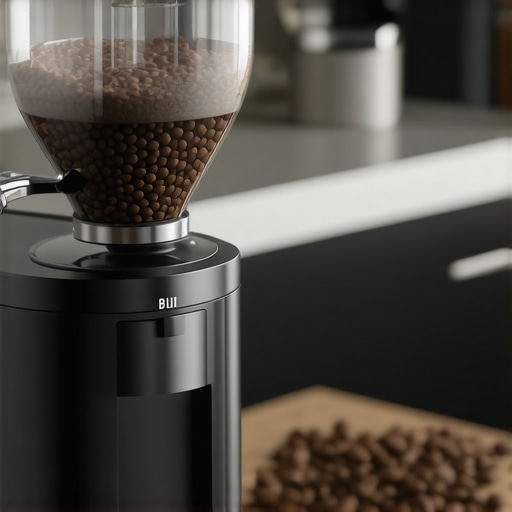
It happened again yesterday morning—my espresso shot tasted flat, uneven, and just plain off. I had meticulously measured my beans, preheated everything perfectly, but that darn grind—every time I thought I had it dialed in—was wildly inconsistent. That moment of frustration hit hard. I realized I wasn’t alone in this mess, and honestly, I had to face it: achieving perfect, uniform grounds for espresso feels like chasing a ghost. If you’ve ever battled with inconsistent grind size or wondered why your espresso doesn’t taste as good as the pros’, then stick around. Today, I’m going to share the breakthrough strategies that finally brought harmony to my grind and could do the same for you.
Why Grind Consistency is the Secret Ingredient We Overlook
One thing I wish I knew earlier is how critical grind uniformity truly is. A study from the Specialty Coffee Association highlights that even slight variations in grind size can dramatically affect extraction quality, leading to sour, bitter, or weak brews. The problem is, many of us settle for a mediocre grinder or trust our intuition—big mistake. Early on, I made the mistake of thinking all burr grinders are created equal. That false assumption sabotaged my mornings for months until I discovered the importance of a high-quality, single-dose grinder that guarantees consistent results. Achieving perfect grind uniformity isn’t just about buying the priciest machine; it’s about understanding what to look for and how to fine-tune your setup. And yes, with the right choices, you can enjoy cafe-quality espresso in the comfort of your own kitchen. Ready for that breakthrough? Let’s dive into what actually makes a grinder great for grind consistency and espresso precision. If you’re tired of wasting beans and frustrated with unpredictable brews, then consider this your wake-up call. For comprehensive tips on how to truly master grind consistency, check out [this detailed guide](https://grinders.espressotechguide.com/mastering-grind-consistency-secrets-from-coffee-expert-baristas). Now, let’s talk about the key features to look for in your perfect grinder.
Selecting the Perfect Burr Grinder
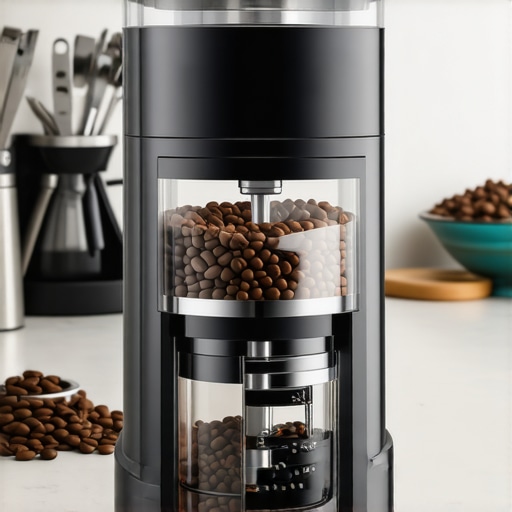
Start by choosing a quality burr grinder, as it provides the uniform particle size essential for consistent extraction. Look for models with stepless grind adjustment and flat burrs, which offer finer control and better precision. In my experience, switching to a compact, single-dose grinder drastically improved my grind uniformity, reducing variability and enhancing flavor. Check out [this guide](https://grinders.espressotechguide.com/best-coffee-grinder-for-grind-consistency-top-tips-tricks-2024-2) for top picks.
Fine-Tuning Your Grinder Settings
Once you’ve selected your grinder, experiment with grind size to find the sweet spot for your beans and machine. Start with manufacturer recommended settings, then make small adjustments—no more than a quarter turn—testing each variation. I once spent an afternoon dialing in my grinder, taking notes on each setting; this process revealed that a slightly coarser grind yielded more balanced extractions. Remember, consistent tuning is key, so record your ideal settings.
Consistent Dosage Method
Use a scale to measure your coffee dose precisely each time, ideally single dosing directly into the portafilter. This prevents overfilling or underfilling that can lead to uneven density and extraction issues. I equipped my setup with a digital scale, and within a week, I noticed my shots became more predictable. For best results, see [this detailed guide](https://grinders.espressotechguide.com/ultimate-guide-to-single-dose-burr-coffee-grinders-for-espresso-5) for tips on dosing accuracy.
Proper Distribution and Tamping
Distribute the grounds evenly in the portafilter before tamping to avoid channeling. Use a calibrated tamper to apply consistent pressure—around 30 pounds—ensuring the coffee bed is level and firm. During my trials, I noticed that inconsistent tamping caused wild variations in shot quality, making the process frustrating. Practicing even tamping pays off immediately in smoother, more consistent shots.
Routine Maintenance and Cleaning
Regularly clean your grinder to prevent oil and coffee residue buildup, which can affect grind size over time. A clogged grinder can cause uneven particle size and poor extraction. I schedule a full clean every month, including burr replacement when necessary. This maintenance keeps my grinder performing at peak consistency, echoing the advice in [this comprehensive maintenance guide](https://grinders.espressotechguide.com/how-burr-grinders-elevate-your-espresso-flavor-in-2025). Use a brush and grinder cleaning pellets to simplify the process.
Shooting for Repeatability
Implement a routine that combines precise dosing, grind adjustment, distribution, and tamping. Before brewing, double-check your settings and calibration. I created a checklist that I follow for each shot—accuracy in every step ensures each espresso is as good as the last. Consistency isn’t achieved through magic but disciplined execution of these core techniques.Many home baristas believe that selecting a high-quality burr grinder automatically guarantees perfect grind uniformity, but in practice, there’s more nuance involved. A common myth is that once you find the right burr grinder, your work is done; however, subtle factors like inconsistent dosing, insufficient calibration, and neglecting grinder maintenance significantly undermine grind consistency. These overlooked details can cause variable particle sizes, leading to over- or under-extraction, which manifests as sour or bitter espresso.
Contrary to popular belief, achieving true grind uniformity is not solely about equipment quality but also about mastering routine calibration and understanding your grinder’s behavior. For instance, many assume that flat burr grinders inherently produce better consistency than conical ones, but recent studies and expert insights reveal that proper setup and maintenance matter more than burr shape alone. Regular cleaning prevents oil buildup and bean residue from altering grind size over time, a mistake that many fall into, thinking their grinder is “faulty” when it’s simply dirty.
Another subtle yet critical aspect is grind setting adjustments. A tiny turn of the grind size dial might seem negligible, but in reality, such minor changes can have outsized effects on extraction. Advanced users often overlook the importance of recording and precisely replicating these adjustments.
Why do small calibration errors lead to significant flavor shifts in espresso?
Because espresso extraction is highly sensitive to grind size, even a slight inconsistency can dramatically shift the extraction curve. A ground particle size distribution that isn’t uniform causes uneven flow through the coffee bed, resulting in channeling or incomplete extraction. Studies from the Specialty Coffee Association underscore that meticulous calibration, coupled with single-dose grinding practices, enhances uniformity and flavor stability. For those serious about elevating their espresso game, diving into the nuances of grinder calibration and workflow optimization is essential. To explore these advanced techniques, check out [this comprehensive guide](https://grinders.espressotechguide.com/mastering-grind-consistency-secrets-from-coffee-expert-baristas). Remember, grind consistency isn’t just about the machine; it’s about the consistency of your process.
Have you ever fallen into this trap? Let me know in the comments.Maintaining a high level of grind consistency over time requires careful attention to your equipment and methods. One of the most reliable tools I use is a digital scale integrated with my grinder setup, ensuring each dose is precise and reproducible. I personally trust the [Best Single Dose Burr Coffee Grinders for Consistent Espresso in 2024](https://grinders.espressotechguide.com/best-single-dose-burr-coffee-grinders-for-consistent-espresso-in-2024-2), which offer superior control and minimal retention, making regular calibration straightforward. To ensure long-term results, I recommend setting a routine for cleaning your burrs every 100-200 shots, depending on your bean oil content, using dedicated grinder cleaning tablets. Regular maintenance prevents oil residues from clogging the burr mechanism, which can lead to uneven particle sizes and unpredictable fines. Additionally, swapping out worn burrs every 1,000 to 2,000 kilograms of coffee ensures your grinder performs optimally. As for software, some models now come with calibration apps or firmware upgrades—these tools help fine-tune grind settings and reduce drift, especially when changing beans or roast levels. Looking ahead, I predict that smart grinders with integrated sensors and AI-driven calibration will dominate the market, making it even easier to maintain perfect consistency with less manual intervention.
How do I maintain grind consistency over time?
The key is establishing a disciplined routine: clean your grinder thoroughly after every few batches, regularly calibrate the grind settings, and replace burrs proactively. Labeling and documenting your ideal settings for different beans or roast levels will save you troubleshooting time and keep your results predictable. Also, consider investing in a high-quality, predictable grinder like the [Best Coffee Grinder for Grind Consistency Top Picks](https://grinders.espressotechguide.com/ultimate-guide-to-single-dose-burr-coffee-grinders-for-espresso-5), which minimizes drift and simplifies calibration. Remember, equipment maintenance isn’t just about cleaning; it’s about understanding your grinder’s behavior and acting before small issues become major setbacks. Consistency is a moving target, but with these tools and habits, you’ll keep your espresso tasting consistently excellent day after day. Try adopting a regular burr cleaning schedule or upgrading to a model with digital calibration assistance to push your grind precision even further.
What I Didn’t Expect About Consistency and the Single Dose Ritual
One of the most eye-opening lessons I discovered is how even small distractions during grinding can ruin your entire shot—it’s all about concentration and routine. I used to think a good grinder alone could fix all issues, but I learned that consistency in dosing and tamping are equally crucial, transforming my espresso quality. Another insight was realizing that grinders need routine calibration—it’s not a one-and-done deal. Regularly recording settings has saved me so much guesswork and salvaged countless pulls. Lastly, I found that investing in maintenance tools and staying disciplined about cleaning extends my grinder’s lifespan and keeps my grounds uniform. These lessons, learned through personal trial, now underpin my daily espresso craft and can do the same for you.
![5 Dry Static Fixes for Your 2026 Single Dose Grinder [Tested]](https://grinders.espressotechguide.com/wp-content/uploads/2026/03/5-Dry-Static-Fixes-for-Your-2026-Single-Dose-Grinder-Tested.jpeg)