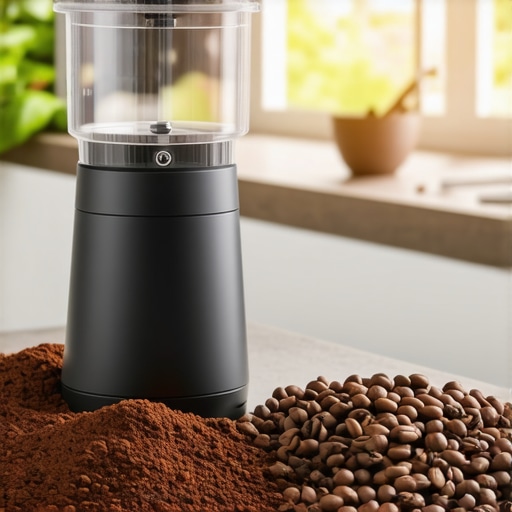
It was a typical morning when I realized my espresso shots had lost their magic. The rich aroma was there, but the flavor was flat, muddled, and frustrating. I was certain I had my coffee routine nailed—until inconsistency crept into my grind, making each cup a gamble. That lightbulb moment hit me hard: my grinder, the unsung hero of my espresso game, was the real culprit.
Why Consistent Grinding Is the Secret to Excellent Espresso
For years, I underestimated the importance of a quality grinder. I thought good beans mattered more, or maybe a fancy espresso machine. Turns out, without a precise, reliable grinder, even the best beans can’t shine. The difference between a good shot and a great one often boils down to grind consistency. Burr grinders specifically are known to deliver uniform grounds, crucial for extracting the full flavor and aroma. An inconsistent grind leads to uneven extraction, resulting in bitter or sour flavors that ruin your morning ritual.
Why does this matter so much now in 2024? Because advancements in grinder technology mean you can achieve barista-level consistency at home—if you pick the right equipment. But making that choice isn’t always straightforward. I’ve made my share of rookie mistakes, such as opting for a cheaper blade grinder thinking it would do the job. Trust me, that’s a recipe for disappointment. To truly elevate your espresso game, understanding what makes a good grinder and how it impacts flavor is essential. Curious how to choose the best fit for your setup? I’ll guide you through it.
Is All the Hype About Grinders Really Justified?
I used to believe that upgrading my grinder wasn’t necessary, especially when I was just starting out. That was a mistake. Many beginners overlook the crucial role of grind uniformity. According to coffee experts, investing in a quality burr grinder can dramatically improve your espresso’s taste and consistency. Having experienced firsthand how a subpar grinder can sabotage your efforts, I’m here to tell you—it’s worth the investment.
Are you tired of inconsistent espresso shots? Have you faced the frustration of over-extracted or under-extracted brews, no matter how perfect your technique or beans are? If so, you’re not alone. But the good news is, with the right grinder, you can turn this around. Next, let’s explore what to look for in a grinder that can deliver consistent results every single time, transforming your mornings and impressing everyone who drinks your coffee.
,
Pick the Right Grinder to Start
Choosing a high-quality burr grinder is your first step. Think of it like a precision cutting tool—its ability to produce uniform grounds depends on the burrs’ quality and design. Opt for a flat or conical burr grinder, as these tend to create more consistent particle sizes than blade grinders. When I upgraded to a top-rated burr grinder, I immediately noticed a smoother espresso shot with less bitterness and sourness.
Adjust the Grind Settings Precisely
Getting your grind dialed in requires precision. Use the grinder’s micrometric adjustment—think of it as fine-tuning a musical instrument—to set the particle size. Small, incremental changes can make a dramatic difference. I recommend starting with the recommended grind size for espresso and then adjusting in tiny steps, tasting each time. Remember, too fine a grind causes over-extraction, while too coarse leads to under-extraction. Check out this guide for expert tips on dial-in techniques.
Use the Single Dose Method
Single dosing involves measuring exactly how much coffee you grind, preventing stale or uneven grounds. Imagine pouring a precise amount of flour for a cake—accuracy matters. I adopted this method with a single-dose grinder, which allowed me to keep each shot consistent and fresh. The process entails weighing your coffee with a digital scale, then grinding directly into your portafilter or filter basket.
Calibrate Regularly
Even the best grinders drift out of calibration over time. To maintain consistency, regularly check and adjust your grind settings. This is like tuning a guitar before each performance—it ensures your espresso always hits the right notes. Keep a record of your adjustments, so you can quickly return to the perfect setting when needed.
Control the Grind Environment
Ambient factors such as humidity and temperature influence grind quality. Store your beans in an airtight container away from heat and moisture. Doing so preserves freshness and consistency. When I started paying attention to storage, I noticed fewer fluctuations in grind size, making my brewing routine more predictable and reliable.
Consistently Fine-tune Your Routine
Every espresso shot offers insights. Tasting each cup helps identify if your grind needs slight tweaks. Keep notes on grind size, dose weight, and extraction time. Over time, this disciplined approach turns into muscle memory, turning what once was guesswork into a repeatable art. Refer to barista secrets for ways to refine your technique further and perfect your rhythm.
Many passionate home baristas believe that selecting a burr grinder or dialing in the grind size is enough to ensure perfect espresso shots. However, the truth is, there’s a complex layer of nuances that often go unnoticed, leading to subpar results even with premium equipment. For instance, most people assume that consistent grind size alone guarantees flavor, but factors like burr geometry, grinder calibration, and even environmental influences can significantly impact grind stability.
Why Do Some Grinders Perform Better Over Time Than Others?
Research from industry experts suggests that the design of burrs and the quality of materials used directly affect long-term consistency. Swapping out a used or poorly calibrated grinder for a high-end model may seem like a quick fix, but overlooking calibration practices and environmental controls can negate the benefits. Moreover, many enthusiasts fall into the trap of believing that all single-dose grinders are equally effective; in reality, subtle differences in motor power, cooling, and grind retention can make or break your brewing precision. Have you ever fallen into this trap? Let me know in the comments.
Another common misconception revolves around the myth that grind uniformity is the only factor for extraction success. While essential, the the variable of particle shape—roughly categorized as angular versus rounded—also influences water flow and extraction efficiency. Studies indicate that grinders with sharper, more angular burrs produce more uniform particles, leading to better shot consistency. This nuance often gets ignored by amateurs who focus solely on particle size distribution. For advanced enthusiasts, understanding these hidden differences can elevate your espresso game to a professional level.
How Can You Prevent Your Grind from Drifting and Losing Precision?
Regular calibration is crucial. Just as a high-performance vehicle benefits from routine tuning, your grinder’s accuracy diminishes as burrs wear down or as environmental conditions change. Implementing a schedule to recalibrate your settings—especially after maintenance or over extended use—is key to maintaining consistent results. Remember, a slight deviation in grind size can turn a well-extracted shot into a sour or bitter disappointment. It’s not just about equipment; it’s about controlling every variable to master the art of espresso. To explore more about achieving consistent grind quality, check out expert tips here.
Tools I Trust to Keep My Grinder in Peak Condition
Maintaining a high-quality coffee grinder isn’t just about occasional cleaning; it requires the right tools and routine practices. One essential tool I swear by is a dedicated burr cleaning brush, which effortlessly removes residual coffee grounds from burrs and hard-to-reach crevices, ensuring consistent grind size over time. I also use a digital gram scale to precisely measure coffee doses, minimizing variables and enhancing grind consistency. For routine calibration checks, I keep a set of grain mills or calibration gauges handy to verify that my grinder settings haven’t drifted, especially after extensive use or maintenance.
Why Regular Maintenance Matters for Long-Term Results
Consistency in espresso extraction depends heavily on how well you maintain your grinder. Over time, burrs wear down, oils and old coffee residues build up, and calibration can shift—each factor threatening to throw off your grind. Regular cleaning with the right tools, such as specialized burr cleaning tablets, can prevent oils from clogging the mechanism, preserving the precision of your grind. Moreover, frequent calibration ensures your settings remain accurate, adapting to any wear or environmental changes, just like tuning a musical instrument before each performance. According to industry experts, disciplined maintenance is the secret to sustaining barista-level results at home.
How do I maintain my grinder over time?
Developing a routine that includes deep cleaning every few weeks, checking burr alignment, and calibration resets can dramatically extend your grinder’s lifespan and ensure every shot remains top-notch. Using tools designed specifically for burr grinders makes this process straightforward and effective, preventing small issues from escalating into performance problems. Remember, a well-maintained grinder isn’t just a tool—it’s a cornerstone of your craft, and investing time in its upkeep pays dividends in flavor and consistency. I encourage you to try integrating a monthly cleaning routine with dedicated tools. It’s a simple step that yields long-term rewards, elevating your home espresso to new heights.
The Hidden Lessons Behind Flawless Espresso
One of the most impactful lessons I learned was that even the most advanced equipment can’t compensate for inconsistent grinding. It’s easy to overlook the subtle signs that your grind isn’t uniform, but paying close attention to changes in shot extraction can reveal deeper issues. For example, a slight shift in flavor or crema quality often hints at calibration drift, emphasizing the importance of regular check-ins with your grinder. Recognizing these small cues has transformed my approach from guesswork to a precise craft.
Another realization was that environmental factors—like humidity and ambient temperature—are silent influencers of grind consistency. I used to dismiss these as negligible, but now I understand they can subtly alter grind size and coffee freshness. Storing beans properly and scheduling routine calibrations during stable conditions help me maintain optimal extraction quality. These personal insights highlight how mastering espresso isn’t just about equipment—it’s about cultivating an awareness of every detail that impacts flavor.
Finally, I discovered that continuous learning and adaptation are key. Tasting each shot and keeping detailed notes moves you closer to replicating that perfect brew consistently. Experimenting with slight adjustments in grind size or dose weight based on these observations deepened my understanding. My takeaway: becoming a true home barista involves embracing a mindset of curiosity and precision, turning everyday brewing into an enjoyable journey of mastery.
My Go-To Gear for Consistent Espresso Excellence
Over the years, I’ve curated a set of tools that keep my grind consistent and my routine efficient. A dedicated burr cleaning brush is indispensable; it ensures my burrs stay free of residual oils and grounds, preventing flavor contamination. Pairing this with a top-rated burr grinder has radically improved my extraction consistency. Additionally, a digital gram scale allows me to measure precise doses, minimizing variability and elevating my espresso quality with each shot.
Regular calibration tools like grain mills and calibration gauges are also part of my arsenal. They help me catch any deviations early, ensuring my grinder remains in peak condition. These investments—though simple—are proven to deliver long-term dividends in flavor stability and brewing confidence. I believe that intentional tool selection and maintenance are as vital as the coffee beans themselves for achieving barista-level results at home.
Keep the Momentum Going
Embarking on your espresso mastery journey is a rewarding challenge. Every small tweak—be it adjusting your grind or refining your tamp—contributes to a more consistent and flavorful cup. Remember, the path to perfecting your craft involves patience, curiosity, and a willingness to learn from each shot. If you’re excited to elevate your home espresso game, explore the detailed guides and tools recommended throughout this article. Your future self will thank you for the pursuit of excellence at every step.
What has been your biggest revelation in achieving grind consistency? Share your experience below, and let’s grow together in the art of perfect espresso!
![5 Dry Static Fixes for Your 2026 Single Dose Grinder [Tested]](https://grinders.espressotechguide.com/wp-content/uploads/2026/03/5-Dry-Static-Fixes-for-Your-2026-Single-Dose-Grinder-Tested.jpeg)
One response to “Best Coffee Grinders for Consistent Espresso & Single Dose in 2024”
Reading this article really resonated with me, especially the part about regular calibration and maintaining the grinder for consistency. I used to overlook the importance of sharpening my routine and just relied on the initial settings, but over time I noticed a decline in shot quality. Since adopting a weekly calibration schedule and cleaning my burrs with specific tools, my espresso shots have become remarkably more consistent and flavorful. It’s fascinating how environmental factors like humidity can subtly affect grind size and extraction—something I’ve been paying attention to lately. I’m curious, has anyone experimented with different grinder materials or burr designs to see how they impact long-term consistency? It seems like there’s a lot of subtle technology that makes a big difference, beyond just the grind size. I’d love to hear other home baristas’ experiences with optimizing their equipment and routines to keep that perfect shot flowing.