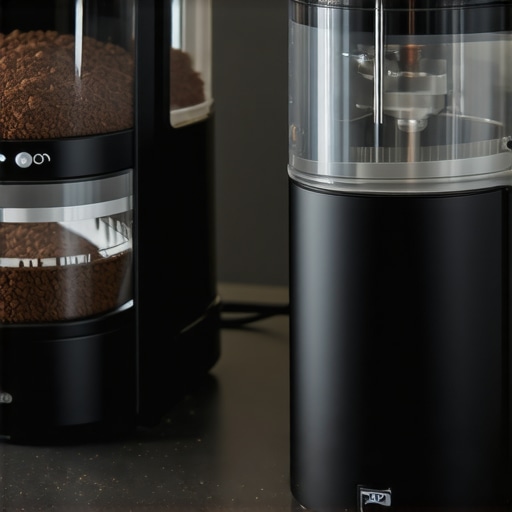
It was early morning, and I was gearling up for my perfect espresso shot. I measured my beans, adjusted my grinder, and pressed start—but what came out was a murky, uneven mess. That frustration hit hard. I had spent so much time researching the best beans, the perfect tamp, but overlooked one crucial element: my grinder’s consistency. It was a lightbulb moment.
If you’ve ever had a similar experience, you know how disheartening it can be. No matter how much effort you put into sourcing top-quality coffee, if your grinder isn’t up to the task, your brew suffers. The secret isn’t just in the beans or technique; it’s in mastering your grinder, especially when it comes to single dose and burr models.
Today, we’re diving into the world of coffee grinders—specifically the best single dose and burr grinders in 2024. I’ll share my journey, mistakes I’ve made, and how I finally achieved consistent, flavorful espresso shots that keep me coming back every morning. This guide promises to demystify grind consistency, helping you avoid common pitfalls and elevate your home brewing game.
Why Grind Consistency Really Matters for Your Coffee
Imagine pouring your favorite brew, only to get a cup that tastes different every single time. Inconsistent grinds lead to under-extraction or over-extraction, which drastically alters flavor. According to a study published in the Journal of Food Science, grind size uniformity can improve extraction efficiency, resulting in richer flavors and more balanced coffee. That’s not just coffee snob talk—it’s science.
Early on, I made the mistake of thinking all grinders were created equal. I bought a cheap blade grinder thinking it wouldn’t matter much—big mistake. Blade grinders produce uneven grounds, causing unpredictable extraction. Switching to a quality burr grinder made a world of difference, but I still struggled with single dose setups, where precision is everything.
One key lesson I learned? Consistency isn’t just about buying the most expensive grinder. It’s about understanding the features that promote uniformity—like burr size, grind adjustment mechanisms, and how the grind chamber is designed. Want to learn how to pick the right grinder for your needs? Check out [this comprehensive guide](https://grinders.espressotechguide.com/ultimate-guide-to-single-dose-burr-coffee-grinders-in-2024) for in-depth insights.
If you’re nodding along, having faced similar frustrations, don’t worry—you’re not alone. The good news? With the right knowledge, you can fine-tune your setup and finally get those consistent grounds that make every shot worth savoring.
Next, we’ll explore specific tips and tricks to achieve maximum grind uniformity, so stay tuned and let’s turn your coffee dreams into reality.
Get the Grinder Ready for Precision
Start by ensuring your burr grinder is clean and well-maintained. Residual coffee oils and old grounds can clog the burrs, leading to inconsistent particle sizes. Use a brush or a cleaning tablet designed for grinders to clear out any buildup.
Calibrate Your Grind Settings
Set your grind size to a medium-fine as a starting point, then adjust gradually. Think of your grinder like a camera: small tweaks can dramatically affect your shot quality. Record the exact setting you settle on, so you can replicate it consistently.
Use the Single Dose Technique Carefully
Measured dosing is crucial. Use a scale to weigh your beans—aim for around 18-20 grams for espresso. When loading beans into a single dose hopper, ensure it’s filled evenly without overpacking, which can cause uneven grinding. I once overfilled mine, leading to uneven grounds and underwhelming espresso; since then, I’ve stayed precise.
Perform Uniform Tamping and Loading
After grinding, distribute the grounds evenly in the portafilter. Tamping pressure should be firm but consistent—think of pressing a button firmly but gently. Inconsistent tamping causes uneven extraction, ruining your carefully calibrated grind size.
Implement Reproducible Grinding Habits
Hold the grinder handle or beans in the same way each time. For example, if your grinder has a lever, always press it with the same force. Also, grind at the same speed; varying your speed can lead to inconsistent particle sizes. One morning, I hurried through my grind, resulting in a more uneven particle distribution. Slowing down improved my consistency.
Adjust Based on Taste and Extraction
If your shots are tasting bitter or sour, fine-tune your grind size. A finer grind slows extraction, while a coarser grind speeds it up. Track these adjustments meticulously. For instance, when I noticed my espresso becoming too bitter, I coarsened my grind slightly, which restored balance. Regularly tasting and adjusting is vital for mastering consistency.
Leverage Equipment for Precision
Invest in a high-quality flat burr grinder designed for single dosing, as it offers superior uniformity. Models listed in this guide are excellent options. A good grinder minimizes variation, making your workflow smoother.
Practice, Record, Refine
Consistency comes with practice. Keep a log of settings, times of day, and your observations. Over time, you’ll identify subtle factors—like ambient humidity or bean freshness—that affect grind quality. During one session, I noticed my grind was slightly coarser in the afternoon; adjusting accordingly improved my results.
Many home baristas and hobbyists often assume that selecting a high-quality grinder automatically ensures perfect grind consistency. However, this belief overlooks critical nuances that can make or break your espresso shot. For instance, a common misconception is that burr grinders with larger burrs always produce superior grounds. While better in some aspects, this isn’t the whole story; factors like burr design, material, and grind mechanism precision play vital roles in achieving uniform particle sizes. It’s also tempting to think that single dose grinders eliminate all inconsistency issues, but without proper calibration and technique, they can still produce uneven grounds. A frequent trap is neglecting regular maintenance; residual oils and old grounds can significantly affect grind uniformity, as highlighted in [this detailed review](https://grinders.espressotechguide.com/how-burr-grinders-elevate-your-espresso-flavor-in-2025). Moreover, advanced users should be aware of the impact of grind motion speed and consistency during operation. Slow, controlled grinding reduces the formation of fine particles and uneven sizes, which directly influences extraction quality. Some believe that dialing in the setting once suffices, but minute environmental changes—like humidity or bean freshness—necessitate ongoing adjustments. Have you ever fallen into this trap? Let me know in the comments. Breaking free from these misconceptions requires a keen understanding of mechanical factors and proper technique—it’s not just about owning a premium grinder but mastering its nuances for optimal results. For those wanting to dive deeper into optimizing their setup, I recommend exploring [this ultimate guide](https://grinders.espressotechguide.com/mastering-grind-consistency-secrets-from-coffee-expert-baristas), which covers advanced tips for achieving consistent grind quality every time.Maintaining your coffee grinder is crucial for preserving grind consistency and ensuring each espresso shot tastes just right. Regular cleaning removes residual oils and old grounds that can clog burrs and cause uneven particle sizes, which directly impacts extraction quality. Personally, I use a dedicated grinder cleaning tablet every 40-50 pounds of coffee, following the manufacturer’s instructions—this approach keeps my burrs performing at their best and prevents flavor transfer from old grounds. In addition, periodically checking the burrs for wear and replacing them when necessary is vital; worn burrs produce inconsistent grind sizes. For precision adjustments, I rely on a digital caliper to verify burr spacing, especially after extensive use or maintenance, where small deviations could introduce variability. Predicting future trends, I believe smart grinders integrated with IoT sensors will become standard, allowing real-time monitoring and automated calibration to sustain maximum consistency. Want to ensure your grinder stays in peak condition? Implement a routine cleaning schedule combined with burr inspections every 6-12 months. How do I maintain my grinder over time? I prioritize regular cleaning, precise calibration, and proactive wear replacement—steps that have dramatically improved my grind uniformity and espresso flavor. For more detailed maintenance techniques, see [this comprehensive guide](https://grinders.espressotechguide.com/how-to-maintain-coffee-grinders-for-best-results). An often overlooked tip is to calibrate your grinder after any change in ambient temperature or humidity, as these factors subtly influence burr expansion and contraction, affecting grind precision. So, next time you’re preparing for your brew, try a deep cleaning session followed by a burr calibration to boost your grind consistency — your taste buds will thank you.
The Hardest Lesson I Learned About single dose grinder,coffee grinder,burr grinder,espresso grinder,grind consistency
One of the most profound lessons I discovered was that even the most advanced grinder can’t compensate for inconsistent technique or neglect. I once thought that a top-tier burr grinder would automatically deliver perfect grounds, but I was mistaken. Regular calibration and attentive maintenance proved crucial after I neglected these steps during a busy week, resulting in shots that tasted off. That experience taught me that mastery involves ongoing care and mindful adjustments—it’s a personalized dance with your specific grinder.
3 Myths About single dose grinder,coffee grinder,burr grinder,espresso grinder,grind consistency That Held Me Back
- You don’t need to clean your grinder often: I used to think occasional cleaning sufficed, but residual oils really impair grind uniformity. Regular deep cleans are essential.
- Bigger burrs always produce better grounds: Size isn’t everything—precision and burr design matter more than just size, influencing your grind consistency significantly.
- Once calibrated, your grinder doesn’t need further adjustments: Environmental changes, bean differences, and time require ongoing tweaks—don’t assume calibration is a one-time fix.
What Experts Won’t Tell You About single dose grinder,coffee grinder,burr grinder,espresso grinder,grind consistency
Many seasoned baristas keep quiet about the subtle art of dynamic adjustment. For example, slight changes in humidity can alter grind behavior, demanding small but precise modifications. I’ve learned that observing extraction flow and flavor nuances is invaluable for dialing in perfectly consistent grinds. Additionally, investing in tools like measurement devices or calibration tools can elevate your consistency to professional levels. Remember, achieving espresso perfection isn’t just about equipment—it’s about understanding and responding to the ever-changing environment and your specific beans.
![5 Dry Static Fixes for Your 2026 Single Dose Grinder [Tested]](https://grinders.espressotechguide.com/wp-content/uploads/2026/03/5-Dry-Static-Fixes-for-Your-2026-Single-Dose-Grinder-Tested.jpeg)