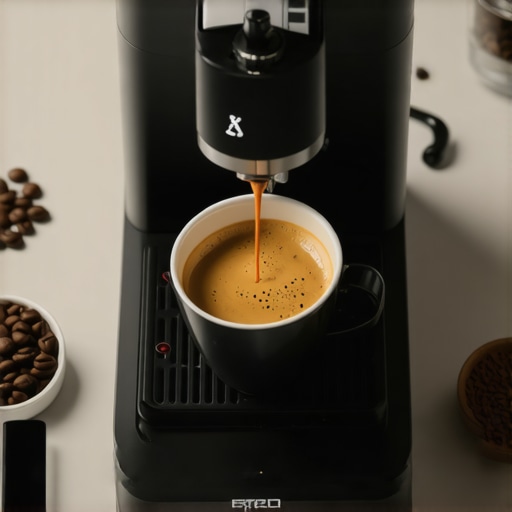
Have you ever pulled a perfect shot of espresso—rich, aromatic, and velvety—only to find the next day’s brew falling flat, inconsistent, or dull? I used to think it was just luck or the coffee beans’ fault. But after countless mornings of frustration, I realized that the real culprit was my grinder—or more precisely, the inconsistency in my grinding process. That lightbulb moment changed everything for me.
Why Consistent Grinding Matters More Than You Think
When I first dove into the world of espresso, I was dazzled by the machines and the beans. What I overlooked was the importance of the grind itself. Turns out, a tiny variation in grind size can significantly impact flavor. According to coffee science research, even a 0.02mm difference in grind size can alter extraction by a startling 25%.
This means that without consistent grinding, your shots will vary wildly—some perfect, others disappointing. That’s where a single dose burr grinder can be a game-changer. These grinders allow precise control, ensuring you get a uniform particle size every time, leading to more predictable, flavorful espresso shots.
Are Single Dose & Burr Grinders Truly Worth the Hype?
I admit, I was skeptical at first. My early mistakes, like overfilling the hopper or skipping regular cleaning, taught me that gear alone isn’t a magic fix. For example, I once thought that upgrading to a fancy grinder would instantly improve my espresso. Instead, I learned that regular maintenance and understanding how to use these tools correctly matter just as much. For more insights, check out mastering grind consistency.
So, today, I promise to share practical tips to help you avoid common pitfalls and start brewing with confidence. Whether you’re new to single dose grinders or looking to refine your process, the journey to perfect espresso starts here. Ready to turn your coffee routine around? Let’s dive in!
Set Your Grinder Properly
Start by choosing a high-quality espresso grinder with stepped burrs for easy adjustments. Turn it on and set it to a medium-fine grind, similar to powdered sugar. Don’t rush this initial step; it forms the foundation for consistency.
Tare Your Scale and Dose Accurately
Place a small digital scale under your grinder’s chute. Weigh an initial dose, typically 18-20 grams for espresso. Use the single dose grinder technique: measure before grinding, not after, to ensure precise control.
Adjust for Consistent Particle Size
Because burr grinders are precision tools, focus on exact adjustments—tiny revolutions matter. To fine-tune, grind a small batch, then check the particle size visually or with a particle comparison. Adjust your grind by a quarter turn if needed. Remember, consistency comes from making minimal, deliberate tweaks each time.
Use a Single Dose Technique
Instead of grinding into a hopper, use a single dose method: measure the exact dose first, then grind directly into your portafilter. This reduces the variables that cause unevenness. I once had a messy morning trying to pour beans into the hopper; switching to a single dose flow saved my shot and reduced waste.
Maintain Your Grinder Regularly
Clean your burrs and hopper weekly to prevent oil buildup that can alter grind size. Use a brush or compressed air—any clog or residual oil can cause inconsistent particle size. For detailed cleaning steps, visit our contact page if you need personalized advice.
Test and Calibrate Frequently
After adjustments, run a test shot. Use consistent technique, then taste and observe extraction. If your shot pulls too fast or slow, fine-tune the grind again, making incremental changes. Document your settings so you can replicate them for each brew session. For in-depth tips, see this guide.
Keep a Grinder Log
Record each adjustment, dose, and taste result. Over time, patterns emerge that tell you the best settings for your beans and machine. This habit reduces guesswork and improves consistency. I found that after documenting my adjustments, I could dial in a shot in fewer pulls, saving time and coffee.
Fine-tune with Your Beans
Different beans, roast levels, and humidity require slight tweaks to your grind. Always adjust slightly when switching beans to maintain consistency. Use your last successful grind as a baseline and make small modifications as needed. This iterative process ensures each shot is as good as the last.
” alt=”Barista adjusting espresso grinder” title=”Barista fine-tuning an espresso grinder”>Even experienced baristas often believe that setting the grinder once is enough for perfect espresso extraction. In reality, grind consistency is a moving target influenced by factors like bean freshness, humidity, and wear on burrs. Many assume their burr grinder maintains an even particle size over time, but subtle changes occur that can significantly impact flavor. Regular calibration, such as checking particle size visually or with a comparison tool, is essential to keep performance sharp. Overlooking this nuance is a common mistake that leads to inconsistent shots despite a seemingly optimal grind setting. Advanced users know that a burr grinder’s performance can drift, especially in high-use environments or with variable beans, making ongoing attention crucial. According to research by coffee science experts, even slight variations in burr alignment or burr wear can cause particle size distribution to broaden, leading to uneven extraction. This means that even with a precise initial setup, your espresso can suffer if you neglect regular maintenance and calibration. To truly master grind consistency, invest in regularly cleaning and inspecting your burrs, and keep detailed logs of your adjustments. Remember, achieving consistent flavor isn’t just about equipment—it’s about understanding and controlling these hidden variables that influence grind performance. Don’t get lulled into complacency; the devil is in the details. Have you ever fallen into this trap? Let me know in the comments.Maintaining your espresso grinder and tools is crucial for long-term grind consistency and exceptional flavor. Regular cleaning prevents oil and residue buildup that can clog burrs and alter particle size, leading to uneven extraction. Personally, I swear by scheduling a deep clean every two weeks using a dedicated brush and compressed air—tools highly recommended by seasoned baristas to keep equipment running smoothly. Investing in a reliable cleaning kit, like the Mazzer Grinder Cleaning Tablets, can simplify this process and extend the lifespan of your burrs. Additionally, calibration must be an ongoing practice; regular adjustment and visual inspection ensure your grinder maintains its precise particle distribution. I also use a professional calibration service once a year for fine-tuning, especially when switching bean varieties or after significant burr wear.
Sustainability is another aspect gaining attention—using long-lasting components and performing routine maintenance reduces waste and saves money over time. Looking ahead, advancements like DIAA’s smart grinder calibration technology could automate these adjustments, making consistency effortless. To stay ahead, I suggest trying out a single dose grinder with integrated calibration features—this can significantly cut down your maintenance time.
### How do I maintain my grinder over time?
Set a schedule for cleaning, calibration, and component inspections. Keep a log of adjustments and performance to identify patterns and preempt issues before they impact your shots. Incorporate regular professional checkups and consider upgrading to models with smart features for future-proofing. Consistent maintenance not only preserves your gear but ensures every shot is just as flavorful as the first—so don’t skip these essential steps.
My Biggest Wake-Up Call About Grind Consistency
After countless mornings chasing the perfect espresso, I realized that the culprit wasn’t the beans or the machine but my own inconsistency in grinding. That moment of clarity pushed me to scrutinize every tweak and adjustment, transforming my approach and taste experience.
The Secret No One Tells You About Burr Grinders
While many focus on machine features, I discovered that regular calibration and maintenance of your burr grinder are vital. Small variations in burr alignment or wear can cause bigger flavor differences than you might expect. The real magic happens when you learn to read your grinder and respond proactively.
How I Stopped Wasting Coffee and Time
Adopting a single dose technique drastically improved my consistency. Measuring and grinding directly into my portafilter eliminated variables. Paired with a precise grinder, it became a game-changer for extracting the richest flavors.
What I’ve Learned About Bean Variability and Grind Tuning
Every new bean roast requires subtle adjustments. Keeping a detailed log of grind settings and tasting notes allows me to stay on top of these changes, ensuring each shot remains consistently delicious. This ongoing process has deepened my appreciation for the craft behind the perfect espresso.
The Ultimate Tool for Consistency and Flavor
If you’re serious about mastering your espresso, investing in a high-quality burr grinder with fine adjustment capabilities is essential. Regular cleaning, calibration, and mindful tuning are the keys to unlocking your grinder’s full potential and elevating your coffee experience.
Rise to the Challenge and Savor the Difference
Remember, consistency isn’t a one-time fix—it’s a habit that transforms your coffee routine into an art form. Embrace the process, stay curious, and you’ll discover the profound difference that proper grind control can make. Your best espresso yet is just a fine adjustment away.
So, what’s your biggest grind-related challenge right now? Let me know below — I’d love to hear about your journey toward perfect espresso.
,
![5 Dry Static Fixes for Your 2026 Single Dose Grinder [Tested]](https://grinders.espressotechguide.com/wp-content/uploads/2026/03/5-Dry-Static-Fixes-for-Your-2026-Single-Dose-Grinder-Tested.jpeg)