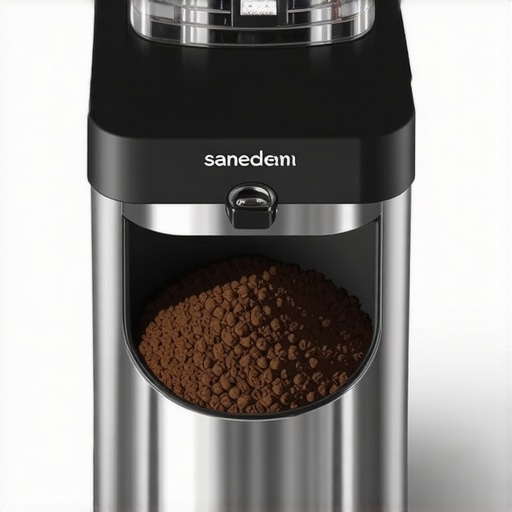
It was a gloomy Tuesday morning, and I was eager to brew my favorite espresso. But as I pulled out my trusty burr grinder, I realized something was off. The grind size was inconsistent—sometimes fine, sometimes coarse, no matter how I adjusted the settings. Frustrated, I took a sip of my underwhelming brew and thought, “Why does my coffee never taste as good as in the cafes?” That lightbulb moment hit me—grind uniformity is the secret ingredient, and I had been neglecting it entirely. If you’ve ever experienced a similar disappointment, you’re not alone. Many coffee enthusiasts struggle with uneven grounds, which can ruin even the best beans.
So, what makes grind consistency so crucial? Well, inconsistent grounds lead to uneven extraction—some particles over-extract while others under-extract—resulting in a muddled flavor profile. This problem becomes even more critical if you’re aiming for that perfect espresso, where every tiny difference counts. According to professional baristas, uniform grind size is foundational for achieving optimal extraction and flavor.
Today, we’re going to dive into practical tips and reviews of the best coffee grinders for grind consistency in 2024. Whether you’re a homebrewer or an aspiring barista, this guide will help you understand what to look for and how to select the right equipment to elevate your coffee game.
Why Grind Uniformity Makes or Breaks Your Coffee Experience
Set Up Your Grinder for Success
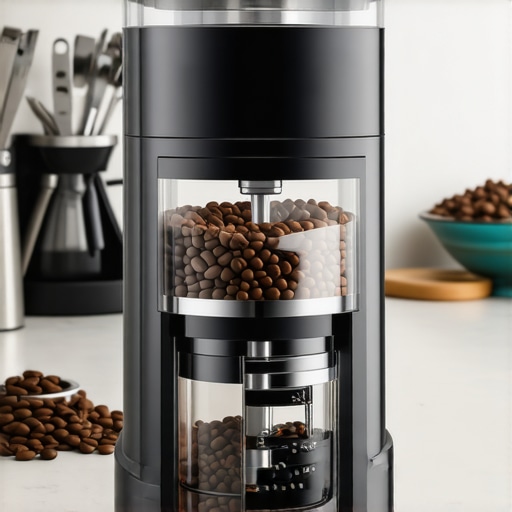
Begin by thoroughly cleaning your grinder to remove any residual coffee oils or dust that can cause inconsistent grounds. Next, select a high-quality burr grinder, as burrs provide a uniform particle size essential for consistency. For maximum precision, consider a single dose grinder, which doses exactly the amount of coffee needed, minimizing variability. I once upgraded to a precision single dose grinder before a weekend coffee comp; the difference was immediate and undeniable—shots pulled more consistently, and flavors sharpened.
Dial in the Grind Size Accurately
Adjust your grinder using consistent, incremental turns—avoid jumping in large steps. Think of your grinder as a fine-tuned instrument; tiny adjustments make big differences. Use a scale to weigh your coffee doses, ensuring you use the same amount each time, which, combined with a consistent grind, leads to better extraction. When I first started dialing in my espresso, I found that making adjustments in 0.1mm increments was crucial; this method has been detailed in our comprehensive guide.
Consistent Calibration Prevents Fluctuations
Regularly calibrate your grinder, especially after cleaning or noticeable performance changes. Use a calibration bar or test a batch of grounds to verify uniformity. When I noticed my shots emerging slightly different each morning, I took a few minutes to recalibrate according to the manufacturer’s manual and found my result stabilized within a few tries. Proper calibration ensures each dose delivers the same grind particle distribution, vital for grind consistency.
Master the Dosing Technique
Switch to a single dose method where you manually dose each shot, avoiding the variability of bulk grinding. This makes it easier to monitor and adjust for consistency. I experimented with single dosing by weighing each dose—initially messy, but with practice, I achieved near-perfect repeatability. For tips and recommended equipment, check our ultimate guide.
Fine-tune Your Distribution and Tamping
Even grounds can produce uneven extraction if not distributed evenly in the portafilter. Use a distribution tool or tap the basket gently to level the coffee. Follow with a firm, even tamp ensuring uniform pressure across the bed. I learned this the hard way when I consistently had channeling; after adopting a distribution technique, my shots became much more uniform in flavor and extraction. Proper distribution and tamping are crucial steps—don’t skip them.
Practice and Log Your Results
Consistency comes with repetition. Keep a journal of your grind settings, doses, tamp pressure, and extraction times. Over time, patterns emerge, and you can fine-tune based on actual performance. When I started documenting, I identified a small adjustment that consistently improved my extraction time by a few seconds, boosting flavor clarity. Record-keeping makes it easier to replicate perfect pulls and troubleshoot inconsistencies quickly. For more detailed methods, consider reviewing the expert barista secrets.
Many coffee enthusiasts and even experienced baristas fall prey to misconceptions about coffee grinders that can sabotage even the best brews. One prevalent myth is that all burr grinders produce the same quality of grounds—that choosing a more affordable model doesn’t significantly impact grind consistency. In reality, the quality and design of the burrs, along with the grinder’s calibration, play a critical role in ensuring uniform particle size, which is essential for proper extraction. Expert insights reveal that even minor differences in burr sharpness and alignment can lead to uneven grounds, ultimately affecting flavor and crema in espresso. Another common mistake is believing that grind size should be set once and never adjusted; however, environmental factors like humidity and bean freshness mean that regular recalibration is necessary to maintain optimal consistency. Moreover, some assume that a single dose grinder is only for precision espresso, but in practice, these grinders help prevent dose variability and degradation of grind uniformity over multiple uses, making them a wise investment for serious home brewers. Beware of the trap that cheap, blade-style grinders can deliver, as they often produce uneven grounds and generate heat that can alter bean flavor, unlike high-quality burr grinders designed for precise, consistent particle sizes. For advanced brewers aiming for perfect extraction, understanding the nuances of grinder calibration and grind distribution can make all the difference. Are you aware of how your grinder’s design influences particle consistency? If not, you might be missing out on elevating your espresso to professional levels. Check out our detailed guide on how burr grinders improve your espresso and avoid common pitfalls that undermine your brewing perfection. Remember, mastering grind precision is an ongoing process—regular maintenance and calibration are key. Have you ever fallen into this trap? Let me know in the comments.Maintaining your espresso grinder is pivotal for long-term grind consistency and optimal flavor extraction. I personally rely on a few specialized tools that make the upkeep process efficient and reliable. First, I recommend investing in a **calibration tool kit** designed specifically for your grinder model. These kits typically include calibration bars and shims that help you verify and adjust burr alignment with precision, preventing drift over time. For example, using a **digital caliper**—preferably one with at least 0.01mm accuracy—allows me to measure burr gap settings accurately after each cleaning, ensuring consistent particle size. Regularly scheduled **cleaning brushes** are also essential; I favor those with stiff bristles to remove coffee oils that can cause uneven grinding. Additionally, I use a **grain cleaning pellet** system that absorbs residual oils and moisture within the burr chamber, prolonging the interval between deep cleans and maintaining sharp burr surfaces. In the future, I predict that smart calibration sensors integrated into grinders will become the norm, providing real-time feedback and reducing manual calibration efforts. This advancement could transform grinder maintenance, making it more foolproof and accessible for home enthusiasts.
How do I maintain my grinder over time to ensure peak performance?
Routine maintenance is key. I schedule monthly cleanings with the right brushes and de-oiling agents, and I periodically verify my burr alignment with calibration tools. This minimizes grind variability and keeps flavor profiles consistent. For detailed procedures, consulting manufacturer support or expert guides—like our recommended ultimate guide to espresso grinders—can be invaluable. Also, consider upgrading to a **single dose grinder** if you seek enhanced consistency and easier maintenance; they are designed for precision and minimize grounds retention, which reduces the need for frequent deep cleans. Keep in mind that regular inspection and calibration directly impact your long-term results, so dedicating time to these practices pays off. For instance, I once increased my filter cleaning frequency after noticing slight deviations in grind size, illustrating how routine checks improve results. If you’re serious about maintaining your equipment, try incorporating a digital caliper into your maintenance routine—having precise measurements helps avoid drift that can undermine your grind consistency. Ready to take your grinder upkeep to the next level? Dive into the details with our guide on how burr grinders elevate your espresso flavor in 2025 and start practicing meticulous calibration today.
Lessons Learned from My Coffee Journey
One of the toughest realizations I had was that even the best beans can’t save a bad grind. Consistency in grind size isn’t just a technical detail—it’s the foundation of flavor. I used to chase finer settings without realizing that tiny tweaks vastly improved my espresso shots. Now, I know that calibration is an ongoing process that requires patience, not just a one-time setup.
Another eye-opener was discovering how environmental factors influence grind size. Humidity, altitude, and even bean age subtly alter grind behavior. Keeping a log of these variables has helped me adapt my technique proactively, rather than reactively battling inconsistent results.
Lastly, I learned that investing in quality equipment—like a good burr grinder—saves money and frustration in the long run. While it might be tempting to opt for cheaper models, the difference in particle uniformity is startling. It’s the secret that elevates your home brewing to professional levels.
My Arsenal of Tools for Unmatched Precision
For anyone serious about achieving grind consistency, I recommend starting with a high-quality burr grinder. The single-dose options are game-changers for precise dosing. I also use a digital caliper for meticulous calibration and a cleaning kit to maintain performance. These tools minimize variability and help me pull consistently delicious shots. Remember, regular calibration checks with these tools provide reassurance that your grind remains on point, even after cleaning or environmental shifts.
Your Next Step Toward Coffee Mastery
Embarking on the journey to grind perfection is challenging but deeply rewarding. When you focus on calibration, invest in quality equipment, and log your results, you start to see significant improvements. The pursuit of grind consistency isn’t just about better flavor; it transforms your routine into an art form. If you’re ready to take your coffee to the next level, check out our comprehensive guide on espresso grinders and experiment with patience and precision. Remember, every great barista started with mastering the basics—your journey begins now! What has been your biggest challenge in achieving grind consistency? Share your story below.
![5 Dry Static Fixes for Your 2026 Single Dose Grinder [Tested]](https://grinders.espressotechguide.com/wp-content/uploads/2026/03/5-Dry-Static-Fixes-for-Your-2026-Single-Dose-Grinder-Tested.jpeg)