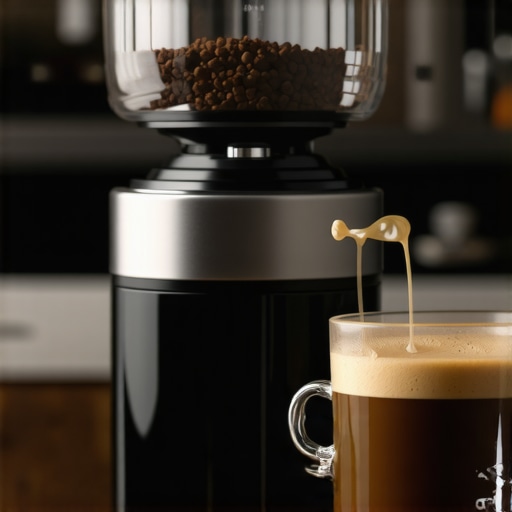
It was one of those mornings where everything that could go wrong did—except my espresso. Despite meticulously selecting my beans and trying my best to grind uniformly, the shot came out sour, under-extracted, and disappointingly inconsistent. I felt that familiar gnawing frustration—why is it so hard to get that perfect, creamy shot every time? That “lightbulb” moment hit me hard: it wasn’t just about the beans or brewing technique; the grind itself was the real culprit. Getting a consistent, precise grind is the secret sauce that can make or break your espresso experience.
Your Path to Consistent Espresso Starts Here
If you’ve ever poured heart and soul into your coffee only to be met with uneven extraction or flavor chaos, then you know what I mean. Trust me, I’ve been there—spending hours adjusting grinders, questioning everything, and still ending up with less-than-stellar results. But here’s the good news: mastering the right grinder, especially a single dose or burr coffee grinder, can simplify that endless cycle of trial and error. When I switched to a high-quality burr grinder tailored for single dosing, my brewing game changed dramatically. Grind consistency, dosing precision, and flavor clarity all improved. And I want you to experience that too.
Is the Buzz About Single Dose & Burr Grinders Overhyped?
Back when I first started, I thought all grinders were basically the same—just grinding for coffee, right? Wrong. Early on, I made the mistake of buying a cheaper blade grinder, thinking it would suffice. Spoiler alert: it didn’t. The inconsistent grind size led to uneven extraction, which only made my espresso taste muddled and flat. That mistake cost me precious coffee aroma and flavor. Now, I know better—quality burr grinders dedicated to single dosing are game-changers, offering precision that’s worth every penny. If you’re skeptical, you’re not alone. Many beginners worry about the investment, but frankly, the difference in taste and consistency is astonishing. Believe me, investing in the right grinder is like upgrading from a bicycle to a sports car—your brew will thank you. Curious how to choose the best grinder for your needs? I’ll walk you through that next, so stay tuned.
Select the Right Grinder to Elevate Your Coffee
Choosing a high-quality burr grinder designed for single dosing is fundamental. Opt for one with flat or conical burrs, as these provide uniform particle size. When I upgraded to a dedicated single-dose grinder, I noticed my espresso became more consistent and flavorful. Review options here: Top Burr Grinders.
Calibrate Your Grinder for Precision
Calibration ensures your grinder produces the same grind size every time. To do this, start by adjusting the grind setting in small increments while measuring the particle size. Use a visual grind size comparison or a particle analysis tool. I personally calibrated mine using a scale to weigh doses, which helped me dial in exactly the right setting. Remember, consistent calibration is key to dependable results. Learn more about calibration techniques here: Enhance Your Brew.
Use Single Dosing Technique Properly
Single dosing involves measuring specific amounts of coffee beans for each shot, reducing variables from bean to bean. Use a digital scale to weigh your beans precisely—aim for the amount recommended for your espresso basket, typically around 18-20 grams. When I first adopted this method, I noticed my shots became surprisingly consistent. Transfer beans carefully with a dosing funnel or scoop, avoiding spills which can lead to uneven dosing. For detailed guidance, check Single Dose Guide.
Master the Art of Tamping and Distribution
Even with perfect grind size, improper tamping can spoil your shot. Apply consistent pressure—around 30 pounds—and use a level tamper to distribute coffee evenly. After dosing, tap the portafilter lightly to settle grounds, then tamp firmly and evenly. I once rushed the tamp and ended up with channeling, ruining my extraction. Practicing a consistent technique ensures uniform flow and extraction. For tips on tamping, visit: Mastering Grind Consistency.
Control Your Brewing Variables
Temperature, pressure, and shot timing all influence extraction. Aim for water temperature around 200°F and a consistent pressure of 9 bars. Timing your shot to extract for about 25-30 seconds helps maximize flavor. Track your parameters with a timer and thermometer—routine control prevents inconsistency. I kept a brewing journal to refine my process, which dramatically improved my espresso quality. For more detailed techniques, see: Ultimate Grinder Guide.
Maintain Your Equipment for Peak Performance
Regular cleaning of your burrs prevents oil buildup and clogging, which can affect grind size. Clean your grinder weekly with a brush or grinder cleaning tablets, and check burr alignment periodically. When I ignored maintenance, my grind consistency suffered noticeably. Establishing a cleaning routine ensured my grinder performed optimally, preserving flavor and precision. Learn maintenance tips at: Grinder Maintenance.
Many espresso enthusiasts accept common beliefs about grinder technology without question, often leading to suboptimal results. One pervasive misconception is that all burr grinders are created equal, but in reality, the nuances lie in burr design—flat versus conical—and their impact on grind consistency. Flat burrs, for example, tend to produce more uniform particle sizes, crucial for even extraction, but might introduce more static and heat during grinding, which can slightly alter flavor profiles. Conversely, conical burrs often run cooler and generate less static, aiding in cleaner flavors. Understanding these subtleties allows you to tailor your grinder choice according to your brewing style for optimal results.
Another widespread myth is that single-dose grinders automatically guarantee precision. While they reduce variables by dispensing measured amounts, many users overlook the importance of proper calibration and dosing techniques. For instance, inconsistent tamping pressure or uneven distribution still occur if you neglect proper technique, leading to channeling and flavor loss. Proper calibration, frequent maintenance, and skilled tamping are essential companions to your grinder’s capabilities. Don’t fall into the trap of believing that equipment alone can compensate for technique—your barista skills influence the final cup immensely. If you’re keen to refine your process further, check out how to choose the best single-dose grinder.
What advanced methods help achieve consistent grind size at scale?
Achieving uniform grind size isn’t just about the grinder—it’s also about advanced calibration and monitoring techniques. Modern grinders equipped with digital interfaces allow for precise adjustments, but manual calibration remains vital. For example, performing particle size analysis using sieves or laser diffraction can quantitatively confirm your grind uniformity, as supported by studies in coffee science. Consistent results hinge on routine calibration, cleaning, and environmental control—like temperature stability—to prevent variability. These practices ensure your grind is predictable, enabling consistent espresso extraction. Want to dive into sophisticated calibration methods? Visit this comprehensive guide for tips.
Remember, mastering your grinder involves understanding its nuances and consistently applying precision techniques. You don’t have to be a professional barista to implement these practices; a keen eye for detail and regular routine make all the difference. Have you ever fallen into this trap? Let me know in the comments.
,
Essential Tools for Maintaining Grind Integrity
To keep your coffee grinder performing at its best, investing in precision tools is a game-changer. I rely heavily on a digital caliper to measure burr gap adjustments accurately. This tool helps me fine-tune my burrs for unparalleled grind consistency, which directly translates to better espresso extraction. Additionally, a small cleaning brush —preferably one designed for grinders— ensures I can easily dislodge coffee oils and residue from those tight spaces where oils tend to accumulate, preserving the grinder’s performance over time.
Routine Maintenance That Pays Off
Establishing a regular cleaning schedule is essential. I typically clean my burrs weekly with grinder cleaning tablets that break down accumulated oils, avoiding flavor contamination. When I first started, I underestimated the importance of this step; now I see the profound difference it makes in grind uniformity. A simple, yet often overlooked practice is calibrating the grinder after every few cleanings, especially when swapping beans or changing roast levels. Routine calibration ensures that your grind size remains consistent, and tools like a particle size comparator can objectively confirm uniformity.
Long-Term Results and Scaling Strategies
As your coffee operation grows, maintaining grind precision becomes more challenging but equally important. Upgrading to a digital grinder with programmable dosing allows for precise, repeatable doses that scale effortlessly. For those interested in automation, integrating a grinder with a software-controlled dosing system can dramatically improve consistency—saving time and reducing waste. I predict that advanced calibration features, possibly controlled through mobile apps, will become standard, enabling remote and real-time adjustments, ensuring your grind remains impeccable regardless of environmental changes.
How do I maintain optimal grind performance over time?
Consistent maintenance starts with a scheduled cleaning routine; I recommend every 1-2 weeks, depending on usage. Always refer to your grinder manufacturer’s guidelines—many, like Baratza, provide detailed instructions and recommended cleaning products. Keep an eye on burr alignment and perform periodic visual inspections for wear or damage. When replacing burrs, opt for certified OEM parts to ensure compatibility and longevity. By tracking your maintenance activities and results, you can fine-tune your routines for continual improvements. To master maintenance routines that match your usage level, consider consulting expert insights on grinding consistency.
Trying out regular calibration with a precise measurement tool and scheduling systematic cleanings is the best way to sustain your grinder’s performance. Remember, a well-maintained grinder isn’t just about taste; it’s the backbone of repeatable, high-quality espresso. For personalized advice or specific troubleshooting, don’t hesitate to contact me. Experiment with advanced calibration methods — such as laser particle analysis — to take your grind uniformity to the next level, a technique supported by coffee science research like the work of Dr. Scott Rao.
Start implementing these maintenance strategies today and notice the difference in your espresso shots. Consistency isn’t an accident — it’s the result of deliberate care and precise tools. Don’t be afraid to invest in the right equipment and routine; your taste buds will thank you.
,
What I Wish I Knew When I Started Playing with Grinder Settings
The biggest revelation was realizing that even small tweaks in my grinder’s calibration could drastically influence flavor. I used to overlook the importance of precise burr alignment, but once I paid attention, my espresso became richer and more consistent. Trust me, investing time in calibration was a game-changer that saved me countless brewing failures.
Why I Stopped Blaming the Beans and Focused on My Grinder
Initially, I believed the coffee beans were the culprit of inconsistent shots. But as I experimented, I discovered that uniform grind size was the real secret. Upgrading to a dedicated single-dose burr grinder and mastering its settings transformed my approach, empowering me to extract every nuance from my beans.
How a Small Adjustable Tool Elevated My Terrain
Using a digital caliper to measure burr gaps precisely allowed me to maintain consistent particle sizes. This simple tool eliminated guesswork, turning my variable grind into a reliable process. If you’re serious about precision, integrating such tools into your routine can make all the difference.
Why Tamping Technique Undermines Equipment—And How to Fix It
I used to rush my tamping, resulting in channels and uneven extraction. Once I adopted a consistent pressure and level tamping, my shots improved dramatically. Remember, even the best grinder can’t compensate for poor tamping; technique matters just as much as equipment.
Making Peace with Maintenance and Its Long-Term Rewards
Regular cleaning and calibration aren’t just chores; they are investments into your brewing consistency. I noticed that after establishing a routine of weekly burr cleaning and monthly calibration, my espresso became more flavorful and predictable. Routine care extends your grinder’s life and keeps your craft sharp.
Curiosity Sparks: How Precision in Grinding Alters Your Coffee Experience
Small adjustments, like particle size and dosing weight, lead to significant flavor breakthroughs. Committing to these details transforms an average cup into a memorable espresso. Embrace the process, experiment thoughtfully, and let your palate guide you toward excellence.
Resources That Accelerated My Understanding
Exploring dedicated tools and insightful guides was instrumental in my journey. The Ultimate Guide to Espresso Grinders became my go-to for understanding grind mechanics. For selecting the right grinder, I relied on this comprehensive resource that demystifies the options. Implementing this knowledge refined my craft and saved hours of frustration.
Embrace Your Inner Coffee Artisan Today
Precision and routine are your allies in crafting the perfect espresso. Remember, mastering your grinder isn’t about instant perfection but consistent improvement. Each small step you take echoes through your cup, turning an ordinary morning into an extraordinary ritual. Start today—your taste buds deserve it.
What has been your biggest lesson in dialing in your grinder? Share your insights below—I’d love to hear about your journey towards coffee mastery!
,
![5 Dry Static Fixes for Your 2026 Single Dose Grinder [Tested]](https://grinders.espressotechguide.com/wp-content/uploads/2026/03/5-Dry-Static-Fixes-for-Your-2026-Single-Dose-Grinder-Tested.jpeg)