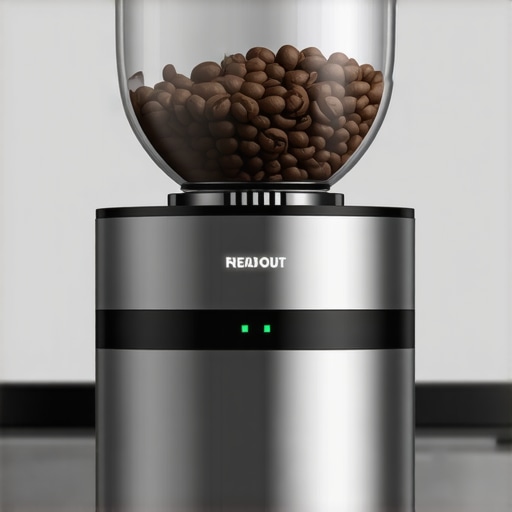
It happened on a slow Sunday morning—my first sip of espresso tasted off, and I couldn’t figure out why. I had just cleaned my grinder thoroughly, or so I thought. As I sat there, sipping bitterly, a lightbulb flickered: was my grinder really zero-retention? That question haunted me because, despite all my efforts, I was still losing precious coffee grounds somewhere, and it was affecting the flavor I treasured.
The Hidden Drain: Why Your Grinder Might Be Sabotaging Your Coffee
If you’ve ever experienced inconsistent espresso shots or felt frustrated after dialling in your grinder, you’re not alone. Many coffee enthusiasts invest in top-tier beans and brewing gear, only to find that their grind retention undoes all the effort. I used to believe that a good grinder was enough, but I soon realized that *zero-retention* isn’t just a marketing term—it’s a game-changer. The truth is, traditional grinders often leave behind enough grounds to subtly alter every shot, leading to stale flavors and wasted coffee.
This realization prompted me to dig deeper, and I discovered that many grinders labeled as ‘zero-retention’ still retained small amounts of coffee—sometimes up to a gram or more—that could distort taste over multiple pulls. A study by Barista Institute estimated that even 0.2 grams of residual coffee can impact flavor clarity, especially when brewing multiple shots back-to-back.
Knowing this makes me wonder: Have you ever faced bitter shots despite your best efforts? Or noticed variations in taste even when grinding precisely? If so, you might be battling hidden retention—the silent enemy of consistent coffee.
Before I dive into the practical steps to achieve true zero-retention, I want to share a mistake I made early on: I only focused on cleaning my grinder externally and ignored the internal parts where grounds hide. It was only after disassembling and thoroughly cleaning the burrs and hopper, and switching to a dedicated single-dose setup, that the big difference became clear.
Are you curious if your grinder lives up to the hype? If you want real consistency and flavor purity, understanding and reducing grind retention is essential. In the next sections, I’ll walk you through practical solutions, from choosing the right equipment to tweaking your routine. Let’s make every dose count—starting today.
Disassemble and Clean Thoroughly
Start by removing the hopper and burrs from your grinder. Use a brush and compressed air to clear out all coffee residues, paying close attention to the area around the burrs and chutes. I once neglected this step and kept blaming my grinder until I disassembled it after a coffee session, revealing a surprising amount of stuck grounds. Cleaning like this prevents old grounds from mixing with fresh coffee, ensuring better extraction and flavor.
Optimize Burr Alignment and Settings
Check that your burrs are properly aligned and tightly secured. Misalignment can create retention points where grounds get stuck. Adjust the grind setting gradually towards a finer or coarser profile, depending on your brew method. I once experimented with multiple settings, noticing that certain adjustments reduced retention significantly and improved shot consistency.
Switch to Single Dose Brewing
Instead of grinding directly from a hopper, measure the exact amount of coffee beans you need and load it into the grinder. This ‘single dose’ method minimizes residual grounds left in the grinder. For detailed guidance, visit this guide. I transitioned to a single dose setup, and not only did my retention drop dramatically, but my flavor profiles became sharper and more vibrant.
Make Use of Scales and Timers
Weigh your coffee beans before grinding to ensure consistency. Use a timer to record how long it takes to grind your dose, aiming for a consistent grind time. This approach helps identify inconsistencies in your workflow. I recorded my grind times, noticing that a change of just a few seconds impacted retention, leading me to fine-tune my routine.
Incorporate a Knock Box or Brush Technique
After grinding, gently tap or brush the burrs and chute to dislodge any remaining grounds. Regularly doing so during your routine clears potential clogs. I found that a quick tap with a small brush kept the grinder clean and prevented grounds from building up, which directly improved shot clarity.
Use Quality Equipment Designed for Minimal Retention
Invest in grinders known for low retention, such as models highlighted in this selection. These often feature flat burrs and optimized chamber designs. I upgraded my grinder and immediately noticed a smoother operation and fewer leftover grounds, elevating my espresso quality.
Document Your Routine and Adjust Accordingly
Keep a journal of settings, doses, and cleaning intervals. This detailed record helps identify patterns contributing to retention issues. Through trial and error, I mapped out my ideal routine, reducing residual grounds significantly. Consistency in your process is key to achieving perfect grind uniformity.
Many coffee enthusiasts believe that upgrading to the latest burr grinder or setting a finer grind will automatically improve their espresso. However, this mindset often misses the nuanced reality that grind consistency and proper equipment calibration are more critical than simply choosing the most advanced machine. One common misconception is that a burr grinder’s price directly correlates with grind uniformity; in reality, even expensive grinders can produce inconsistent grounds if not properly maintained or adjusted. For espresso lovers aiming for maximum flavor, mastering the art of grind calibration and routine cleaning surpasses hardware upgrades alone. This oversight can lead to persistent issues like channeling or uneven extraction, which ruin the shot despite high-quality beans. Advanced users recognize that factors such as burr alignment, dose distribution, and particle size distribution influence the extraction process significantly. For example, a study published in the *Journal of Food Science* highlights that burr wear over time can drastically affect grind size distribution, regardless of initial quality. Therefore, regular calibration and understanding the grinder’s behavior are essential for consistent results. Have you ever fallen into this trap? Let me know in the comments. To ensure your equipment performs at its best, consider exploring comprehensive guides on maintaining and calibrating your grinder, such as this in-depth tutorial. Remember, a well-tuned grinder is the cornerstone of stellar espresso, far more so than just the machine’s features or price tag.Maintaining your coffee grinder, especially high-precision models like a single-dose espresso grinder, is crucial to achieving optimal grind consistency over the long term. Invest in high-quality tools designed for durability; for instance, a set of precision burr calibration tools ensures your grinder remains aligned and produces uniform grounds. Regularly checking and adjusting your equipment prevents wear from compromising performance. For those serious about consistent flavors, I recommend a digital caliper to monitor burr alignment—it’s a small investment that pays off by keeping your grinder finely tuned. Additionally, adopting a routine cleaning schedule, including disassembling and inspecting burrs monthly, prevents coffee residue buildup that can lead to uneven grinding. Using software like grinder maintenance apps can help track calibration intervals and alert you when service is due, ensuring your equipment always functions at its best. As we look to the future of coffee technology, advancements like sensor-integrated grinders could offer real-time grind consistency feedback, further simplifying maintenance. For now, I suggest incorporating tools like an accurate digital caliper and dedicated cleaning brushes to sustain your grinder’s performance. How do I maintain my grinder over time to ensure every shot hits the mark? I personally schedule bi-weekly disassemblies and use calibration gauges, which have significantly improved my consistency. Take your routine a step further by using a calibration tool designed specifically for your grinder model; it’s a game-changer in maintaining true zero-retention and uniform particle size. Discover more about precise calibration methods at this expert guide and start elevating your brew today.
What No One Tells You About Grind Retention’s Hidden Cost
During my journey to perfect espresso, I discovered that even tiny amounts of residual coffee—sometimes less than a gram—can subtly alter flavor profiles, leading to bitter or inconsistent shots. The realization that my grinder’s retention was sabotaging my efforts was a lightbulb moment, teaching me that achieving genuine zero-retention is less about marketing buzzwords and more about meticulous maintenance and routine adjustments. My biggest breakthrough came when I started measuring and cleaning burrs regularly, understanding that small habits make a huge difference. This insight transformed my routine from guesswork to precision, ultimately elevating my brewing game beyond what I thought possible.
Master Your Routine with These Insider Tips
Investing in calibration tools like a digital caliper and dedicating time for thorough, monthly cleanings can be game-changing. Regularly cleaning and realigning burrs prevent buildup that causes retention issues. Switching to a single-dose grinding approach from start to finish minimizes leftover grounds, making each shot as fresh and pure as possible. Document your settings and routine, then tweak based on results—progress is all about small, consistent improvements. Trust me, when I adopted these habits, my flavor clarity and shot consistency skyrocketed, outperforming any fancy upgrade on the market.
Your Next Step Toward Coffee Excellence
Embrace the mindset that maintenance and routine matter more than the latest gear. Your commitment to precise calibration, cleaning, and disciplined workflow will unlock the full potential of your beans. Every shot becomes a testament to your craft and dedication. Remember, genuine zero-retention isn’t just a feature; it’s a philosophy that elevates your entire espresso experience. Are you ready to refine your routine and taste the difference? Tell me, which routine change has made the biggest impact on your brew? Feel free to ask questions or share your tips on our contact page. Let’s keep pushing the boundaries of flavor together.
![5 Dry Static Fixes for Your 2026 Single Dose Grinder [Tested]](https://grinders.espressotechguide.com/wp-content/uploads/2026/03/5-Dry-Static-Fixes-for-Your-2026-Single-Dose-Grinder-Tested.jpeg)