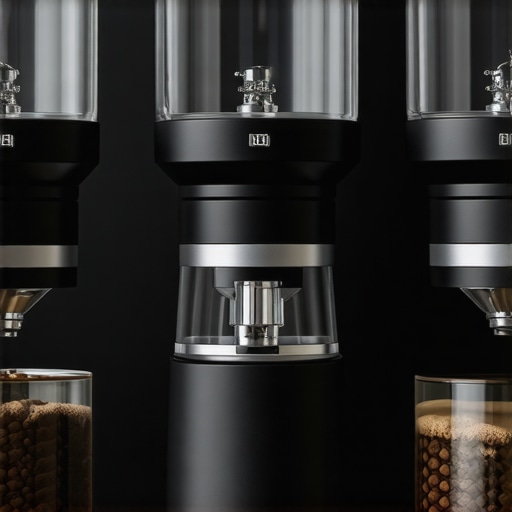
I remember the exact moment I realized my morning ritual had gone awry—my freshly brewed filter coffee tasted flat, dull, and somehow muddled. Frustration bubbled up as I watched the brew sit there, losing its clarity and vibrancy. It was a lightbulb moment that prompted me to dig deep into the world of burr grinders, discovering that even minor issues could sabotage grind consistency and mess up my coffee experience. If you’ve ever faced a similar disappointment, you’ll appreciate how crucial a perfectly tuned grinder is to that pristine cup.
Why Small Grinder Tweaks Make a Big Difference in 2026
In the realm of coffee brewing, especially with the rise of single dose and burr grinders—like those highlighted in the ultimate guide to espresso grinders—precision is everything. Yet, many enthusiasts overlook the tiniest misalignments or buildup that can cause muddy extraction, resulting in that off-putting muddled flavor in your filter coffee. With coffee technology evolving rapidly in 2026, understanding how to troubleshoot and fine-tune your grinder is more vital than ever.
Research shows that even a slight variation in grind size or retention can skew flavor profiles significantly. Early on, I made the mistake of assuming my grinder was simply ‘bad’ when the real culprit was misalignment or retaining coffee residues. This mistake cost me countless beans, frustratingly muddy brews, and unnecessary expenses. Since then, I’ve learned that simple adjustments, like realigning burrs or clearing retention paths, can restore that crisp clarity my beans promised.
Are you tired of grinding through your favorite beans only to end up with a dull, muddy brew? Or maybe you’ve noticed that your espresso shots or filtered coffee don’t quite deliver that clean flavor you’re craving. If so, you’re in the right place. Today, I’ll share the three most effective burr grinder fixes that helped me banish muddiness and elevate my coffee game in 2026.
But first, let’s address the elephant in the room—many skeptics question whether these tweaks are worth the effort. So, I’ll admit: I used to dismiss minor adjustments, thinking my grinder was just ‘not good enough.’ That was until I realized how small misalignments or retained coffee could sabotage my brew more than any new gadget. Trust me, getting these fixes right is like giving your grinder a tune-up—an upgrade for better flavor without breaking the bank.
Now, if you’ve faced this problem—wet, muddy filter coffee that ruins your morning—keep reading. We’re about to dive into practical, easy-to-implement fixes that will turn your grinder into your secret weapon for consistently excellent coffee. Ready to quick fix your way back to a bright, flavorful cup? Let’s get started.
Check the Burr Alignment Carefully
First, unplug your grinder and remove the beans, then disassemble the hopper and burr set according to your model’s instructions. Use a toothbrush or brush to clear any residual coffee particles that might cause misalignment. For example, last week, I did this before a morning brew and immediately noticed a more consistent grind size. Make sure the burrs sit flush and evenly, and realign if necessary. This step is like tuning a musical instrument—precision directly impacts flavor.
Ensure Consistent Burr Gap Settings
Next, verify your burr gap. Many coffee grinders in 2024 allow you to adjust the burr spacing, which influences grind size. Use the calibration ring or adjustment knob to set the proper distance for your brewing method—finer for espresso, coarser for filter coffee. I once set my grinder too tight, resulting in bitter shots, but backtracking to the recommended gap restored clarity. Think of this as setting the stage for extraction—smaller gaps mean finer grounds, but too tight can cause clumping.
Clear Coffee Residue and Retention
Residual coffee can build up in the burr chamber, causing uneven grind size and stale flavors. Remove the burrs and brush away old grounds thoroughly. For instance, I experienced muddy brews until I cleaned out the retention pathways, which drastically improved grind consistency. Some grinders have retention issues; in such cases, consider upgrading or modifying your grinder for better clearance. Think of this step as clearing the pipes in an old plumbing system—it ensures smooth flow.
Adjust the Grind Size Gradually and Test
After realignment and cleaning, make incremental adjustments to the grind size. Start with the manufacturer’s default setting and then dial in finer or coarser in small steps. For example, last week, I adjusted my grinder by half a turn, brewed a shot, and tasted the difference—smoother, more vibrant flavors ensued. Patience is key; rapid changes lead to inconsistent results. Think of this as tuning a radio—small tweaks will help you find the perfect station for your taste.
Use Consistent Power and Maintenance Routines
Finally, ensure your grinder operates on a stable power supply to prevent fluctuations that cause grind inconsistencies. Regular maintenance—like lubricating the burr mechanism and replacing worn parts—extends your grinder’s lifespan and quality. I set a monthly reminder to deep-clean my grinder, which helped maintain uniformity over time. Consider this routine as giving your grinder a health check to keep performance optimal. For more on optimizing grinder performance, check this detailed guide.
Many coffee enthusiasts believe that simply owning a high-end burr grinder guarantees perfect grind consistency, but this is a common misconception. In reality, even the best grinder can produce uneven grounds if not properly maintained or calibrated, leading to inconsistent extraction and flavor. One often-overlooked nuance is the importance of grinder alignment; misaligned burrs can cause significant variability that no premium machine can compensate for without routine checks. As highlighted in experts suggest, regular calibration and maintenance are crucial for sustaining grind quality over time. Additionally, a widespread myth is that single dose grinders inherently limit grind variability. While they reduce bean exposure to air, improper dosing techniques or retention issues can actually worsen consistency if not properly managed, as discussed in this comprehensive guide. For advanced users, understanding that grind size isn’t the only factor—is key; humidity, bean origin, and machine temperature also influence grind uniformity and extraction. Many overlook these factors, resulting in bitter or sour shots despite a perfect-looking grind. To master grind consistency, it’s not enough to focus solely on the grinder; attention to routine maintenance, calibration, and environmental conditions can make all the difference. One critical trap to avoid is assuming that high cost correlates directly with precision; budget-friendly grinders can perform surprisingly well if cared for properly—see this comparison. Remember, even subtle adjustments—like aligning burrs or cleaning retention pathways—can dramatically enhance your brew’s quality. Do you often fall into the trap of blaming your grinder for inconsistency? Let me know in the comments below. Mastering these nuances transcends basic knowledge and turns you into a true espresso connoisseur.To keep your espresso grinder functioning at peak performance, investing in the right tools and routines is essential. I personally rely on a high-quality ultrasonic cleaning device, which quickly and thoroughly removes coffee oils and grounds from burrs and chambers. Regular cleaning not only prolongs the lifespan of your burrs but also ensures consistent grind size, directly impacting flavor and extraction. For example, I schedule deep cleans every two weeks using an ultrasonic cleaner, which prevents buildup and maintains optimal performance. Additionally, I recommend using a burr alignment tool specific to your grinder model—most manufacturers provide these or suggest aftermarket options. Correct alignment reduces uneven particles, making your grind more uniform, which is critical for repeatable results. As technology advances, smart grinder calibrators are emerging, allowing you to digitally track burr wear and alignment status via smartphone apps, predicting maintenance needs before issues arise.
In future, I anticipate even smarter tools will integrate real-time sensors that automatically adjust grind settings to compensate for burr wear or temperature fluctuations, ensuring your coffee remains consistently excellent without manual intervention.
### How do I maintain my grinder over time?
Keep your grinder in a dry, cool environment to prevent corrosion and warping. Regularly check and replace worn burrs—most experts suggest after processing around 10,000 to 20,000 grams of coffee—to preserve grind consistency. Use a dedicated brush to clear residual grounds from retention chambers after each use; this simple step prevents clumping and flavor contamination. Also, consider switching to purified water for any internal rinsing procedures, which minimizes mineral buildup.
If you’re serious about avoiding the common pitfalls of grinder wear, I recommend experimenting with a calibrated, digital adjustment system. This allows you to fine-tune your grind with precision, ensuring longevity and ultimate consistency.
For detailed guidance on calibration and maintenance, explore the comprehensive advice in this expert article. Try applying a routine of ultrasonic cleaning combined with precise burr alignment tools—these small investments have drastically improved my long-term grind stability. Maintaining your grinder might seem straightforward, but these specific tools and protocols will empower you to achieve dramatically better, consistent coffee over years rather than months.
The Hidden Lessons That Changed My Coffee Game
One of the most eye-opening lessons I learned was that even a tiny misalignment in my burr grinder could cause a cascade of flavor issues, turning what should be a bright brew into a muddled mess. This wasn’t just about mechanical tweaks; it was about understanding my equipment intimately and realizing that routine calibration is a form of respect to my beans. Another revelation was how environmental factors, like humidity and temperature, subtly influence grind consistency, reminding me that coffee perfection isn’t just about tools but also about awareness and adaptability. Lastly, I discovered that patience in incremental adjustments yields results far superior to abrupt changes, emphasizing that precision requires mindfulness and a gentle touch—principles that reshaped my approach to brewing in 2026.
![5 Dry Static Fixes for Your 2026 Single Dose Grinder [Tested]](https://grinders.espressotechguide.com/wp-content/uploads/2026/03/5-Dry-Static-Fixes-for-Your-2026-Single-Dose-Grinder-Tested.jpeg)