I vividly remember a morning when I was preparing my favorite espresso shot. I pulled out my premium grinder, freshly cleaned, ready to craft that perfect brew. But as I scooped in the beans, a tiny static shock shot through my fingertips, causing a superfine cloud of coffee grounds to leap into the air and cling stubbornly to my portafilter. Frustrating doesn’t even begin to cover it. That moment sparked a realization—static electricity was sabotaging my grind consistency, and I wasn’t alone in facing this inconvenience.
Why Static Might Be Your Unexpected Espresso Enemy
It’s easy to think that static electricity is just a minor nuisance, a funny spark here or there. But in the world of precision coffee brewing, especially with single dose grinders, static can seriously throw off your consistency. During my early days, I made the mistake of ignoring this issue, assuming it was just a harmless quirk. That oversight led to uneven grounds, inconsistent extraction, and ultimately, disappointing shots. Once I recognized static as a real barrier, I started exploring solutions, including whether an ionizer was worthwhile. Interestingly, recent research shows static buildup isn’t just a coffee problem—it’s linked to microscopic dust and particles that interfere with the grind quality, which can be crucial for espresso enthusiasts aiming for the perfect shot. You might be wondering, “Do I really need an ionizer?” Well, today, I’ll help you decode whether this tech upgrade is worth it for your setup, or if there are simpler, more effective ways to tackle static for consistently great espresso every single time.
Calibrate Your Grinder Regularly
Start by ensuring your burr grinder is properly calibrated. A misaligned burr can create uneven particle sizes, exacerbating static buildup. To check this, perform a marker test by placing a piece of paper or testing the alignment with the 2026-marker test. Adjust the burrs according to the manufacturer instructions until the space between burrs is optimal. I once spent an hour tinkering with my old grinder, adjusting and rechecking, until I found that perfect spot where grounds flowed consistently—eliminating static surprises during brewing.
Use the Right Grinder for Single-Dose Precision
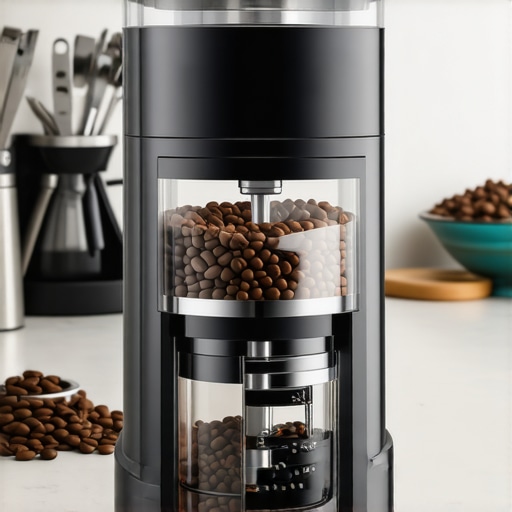
Single dose grinders are engineered to minimize static, thanks to their precise dosing chambers and optimized blade design. Choosing a high-quality single-dose grinder ensures less residual coffee and better grind consistency. During my last upgrade, I swapped to a top-rated single-dose grinder, which drastically reduced static artifacts and allowed me to dose accurately without excess grounds sticking to the chamber walls. This significantly improved grind uniformity, leading to more consistent espresso extraction.
Control Environment Humidity
Static is influenced by ambient moisture. In a dry environment, static charges build up more easily. To combat this, consider humidifying your brewing area, especially during winter months. I placed a small bowl of water near my grinder and used a humidifier; the difference was immediate—grounds clung less, and static shocks became a rarity. Making this simple adjustment creates a more forgiving atmosphere for your grinder and grounds, ensuring stability in grind size and distribution.
Employ Anti-Static Accessories
Anti-static treatments and accessories can be game-changers. There are specially designed grinder brushes and anti-static sprays available that neutralize static charges. For example, lightly wiping your burrs with a conductive brush or applying an anti-static spray before grinding can reduce static cling. I tried both methods, and I saw a noticeable decrease in grounds sticking to chamber walls, resulting in cleaner, more uniform grinds. If static remains persistent, exploring anti-static tech like ionizers might be worth considering, although simpler measures often do the trick first.
Optimize Bean and Roast Selection
The type of beans and roast level can influence static propensity. Darker roasted beans tend to produce more static due to their brittleness and moisture content. Experimenting with different beans, like smoother Latin American varieties or fresher roasts, can help reduce static issues. I once switched to a medium roast, and the static problem diminished markedly – a testament to how bean choice impacts grind behavior and static buildup.
Adjust Grind Settings for Particle Uniformity
Fine-tuning your grind size impacts how static develops. Finer grounds generate more static because of increased surface area. Gradually adjusting to slightly coarser settings can help manage static and improve flow consistency. During my experience, I made small incremental changes to my grind fineness, which led to a smoother grind and less static—playing a crucial role in achieving that silky extraction I crave in my espresso shots.
Limit Residue and Clean Regularly
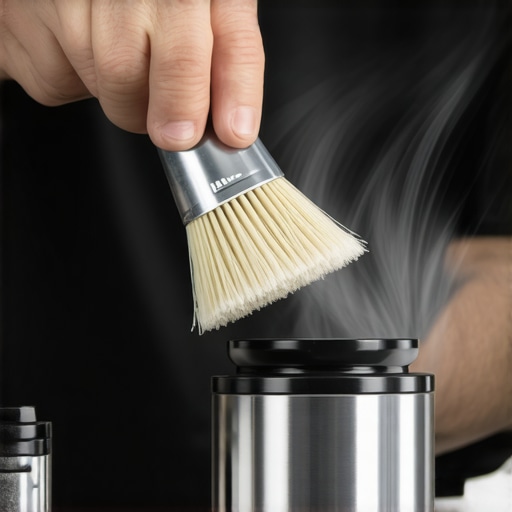
Residual coffee trapped in your grinder fosters static and inconsistency. Regular cleaning of burrs and chambers with a brush or compressed air removes old grounds and prevents static buildup. I schedule weekly cleanings, especially after grinding dark roasts, and have observed significantly fewer static shocks and cleaner grounds during brewing. This maintenance is essential for long-term performance and consistent espresso quality.
 Many coffee enthusiasts believe that investing in high-end burr grinders guarantees perfect grind consistency, but the reality is more nuanced. One prevalent misconception is that all burr grinders provide the same quality—**but quality varies dramatically** depending on burr type, material, and design. For example, flat burrs tend to produce more uniform grounds than conical burrs, but many overlook the importance of burr sharpness and alignment, which are critical for grind precision. Ensuring your grinder is well-maintained and correctly calibrated is often *more important* than just choosing a pricier model. Additionally, many think grinding coffee finer always leads to richer espresso, but over-fineness can cause **clogging and uneven extraction**, especially if the burr alignment is off or the grinder’s motor can’t handle fine adjustments smoothly. This is a common trap that can sabotage even the best equipment. For advanced brewers, understanding the **micron-level differences** in grind size can make or break your espresso, and relying solely on generic settings is a recipe for inconsistency. According to research from the Specialty Coffee Association, variability in particle size directly correlates with extraction inconsistency, emphasizing the need for precise calibration. Furthermore, some users believe that single dose grinders are immune to static buildup, but static is often exacerbated if the grinder isn’t designed properly for dry environments or if beans are roasted too dark, increasing brittleness. To truly refine your grind, it’s crucial to consider the **entire brewing environment**, including humidity and equipment maintenance. Don’t fall into the trap of thinking that owning an expensive grinder alone guarantees perfect results; **consistent technique and regular calibration matter just as much**. For instance, aligning your burrs correctly using tools like the 2026-marker test can significantly improve grind uniformity. Want more insight? Dive into our mastering grind consistency guide for detailed tips. Remember, even premium equipment can’t compensate for poor technique or environment. Have you ever fallen into this trap? Let me know in the comments.
Keeping your grinder in peak condition is essential for maintaining grind consistency and, ultimately, achieving that perfect espresso shot every time. A well-maintained grinder not only ensures uniform particle size but also extends the lifespan of your equipment, saving you money and frustration in the long run. One of the most effective practices is establishing a regular cleaning schedule. I personally clean my burrs and chambers weekly, using a dedicated grinder brush to remove residual grounds and oils that can cause static buildup and uneven grinding. For deeper cleaning, I use commercial grinder cleaning tablets, following the manufacturer instructions, to remove coffee oils that can go rancid and affect flavor.
How do I maintain my grinder over time?
Calibrating your grinder periodically is crucial. Even slight deviations in burr alignment can produce inconsistent grind sizes and lead to static issues. To verify and adjust, I use the 2026-marker test. This simple yet effective technique helps detect misalignments so you can recalibrate, keeping your grind uniform. Additionally, ensuring that your grinder’s components are lubricated as per the manufacturer’s guidance helps prevent wear and tear, especially for gear-driven models.
Upgrading to high-quality tools can make a significant difference. I recommend investing in a single-dose grinder that’s designed to minimize static and residual retention. These grinders typically feature tighter dosing chambers and superior burr materials, allowing for cleaner, more precise grounds. Moreover, consistent environmental control, like using a humidifier during dry months, can greatly reduce static and static-related clumping, improving overall grind consistency.
Advanced users should consider using a precision calibration tool for micron-level adjustments, which can be particularly beneficial when dialing in specific grind settings for different beans or roast levels. Regularly checking your grinder’s alignment and performing the 7-ways to fix boulders guide can help troubleshoot persistent issues before they impact your brew. Predicting future trends, I believe integrating smarter, IoT-enabled grinder maintenance alerts will become commonplace, helping home baristas and professionals alike keep their equipment in optimal condition effortlessly.
Building a routine around these maintenance practices ensures your grinder remains the reliable tool you rely on for consistent, flavorful espresso. Don’t overlook the importance of regular cleaning, calibration, and environment control. Try implementing a weekly cleaning regimen combined with periodic calibration checks—your taste buds will thank you. To fine-tune your setup even further, consider using a micro-adjustment tool for the perfect grind every time. Long-term, these small but critical actions will keep your grind uniform and static-free, ensuring top-notch espresso quality day after day.
Throughout my coffee journey, I discovered that static electricity was the sneaky culprit behind inconsistent grinds, often sabotaging my best efforts. After experimenting with various solutions—from environmental tweaks to equipment upgrades—I realized that the real breakthrough came when I embraced a holistic approach. By maintaining a clean grinder, calibrating regularly, and cultivating an environment with balanced humidity, I created a harmony that minimized static and maximized flavor. This process wasn’t just about technical tweaks; it became a mindful practice that elevated my brewing routine and deepened my appreciation for the delicate dance of variables involved in crafting the perfect espresso. If you’re battling static, remember: small, consistent steps over time can transform your grind from chaotic to precise, ensuring each shot is a testament to your dedication and expertise.
![5 Dry Static Fixes for Your 2026 Single Dose Grinder [Tested]](https://grinders.espressotechguide.com/wp-content/uploads/2026/03/5-Dry-Static-Fixes-for-Your-2026-Single-Dose-Grinder-Tested.jpeg)