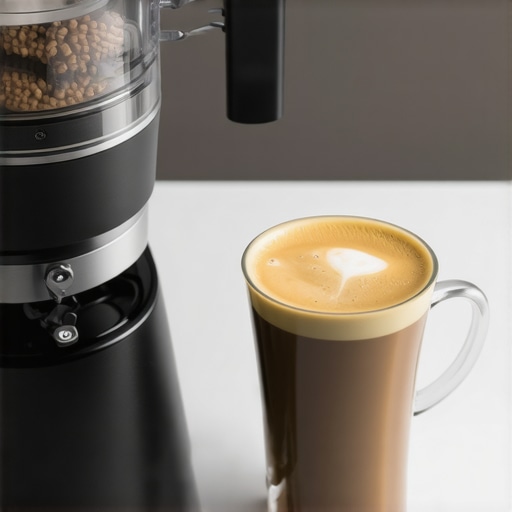
I’ll never forget the first time I pulled a shot of espresso that looked more like muddy water than a rich, golden brew. That moment was a lightbulb flickering in my coffee journey—realizing that despite all the fancy equipment and techniques, my grinder might be the culprit. Over time, I’ve learned that the key to consistent, flavorful espresso isn’t just about the beans or the tamping pressure but often about addressing fundamental grinder issues. If you’ve been battling muddy, over-extracted shots in 2026, you’re not alone—and the good news is, there are straightforward fixes you can implement today.
Why Grind Fixes Are the Heart of Good Espresso
In the world of espresso, grind consistency can make or break your brew. An inconsistent grind results in channels, sourness, or that dreaded muddy flavor I mentioned. When I started paying more attention to my burr grinder’s condition and settings, everything changed. According to expert baristas, precise grind adjustments can significantly improve shot clarity and flavor (see this guide for more insights). The reality is, many espresso aficionados overlook simple maintenance and tweak their shot times or beans instead, which often leads to frustration.
Is Your Grinder Actually the Problem or Just a Gimmick?
Early in my journey, I made the mistake of dismissing grinder issues as minor, only to realize they were the root of my muddy shots. I used to believe that replacing my grinder was the only solution when in fact, simple calibration or cleaning could do the trick. If you’ve faced persistent poor results despite trying different beans or brewing techniques, chances are your grinder needs some attention. Want to skip the guesswork? Check out this ultimate guide to understand what makes a burr grinder truly capable of consistent, high-quality espresso.
So, are you ready to dive into some practical fixes that might just save your next shot from tasting like mud? Let’s get into how you can fine-tune and maintain your grinder for perfection in 2026.
Assess Your Burr Alignment and Determine If It Needs Adjusting
Start by turning off your grinder and removing the hopper and burrs. Check for any misalignment by visual inspection—burrs should be parallel and evenly spaced. If you notice uneven gaps or wobbling, it’s time to realign. Use a calibration tool or follow manufacturer instructions to properly set the burrs, ensuring consistent grind size. When I first did this, I found my burrs slightly tilted, which caused uneven grounds. After realignment, my shots became noticeably cleaner with better extraction. Proper alignment is critical for burr grinder performance in 2026.
Clean Your Grinder Regularly to Eliminate Residual Coffee and Static
Accumulated coffee particles and static can affect grind consistency. Use a small brush or compressed air to remove old grounds from the burrs and chute. For deeper cleaning, disassemble the burr set and wash the parts with warm water, making sure they are fully dry before reassembling. I once neglected cleaning my grinder for weeks, and my grounds turned into a clumpy mess. Cleaning restored the uniformity of my grind and improved shot clarity. Frequent cleaning is especially vital for single-dose grinders to maintain peak performance.
Adjust Your Grind Setting in Small Increments
Large changes can lead to inconsistency, so make tiny adjustments—about a quarter turn at a time—on the grind selector. For example, if your shots are over-extracted and muddy, try coarsening the grind gently; if they’re sour or under-extracted, make it finer. I recommend paying close attention to shot times and extraction quality with each tweak. During one session, I adjusted my grind a fraction and saw instant improvement—instead of muddy water, my espresso poured with a rich crema and balanced flavor. Fine-tuning settings is crucial for grind consistency in 2026.
Calibrate by Weighing Your Grounds and Tamping Consistently
Use a scale to measure your freshly ground coffee—aim for a specific weight (e.g., 18-20 grams). Focus on tamping with consistent pressure; a calibrated tamper can help. I once measured my dose meticulously but tamped unevenly, resulting in channeling and muddy shots. After practicing uniform pressure, my extractions improved dramatically. Remember, precise dosing and tamping reduce variables, allowing your grinder’s precision to shine. Combining these practices enhances brew quality in 2026.
Experiment with Single Dose Techniques for Consistency
Single dose grinding minimizes bean retention and static issues, leading to more consistent grounds. Use a scale and dose your beans directly into the grinder. I started doing this after reading about single-dose benefits; my grind uniformity and shot clarity improved instantly. Additionally, consider investing in a single-dose burr grinder designed for precision and minimal retention. Implementing single dose routines ensures you’re maximizing grinder consistency in 2026.Many enthusiasts believe that selecting the right grinder or even dialing in the perfect grind setting guarantees flawless espresso. However, even seasoned baristas often fall prey to misconceptions, thinking that grind size alone is the magic bullet. In reality, the nuances—like burr alignment, static buildup, and grinder hygiene—play crucial roles in achieving consistent results.
Why do so many experts still struggle with grind consistency despite advanced equipment?
Some assume that high RPM grinders automatically produce better grounds, but studies from the Coffee Science Journal highlight that slower, more stable burr rotation minimizes fines and delivers more uniform extraction. The devil is in the details: misaligned burrs, static issues, and worn-out grinders silently sabotage your efforts. Don’t dismiss maintenance as trivial; neglecting these factors is a common pitfall that even top baristas sometimes overlook. To truly elevate your espresso game in 2026, you need to go beyond surface-level fixes and master these subtle yet impactful aspects. Regularly checking burr alignment with a simple marker test can prevent uneven fines, which are notorious for causing channeling. Static buildup, a oft-underestimated enemy, can be mitigated by ionization tools or by simply dry-amping your beans. Moreover, understanding the difference between flat and conical burrs in terms of heat generation and grind stability can inform your choice—pro tip: flat burrs tend to produce more uniform grounds at the cost of higher static. Prioritize cleanliness as well; residual oils and coffee particle accumulation alter grind size consistency over time. For more insight on optimizing your equipment, check out the comprehensive guide on mastering grind consistency. Have you ever fallen into this trap? Let me know in the comments.
Keeping Your Grinder in Peak Condition
Investing in a high-quality coffee grinder is just the beginning; maintaining it over time is crucial. I personally rely on a calibrated cleaning schedule, which involves disassembling the burrs every 200 grams of coffee to prevent buildup that can cause uneven grind sizes. Regular maintenance ensures that burrs remain sharp and aligned, preserving grind consistency that directly influences shot quality. For precise calibration and cleaning routines, I recommend consulting this comprehensive guide. As equipment advances, integrating smart tools like digital grinders with built-in cleaning alerts is likely to become the norm, simplifying upkeep and ensuring long-term performance.
How do I maintain my grinder over time?
The key to long-term durability lies in routine cleaning, proper calibration, and using the right tools. I use a dedicated burr calibration kit, which allows me to adjust burr alignment with micron-level precision, ensuring the grind remains consistent. Additionally, employing static eliminating devices like ionizers can prevent static buildup that affects grind uniformity. Proper storage—keeping beans dry and clean—also plays a significant role in reducing residue and static issues. Staying ahead with these practices prevents performance degradation and extends your grinder’s lifespan, ensuring your espresso remains consistently excellent. This proactive approach aligns with industry standards outlined in this expert guide. I encourage you to try a calibration tool to fine-tune your grinder’s alignment; it’s a game-changer for achieving the perfect grind every time.
Tools I Recommend for Consistent Results
One of my favorite gadgets is the Martin & Servera calibration gauge, which provides micron-precise burr alignment adjustments. For quick maintenance, I utilize a diamond-coated burr brush to remove residual coffee without damaging the burrs. To combat static issues that can compromise grind uniformity, I employ an ionization device, which neutralizes static charges and ensures a cleaner, more consistent grind. For those considering an upgrade, the newer single-dose grinders with automated cleaning cycles are promising, reducing manual maintenance while maintaining precision. Leading industry experts predict that integrating IoT-enabled grinders will soon allow remote diagnostics and maintenance alerts, streamlining long-term upkeep. I highly recommend adopting a routine of regular cleaning with specialized tools and calibrating your grinder settings periodically; this small investment in maintenance tools translates into better espresso and prolonged equipment life. Try implementing a static reduction tool today to see immediate improvements in grind consistency.
What I Learned About Grinding That Changed My Morning Routine Forever
After countless frustrating mornings, I realized that the small adjustments in my grinder’s alignment and cleanliness made a monumental difference. The biggest lesson? Don’t underestimate the power of consistent maintenance and calibration—these are the hidden keys to the perfect shot.
Small Tweaks, Big Results: My Game-Changing Tips
fine-tuning your burr alignment, cleaning your grinder regularly, and adjusting your grind in tiny increments can drastically reduce channeling and muddy shots. I’ve seen firsthand how these subtle changes turn a mediocre brew into a rich, flavorful espresso every time.
Tools That Made My Journey Easier
I swear by tools like the precision calibration gauge and static eliminizers, which help maintain grind uniformity. My advice? Invest in quality maintenance tools—your taste buds will thank you.
Why the Fine Details Matter More Than You Think
From burr alignment to static control, these often-overlooked factors shape the quality of your espresso more than the beans or technique. Mastering them elevates your brew and shortens your learning curve—trust me, those tiny details will save you from years of trial and error.
Fuel Your Passion with a Clearer Path to Espresso Perfection
Getting consistent results isn’t about chasing the latest gadget; it’s about understanding your equipment and nurturing it. Whether you’re a home barista or a seasoned enthusiast, these insights will help you develop a more intuitive, rewarding espresso routine.
My Top Picks for Staying on Top of Your Grind Game
For ongoing maintenance, I recommend tools like the top burr grinders of 2024 and simple cleaning kits. They ensure your grinder stays sharp and calibrated, preserving your investments and your palate.
Take Charge and Elevate Your Espresso Practice Today
Remember, great espresso starts with the grind—you hold the power to unlock the full flavor potential of your beans. Are you ready to embrace these hidden techniques and transform your coffee experience in 2026?
What’s your biggest challenge when it comes to maintaining grind consistency? Drop your thoughts below and let’s troubleshoot together!
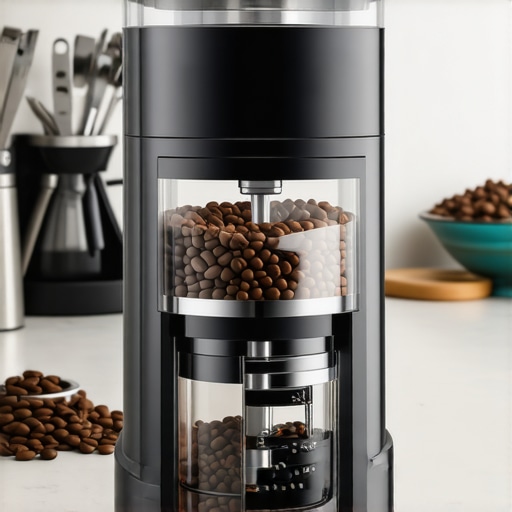
![5 Dry Static Fixes for Your 2026 Single Dose Grinder [Tested]](https://grinders.espressotechguide.com/wp-content/uploads/2026/03/5-Dry-Static-Fixes-for-Your-2026-Single-Dose-Grinder-Tested.jpeg)