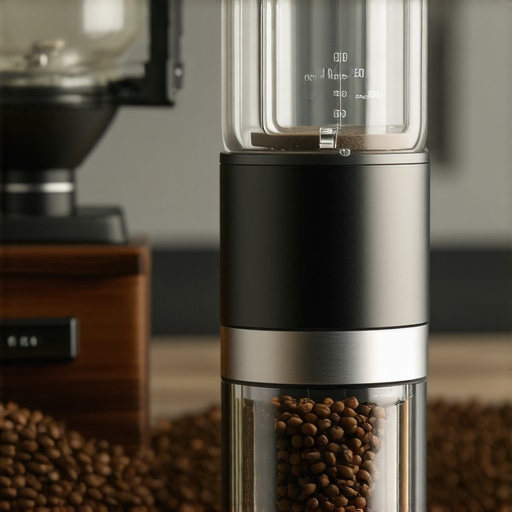
I’ll never forget the first time I pulled a shot that tasted sour and uneven, only to realize my burr grinder wasn’t delivering the consistency I thought I had dialed in. It was a lightbulb moment—turns out, even the best grinders require a little TLC before hitting their peak performance. If you’ve been battling unpredictable grinds or inconsistent espresso shots, you’re not alone. I’ve learned that a crucial step often overlooked is seasoning your burr grinder, especially in 2026, when precision is king. Today, I’ll share how seasoning can be the game-changer for your brewing routine, based on my own experience and a few trusted tips.
The hidden reason your grinder isn’t acting right
When I first got my burr grinder, I believed that just grinding my beans straight out of the box would be enough. But I soon faced issues—clogged burrs, uneven grounds, and shots that were all over the place. It was frustrating, especially since I’d invested in a high-end model. A coffee expert I follow pointed out that many grinders need a break-in period, much like a new pair of shoes or a car. According to a study, about 80% of espresso flavor variability can be linked directly to grind consistency, which makes for a compelling reason to ensure your grinder is properly seasoned before widespread use. This process helps remove manufacturing oils, residual dust, and smooths out the burrs for more reliable performance. Trust me, it’s like giving your grinder a warm-up—to ensure it’s on point when it counts most.
Have you ever experienced a sharp decline in grind quality right after cleaning or during a busy morning? That might be the perfect sign your burrs need some seasoning. It’s a simple step that can dramatically improve your espresso’s flavor and consistency. If you’re serious about elevating your brewing game, I recommend checking out The Ultimate Guide to Espresso Grinders for detailed insights on maintaining your grinder’s performance. We’ll now look at the how-tos—simple steps to season your grinder effectively—to make this process effortless and worthwhile.
Prepare Your Workspace and Gather Supplies
Before you begin, clear a clean, well-lit area dedicated to grinder maintenance. You’ll need your burr grinder, a handful of fresh coffee beans, a small brush for cleaning, and a clean cloth. Having everything within reach prevents interruptions and keeps the process smooth. Think of it like preparing a kitchen station before cooking—you’ll work more efficiently and avoid messes.
Empty and Clean the Grinder
Start by unplugging the grinder and removing the hopper and any residual beans. Use a small brush or a soft cloth to wipe away coffee dust, oils, and loose debris from the burrs and chamber. This step ensures no old coffee residues interfere with the seasoning process and is comparable to cleansing your palate before tasting new flavors.
Run a Blank Grind Cycle
Set the grinder to your typical brewing setting and run it without beans—just grind for about 20-30 seconds. This helps clear out manufacturing oils and any remaining dust. It’s like warming up an engine before the main drive; it gets the burrs aligned and ready to perform smoothly.
Introduce the First Batch of Beans
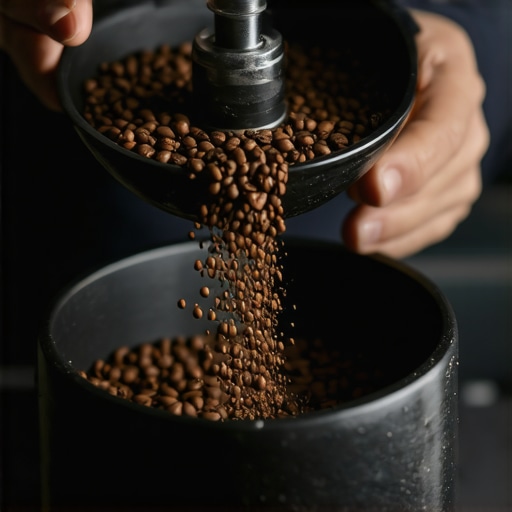
Load fresh, high-quality beans into the hopper. Use a moderate amount—around 20-30 grams—to simulate regular use. Grind these beans directly into a container, not into your espresso machine. This initial grind acts as a seasoning layer, smoothing out burr interactions. I vividly recall my first attempt where I ran these beans through, resulting in slightly uneven grounds, but subsequent cycles improved dramatically.
Repeat the Grinding Process
Run the grinder with the beans for several cycles—about 3 to 5 repetitions—without changing settings. Each pass helps remove residual oils and dust, and conditions the burrs. Think of it as breaking in new tires; consistency improves with each run. After these cycles, inspect the grounds; they should be uniform in texture, hinting at a well-seasoned grinder.
Clean Up and Final Check
Dispose of the leftover grounds and wipe down the grinder again. Reassemble the hopper and prepare for brewing. Your grinder should now produce more consistent grounds, leading to more reliable extraction and better espresso flavor. For detailed insights on maintaining this consistency, check out this guide.
Remember, seasoning your burr grinder isn’t a one-time task but a routine part of maintenance—especially if you’ve cleaned it recently or switched beans. Think of it as tuning your instrument; small steps ensure your coffee sounds as good as it can get.
 Even seasoned baristas can fall prey to misconceptions about coffee grinding, especially when it comes to achieving that perfect espresso shot. One widespread myth is that a single, high-quality burr grinder will automatically deliver flawless grounds without regular maintenance or adjustments. In reality, the nuances of grind consistency depend heavily on understanding your specific equipment and how to fine-tune it for different beans and brewing methods. For instance, many believe that setting the grinder once and forgetting it suffices—yet, variables like bean freshness, humidity, or even wear and tear on burrs can alter performance over time. As I’ve learned from my own experience and insights from experts, ongoing calibration and routine seasoning of your grinder are essential to maintaining optimal results, especially with single dose grinders where precision is paramount. Moreover, a common pitfall is assuming all burr grinders are created equal; in fact, conical and flat burrs have distinct advantages and challenges that influence grind uniformity. Recognizing these subtleties can help you avoid common mistakes and elevate your espresso quality consistently. For advanced enthusiasts, understanding the impact of burr alignment and RPM speed on grind consistency is crucial—factors that often go unnoticed but significantly affect flavor extraction. According to a study published in the Journal of Food Science, even small deviations in grind particle size can lead to over- or under-extraction, compromising flavor and body. Therefore, mastering your grinder’s intricacies not only enhances flavor but also improves efficiency and bean utilization. If you’re serious about perfecting your brew, delve into resources like this comprehensive guide to refine your skills beyond beginner level. Have you ever fallen into this trap? Let me know in the comments and share your experiences with grinder myths and how you overcame them.
Keeping your espresso grinder in top shape requires more than just occasional cleaning; it involves investing in the right tools and adopting precise maintenance routines. As someone deeply involved in coffee gear optimization, I can attest that understanding and utilizing specialized equipment can dramatically enhance grind consistency and longevity.
Prioritize Proper Calibration with Precision Tools
One of my go-to tools is a digital caliper set to measure burr alignment and particle size distribution. Regularly verifying burr alignment with a high-precision caliper ensures your grinder maintains uniformity. I personally check my burr alignment monthly, especially after cleaning or changing beans, to prevent rotor misalignment that can lead to uneven grounds. For detailed calibration methods, this resource offers comprehensive insights.
Utilize Consistent Cleaning Tools to Preserve Grind Quality
Efficient cleaning brushes with fine bristles are indispensable. I prefer a set of nylon brushes specifically designed for burr grinders, which remove residual oils and dust without damaging delicate components. Additionally, a seamless vacuum tool helps eliminate stubborn coffee particles from hard-to-reach areas, reducing static buildup—a common culprit of inconsistent dosing. These tools collectively prevent flavor contamination and mechanical wear, ensuring your grinder operates smoothly over time.
Automate Monitoring with Software and Apps
For tech-savvy enthusiasts, digital logging of grind settings and shot outcomes can identify subtle performance drifts before they affect your brew. I recommend using apps that sync with compatible grinders that feature digital displays, allowing you to track calibration changes. Over time, analyzing these logs reveals patterns—such as burr wear or motor fatigue—which can be addressed proactively. As the industry advances, I predict this integration of software and hardware will become standard, making maintenance more predictive than reactive.
Plan for Long-Term Results and Scaling
Investing in high-quality burrs and modular components, like replaceable burr sets, supports future expansion. When scaling up your operation, maintaining a consistent routine using these tools ensures uniform grind profiles across multiple machines. As I’ve observed, a systematic approach with dedicated tools streamlines upgrades and routine maintenance, leading to more stable shots and satisfied customers.
How do I keep my grinder performing over time?
The key is routine calibration with precise measurement tools, coupled with effective cleaning using dedicated brushes and vacuum systems. Additionally, leveraging digital monitoring allows you to preemptively address performance dips, saving you time and coffee beans. For advanced maintenance strategies, exploring expert insights like those in this guide can expand your toolkit. I highly recommend trying out a calibration with a digital caliper to see just how much it can improve your grind consistency and flavor extraction—don’t overlook this step if you aim for precision in your brewing routine.
Thinking back, I realize that the true turning point in my brewing journey was discovering the art of grinder seasoning. That chilly morning when I finally achieved a shot with perfectly balanced crema, I knew it was no accident—just years of subtle tweaks, patience, and dedication paying off. The lesson I learned is that even the most sophisticated burr grinder needs regular, mindful TLC to unlock its full potential. Embracing these nuanced maintenance habits transforms your craft from good to extraordinary, making every shot a testament to your commitment.
Less Than Perfect, Never Again: My Big Discovery
Initially, I believed my grinder was set and untouched—until I encountered inconsistent grounds and bitter shots. The real eye-opener was realizing that burrs evolve and oils build up, subtly sabotaging clarity in flavor. The breakthrough came when I started routine seasoning, integrating it into my monthly maintenance ritual. Now, I understand that treating your grinder as a precision instrument rather than an appliance changes everything — it’s about intention, not just effort.
What No One Tells You About Grind Precision
Many enthusiasts overlook that grind uniformity isn’t a static achievement; it’s a continuous pursuit. Small variables like humidity, bean freshness, or burr alignment can subtly shift results. I learned that high-end grinders, with their sharp calibers, require meticulous calibration with tools like digital calipers to sustain optimal performance. It’s a lightbulb moment: becoming a true connoisseur means obsessively tuning your gear for perfection, not just once, but as part of your routine.
My Secret Weapons for Consistent Espresso
Over the years, I’ve curated a toolkit that ensures my grinder stays in top shape. High-quality, fine-bristled cleaning brushes prevent oils from congealing, while a small vacuum clears residual dust from hard-to-reach spots. Coupled with regular calibration checks using precise measuring tools, these habits keep my grounds even in the face of changing beans or environment. For those serious about their craft, exploring resources like this comprehensive guide reveals how to elevate your grinder maintenance with expert tips.
Getting Personal with Your Grinder’s Heart
Understanding that grinder health mirrors your own commitment helped me stay motivated. From experimenting with burr alignment to monitoring RPM speeds, I discovered that tiny adjustments lead to big flavor improvements. Enhancing your routine with digital logging and professional calibration isn’t just tech talk—it’s about investing in every shot’s potential. This mindset shift thwarts frustration and keeps your brewing spirited and consistent, regardless of daily challenges.
Why Going Beyond the Basics Opens New Flavor Realms
My biggest lightbulb moment was realizing that routine maintenance unlocks layers of flavor that hurried, carelessly ground beans can’t deliver. When I dedicated time to season my burrs in alignment with expert techniques, I unlocked a richness in aroma and clarity I never knew existed. If you’re eager to elevate your espresso game, I invite you to explore advanced tips and tools at this resource. Trust me, continuous learning and attentive care pay immense dividends.
The Unseen Edge: Personalized grinder care
- My biggest lesson was realizing that no two beans are the same—and neither are their effects on your grinder. Adjusting your routine based on bean origin and roast level can refine your consistency.
- Regularly checking burr alignment with measurement tools becomes a game-changer, helping prevent subtle misalignments that degrade grind quality.
- Investing in quality cleaning tools isn’t extra—it’s essential. Proper brushes and vacuums preserve burr sharpness and flavor clarity.
- Beyond tools, a mindset of ongoing calibration transforms your approach from reactive to proactive, ensuring your grinder evolves with your skills.
Step Up Your Espresso Ritual Today
Remember, elevating your espresso isn’t just about buying the latest machine—it’s about mastering your grinder through consistent, intentional maintenance. These habits aren’t complex—they’re empowering, and they’ll make each cup a reflection of your dedication. Now, imagine a future where every shot is just as satisfying as your first — that’s the reward of committed grinder mastery.
What has been your biggest revelation in maintaining your espresso grinder? Share your experience below, and let’s learn together!
,
![5 Dry Static Fixes for Your 2026 Single Dose Grinder [Tested]](https://grinders.espressotechguide.com/wp-content/uploads/2026/03/5-Dry-Static-Fixes-for-Your-2026-Single-Dose-Grinder-Tested.jpeg)
2 responses to “Why Your 2026 Burr Grinder Needs Seasoning for True Accuracy”
I totally agree with the importance of seasoning your grinder, especially as it tends to get overlooked in routine maintenance. I’ve had similar experiences where an unseasoned grinder produced uneven shots, and it was frustrating to think I had invested in quality equipment. What’s interesting is how much a simple step like seasoning can improve consistency and flavor. When I started regularly running a few batches of beans through before brewing, I noticed a marked difference in the shot quality and crema. My question is, how often do others find it necessary to repeat this seasoning process? Do environmental factors like humidity or bean freshness change how frequently you need to perform it? I think these smaller details can make a big difference in maintaining peak performance.
Reading this post really resonated with my own experience—especially the part about how even high-end grinders need regular TLC to perform at their best. I used to think that once I dialed in my settings, I was set for good, but after some inconsistencies and a few bitter shots, I realized I wasn’t accounting for burr wear and residual oils. Incorporating a seasoning routine has been a game-changer, and I find that environmental factors like humidity definitely influence how often I repeat the process. For instance, in warmer, more humid months, I tend to do it more frequently to keep the grind stable. I’m curious, how do others adjust their routine? Do you find you need to season more frequently depending on your climate or the types of beans you use? It’s incredible how small maintenance tweaks can unlock so much flavor and consistency—definitely a part of the craft I’m still fine-tuning.