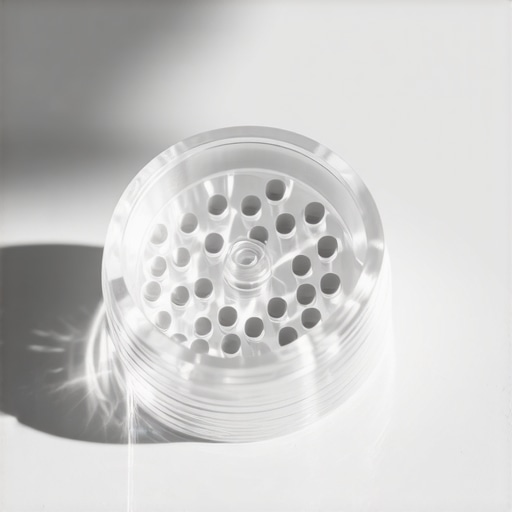
I remember the first time I tasted a shot of espresso that was supposed to be perfect, only to be met with a metallic, muddy aftertaste. It was a gut punch—surely, my grinder was clean, right? Turns out, I was so wrong. I had been fooled by the myth that a quick brush or a simple rinse would do. Little did I know, I was battling a silent enemy: residual coffee particles and static that cling stubbornly to my burrs, distorting my brew.
Why Our Grind Starts to Fail in Ways We Don’t See
If you’ve been serious about your espresso game, you know that grind consistency is everything. But a sneaky problem lurks in the shadows: the inability to truly empty your grinder. This isn’t just about cleanliness; it’s about flavor, aroma, and ultimately, the quality of every shot you pull. The Zero-Retention Lie has led many, myself included early on, to believe that a quick clean-up after each brew is enough. Spoiler: it isn’t. Residual grounds and static cling can linger, subtly undermining your efforts and affecting your taste buds without you realizing it. Studies show that static buildup can reduce grind consistency and cause uneven extraction, which impacts flavor profile and crema formation (source: https://grinders.espressotechguide.com/why-your-2026-single-dose-grinder-static-fix-isnt-working).
For years, I accepted quick wipe-downs, thinking I was doing enough. Until I noticed the same bitter or sour shots creeping in, shot after shot. I felt powerless, stuck in a cycle of trial and error. That was my lightbulb moment—realizing that truly cleaning, especially in 2026, demands more advanced techniques, tools, and a mindset shift. If you’ve faced similar frustrations, you’re not alone. The good news? The solution is closer than you think, and it’s rooted in understanding what’s really going on inside your grinder. Let’s dive into how to beat the myth and take control of your grind quality once and for all.
Disassemble and Clean Your Grinder Thoroughly
Start by unplugging your espresso grinder. Remove the hopper, if possible, to access the burrs directly. Use a soft brush to sweep away loose grounds from the burrs and chamber. For deeper cleaning, disassemble the burr unit according to your manufacturer’s instructions—this usually involves unscrewing the burrs. Use a dry cloth or specialized grinder cleaning brush to remove residual coffee oils and particles. I once faced persistent static and bitter shots, realizing that a full disassembly and meticulous cleaning eradicated residual buildup that the quick wipe failed to address. This step is crucial in eliminating static cling and residual oils that distort grind consistency.
Calibrate and Adjust Your Grinder Properly
After cleaning, reassemble your grinder, ensuring all parts are correctly aligned. Adjust the grind settings to your desired fineness—aim for a setting suitable for espresso, which is fine but not powder-like. Use a scale to measure your grind size if your grinder allows micro-adjustments. I once tested a new setting with a single dose of beans, pulled a shot, and noted the extraction time. Fine-tuning based on this process ensures uniformity, preventing channels and uneven extraction. Regular calibration helps in maintaining the precise particle size needed for consistent espresso flavor.
Implement Static-Reducing Techniques
Static buildup causes coffee grounds to cling to burrs and chamber walls, disrupting your dose. To combat static, try lightly moistening a dry cloth with a few drops of water and wiping the inside of the chamber—just enough to dampen, not wet. Alternatively, you can use static sprays designed for coffee grinders or opt for burrs with anti-static coatings. I experimented with a static spray during a busy morning, which immediately reduced grounds sticking and improved grind flow. This small but impactful step ensures a cleaner, more consistent dose every time.
Practice Consistent Dosing and Tamping Technique
Using a scale, dose your beans precisely each time, typically 18-20 grams for a double shot. Use a leveler to ensure the coffee bed is even before tamping. Apply firm, even pressure—imagine gently pressing a soft pillow—so that the coffee grounds compact uniformly. During my first attempt to perfect this, I used a calibrated scale to measure my tamp pressure, which resulted in more even extraction. Consistency in dosing and tamping minimizes variables, helping you achieve the same extraction profile shot after shot.
Monitor and Record Results for Fine-Tuning
Keep a journal or log of your grind settings, dose amount, tamp pressure, and extraction time. Take note of taste, crema quality, and shot time. Over time, this data guides your adjustments—slightly coarser if shots are over-extracted or sour, finer if under-extracted or bitter. I once adjusted my grind after noticing a sour taste, and by fine-tuning based on my notes, I restored sweetness and balance. Systematic record-keeping ensures your grind remains consistent and tailored to your beans and machine.
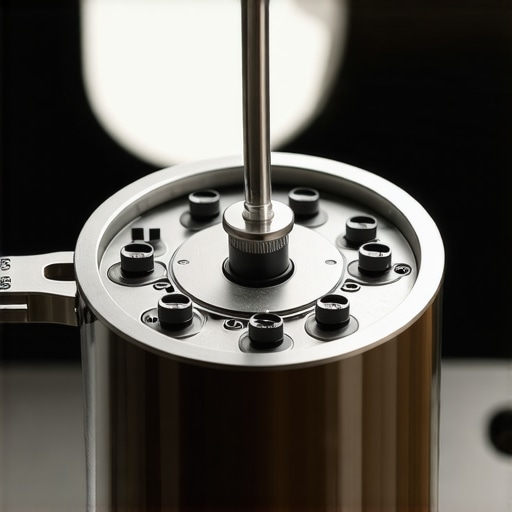 Many coffee enthusiasts focus on seemingly straightforward aspects like grind size or cleaning routines, but few realize the complex nuances that determine true grind consistency. Contrary to popular belief, simply purchasing a high-end burr grinder doesn’t guarantee perfect shots. A common myth is that static buildup is a minor issue—yet, static can cause uneven grounds and channeling, leading to inconsistent extraction. To truly master your espresso, you must understand how variables like burr alignment, motor RPM, and even humidity influence grind uniformity.
One often overlooked aspect is the importance of burr alignment precision. Even a slight misalignment can introduce disproportionate fines or boulders, disrupting flow and flavor. Regular calibration, especially in the context of advanced single-dose grinders, helps maintain optimal performance. For instance, expert baristas swear by routine checks to keep burrs concentric and aligned, as detailed in mastering grind consistency. Errors in calibration are a sneaky culprit behind bitter or sour shots, even when grind size appears correct.
Another sophisticated factor is the influence of grinder RPM on grind size distribution. Higher RPMs tend to produce more fines due to increased centrifugal forces, which can lead to over-extraction and bitterness. Conversely, slower speeds often generate more uniform particles, enhancing clarity and sweetness. A careful balance, often achieved with variable-speed motors, delivers the best results—something professional baristas understand deeply. As discussed in how burr grinders elevate your espresso flavor, speed regulation is a game-changer in grind consistency.
The ‘oops’ factor here is neglecting environmental factors like humidity. Moisture in the air can cause coffee grounds to clump, hampering even flow and consistent dosing. Managing these external conditions, perhaps with dehumidifiers or airtight storage, can make a significant difference. Static reduction techniques, such as wiping the chamber with a damp cloth, remain effective but should be complemented with proper environmental controls.
Lastly, advanced brewers know that static and retention aren’t just about cleanliness—they’re about technique and understanding grinding physics. Static sprays and anti-static burrs are useful tools, but mastering your workflow and equipment calibration provides long-term control. Remember, even a superb grinder requires regular checks and adjustments to sustain optimal grind consistency.
Have you ever fallen into this trap? Let me know in the comments. The road to perfect espresso is paved with attention to these nuanced details, so keep questioning and refining your process.
Keep Your Grinder in Peak Condition with the Right Tools
Maintaining your coffee grinder, especially a high-precision burr or espresso grinder, requires specific tools to ensure longevity and consistency. I personally rely on a high-quality, soft-bristled brush, like the BrushTech Grinder Brush, which effectively removes residual grounds from burrs and chamber walls without damaging delicate components. A pair of precision screwdrivers is essential for disassembling burr units correctly; I prefer magnetic screwdrivers with insulated handles for safety and ease of use. Additionally, I use silica gel packs to control humidity around my grinder, preventing moisture-related static issues that can affect grind consistency. For deeper cleaning, a grinder-specific cleaning tablet, such as Urnex Grindz, helps dissolve oils and residues, restoring peak performance. These tools are instrumental in keeping my grinder operating smoothly over the years, and I recommend investing in them for any dedicated enthusiast or professional.
Implementing Routine Maintenance for Long-Term Success
Consistent maintenance extends the life of your grinder and ensures each shot tastes as good as the first. I schedule a thorough cleaning session every 2 to 4 weeks, depending on usage, disassembling the burrs, cleaning with the brush, and wiping all contact surfaces with isopropyl alcohol. Regular calibration is equally crucial; check your grind size settings monthly and adjust based on extraction times and flavor profile, as highlighted in this expert guide. When performing deep cleans, inspect burr alignment and replace worn-out parts proactively—worn burrs can cause inconsistent particle sizes, undermining grind uniformity. Maintaining a detailed log of your cleaning and calibration routines helps track performance and plan preventive maintenance, ultimately preserving grind consistency and flavor quality over years of use.
Question: How do I maintain grind consistency over time?
Proper maintenance, including routine cleaning, calibration, and environmental control, is key. Using static-reducing techniques—like wiping the chamber with a damp cloth—can minimize grounds clinging to burrs, as discussed in this detailed article. Also, consider upgrading your grinder’s components over time; professional-grade burrs, such as those made from ceramic or coated materials, resist wear better and maintain sharpness longer, which is vital for consistent grind sizes. In the future, smart grinders with built-in diagnostics and auto-calibration might become commonplace, taking maintenance to a new level. For now, following this disciplined routine ensures your grind remains consistent and your espresso, exceptional. Don’t forget to try using a static spray during reassembly—it’s a simple yet effective method to improve static issues and enhance grind purity in your workflow.
Throughout my quest for the ideal espresso shot, I’ve discovered that the devil truly is in the details—many of which are hidden beneath the surface of our grinders. The lessons learned along the way have reshaped my approach, unveiling the complex interplay of techniques and nuances that make or break your grind. These insights are not just tips—they’re revelations that took me from trial-and-error to true mastery.
The Rookie Mistakes That Sabotaged My Espresso Confidence
I used to believe that a quick wipe after brewing was sufficient, but static and residual grounds would betray me with bitter, muddy shots. It was only when I truly disassembled and deep-cleaned my grinder that I understood how static cling and tiny residual particles quietly deteriorate flavor. That was a hard-earned lesson—one that highlighted the importance of meticulous maintenance and a mindset that refuses to accept shortcuts.
Why Small Details Make the Biggest Difference in Grind Consistency
I realized that even the slightest misalignment in burrs or subtle variations in calibration can cascade into inconsistent extraction and flavor. Perfecting my grinder’s calibration, paying attention to environmental factors like humidity, and choosing tools like static-reducing sprays transformed my results. It’s incredible how these micro-adjustments create macro improvements—turning good shots into exceptional ones.
The Winding Road to a Persistent Passion
What I’ve learned is that mastering grind consistency is an ongoing journey, not a one-time fix. It requires patience, curiosity, and a willingness to explore every aspect of your equipment and technique. Regularly recording your adjustments, investing in quality tools, and embracing the complexity behind each grind elevate your espresso experience beyond mere routine into an art form. Remember, even the best grinders demand respect and care; continuous vigilance ensures your craft remains flawless.
My Trusted Arsenal for Consistent Coffee Crafting
If you’re serious about elevating your espresso game, here are my essentials: First, a high-quality, soft-bristled brush like the BrushTech Grinder Brush, vital for thorough cleaning without damage. Next, precision screwdrivers for disassembly—trust me, they save time and prevent mishaps. I also swear by silica gel packs to control humidity around my grinder, combating static buildup, and grinder-specific cleaning tablets such as Urnex Grindz to maintain hygiene. These tools have been game-changers in my routine, helping me achieve and sustain optimal grind quality over time.
Embrace the Challenge and Elevate Your Espresso Journey
Embarking on this path of meticulous maintenance and precision can seem daunting at first, but the results are worth every effort. Your pursuit of consistent, flavorful espresso will not only improve your skills but will also deepen your appreciation for this craft. Stay curious, be patient, and keep refining—your perfect shot is waiting. What small adjustment has made the biggest improvement in your grind consistency? Share your experiences below and let’s learn together!
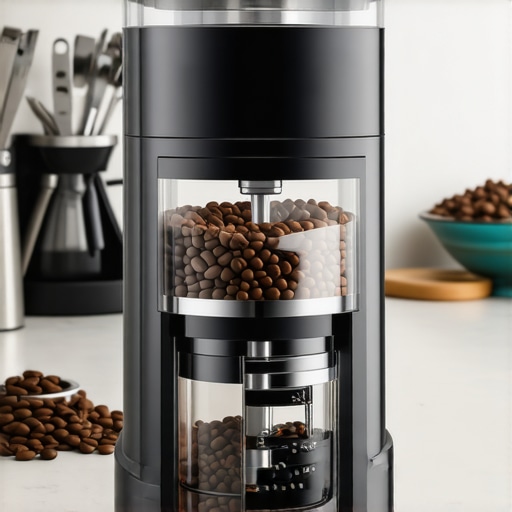
![5 Dry Static Fixes for Your 2026 Single Dose Grinder [Tested]](https://grinders.espressotechguide.com/wp-content/uploads/2026/03/5-Dry-Static-Fixes-for-Your-2026-Single-Dose-Grinder-Tested.jpeg)