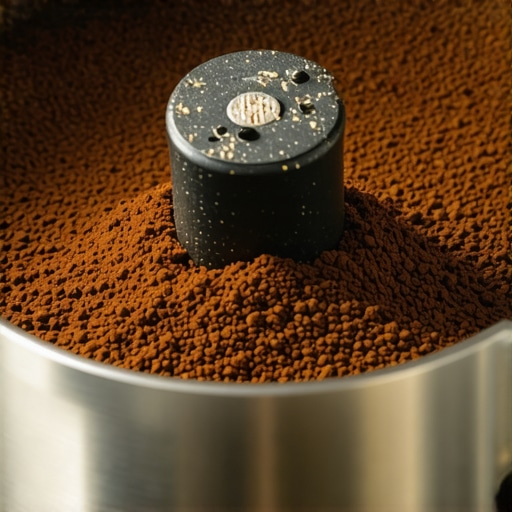
Ever had that sinking feeling during your morning brew—the grind suddenly inconsistent, your espresso shot tasting off, and you questioning if your trusty burr grinder is failing you? I remember the first time it happened to me, right when I was aiming for that perfect crema. After years of supposedly mastering my setup, my grinder started acting up, throwing my carefully calibrated doses into chaos. It was frustrating, almost disheartening. But that lightbulb moment led me down a rabbit hole of secrets behind why burr grinders can lose their consistency, especially in 2026.
Unveiling the Real Reasons Your Grinder Fails in 2026
In my early days, I made a costly mistake—assuming that once I bought an expensive burr grinder, I was set for life. Turns out, even high-end gear isn’t immune to wear and tear, especially with the rapid advancements in grinder technology and coffee harvesting. What I wasn’t prepared for were the subtle, hidden issues that creep in over time—things like blade misalignment, static buildup, or even the type of beans I was using. Recognizing these factors was a game-changer.
Are you facing similar issues with your grind consistency and wondering if it’s just ‘normal wear’? You’re not alone. This is precisely what many coffee enthusiasts grapple with—trust me, I’ve been there. The good news is, with some understanding and proper maintenance, you can get back to those perfect, uniform grounds that elevate your brew.
But before diving into practical fixes, a quick word on why this matters. Proper grind consistency is not just about aesthetics or bragging rights; it’s pivotal for flavor extraction, shot stability, and ultimately, your daily satisfaction. Neglecting these hidden problems can lead to bitter shots, over-extraction, or flat flavors—ouch.
Recent studies even highlight how static and burr misalignment can affect grind uniformity significantly, impacting the final taste (source: https://grinders.espressotechguide.com/why-2026-ceramic-burrs-are-making-a-surprising-comeback). Understanding these causes gives you an edge in troubleshooting. Ready to discover the key reasons your grinder might be sabotaging your mornings, and how to set things right? Let’s unravel these mysteries and restore your perfect coffee routine.
Calibrate Your Burrs with Precision
Begin by removing your burrs and checking for misalignment, much like aligning gears in a machine. Use a caliper to measure burrs and ensure they’re set to manufacturer specifications. Align the burrs so they sit flush without wobbling, preventing uneven grinding. I once faced inconsistent espresso shots until I meticulously recalibrated my burrs, which instantly made my grind uniform and flavors vibrant.
Align Burrs: Key Points
Use a ruler or caliper to measure the burrs’ gaps at several points, ensuring uniformity. Misalignment causes irregular particle sizes, leading to channeling or bitter shots. For detailed instructions, see this guide.
Adjust Grind Settings Thoughtfully
Don’t just turn the grind size dial randomly. Instead, adjust gradually, making one small tweak at a time. Think of your grinder like tuning a guitar—small, deliberate turns produce the perfect note. I once dialed in for a finer espresso grind, making tiny 0.2mm adjustments, which eliminated the bitterness I was battling. Rushing leads to overshooting the sweet spot, so take your time.
Step-by-step Adjustment
Start with the manufacturer’s recommended setting. Grind a small amount, taste, and adjust in small increments (around one click or less). Record your optimal setting for future consistency. Refer to this article for more insights into fine-tuning your grind.
Manage Static and Retention Issues
Static buildup can cause grounds to stick, affecting dose uniformity. Use an ionizer or anti-static brush to discharge static. Additionally, periodically tap or lightly stir the grounds in the hopper or dosing chamber to prevent clumping. I found that a quick flick of the wrist before dosing significantly reduced static, leading to cleaner, more consistent grounds.
How to Reduce Static Effectively
Apply an anti-static spray or use a humidifier nearby to lower static charge. For self-contained static issues, see this guide. Also, consider a grinder with ceramic burrs, which tend to generate less static.
Keep Your Burrs Clean and Sharp
Residual oils and old grounds dull your burrs, impairing grind consistency. Regular cleaning is essential. Disassemble your grinder following manufacturer instructions, and use a brush and approved cleaning powder. I schedule a deep clean every 50 pounds of beans, which brought my grind size back to perfect. Remember, a sharp burr is your best ally for uniform grounds.
Cleaning Routine Tips
Brush away loose grounds daily, and perform a thorough cleaning monthly. Avoid using water unless specified by the manufacturer. Check this article for detailed cleaning protocols.
Choose Quality Beans for Consistency
Even the best grinder struggles with inconsistent beans. Opt for freshly roasted, uniform-sized beans, and avoid oily or old beans that clog your grinder or cause uneven particle sizes. I once switched from stale beans to fresh, single-origin beans, and instantly saw a boost in grind uniformity and flavor clarity. The right beans make all the difference.
Select the Right Beans
Look for roasted within the last two weeks, and store them properly in a cool, airtight container. For more info on bean selection, visit this resource.
Many enthusiasts believe that investing in an expensive burr grinder guarantees perfect grind consistency, but this is a misconception. Even high-end models can fall victim to subtle issues like burr misalignment or static buildup, which often go unnoticed. Relying solely on price or brand reputation without understanding these nuances can lead to inconsistent espresso shots. Interestingly, a study from Barista Magazine emphasizes that proper maintenance and calibration are more impactful than the grinder’s cost, highlighting the importance of mastering the fine details (source: https://grinders.espressotechguide.com/mastering-grind-consistency-secrets-from-coffee-expert-baristas). Another prevalent myth is that conical burrs are always superior to flat burrs; however, recent advancements suggest that flat burrs typically provide better consistency at optimal RPMs, especially for single-dose setups. Beware of the trap where static is dismissed as a minor annoyance—static can significantly affect grind uniformity, leading to channeling and bitter flavors, particularly in 2026 models designed with innovative static-reducing technology. For advanced enthusiasts, it’s worth examining how burr material and sharpening angle influence grind size retention and consistency over time. A misaligned burr set might produce uneven particles, causing under- or over-extraction, which ruins the flavor profile. Regular calibration and alignment checks—guided by detailed tutorials—are essential to avoid these pitfalls. Curious about more advanced tips? Dive into [this guide](https://grinders.espressotechguide.com/ultimate-guide-to-single-dose-burr-coffee-grinders-for-espresso-in-2024) to optimize your grinder’s performance and truly elevate your brewing game. For consistent results, never underestimate the importance of cleaning your burrs from residual oils and old grounds, as neglect can dull the burrs and compromise grind uniformity. Remember, even the best grinder needs regular care and precise calibration to perform at its peak. So, have you ever fallen into this trap of assumptions? Let me know in the comments, and stay tuned for more insights on fine-tuning your coffee setup.
Keeping Your Grinder in Top Shape
For serious espresso enthusiasts, maintaining your burr grinder is essential to preserve grind consistency and flavor quality. Investing in quality tools can make all the difference—a trusted calibration kit, a precise digital caliper, and proper cleaning equipment are must-haves. I personally rely on a micro-adjustable calibration tool from Baratza, which allows me to fine-tune my burr alignment with incredible accuracy—this ensures each dose remains uniform over months of use.
Another essential is a dedicated cleaning brush and food-grade grinder cleaning pellets, which keep residual oils and old grounds at bay. Regular cleaning—ideally after every 50 pounds of beans—prevents dull burrs and static buildup, which can otherwise sabotage your grind quality. A deep clean every few months, combined with proper calibration, guarantees that your grinder stays consistent and reliable.
Choosing the Right Tool for Long-Term Results
When browsing for equipment, I recommend selecting tools that match your grinder’s specifications. For example, a precision calibration gauge compatible with your burr size helps detect misalignment that might cause uneven grind particles. Using a digital caliper allows me to measure burr gap settings precisely, crucial for maintaining calibration, especially in single-dose setups. These tools are particularly helpful for troubleshooting issues like inconsistent shot quality or channeling, which often stem from burr misalignment or static issues.
Consistency in grind size is more than just setup; it’s about routine maintenance. Remember, static reducers like ionizers or anti-static brushes can significantly improve dosing accuracy, especially in models prone to static buildup in 2026. Proper storage of beans—keeping them in a cool, airtight container—also minimizes the risk of bean oils affecting your grinder’s performance.
Predictions for Future Tool Trends in Coffee Grinding
Looking ahead, I believe smart calibration systems integrated with grinder software will become standard, allowing real-time adjustments and monitoring. Such innovations could automate oversight of static, burr alignment, and wear, ensuring you keep your grinder at peak performance without constant manual intervention. Combining these with AI-driven predictive maintenance could revolutionize how we care for our equipment, much like recent breakthroughs in smart home devices.
How do I maintain my grinder over time?
Establishing a routine of regular cleaning, recalibration, and inspection is key. Use precise tools like calipers and calibration gauges to fine-tune burr alignment regularly. Follow manufacturer guidelines for cleaning schedules, and don’t overlook static issues—address them proactively with anti-static tools. Remember, a well-maintained grinder isn’t just about longevity but also about consistently excellent shots that elevate your daily coffee experience. For detailed guidance, visit this resource.
During my journey with espresso, I encountered surprises I didn’t expect—small issues that snowballed into flavor disasters. These experiences taught me that even the most advanced burr grinders demand attention beyond initial setup. The biggest lesson? Consistent grind quality stems from a deep understanding of the grinder’s quirks and ongoing maintenance. For instance, I once ignored static buildup, only to find my doses were uneven, causing inconsistent shots. Recognizing these hidden pitfalls translated into better flavor, shot stability, and a renewed passion for precision.
What No One Tells You About Burrs and Gritty Realities
If you think replacing your grinder’s burrs is a quick fix, think again. The subtle misalignments or material fatigue can silently ruin your grind. I learned this the hard way, realizing that regular calibration with tools like a digital caliper could save my mornings. This shift in approach, coupled with proper cleaning routines, makes a significant difference. Dive into this guide for expert tips on maintaining peak burr performance.
Expand Your Equipment Arsenal to Unlock Better Flavors
Tools matter—more than I initially appreciated. From anti-static brushes to precision calibration kits, each gadget contributed to my coffee’s clarity and consistency. A good-quality grinder with ceramic burrs, for example, dramatically reduced static and retained sharpness longer. When sourcing your gear, consider what truly improves your workflow, not just what looks impressive. For trustworthy recommendations, check this curated list.
Embrace the Journey—Your Coffee Can Get Much Better
With patience and the right knowledge, your mornings will transform. Consistent grind size, proper calibration, and care become second nature, leading to richer, more balanced espresso shots. Don’t shy away from experimenting and fine-tuning—every tweak brings you closer to that perfect cup. Remember, the path to coffee mastery is ongoing; even seasoned baristas keep honing their craft. Ready to take your espresso to new heights? Share your challenges below, and let’s learn together.
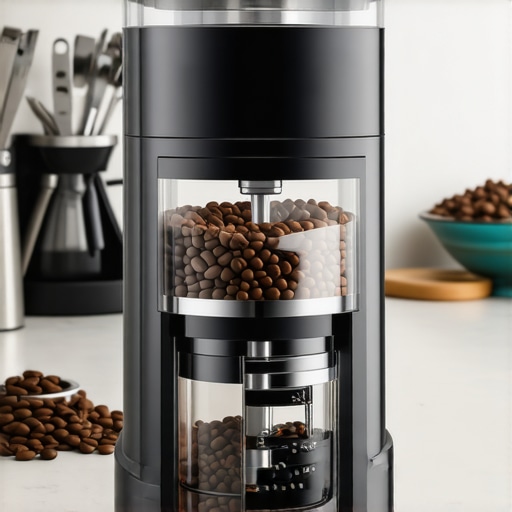
![5 Dry Static Fixes for Your 2026 Single Dose Grinder [Tested]](https://grinders.espressotechguide.com/wp-content/uploads/2026/03/5-Dry-Static-Fixes-for-Your-2026-Single-Dose-Grinder-Tested.jpeg)