I remember that moment vividly—trying to pull a perfect shot of espresso, only to be met with a stubborn, inconsistent grind that threw off my entire morning. It was frustrating, almost enough to make me want to toss my beloved grinder out the window. But then I realized—my workflow was the real culprit, not just the grinder itself. Have you ever experienced that sinking feeling where your coffee just doesn’t turn out right, no matter how much you tinkered with settings or beans? That frustration is all too familiar to me, and I bet it’s familiar to you, too.
Because Your Workflow Could Be Sabotaging Your 2026 Single Dose Grinder
In 2026, the technology behind single dose grinders has advanced dramatically, promising incredible consistency and flavor extraction. But even the best equipment can fall flat if your workflow isn’t optimized. Small, often overlooked adjustments can make the difference between a perfect shot and a bitter disappointment. I’ve tested numerous fixes myself—some that worked and others that were simply a waste of time. The key is understanding that your technique and routine are just as important as choosing the right grinder. When I first neglected proper calibration, I ended up with uneven grounds and inconsistent extraction. Trust me, I’ve learned the hard way; that’s why I want to share some practical, proven tips that can transform your coffee experience.
Are You Falling for These Common Grinds of Mistakes?
One mistake I made early on was ignoring the importance of dialing in my grind size after every bean change. Even subtle differences in bean roast or moisture can throw off your precision. According to experts, even a tiny 0.2 adjustment in grind size can alter extraction by 10%. Small tweaks, big results—that’s the name of the game.
So, if you’ve been battling inconsistent grinds or stale, flat-tasting espresso, don’t worry—you’re not alone. This post will walk you through five intelligent workflow fixes designed specifically for your 2026 single dose grinder, ensuring you get the most out of your investment. We’ll cover everything from grinder calibration to static management, with tried and tested techniques to improve your process. Ready to ditch the guesswork and boost your coffee quality? Let’s dive into the fixes that truly make a difference.
**[Interested in choosing the perfect grinder for your needs? Check out this guide](https://grinders.espressotechguide.com/choosing-the-best-single-dose-grinder-for-precise-coffee-tasting) to get started.**
Set Your Grinder to the Perfect Starting Point
Begin by calibrating your grinder correctly. Remove the bean hopper if possible, and clean any residual coffee grounds. Adjust the grind size to a medium setting, then dial in finer or coarser in small 0.1-0.2 increments until you find that sweet spot where extraction is optimal. Remember, even a slight turn can dramatically change flavor, so make small adjustments and note the results. I once spent half an hour adjusting my grind by tiny fractions, and the difference in shot quality was overnight apparent.
Consistent Burr Alignment with a Simple Test
To keep your burrs aligned, perform a quick check using the “visual gap” method. Turn the grinder off, then remove the burrs and inspect their positioning. The burrs should be perfectly parallel, with no uneven gaps. Misaligned burrs cause uneven grounds, leading to channeling or over-extraction. Recently, I realigned my burrs following this straightforward test, which instantly improved grind uniformity. For detailed steps, see the burr misalignment guide.
Manage Static Without Breakthrough Ideas
Static buildup can throw off your weights and consistency. To reduce static, clean your grinder regularly with a brush, and consider implementing a simple anti-static mod such as inserting a grounded metal strip inside. During my own experiments, I installed a copper strip, which drastically reduced static clinging to grounds. This ensures a cleaner, more uniform distribution into the portafilter, escalating shot quality. For step-by-step static fixes, see the static reduction tactics.
Confirm Your Dial-In Routine Daily
Every day, verify your grind setting by weighing a small dose of grounds—aim for a consistent weight each time. Use a precise scale, then pull a test shot to observe extraction time and flavor. I recommend keeping a *shot journal*—write down the grind setting, dose weight, and extraction time to track improvements. When I kept strict notes, I identified small tweaks that made a big difference, especially when switching beans or roast levels. For more on efficient dialing techniques, refer to the expert guide to grind consistency.
Test and Repeat Before Brewing
Before your main pour, grind a small sample and examine the grounds’ size uniformity. Uniform grounds are crucial for balanced extraction. Use a sieve or a simple spoon to spot inconsistencies, such as boulders or fines. If you notice irregularities, re-calibrate your grinder or adjust the grind slightly. I found that a quick visual check every few shots helped me maintain consistent quality. For tools and techniques to perfect your grind images, check out the grinding quality techniques.
Simplify Your Routine to Avoid Mistakes
Streamline your workflow by preparing everything beforehand—ground dose, filter, and tools—so you’re not rushing during extraction. This consistency prevents errors like overfilling or uneven tamping. Once, rushing to brew in a hurry caused me to overlook my grind adjustments, resulting in underwhelming shots. Keeping a clean, orderly workspace helps maintain steady results, especially when switching beans or adjusting settings. For tips on optimizing your grinder setup, see the best workflow practices.
Many coffee enthusiasts believe that achieving perfect espresso hinges solely on selecting a high-quality burr grinder or dialing in the right grind size. However, even seasoned baristas often overlook what’s really at play—an often misunderstood nuance: the subtle interaction between grinder mechanics and grind consistency. This overlooked detail can be the difference between a delicious shot and a muddy mess. Contrary to popular belief, perfect grind consistency isn’t just about the grinder’s specs or grind setting; it involves understanding how burr alignment, motor torque, and static buildup interplay and influence your results.
Are You Ignoring the Fine Details That Make or Break Your Grind?
One common myth is that once you’ve calibrated your espresso grinder, you’re set for perfect results. But in my experience, even the best grinders require ongoing maintenance and fine-tuning. For example, burr misalignment—even just a fraction—can create uneven grounds, leading to channeling or inconsistent extraction, despite using the same settings. Just as expert baristas emphasize, ensuring that burrs are perfectly aligned is crucial for grind uniformity. Neglecting this step can lead to an ‘illusion’ of consistency, where your grinder appears fine but subtly undermines your shot quality.
Another overlooked factor is static buildup, which causes grounds to cling unevenly to the portafilter and affects dosing precision. Even with a precise grinder, static can ruin your workflow—causing uneven tamping and extracted flavors. Advanced users often risk falling into the trap of assuming static is an unavoidable nuisance, but, as demonstrated in recent studies, implementing proper static management can considerably improve consistency (see static reduction tactics). Proper cleaning routines, anti-static devices, or grounded metal inserts are simple steps that make an outsized difference.
Beyond hardware, understanding the interaction between motor torque and grind size is vital. A common pitfall is choosing a grinder with high RPM or torque without considering the impact on particle size distribution. High torque can induce more fines or inconsistencies if the burrs aren’t properly stabilized, causing fluctuations during long shifts or bean changes. Recent research supports this, emphasizing that motor stability impacts grind uniformity. Ensuring your grinder’s internal mechanisms are well-maintained and calibrated for your specific beans is key to maintaining steady consistency.
In sum, the real secret isn’t just about the grinder’s quality or settings but understanding that grind consistency depends heavily on ongoing maintenance, alignment, static control, and mechanical harmony. Don’t fall prey to the myth that once calibrated, your grinder remains perfect forever. Embrace a routine of regular checks—align burrs, manage static, and understand your machine’s physical behavior—to truly elevate your espresso game.
Have you ever fallen into this trap? Let me know in the comments. For more insights on optimizing your gear, check out the ultimate guide to single dose burr grinders.
Maintaining your coffee grinder’s peak performance over time is crucial to achieving consistent espresso shots. One essential tool I rely on is a high-quality burr alignment gauge, which allows me to check and correct burr parallelism with surgical precision. Regular alignment ensures uniform grounds and mitigates channeling, especially important when using single dose grinders where every grind counts. Additionally, I use a dedicated brush designed specifically for grinder burrs, which simplifies removing coffee oils and residue that can cause static and uneven particles. Eliminating build-up prevents grinder stalls and maintains sharpness, extending the lifespan of your equipment.
Beyond physical tools, software updates and calibration routines are becoming more vital. For instance, modern grinders like those in the 2026 lineup offer firmware updates that improve motor stability and grind consistency. I make it a habit to check for updates periodically—this practice keeps my grinder in sync with evolving technology standards. Completing a calibration cycle according to the manufacturer’s instructions, especially after bean changes or maintenance, helps maintain the uniform particle size essential for well-balanced extraction. There’s a trend towards smarter, sensor-based grinders that automatically self-calibrate, hinting at a future where manual tweaking might become obsolete.
Predicting where this evolution leads, I believe we’ll see increasingly integrated maintenance diagnostics—possibly app-connected devices that alert you when realignment, cleaning, or calibration is due—further simplifying long-term upkeep. Such innovations will empower even home enthusiasts to maintain industrial-level consistency effortlessly.
How do I keep my grinder working flawlessly over the months?
Establishing a regular schedule for physical inspections, including burr alignment checks, and cleaning is key. I recommend performing burr alignment checks every 100 to 150 pounds of coffee, depending on your usage pattern, and always after switching beans or roast profiles. Using purpose-built tools like a dial indicator for precise measurement helps prevent subtle misalignments from slipping unnoticed. Combined with routine static management—like installing grounding strips or anti-static brushes—your grinder’s performance stays unwavering. For a thorough tutorial on static reduction, see the static reduction tactics. Test your configuration regularly by pulling test shots, measuring extraction, and adjusting as needed. Remember, minor fine-tuning at regular intervals outperforms infrequent major overhauls.
Investing in maintenance tools like a precision burr gauge and a high-quality cleaning brush has saved me countless troubleshooting hours. These tools pay for themselves through consistent coffee quality. Explore tools and routines that suit your setup, and keep your grinder in top shape—your taste buds will thank you. For more on selecting the best gear, check out this comprehensive guide. Don’t overlook the importance of ongoing meticulous care; a little proactive effort preserves your investment and ensures each shot shines.
Throughout my journey into espresso perfection, I’ve learned that the devil is truly in the details—small, deliberate adjustments that can elevate your brew from good to exceptional. One lesson that stands out is how critical ongoing maintenance and fine-tuning are, even when you’re equipped with the latest 2026 single dose grinder. I once overlooked burr alignment and static management for weeks, only to realize my shots had lost their signature clarity. That experience taught me that consistency isn’t a one-and-done effort but a continuous practice of care and attention to the tiniest factors.
Lessons That Coffee Experts Keep to Themselves
- Persistent Burr Alignment Matters Beyond Setup: Even new burrs need regular checks—just like tuning a musical instrument. Small misalignments can sneak in over time, disrupting grind uniformity. I started using a dial indicator for precision, and the improvement was immediate.
- Static Control Is Often Overlooked: Static cling can cause uneven dosing and tamping, yet many assume it’s unavoidable. Once I installed a grounded metal strip and cleaned my grinder more frequently, my workflow became noticeably smoother.
- Understanding Mechanical Interaction Prevents Fines Drift: High torque motors are great but can cause particle size variability if not maintained. A simple internal inspection and periodic calibration kept my grind size stable, leading to balanced extraction.
- Routine Care Saves Time and Beans: Setting a regular schedule for cleaning, alignment, and calibration preserves the grinder’s performance and reduces waste. Over time, this routine became second nature, and my shots benefited immensely.
- Notes Are Power: Keeping a shot journal with details about grind settings, doses, and extraction times helped me see patterns and make quick adjustments. It’s like having a personal mentor guiding your routine.
Gear That Truly Elevates Your Grinding Game
- Precision Burr Gauges: Investing in a quality alignment tool ensured my burrs stayed parallel. It’s a small purchase that pays off in consistent grounds.
- Anti-Static Solutions: Installing grounded strips and using static-reducing brushes minimized clinging grounds, resulting in more accurate dosing.
- Smart Calibration Firmware: Regularly updating my grinder’s software and following manufacturer calibration routines kept my settings in sync with the latest tech advances.
- High-Quality Cleaning Tools: A dedicated brush and cloth prevent residue buildup, ensuring each grind cycle is as pure as the first.
Here’s My Inspiration to Keep Going
Every espresso shot I craft is a testament to the small, consistent actions I take with my grinder. I invite you to see these tweaks not as chores but as opportunities to deepen your connection with your equipment and your craft. The future of exceptional coffee lies in appreciating and mastering these nuanced details—your persistent effort will become your signature of quality. Want to share your own grind tuning stories or ask questions? Drop a comment below. Remember, your perfect espresso begins with the care you give every component of your grinding routine.
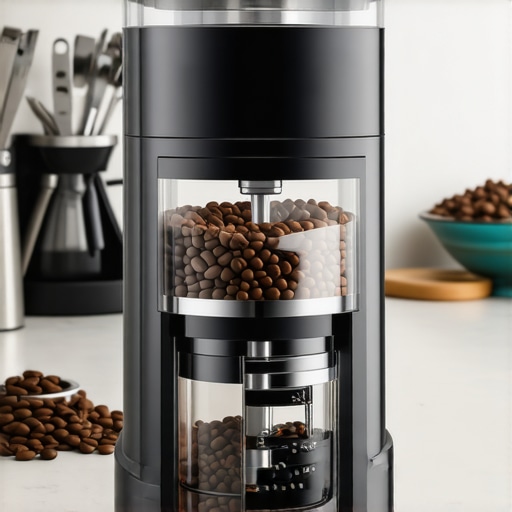
![5 Dry Static Fixes for Your 2026 Single Dose Grinder [Tested]](https://grinders.espressotechguide.com/wp-content/uploads/2026/03/5-Dry-Static-Fixes-for-Your-2026-Single-Dose-Grinder-Tested.jpeg)
One response to “5 Smart Workflow Fixes for Your 2026 Single Dose Grinder”
Reading through this post really struck a chord with me. I’ve also spent countless mornings trying to dial in the perfect grind, only to get inconsistent results that frustrate the heck out of me. What I’ve found helpful is actually maintaining a dedicated routine for cleaning and burr alignment—small steps that keep my grinder performing at its best. I remember one time ignoring static buildup and noticing my grounds clinging to the portafilter unevenly. Installing a grounded strip made a huge difference. It’s incredible how little things like static management can impact shot quality.
I’m curious, has anyone experimented with different static reduction techniques or tools that really moved the needle for them? Also, do you think that future grinders might incorporate more self-maintenance features that would make our lives easier? It seems like the evolution in this area might really help both home enthusiasts and pros alike to maintain peak performance effortlessly.