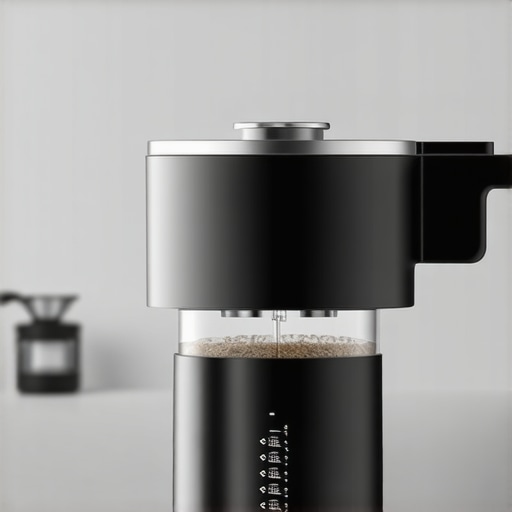
I vividly remember the moment I spilled an entire hopper of coffee beans all over my kitchen counter, realizing that my traditional grinder wasn’t just wasting beans but also messing with my brew. That frustration led me down a rabbit hole of research and experimentation, uncovering the undeniable advantages of adopting a single dose grinder. If you’ve ever grappled with inconsistent grinds, static cling, or wasted beans, you’re not alone. These issues can turn an enjoyable morning ritual into a frustrating chore.
Why So Many Coffee Enthusiasts Are Saying No to Hoppers
Traditional coffee grinders with hoppers have been the norm for decades, mostly because they seem convenient. You just fill them up, grind, and go about your day. But times are changing, especially with the rapid evolution of coffee technology in 2026. More home baristas and professionals alike are discovering that hoppers can introduce a host of problems, from grind inconsistency to static buildup. Plus, in my experience, the static and retention issues directly affect flavor clarity and extraction precision.
Is It Really Worth Ditching My Hopper?
Early in my journey, I made the mistake of dismissing single dose grinders as merely a niche obsession. I thought, “Why bother when hoppers are so much faster?” But I learned the hard way that quickness often sacrifices precision. Static buildup was ruining my shots, and I was wasting beans with every grind. That mistake cost me quality—and a fair amount of beans. Now, I genuinely believe that swapping out hoppers for single dose systems is a game-changer, especially with the new innovations driving this trend in 2026. Want to see how this shift can improve your brew? Let’s dive into the five key benefits that have completely transformed how I enjoy coffee today.
Set Your Grinder to the Right Grind Size
Begin by adjusting your burr grinder to the size best suited for your brewing method. For espresso, aim for a fine, powdery texture similar to table salt. To find this, turn the grind size dial slowly while pulling a shot; a too-coarse grind will result in weak, sour shots, while too-fine can cause over-extraction and clogging. Use a digital caliper if necessary to measure consistency between grinds, ensuring uniform particle size for optimal shot clarity. Personally, I once spent a Saturday experimenting with different settings and noticed a clear difference in shot smoothness after fine-tuning my grinder. This step is crucial for precision brewing. To improve your technique, check out this guide.
Choose and Load the Proper Coffee Dose
Single-dose grinding means measuring coffee precisely each time. Use a scale to weigh your beans—typically 18-20 grams for a double shot. Avoid hoppers; instead, measure and load your beans directly into the burr chamber. This minimizes static buildup, which is a common static cling issue. I recall spilling beans when trying to scoop directly from the bag, leading to uneven doses. Now, I weigh and load in a single motion, which enhances consistency. Remember, uniform dosage directly influences extraction quality. For tips on dosing precision, refer to this article.
Optimize Your Grind Distribution
After loading beans, distribute the grind evenly within the chamber before tamping. Use a distribution tool or tap the grinder lightly to settle the grounds uniformly, preventing channeling during extraction. This step is often overlooked but can dramatically improve flavor clarity. I once used a small finger tap to distribute the grounds evenly, which resulted in a more uniform shot. Uneven distribution causes uneven extraction, leading to sour or bitter notes. Incorporate this into your routine to push your extraction quality higher.
Maintain Burr Sharpness and Alignment
Regularly inspect burrs for sharpness and alignment. Dull burrs crush rather than cut coffee, producing inconsistent grind sizes and muddy flavors. Use a burr cleaner or run the grinder empty with a cleaning brush to remove buildup. If you notice inconsistent particle sizes or static issues, check for misalignment—little adjustments can restore uniformity. I learned this the hard way when my shots started tasting flat after neglecting burr maintenance. Proper alignment and sharpness are fundamental for micro-level precision. For detailed troubleshooting, visit this resource.
Use the Correct Tamping and Flow Techniques
Apply even, consistent pressure when tamping to ensure uniform water flow through the coffee bed. Use a tamper with a flat base and apply steady force—about 30 pounds of pressure. A level tamp prevents channeling and guarantees even extraction. When brewing, pour hot water at a controlled, steady flow—ideally directly over the center—since inconsistent pouring causes uneven extraction. I once used a scale to gauge my tamping pressure, which improved my shot consistency. Refining your technique in these small details makes a big difference in your espresso’s mouthfeel and flavor profile.
Keep Your Workflow Static-Free
Static charge can cause coffee grounds to cling and scatter, wasting beans and making precise dosing difficult. To combat static, run your grinder with an anti-static mat under it, or use a humidity pack in your coffee storage. Regularly cleaning your grinder with a brush prevents static buildup. I experimented with different anti-static solutions and found that a simple humidity adjustment in my kitchen reduced static significantly, leading to cleaner grounds and easier dosing. Static control is essential for maintaining the integrity of your grind; learn more about static fixes at this link.
Experiment and Record Results
Finally, keep a log of your grind settings, dose weights, tamping pressure, and resulting shot quality. Vary one parameter at a time and note effects on aroma, body, and acidity. With each session, make small adjustments, such as tightening the grind or altering tamp pressure, until you lock in your ideal flavor profile. I maintain a small notebook to track my tweaks, which has saved me hours of trial-and-error. Precision in reproducibility is the pinnacle of a refined brewing routine. For deeper insights, explore mastering grind consistency.
Many enthusiasts believe that dialing in a consistent grind is simply about adjusting the burrs and measuring coffee accurately. However, the real nuance lies in understanding the subtleties that influence grind behavior and extraction quality. For example, it’s a common misconception that static buildup and retention are minor issues; in reality, they can dramatically affect grind consistency, leading to uneven extraction and flavor inconsistencies. Static cling causes coffee grounds to stick to the chamber walls, skewing doses and introducing variability. Using antip-static measures, such as humidifying your environment or incorporating static-reducing accessories, can significantly improve your results. Moreover, many assume that burr alignment is a one-time fix, but even slight misalignments over time can cause particles to grind unevenly, affecting shot clarity. Regularly checking and calibrating your burrs is crucial for maintaining precision. Advanced users often ask, “How does burr wear influence grind distribution over time?” The answer is that dull burrs preferentially crush coffee, producing inconsistent particle sizes, which compromises extraction and flavor depth. Maintaining sharp, well-aligned burrs ensures uniform particle sizes, critical for nuanced brews, especially when aiming for single-origin or light roasts. Experts, like those cited in this resource, emphasize that understanding these subtle factors elevates your brewing from good to exceptional. Remember, achieving true grind consistency isn’t just about initial calibration; it’s an ongoing process of attention to detail. Have you ever fallen into this trap? Let me know in the comments.
To maintain optimal performance of your single dose grinder, incorporating specific tools and routine practices is essential. I personally rely on a high-quality calibration caliper to measure burr differences precisely, ensuring consistent particle size after each tune-up. Additionally, a dedicated burr cleaning brush is invaluable; I use mine weekly to remove coffee oil buildup that can dull burr edges and compromise grind uniformity. Investing in a digital scale with at least ±0.1g accuracy allows for precise dosing, which directly influences shot consistency.
How do I maintain my grinder’s performance over time?
Regularly check burr alignment using a simple alignment test—placing a piece of paper between the burrs and observing the clearance can reveal misalignments before they affect your brew. Seasoning your burrs periodically by running extra beans through helps keep them sharp and ensures consistent grinding behavior, especially with new equipment. The evolution of burr materials, like titanium coatings, promises longer-lasting sharpness, whereas tools like seasoning processes are becoming more sophisticated. As the trend towards ultra-precision continues, it’s clear that proactive maintenance extends your grinder’s lifespan and keeps your grind consistency intact.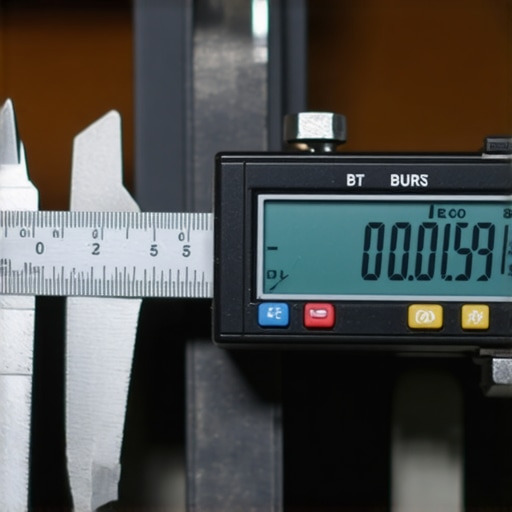
Here’s my favorite tool: a precision caliper, which I use to monitor burr wear and alignment over time. This small investment pays dividends by preventing subtle misalignments that could lead to uneven particle size and compromised flavor. Many expert baristas emphasize routine calibration, referencing detailed guides like how burrs influence flavor. Remember, a well-maintained grinder is a silent hero behind every excellent shot. Next time you notice inconsistency, try measuring burr alignment and seasoning your burrs — these small steps can significantly uplift your brew quality and save you time and beans in the long run. Stay proactive, and your grinds will thank you.
Embracing the lessons learned from my journey, it’s clear that achieving excellence with your single dose grinder goes beyond just equipment. The real advantage lies in the mindset of attention to detail and continuous refinement. Over time, I discovered that small tweaks—like adjusting tamping pressure or recalibrating burr alignment—can elevate your brewing experience to professional quality. Remember, consistency isn’t a destination but a continual pursuit. Keep experimenting, stay curious, and let your passion for coffee drive you towards mastery.
What I Wish I Knew Before Fully Switching to Single Dose
- Patience Pays Off: Transitioning from hopper grinders meant unlearning speed for precision. I wish I had given myself more time to dial in settings and understand the nuances of static control and burr wear. Instant results are tempting, but lasting quality requires patience.
- Investing in Quality Tools Matters: From calibration calipers to static-neutralizing accessories, the right tools make a visible difference in consistency. Over time, I realized that a small investment in these tools saves countless beans and frustration.
- Routine Maintenance Is Non-Negotiable: Regular burr cleaning and alignment checks prevent subtle inconsistencies from sabotaging your shots. Consistency is built on the foundation of diligent maintenance.
- Documentation Accelerates Progress: Keeping a detailed log of grind settings, dose weights, and shot outcomes helped me fine-tune my routine efficiently. It’s a simple step that pays enormous dividends in quality and repeatability.
Craft Your Coffee Ritual with Trusted Resources
- Mastering grind consistency: For deep insights into burr calibration and grinding nuances, this guide offers expert tips that transformed my approach.
- Choosing the best equipment: If you’re contemplating upgrades, this list of top grinders in 2024 helps identify machines that align with your precision goals.
- Preventing static and retention issues: Static can be sneaky, but comprehensive solutions are detailed in this article.
Fuel Your Passion and Take Action Today
Now is the perfect moment to refine your setup, embrace meticulous habits, and deepen your understanding of grind physics. Every small improvement compounds, leading to richer flavors and more satisfying brews. Your journey with a single dose grinder is uniquely yours—trust in your process, stay committed to learning, and enjoy the extraordinary coffee adventures ahead.
What is the biggest challenge you’ve faced when trying to perfect your grind? Share your experiences below—let’s learn from each other’s journeys to coffee excellence!
![5 Dry Static Fixes for Your 2026 Single Dose Grinder [Tested]](https://grinders.espressotechguide.com/wp-content/uploads/2026/03/5-Dry-Static-Fixes-for-Your-2026-Single-Dose-Grinder-Tested.jpeg)