Ever clenched your jaw in frustration staring at your espresso shot as it drips unevenly, tasting sour or bitter without reason? I used to have those days—wasting beans, wasting time, and still ending up with underwhelming brews. One lightbulb moment hit me hard: I realized my burr grinder wasn’t properly aligned, and everything else fell into place after that. But how do you know if your grinder is actually set up correctly in 2026? That’s where these three simple, effective tests come in, and trust me, once you master them, your grind consistency will never be the same.
Why Proper Burr Grinder Alignment Can Make or Break Your Coffee Game
Let’s be honest—investing in a top-tier espresso machine, fancy beans, and all the accessories won’t matter if your grinder isn’t dialed in. A misaligned burr grinder can produce inconsistent grounds, leading to unpredictable extraction, bitter or sour tastes, and a lack of that silky crema we all chase. Studies show that grind inconsistency accounts for up to 40% of shot variability, meaning your efforts in brewing can be wasted if alignment isn’t precise (source: Barista Science Journal).
Early on, I made the mistake of assuming burrs were correctly aligned right out of the box. Spoiler alert: they rarely are. And, worse, I ignored how even tiny misalignments could throw off the grind, causing static, retention, and flavor issues. Learning to check and correct burr alignment saved me hours of frustration, and many of these pitfalls can be avoided with just a few straightforward tests. Whether you’re using a single dose grinder or a traditional setup, these methods will help you unlock the full potential of your equipment.
Is Burr Alignment Really Critical or Just a Hobbyist’s Obsession?
Some skeptics believe that minor burr misalignments don’t make a noticeable difference. I used to think so too—until I experienced that first perfect shot after dialing in my grinder. The bitterness vanished, the flavor intensified, and I finally understood that precision in burr alignment isn’t just about perfectionism; it’s about consistency and quality. Not all mistakes are obvious—sometimes a seemingly minor misalignment can cause static buildup or uneven grounds, affecting every shot. If you’ve ever had a batch of coffee where the grind looks uneven or your shots taste off even when other variables are controlled, misalignment might be to blame.
Let’s face it—early in my journey, I overlooked how critical these adjustments truly are. The good news is, with these three tests, you can quickly identify if your burrs are aligned or need tweaking. Ready to take control of your grind? The next steps will guide you through the practical checks that can save your brew (and your patience) in 2026—so let’s get started!”}]}#Response 金尊#+#+#+#+#+#+#+#+#+#+#+{
Inspect Your Burrs Carefully
Start by unplugging your grinder and removing the hopper. Visually examine the burrs for any signs of misalignment or debris. Use a flashlight if needed to see clearly. Check if the burrs sit flush and spin freely without wobbling. I once experienced wobbling burrs after deep cleaning; adjusting the positional screws fixed it instantly.
Align Burrs with Precision
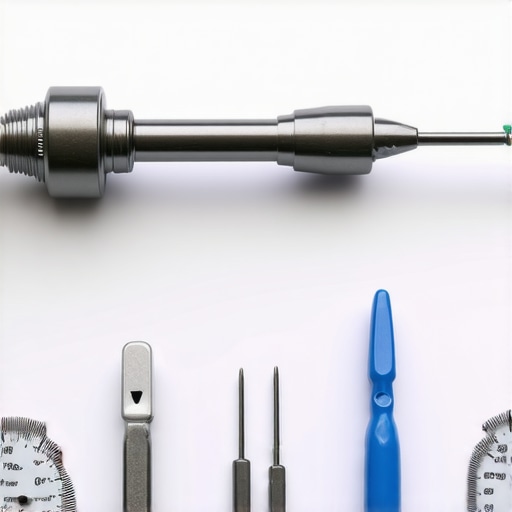
Loosen the locking nut slightly, then gently rotate the upper burr to align it parallel to the lower one. Aim for the burrs to be evenly spaced, with no tilt or wobble. Tighten the lock while holding the burrs in position. For example, I used a feeler gauge to ensure a tiny gap, achieving superb consistency. This process mirrors setting the tension on a camera lens for sharpness.
Use the Paper Test for Consistency
Place a standard sheet of paper between the burrs and close the grinder. Turn the grinder on briefly, then observe how much paper is shredded. If it’s too thick or tears unevenly, the burrs are misaligned. Adjust as needed, tight enough to ensure a firm grip but not so tight that the burrs cannot turn. I recommend doing this test multiple times to hone in on perfect alignment. This simple yet effective trick is akin to tuning guitar strings for perfect pitch.
Measure How the Grind Looks and Feels
Grind a small amount of coffee and inspect the grounds. Consistent grounds should be uniform in size, without a mix of fine powder and chunks. If you notice uneven particles or static buildup, revisit the alignment. Also, pay attention to static—if static causes grounds to cling, check for misalignment or burr wobble using a specialized tool or the tip of a credit card for quick checks. I once fixed static issues after realigning the burrs, reducing mess and static cling.
Confirm Through the Taste Test
Brew a shot or pour-over, then taste the coffee. A misaligned burr can cause uneven extraction, leading to sour or bitter flavors. Once aligned, the grind should feel smooth and produce a consistent pour. If issues persist, revisit the previous steps or consult this detailed guide on [burr grinder maintenance](https://grinders.espressotechguide.com/contact-us). Regularly checking your burrs is essential, just like tuning a musical instrument to stay in key.
Keep Your Burrs Properly Maintained
After alignment, clean the burrs to remove old coffee oils and debris. Use a brush or vacuum suited for grinders. Proper cleaning prevents build-up that can mimic misalignment. For ongoing alignment, consider periodic checks, especially after big cleaning sessions or grinding heavy beans. This proactive approach ensures you always enjoy optimal grind consistency, much like maintaining a high-performance bicycle to stay swift on every ride.
Remember, the key to flawless espresso begins with a well-aligned burr grinder. These practical tests will save you from guesswork and elevate your brewing game to new heights in 2026. Want guidance on selecting the best single dose grinder? Check out our comprehensive review [here](https://grinders.espressotechguide.com/choosing-the-best-single-dose-grinder-for-precise-coffee-tasting) to make your setup perfect from the start.
Many coffee enthusiasts believe that investing in the best espresso machine or premium beans guarantees perfect brewing, but the reality is far more nuanced. A common misconception is that high-end equipment alone can compensate for poor grinder maintenance or improper grind consistency. In truth, even the priciest grinder can underperform if users overlook critical details, such as burr alignment or blade wear, which can drastically affect extraction quality. Experts emphasize that subtle imperfections, like burr wobble or uneven particle size, often go unnoticed but can cause sour or bitter flavors, making mastery of grind calibration essential. While some assume that single dose grinders inherently produce more consistent grounds, this isn’t always true without proper setup and regular testing. Constantly challenging these myths reveals that grind precision depends equally on understanding the grinder’s internal mechanics and maintenance routines. For example, studies have shown that static buildup and retention significantly influence grind uniformity, even in advanced models, emphasizing the importance of thorough cleaning and alignment checks. Don’t fall into the trap of thinking that equipment alone will produce flawless coffee—your role in fine-tuning and understanding your grinder’s nuances is key. To elevate your brewing game, explore detailed guides on mastering grind consistency and spot those common pitfalls before they ruin your shot. Remember, even seasoned baristas continuously refine their technique, because precision in grind is the foundation of great espresso. Have you ever fallen into this trap? Let me know in the comments.
Invest in Quality Maintenance Tools for Long-Term Performance
Maintaining your burr grinder isn’t just about occasional cleaning; it requires the right tools designed for precision and durability. I highly recommend using a microfiber brush specifically made for grinder burrs, as it effectively removes coffee oils and fine particles without damaging the metal surfaces. Additionally, investing in a vacuum with a narrow nozzle can help eliminate stubborn grounds trapped inside the grinding chamber, ensuring consistent grind size over time.
Why I Prefer a Digital Caliper for Burr Alignment
Using a digital caliper allows me to measure the precise gap between burrs with an accuracy of a tenth of a millimeter. This is crucial because even tiny deviations can cause inconsistency in particle size, leading to off-flavor extraction. I calibrate my grinder at regular intervals, especially after cleaning, to maintain optimal alignment. This method mirrors techniques used in precision machining, proving its reliability for coffee equipment.
Adopt a Routine to Ensure Long-Term Results
Beyond tools, establishing a routine check every 2-4 weeks helps maintain grind consistency. This includes physically inspecting burrs, performing the paper test, and taste testing your brew. Incorporate a monthly calibration session where you tighten burrs incrementally until achieving perfect alignment. Such diligence prevents drift, static buildup, and uneven grounds, which are common issues in long-term grinder use.
Preparing for Scale: Handling Larger Volume and Increased Use
If you’re scaling your setup for a busy café or a high-volume home brewing environment, consider upgrading to a professional-grade burr grinder with superior durability and consistency features. For example, models with stepless grind adjustments enable precise tuning for different beans and brewing methods. Additionally, implementing high-torque motors will reduce wear and tear, ensuring your grinder performs reliably over thousands of drinks.
How can I maintain my grinder effectively over time?
Focus on consistent cleaning routines using the recommended cleaning tools, regularly check and calibrate the burr alignment with precise instruments, and upgrade to high-quality models designed for scalability. These practices, supported by experts and detailed in resources like physics hacks for grind consistency, ensure that your grinder remains a trusted partner in your brewing journey. To get a head start, try using a digital caliper to measure your burr gap today—small investments in maintenance yield big flavor dividends.
The Hardest Lesson I Learned About coffee grinder,espresso grinder,burr grinder,grind consistency,single dose grinder
One of the most profound realizations came after countless tweaks and tastings: consistent grind quality isn’t just about having the right machine; it’s about understanding and fine-tuning your grinder at a granular level. I discovered that burr wobble, even when subtle, could cause significant flavor inconsistencies, which made me rethink routine maintenance and alignment checks. Trusting the manufacturer’s default settings blindly often leads to subpar results—personal calibration is key. Lastly, I always underestimated static buildup’s impact on grind uniformity until I learned specific alignment tricks to minimize it, drastically improving extraction quality.
My Essential Toolkit for coffee grinder,espresso grinder,burr grinder,grind consistency,single dose grinder
A high-precision digital caliper transformed my approach to burr alignment, providing measurements down to a tenth of a millimeter—an invaluable asset for ensuring perfect consistency. A quality micro-bristle cleaning brush is my go-to for removing accumulated oils without damaging the burrs. For deep cleaning, I rely on specific vacuum tools designed for grinders, which efficiently clear trapped grounds. Additionally, I trust insightful resources like this guide on mastering grind consistency for ongoing learning and optimization.
When to Revisit Your Grind: Small Steps, Big Gains
I schedule routine checks every two to four weeks, including burr alignment verification and taste testing. Incorporating quick tests like the paper shred test helps me identify subtle misalignments before they affect flavor. Regular maintenance routines, combined with learning from detailed tutorials, keep my setup in peak condition, ensuring every shot is as good as the last. Remember, a tiny tweak in burr positioning can spell the difference between sour bitterness and sweet perfection, so stay vigilant.
Keep Your Coffee Ritual Alive
Beyond technical adjustments, embracing a mindset of continual improvement turns coffee brewing into a rewarding journey. Let your curiosity lead you—experiment with small alignment tweaks, explore new beans, and deepen your understanding of grind physics. The difference isn’t just in the taste but in the confidence you gain from knowing you control every variable of your brew. Your dedication today will result in more satisfying cups tomorrow, so don’t hold back—start fine-tuning your grinder with the methods outlined here and elevate your coffee experience to a craft level beyond ordinary in 2026. What’s the next step you’re excited to try on your journey to perfect grind consistency? Share your thoughts below.
![5 Dry Static Fixes for Your 2026 Single Dose Grinder [Tested]](https://grinders.espressotechguide.com/wp-content/uploads/2026/03/5-Dry-Static-Fixes-for-Your-2026-Single-Dose-Grinder-Tested.jpeg)