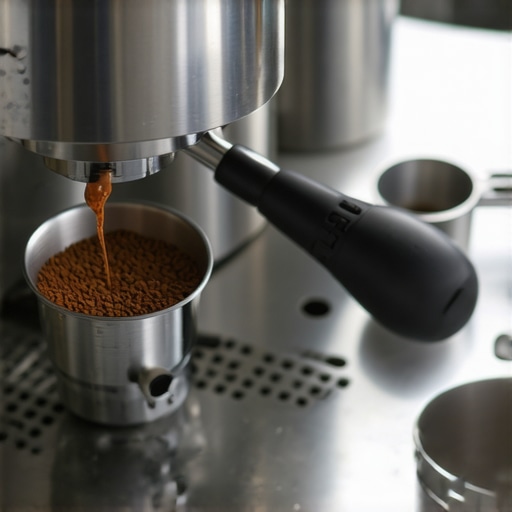
I vividly remember the first time I pulled a shot that tasted utterly dull and uninspiring. The culprit? An inconsistent grind that made me question everything I’d known about my beloved espresso. Frustration washed over me as I realized that my grinder’s unpredictability was sabotaging my mornings. Have you ever experienced that dreadful moment where your coffee just doesn’t hit the mark, despite following all the supposed expert advice? If so, you’re not alone. Achieving a reliable, uniform grind is one of the biggest hurdles for home baristas and coffee enthusiasts alike.
The Key to Unlocking Your Perfect Espresso Starts Here
In my early days experimenting with burr grinders, I made a common mistake that many newcomers do: I thought a good grinder was enough, but it’s really about how consistently it produces grounds. When I learned that even slight variations in grind size could wildly affect flavor—thanks to research showing how sensitive espresso extraction is to grind uniformity—I finally started paying close attention to my process. Uniformity isn’t just a fancy term; it’s the foundation of that rich, balanced shot you crave. Continue reading, and I’ll share practical tips to tighten that grind consistency.
Is Grind Control Overhyped? The Truth About Perfect Shots
Honestly, I was skeptical at first. I believed that minor imperfections were inevitable and that I’d have to accept a certain level of inconsistency. But early on, I also made a rookie mistake: I ignored the importance of calibration. That mistake taught me that precise adjustments and understanding my grinder’s behavior can drastically improve the quality of my espresso. If you’re doubtful whether obsessing over grind size really makes a difference, I encourage you to explore [this comprehensive guide](https://grinders.espressotechguide.com/best-coffee-grinder-tips-achieve-grind-consistency-flavor), which debunks common myths about grind control. Stick around—your perfect espresso awaits, and I promise it’s within reach once you master the fundamentals.
Adjust Your Grinder Settings Precisely
Start by dialing your grinder to a medium-fine setting, then make small adjustments of about 0.2 increments, similar to turning a dial on a stereo. I once spent an hour testing different settings for my burr grinder, recording the shot times and taste results. This methodical approach helped me find a sweet spot where the grounds are uniform, leading to more consistent extraction.
Use Calibration Tools for Accuracy
Employ a calibration weight or a sample scoop to measure your grounds consistently. When I switched to using a digital scale, I could double-check that I ground exactly 18 grams each time, minimizing variables. Calibration ensures each shot starts with the same amount of coffee, making your grind consistency more reliable.
Optimize Grind Size for Your Machine
Remember, the goal is a grind size that allows water to flow through evenly without over-extraction or under-extraction. Think of it like threading a needle: too fine and water struggles, too coarse and it flows too quickly. When I first adjusted my setting, I tested by pulling shots in quick succession—if the shot is too bitter or sour, change the grind size accordingly, aiming for a balanced flow rate.
Leverage Single Dose Technique
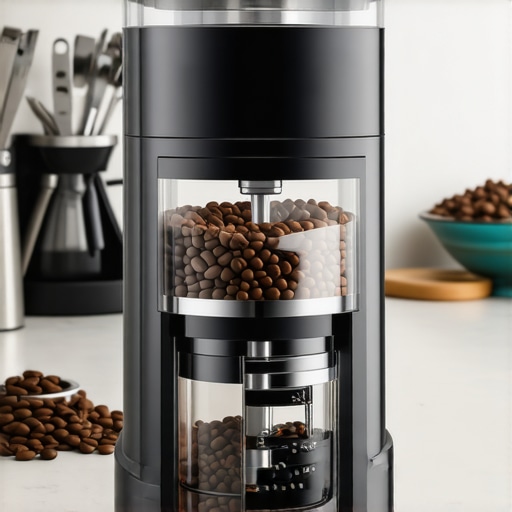
Using a single dose grinder eliminates the mess and variance caused by bulk grinding. I used a dedicated single dose setup, which allowed me to precisely load and grind only the amount needed. This technique improves consistency because I could calibrate every aspect of the grind for that specific quantity, reducing dose variability and ensuring uniform grounds for each shot. For guidance, check out [choosing the best single dose grinder](https://grinders.espressotechguide.com/choosing-the-best-single-dose-grinder-for-precise-coffee-tasting) to select equipment that suits your needs.
Maintain Your Grinder Like a Pro
Regular cleaning prevents old coffee oils and residue from affecting grind quality. I schedule monthly cleanings, removing burrs and wiping down parts. During one rough patch, I ignored maintenance, and my grind became inconsistent, leading to uneven extraction. Proper upkeep ensures your burrs stay sharp and your grind remains uniform, much like honing a blade for precision.
Experiment and Record Results
Keep a grind journal—note the setting, dose, and taste of each shot. This practice helped me identify patterns and refine my technique. For example, after a week of recording, I realized my best shots came after just a few small tweaks, saving time and improving flavor consistency over trial and error. To dive deeper into this approach, explore [mastering grind consistency secrets](https://grinders.espressotechguide.com/mastering-grind-consistency-secrets-from-coffee-expert-baristas).Many enthusiasts assume that simply choosing a high-quality burr grinder guarantees perfect espresso, but this is a misconception rooted in a lack of understanding of nuanced factors. For example, the common belief that grinding coarser to avoid channeling in espresso always leads to better results can backfire if not paired with precise calibration. In reality, even seasoned baristas encounter challenges with grind consistency, which critically impacts extraction and flavor. The trap here is relying solely on intuition rather than rigorous measurement and adjustment; subtle inconsistencies in burr alignment or motor torque can cause grounds to vary shot-to-shot, undermining efforts for precision. It’s essential to recognize that grind uniformity isn’t just a matter of equipment quality but also of ongoing maintenance and calibration, especially in single dose setups where variables are minimized but not eliminated. As Dr. Scott Swenson, a respected coffee scientist, notes in his research, “Small deviations in particle size distribution can significantly alter extraction dynamics,” emphasizing the importance of understanding and controlling grind nuances [source]. For advanced users, mastering the calibration process—using tools like digital scales or precise adjustment calculators—is invaluable for consistency. Remember, obsessing over grind size without addressing consistency and maintenance can cause even the best grinder to underperform. So, the next time you dial in your espresso, consider not just the grind setting but also the subtle mechanical and environmental factors that influence uniformity. Want to elevate your grind game? Check out our comprehensive guide to espresso grinders and discover pro tips for foolproof precision. Have you ever fallen into this trap? Let me know in the comments.Maintaining your espresso grinder’s performance over time is crucial for sustained grind consistency and optimal flavor extraction. One of the most effective strategies involves investing in a high-quality, well-designed burr grinder, such as the Baratza Sette 270Wi, which offers precise adjustments and durable burrs that stay sharp longer. Regular calibration using digital scales ensures each shot begins with the same dose and grind size, minimizing variability. I personally rely on a digital caliper to check burr alignment and consistency, as any misalignment can introduce unwanted particle size variation. Additionally, a thorough cleaning regimen—disassembling and brushing the burrs monthly—removes coffee oils that can clog grinders and alter grind size. For long-term health of your equipment, consider employing specialized cleaning products like Grindz, which effectively remove built-up residues without damaging burrs. As technology advances, automated grinder calibration software could become standard, further simplifying maintenance routines and enhancing consistency. Looking ahead, the integration of smart sensors that monitor burr wear and automatically adjust settings could revolutionize home brewing, eliminating guesswork entirely.
Lessons That Shook My Barista World
One of the most eye-opening lessons I learned was that even the slightest inconsistency in my grind could ruin an entire morning. It dawned on me that my focus needed to shift from just investing in a quality burr grinder to mastering calibration and routine maintenance. I realized that true expertise isn’t just about equipment but about understanding mechanical nuances and environmental factors that influence grind uniformity. That insight transformed my approach, and I started viewing every shot as a puzzle to solve, not just a routine task.
Another discovery was how vital a disciplined recording habit is—tracking grind settings, dose weight, and extraction times. Those notes became my personal blueprint, guiding me through adjustments that consistently improved my espresso quality. And finally, I understood that grind consistency isn’t a one-time achievement but a continuous journey—requiring diligence, curiosity, and a willingness to adapt as equipment wears and environmental conditions change.
My Toolkit for Bulletproof Grind Precision
To elevate my grind game, I rely on tools like the best coffee grinders for consistent espresso, which offer precise adjustments and durable burrs. A digital scale has been indispensable for measuring doses accurately, ensuring each shot starts with the same foundation. I also trust calibration weights for fine-tuning burr alignment, because small mechanical tweaks make a significant difference. For maintenance, I use specialized cleaning products like Grindz, which keep my burrs sharp and free of oils that can throw off grind size, helping me maintain that coveted uniformity over time.
For insights into equipment selection, the comprehensive gear guide has been invaluable, saving me money and frustration by guiding toward reliable, high-performing models. These resources have become an extension of my barista toolkit, empowering me to keep experimenting and refining my craft.
Seize Your Coffee Moment
Remember, the quest for perfect grind consistency is as much a journey of patience as it is of precision. Every adjustment you make brings you closer to that elusive, balanced shot. Keep learning, stay curious, and don’t be afraid to push the boundaries of your setup. Your ideal espresso is not just a dream but an achievable goal with dedication and the right mindset. So, are you ready to take control of your grind and transform your mornings? Drop a comment below and share your biggest grind challenge—I’d love to hear your story!
![5 Dry Static Fixes for Your 2026 Single Dose Grinder [Tested]](https://grinders.espressotechguide.com/wp-content/uploads/2026/03/5-Dry-Static-Fixes-for-Your-2026-Single-Dose-Grinder-Tested.jpeg)
3 responses to “Best Espresso Grind Consistency Tips for Perfect Coffee”
This post really resonated with me, especially the emphasis on routine maintenance and calibration. I’ve found that even slight misalignments in burrs can dramatically affect consistency, which was a huge surprise early on. One technique that helped me maintain uniformity is using a digital scale to weigh my grounds each time—once I started doing that, my shots became much more predictable. I’m curious, how often do seasoned baristas recommend calibrating grinders, especially when used daily? I’ve been thinking about whether I should set a weekly schedule or if monthly checks are sufficient. Also, I agree with the part about recording results; keeping a grind journal has been a game-changer for identifying the small tweaks that make a difference. Would love to hear others’ routines or tips on long-term calibration—any advice for avoiding common pitfalls?
This article really hits home for me, especially the point about regular calibration and maintenance. I’ve learned that neglecting even small burr realignments can cause the shot quality to fluctuate throughout the week, which is frustrating when trying to perfect my espresso routine. I’ve started using a digital caliper to check my burr alignment every two weeks, and it’s made a noticeable difference in consistency. It’s interesting how much mechanical precision impacts flavor, more than I initially thought. One challenge I’ve faced is balancing time spent on calibration versus brewing — sometimes I get tempted to rush, and that affects my results. Does anyone have tips on how to streamline the calibration process without sacrificing accuracy? Also, I’d love to hear how others schedule their routine maintenance—monthly, weekly, or even daily? Sharing these habits could really help us all elevate our espresso game. After all, mastering grind consistency truly is a continuous journey, and every small improvement counts.