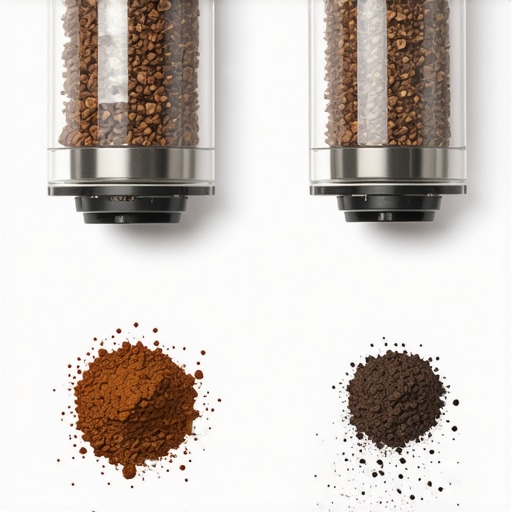
My Coffee Journey: Discovering the Power of Burr and Flat Grinders
As a passionate home barista, I’ve spent countless mornings tweaking my espresso setup. I vividly remember the first time I realized that the grind size and consistency could make or break my brew. It was a game-changer when I finally invested in a burr grinder after struggling with inconsistent results from my blade grinder. Today, I want to share my personal experience and insights into the debate between burr vs flat grinders and which offers better grind consistency for espresso.
Why Grind Consistency Matters in Espresso
In my journey, I learned that grind consistency is crucial for extracting the perfect shot of espresso. Uneven grounds lead to over-extraction or under-extraction, resulting in sour or bitter flavors. Achieving uniform grounds ensures that water interacts evenly with coffee particles, producing a balanced and flavorful shot. According to industry experts, consistent grind size is the foundation of great espresso.
My Experience with Burr Grinders: The Gold Standard?
Over time, I experimented with different types of burr grinders—conical and flat. I found that burr grinders generally excel at producing uniform grounds. The conical burrs I started with were reliable, but I noticed that flat burr grinders sometimes delivered even more consistent results, especially at finer settings. The flat burrs’ design ensures that the coffee beans are ground between two flat surfaces, which helps in achieving precise grind size. This consistency proved vital when dialing in my espresso, as I could replicate the grind settings with greater confidence.
Are Flat Burr Grinders Truly Superior for Espresso?
From my personal perspective, flat burr grinders often have an edge when it comes to grind uniformity. They tend to produce fewer fines and boulders, resulting in better flow and extraction. However, they can be more prone to heat buildup, which might affect flavor if not properly managed. I always make sure to grind in short bursts and keep my grinder clean, as recommended by coffee experts.
Is one type of grinder better suited for my specific brewing style?
This question has haunted many home baristas, myself included. The answer depends on your preferences, budget, and the specific espresso machine you use. I suggest trying both types if possible, and paying attention to how each impacts your shot quality. For consistent results, some enthusiasts prefer dedicated single-dose burr grinders, which minimize retention and allow for precise dosing. You can explore options like single-dose grinders for better control.
If you’re serious about perfecting your espresso, I highly recommend reading detailed guides like this insightful resource. It’s been invaluable in refining my approach and understanding the nuances of grind consistency.
Feel free to share your experiences or ask questions in the comments — I love hearing how fellow coffee lovers are mastering their craft!
How Does Burr Grind Design Influence Espresso Quality?
Understanding the intricate design differences between burr grinders is essential for any serious home barista. Conical burrs, with their pointed shape, tend to generate less heat during grinding, helping preserve delicate coffee flavors. Flat burrs, on the other hand, provide a more uniform grind size due to their parallel grinding surfaces, which reduces the variation in particle size. This distinction can significantly affect the extraction process, leading to either more nuanced or more consistent espresso shots.
Experts emphasize that the choice between conical and flat burrs often boils down to personal preference and specific brewing needs. For instance, if you prioritize lower heat and quieter operation, conical burrs might be preferable. Conversely, if your goal is to achieve the most uniform grind possible for precise espresso extraction, flat burrs could be the way to go. To explore the nuances and practical implications further, check out this comprehensive guide.
What Are the Practical Benefits of Superior Grind Uniformity?
Achieving a consistent grind size directly impacts shot reproducibility. Uniform grounds allow water to flow evenly through the coffee bed, preventing channeling and ensuring optimal extraction of flavors. This consistency minimizes the guesswork involved in dialing in your grinder, saving time and improving your brewing confidence. Moreover, uniform grounds contribute to a cleaner flavor profile, avoiding over-extraction of fines or under-extraction caused by boulders.
For those committed to perfecting their espresso, investing in a high-quality grinder with excellent grind uniformity is crucial. You might consider exploring single-dose burr grinders designed to reduce retention and allow precise dosing, which further enhances consistency and flavor clarity.
Can Advanced Grinder Features Elevate Your Espresso Even Further?
Yes, several features can push your grind consistency to new heights. Steady grind adjustment mechanisms, for example, allow for micro-tuning, which is vital when perfecting espresso shots. Additionally, features like timed dosing ensure uniform grind amounts, reducing variability. Proper maintenance, such as regular cleaning to prevent oil build-up and particle contamination, also plays a vital role in maintaining consistent performance over time. For a detailed look at these features, visit this expert resource.
What if I Could Improve My Grinder’s Performance Without Buying New Equipment?
Many home baristas overlook the simple adjustments and maintenance practices that can significantly enhance grind consistency. For example, calibrating your grinder regularly, adjusting the burrs for optimal contact, and ensuring the grind setting is precise can make a notable difference. Additionally, using consistent dosing techniques and pre-weighing your coffee can mitigate issues stemming from inconsistent grind amounts. These small but impactful steps are often overlooked but can elevate your espresso quality without the need for costly upgrades. For more practical tips, see this detailed guide.
Feel free to share your experiences or ask questions—improving grind consistency is a nuanced journey that benefits from community insights and expert advice!
Beyond the Basics: Mastering the Nuances of Flat and Burr Grinders
Having experimented extensively with both flat and conical burr grinders, I’ve come to appreciate that the choice isn’t merely about grind consistency but also about how each design influences flavor nuances and brewing precision. Flat burrs, with their parallel grinding surfaces, often produce a remarkably uniform grind, which is my go-to for espresso where clarity and consistency are paramount. However, I’ve noticed that their tendency to generate heat can subtly alter the coffee’s delicate aromatic profile if not managed properly. This realization led me to develop a routine of short, controlled grinding sessions and thorough cleaning, aligning with expert advice from industry leaders.
How Do Burr and Flat Burr Designs Impact Flavor Extraction?
In my experience, the design intricacies of burr grinders directly impact how flavors are extracted during brewing. Flat burrs tend to produce consistent particle sizes, reducing channeling and over-extraction risks, which results in a cleaner, more refined espresso shot. Conversely, conical burrs, which generate less heat, often preserve more nuanced aroma compounds, especially when grinding darker roasts. This duality made me realize that selecting a grinder should also consider the coffee’s roast profile and desired flavor outcome. For a more detailed understanding of this relationship, I recommend exploring this comprehensive guide.
Is There a Perfect Grind Setting? My Personal Approach to Precision
One question I frequently pondered was whether there exists a ‘perfect’ grind setting—a myth I’ve debunked through hands-on experience. Instead, I’ve learned that the key is consistency in calibration and routine. I dedicate time to calibrate my grinder regularly, adjusting for burr wear and bean density variations, which can throw off my results. Using a digital scale for dosing and pre-weighing beans minimizes variability, ensuring each shot is as close to ideal as possible. For those striving for mastery, I suggest exploring single-dose grinders that afford precise control over dose and grind size.
How Can I Further Optimize My Grind Consistency Without Upgrading?
Sometimes, the simplest adjustments make the biggest difference. I found that routinely cleaning my burrs and aligning the grind settings after each session prevents buildup and ensures uniformity. Additionally, pre-setting the grinder for different beans, based on their roast level and origin, helps maintain consistent particle size. I also experimented with micro-adjustments—tiny tweaks to the grind size—to refine extraction without overhauling my entire setup. For more practical tips, check out this detailed resource. Your approach to routine maintenance and calibration can significantly elevate your brewing game, often more than costly new equipment.
What Are the Hidden Benefits of Superior Grind Uniformity That I Overlooked?
One insight I gained is that consistent grind size doesn’t just improve flavor; it also enhances the reproducibility of your shots. This consistency reduces the guesswork, enabling me to experiment more confidently with variables like tamp pressure and brew temperature. Moreover, uniform grounds contribute to less channeling and more even extraction, which I’ve found results in a richer and more balanced cup. For fellow enthusiasts eager to push their limits, exploring single-dose grinders can further refine your control over every variable.
Final Reflections: Balancing Art and Science in Coffee Grinding
My personal journey underscores that mastering grind consistency is both an art and a science. While technology and design play crucial roles, the real mastery comes from understanding your equipment, your beans, and your brewing style. I encourage fellow coffee lovers to embrace experimentation, routine calibration, and mindful maintenance. Sometimes, the most profound improvements happen not through new gear but through better understanding and care of what you already have. I’d love to hear about your experiences—share your insights or ask questions in the comments, and let’s continue this flavorful journey together!
Exploring the Impact of Burr and Flat Grinder Dynamics on Flavor Profiles
After extensive experimentation and a keen eye on evolving industry standards, I’ve come to appreciate that the subtle differences in burr design—be it conical or flat—can significantly influence the extraction nuances and aromatic preservation in espresso. Flat burrs, with their parallel grinding surfaces, tend to produce a more uniform particle size, which enhances clarity and consistency in flavor notes. Conversely, conical burrs often preserve delicate volatile compounds by generating less heat, especially advantageous for darker roasts. This interplay between design and flavor extraction underscores the importance of aligning grinder choice with your specific coffee profile and desired taste experience.
Leveraging Advanced Calibration Techniques for Peak Consistency
Achieving mastery over grind uniformity requires meticulous calibration beyond basic adjustments. I advocate for employing digital micrometers or precision scales to monitor burr alignment and depth. Regular calibration sessions, ideally after every few hundred grams of coffee, help compensate for burr wear and bean variability. Incorporating software or digital interfaces that offer micro-tuning capabilities can further refine grind settings, ensuring each shot maintains reproducibility. Industry insights from industry leaders emphasize that precision calibration is often the overlooked factor in elevating espresso quality.
Can I Optimize Grind Performance Without Frequent Equipment Upgrades?
Absolutely. Routine maintenance and strategic adjustments can dramatically enhance your grinder’s performance. For instance, implementing a weekly cleaning schedule, including disassembly and removal of oil residues, prevents particle contamination and ensures the burrs operate smoothly. Additionally, fine-tuning your grind setting based on ambient humidity, bean origin, and roast level can compensate for environmental variables that influence grind consistency. Using pre-weighed beans and consistent dosing techniques also minimizes variability. For a comprehensive deep dive into practical maintenance routines, explore this expert guide.
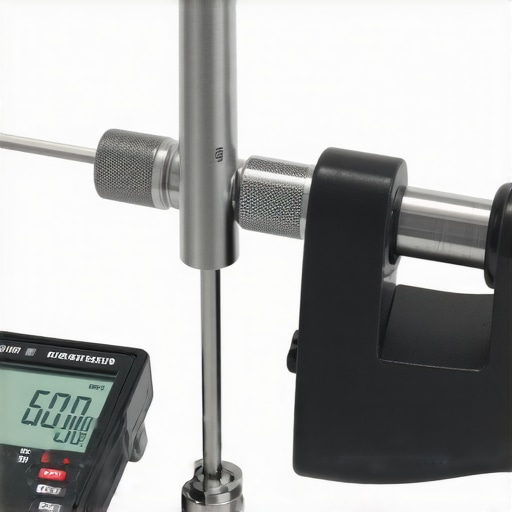
To visualize the intricate process of burr calibration and the impact of precision adjustments, consider an image illustrating a close-up of burr alignment tools and digital calibration devices in action.
What Advanced Features in Modern Grinders Elevate Espresso Precision?
Modern grinders equipped with features like stepless grind adjustment, timed dosing, and programmable presets enable a new level of control. These innovations facilitate micro-tuning, allowing baristas to dial in the perfect grind with unparalleled accuracy. Additionally, grinders with low retention designs and easy-to-clean pathways maintain grind purity and consistency over extended use. According to industry research, integrating these advanced features can significantly reduce variability caused by manual errors, especially during high-frequency brewing sessions. Such technological enhancements are pivotal in transitioning from good to exceptional espresso.
Engage with the Community of Coffee Connoisseurs
Deepening your understanding of grind dynamics and calibration techniques is an ongoing journey. I encourage you to share your experiences, challenges, and breakthroughs with fellow enthusiasts. Whether it’s fine-tuning your grinder, experimenting with different burr types, or incorporating new maintenance routines, each insight contributes to a richer appreciation of the craft. For personalized support or advanced troubleshooting, don’t hesitate to connect via this contact page. Let’s continue elevating our espresso mastery together!
Things I Wish I Knew Earlier (or You Might Find Surprising)
1. The Subtle Power of Burr Alignment
When I first started experimenting with different grinders, I underestimated how crucial burr alignment was. A slight misalignment could cause inconsistent particle sizes, leading to unpredictable espresso shots. Regularly calibrating my burrs with precise tools made a noticeable difference in my brew quality, turning good shots into great ones.
2. Heat Generation Matters More Than I Thought
Flat burr grinders tend to generate more heat, which can subtly alter coffee aromas and flavors if not managed properly. I learned to grind in short bursts and keep my grinder cool, preserving the delicate volatile compounds that make my espresso vibrant and rich.
3. Routine Maintenance Is a Game Changer
Cleaning my grinder weekly, especially the burrs, significantly improved grind consistency. Oil buildup and leftover particles can cause uneven grinding, so a simple routine kept my equipment performing at its best and saved me from costly replacements.
4. Dosing Precision Boosts Consistency
Pre-weighing my coffee beans and using digital scales for dosing eliminated variability. This small step helped me reproduce shots more reliably, which was essential for dialing in the perfect extraction.
5. The Choice Between Flat and Conical Burrs Isn’t Black and White
While flat burrs generally produce more uniform grounds, conical burrs excel at preserving nuanced aromas, especially with darker roasts. Understanding my preferred flavor profile helped me select the right grinder and optimize my brewing process.
6. The Impact of Grind Settings Can Be Subtle but Significant
Micro-adjustments to the grind size, combined with consistent calibration, allowed me to fine-tune extraction without overhauling my entire setup. Patience and small tweaks often yield the best results.
Resources I’ve Come to Trust Over Time
- Espresso Tech Guide: This site offers comprehensive guides and expert tips on grinder calibration and maintenance, which have been invaluable in my journey.
- Specialty Coffee Association (SCA): Their research and standards help me understand the science behind grind uniformity and extraction.
- Home Barista Forum: A vibrant community where I’ve learned from seasoned enthusiasts about practical adjustments and troubleshooting.
- Barista Hustle: Their detailed articles on grinder features and brewing techniques provide insights that elevate my coffee game.
Parting Thoughts from My Perspective
Mastering grind consistency is both an art and a science. From my personal experience, the most significant improvements come from routine calibration, proper maintenance, and understanding your equipment’s nuances. While investing in advanced grinders can help, often the key lies in how well you care for and optimize what you already have. If this resonated with you, I’d love to hear your thoughts or experiences. Share your journey in the comments, and let’s continue exploring the beautiful craft of coffee together!
![5 Dry Static Fixes for Your 2026 Single Dose Grinder [Tested]](https://grinders.espressotechguide.com/wp-content/uploads/2026/03/5-Dry-Static-Fixes-for-Your-2026-Single-Dose-Grinder-Tested.jpeg)