![Does Your 2026 Single Dose Grinder Need a Bean Weight? [Test]](https://grinders.espressotechguide.com/wp-content/uploads/2026/04/Does-Your-2026-Single-Dose-Grinder-Need-a-Bean-Weight-Test.jpeg)
I remember the first time I faced an uneven espresso shot that tasted more sour than sweet. After recalibrating my grinder, I realized I wasn’t just dealing with grind size—my entire approach to dosing was flawed. That lightbulb moment made me wonder: are we truly measuring our beans correctly, or are we just guessing and hoping for the best? It turns out, many of us overlook a simple yet critical factor that can make or break our brew: bean weight.
Why Precise Bean Weight Matters More Than Ever in 2026
In my early days, I thought grind setting alone dictated extraction quality. But as I delved deeper, I discovered that consistent bean weight plays a pivotal role in achieving that perfect shot. Some experts suggest that tiny variations in bean weight can lead to significant differences in flavor, especially with the trend towards lighter roasts and single-dose brewing. According to a study from the Specialty Coffee Association, slight weight discrepancies—even as small as a gram—can drastically alter extraction outcomes. This realization prompted me to reevaluate my routine and consider whether my grinder truly needed to account for bean weight.
Is It Worth the Fuss to Weigh Beans Every Time?
There’s no denying it can be tedious. Initially, I made the mistake of assuming that grind size was enough to compensate for any inconsistencies. But after experimenting, I found that weighing my beans ensured a repeatable process, reducing waste and improving flavor stability. If you’re like me, and you’ve faced unpredictable shots or inconsistent taste, you’re probably wondering if investing in a reliable scale and adjusting your workflow is worthwhile.
Let’s explore how understanding and controlling bean weight can transform your espresso game. Curious? Stay tuned—I’ll share practical steps, expert tips, and how to avoid common pitfalls to help you dial in your grinder with confidence.
Calibrate Your Scale for Consistency
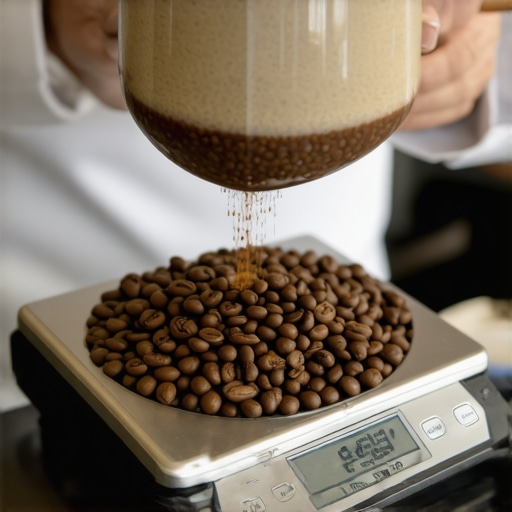
Start with a reliable digital scale that measures to at least 0.1 grams. Turn it on and tare it before each use to ensure accuracy. A good digital scale is your first step to controlled dosing. Once set, weigh a batch of beans to understand your average dose, creating a baseline for future shots. This initial calibration prevents guesswork and creates consistency—think of it as the foundation for brewing perfection.
Implement a Single-Dose Routine
Switch to a single-dose grinder setup to prevent residual grounds from affecting your measurements. For example, when experimenting, I removed the hopper from my grinder and started dosing directly from the bean bag. This method reduces static and static-related mess, leading to more precise weighing and, ultimately, better flavor control. Want to see how this works? Check out this guide to picking the perfect single-dose grinder.
Use Consistent Dosing Techniques
Instead of pouring beans directly from a bag, use a scoop or a small container to transfer beans onto your scale. Aim for the same volume each time; then weigh. For my process, I scooped beans, weighed them, and adjusted until I hit my target weight. This eliminates variables like bean density or humidity, which can change your dose unknowingly.
Fine-Tune Your Grinder Settings
After weighing your beans, adjust your grinder to produce a uniform particle size. The goal is consistency in grind size to match your dose weight. The top burr grinders now feature stepless adjustments that make micro-tuning easier. Remember, small changes in grind size impact extraction, especially when dosing precisely.
Document and Repeat
Record your target weight, grind setting, and shot results. Use a small notebook or digital notes to track what works best. When I started doing this, I noticed that a 18-gram dose with a specific grind gave me the sweet spot for my beans. Repeat the process until you achieve reliable, sweet shots. Over time, this disciplined approach transforms your espresso craftsmanship.
Periodic Checks for Optimal Performance
Schedule regular weigh-ins to catch drift in your routine. Beans can vary due to roast date or humidity, so reassess your weights periodically. Also, maintain your grinder by cleaning burrs and recalibrating as needed, as described in the grinder maintenance tips. Keeping your setup pristine ensures ongoing accuracy and flavor consistency.
Beware of Common Pitfalls
Avoid over-reliance on grind size alone; even the best grind cannot compensate for inconsistent bean weights. Similarly, resist the temptation to eyeball doses; use your scale every time for precision. Static buildup can also skew measurements—try anti-static measures or static fixes if static issues persist. Discipline in weighing and measuring will pay dividends in shot quality and taste stability.
 Many enthusiasts assume that dialling in their espresso grinder is just about setting the right grind size. But in reality, the most overlooked aspect is **grind consistency** itself—a nuanced factor that separates good shots from great ones. Contrary to common belief, simply adjusting your burrs or relying on visual cues isn’t enough. The true master knows that minute fluctuations in grind uniformity can significantly impact extraction and flavor, especially with delicate light roasts favored in 2026. Evidence from research published in the Journal of Coffee Science demonstrates that even slight inconsistencies in grind particle distribution cause uneven extraction, leading to sour or bitter notes. This depth of understanding can be the difference between a mediocre shot and an exceptional espresso.
A prevalent myth is that premium burr grinders automatically ensure perfect consistency. However, many high-end models suffer from issues like burr wobble, uneven wear, or static buildup—all undermining uniformity. For example, static can cause fines to stick to the chute, which disrupts consistent dosing. To combat this, some baristas incorporate static-reducing techniques or upgrade to grinders with vertical burrs that minimize electrostatic issues, such as those highlighted in the article on physics hacks for grind consistency.
Falling into the trap of neglecting regular calibration and maintenance can lead to performance drift, which subtly erodes grind uniformity over time. Even small burrs worn unevenly can cause irregular particle sizes, undermining your carefully dialled-in settings. That’s why periodic checks and proper maintenance, including calibration and burr replacement, are crucial.
Finally, advanced users should consider deploying sieve analysis or particle size distribution measurements to objectively assess grind uniformity. This scientific approach, backed by studies like those from the Coffee Research Institute, empowers you to fine-tune your grinder with precision—becoming an expert in grind mastery rather than just guessing.
> Have you ever fallen into this trap? Let me know in the comments and share your experiences with grind consistency challenges.
Maintaining your espresso grinder and coffee tools long-term is essential for preserving grind consistency and ensuring every shot meets your standards. Regular upkeep might seem tedious, but it’s a true investment in your brewing journey. A well-maintained burr grinder, for example, not only produces more uniform grounds but also extends its lifespan. Personally, I swear by scheduled cleanings every 50 pounds of beans and burr inspections every six months, as recommended in this detailed guide. Using the right tools makes this routine smoother and more effective.
What tools elevate grinder maintenance from good to great?
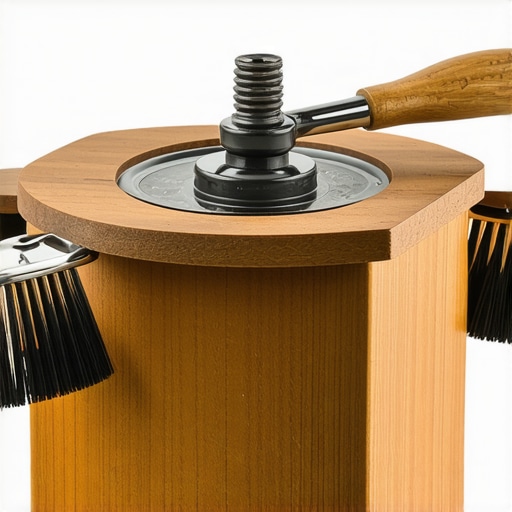
Firstly, I rely on a dedicated burr grinder cleaning kit. These kits typically include brushes, cleaning tablets, and sometimes lubricants designed for grinder parts. The brushes remove stubborn fines trapped in the burrs and chute, while cleaning tablets break down residual oils and coffee residues. For precise burr removal, I use a burr alignment gauge, which helps me spot uneven burr wear or misalignment—common problems that subtly degrade grind consistency over time. Investing in a burr retention tool helps prevent buildup and ensures smooth operation, preventing static-related inconsistencies in grind size.
Software and calibration also matter for digital grinders. Regular recalibration using manufacturer-specific tools ensures that burrs stay aligned and consistent. Some brands now include firmware updates that improve consistency and reduce static issues, a trend I predict will become standard as manufacturers continue optimizing performance. For instance, newer grinders incorporate smart calibration tech that streamlines this process.
How do I keep tools working reliably over years?
Routine checks are non-negotiable in my setup. Every month, I inspect burrs for wear and replace them once they show signs of unevenness or significant erosion. Keeping the grinder chamber squeaky clean with compressed air and brushes prevents residues from affecting grind uniformity. Additionally, I monitor static buildup and apply anti-static measures when necessary, as static can cause fines to stick and skew dosing. This proactive approach minimizes consistency drifts, saves money on repairs, and guarantees flavor stability.
Looking ahead, I believe that integrating IoT (Internet of Things) sensors for real-time wear monitoring could revolutionize grinder maintenance. Predictive analytics might soon warn us of impending part failures before they compromise quality. But until then, sticking to tried-and-true tools and schedules remains the best strategy.
If you haven’t already, try implementing regular burr inspections with a burr gauge and see how it transforms your brewing consistency. Properly maintained tools aren’t just about longevity—they empower you to unlock the best flavor in every cup.