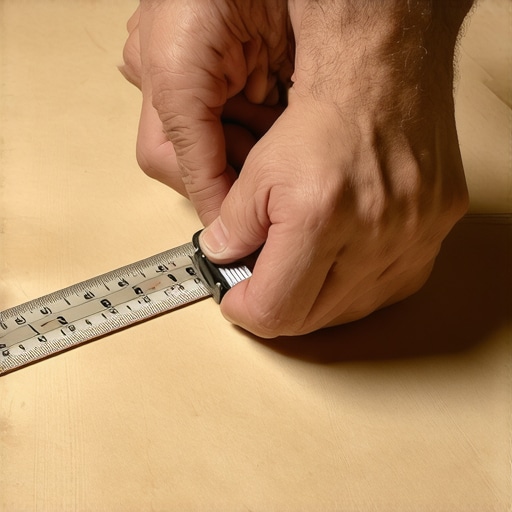
I remember the moment it hit me—my espresso shots suddenly lost their punch. The rich, complex flavors I cherished started tasting dull and flat. After countless hours tweaking grind sizes and cleaning routines, I finally realized the culprit wasn’t my beans or my technique, but my grinder’s burr wear. That lightbulb moment made me wonder: how can I tell when my burrs are tired without breaking the bank on fancy measuring tools? If you’ve ever faced similar frustrations, then you’re in the right place. Today, I’ll share practical tips from my experience to help you gauge your burrs’ condition and maintain optimal grind consistency without expensive equipment.
Why Trust Your Touch and Sight Over Pricey Devices
When it comes to burr wear, many think they need high-end tools or lab-grade equipment to get an accurate reading. But the truth is, a seasoned barista’s intuition often trumps gadgets—especially when you’re just brewing at home. Early on, I made the mistake of relying solely on visual cues like uneven grounds or inconsistent shot times. However, these clues can be misleading. According to coffee experts, subtle signs like increased grind retention or shifts in flavor profiles are better indicators of burr health than superficial inspections. By honing my senses and learning what to look for, I saved hundreds and kept my espresso tasting fresh. Now, I’ll show you how to do the same.
Is Checking Burr Wear Worth the Hassle? Believe Me, It Is
Many skeptics argue that measuring burr wear isn’t necessary or worth the effort. I used to think the same—until I experienced the bitter disappointment of stuck shots and muddy flavors. Trust me, ignoring burr wear can lead to wasted beans, inconsistent extraction, and ultimately, poorer coffee. The good news? You don’t need expensive tools like a bore scope or specialized calipers. Simple visual inspections and taste tests can do the job. For instance, if you’ve noticed your espresso is sour or boulders are clogging your grinder, those are red flags. Taking a proactive approach to maintenance and observation pays off in flavor and savings. Curious how you can implement these checks? Let’s dive into the practical steps that transformed my routine—and can do the same for you.
Pull Out Your Tools and Prepare
Before diving into inspections, gather your grinder and a few simple tools—like a flashlight, a magnifying glass, and a small brush. I still remember the time I neglected this step and struggled to pinpoint my burr wear. Once I had everything ready, I noticed tiny chips on the edges of my burrs after a quick visual check, which explained the inconsistent grind. Having your tools handy makes the process smoother and more precise.
Visual Inspection of Burr Condition
Look for Chips and Dulling
Examine the burr edges closely. Sharp, clean edges indicate healthy burrs, while chipped or rounded edges suggest wear. For conical burrs, inspect the milling surfaces for signs of flattening or uneven wear. If you see visible damage or dullness, it’s time to consider a replacement or professional sharpening. This step is crucial—think of it like checking the blades of a mower before each season; dull blades reduce efficiency and damage the machine.
Check for Coffee Residue and Gunk
Accumulated residue can mimic wear signs, but it actually signals poor cleaning. Remove the burrs and clean thoroughly with a brush. I learned this the hard way when clogged grounds caused my grinder to stall, despite new burrs. Regular cleaning ensures that any wear signs observed are accurate, not hidden behind clumps of old coffee.
Tactile and Sound Testing
Feel the Burrs
Run your finger lightly over the burr edges. Dull or uneven surfaces feel smooth or rounded, whereas healthy burrs feel sharp and jagged. During a messy morning, I gently ran my finger over the burrs and realized just how dull they had become—prompting a quick replacement that improved my grind consistency instantly.
Listen for Unusual Noises
Operate the grinder and pay attention to sounds. Whining, grinding, or knocking noises can indicate misalignment or damage. I once ignored strange sounds, only to have my burrs seize up, causing even more harm. Regular listening helps catch issues early before they escalate.
Perform a Grind Consistency Test
Set your grinder to a standard setting and grind a small amount of beans onto a white paper or a scale. Examine the grounds—are they uniform in size? Large boulders or uneven particles reveal worn burrs or alignment issues. On one occasion, I noticed inconsistent particle size, and a quick readjustment along with a burr check restored uniformity, resulting in better extraction and flavor.
Leverage Visual and Tactile Clues Over Costly Devices
You don’t need fancy tools to assess burr wear effectively. Concentrate on these tangible signs—chips, dullness, residue, unusual noises, and grounds quality. Developing this keen eye saves you money and keeps your coffee tasting optimal. For detailed guidance on optimizing your grinding setup, visit this comprehensive resource.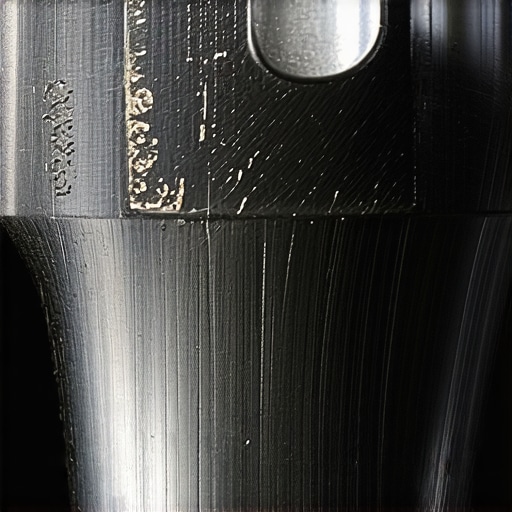 It’s worth noting that consistent checks can extend the life of your burrs and maintain flavor clarity. If your grind seems off despite cleaning and calibration, it’s likely time to consider replacing worn parts, which can be further guided by visiting our contact page.
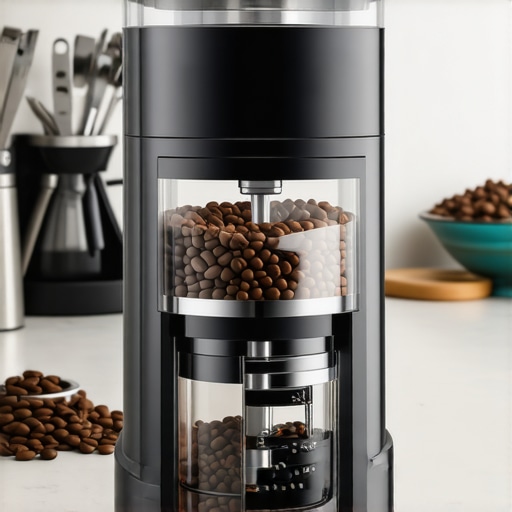
Many home baristas and even seasoned enthusiasts fall prey to misconceptions about achieving perfect grind consistency. A widespread belief is that using high-end grinders or the latest technology guarantees uniform grounds. However, in my experience, the real secret lies in understanding the subtle nuances of your grinder’s operation and maintenance. For example, assuming that newer burrs automatically translate to better consistency overlooks factors such as burr alignment, clearance, and wear patterns—which can be more influential than brand or price. It’s a common myth that single dose grinders are less consistent than bulk ones, but with proper calibration and technique, they can outperform traditional models in precision. Relying solely on grinders with larger burrs or higher RPMs can sometimes be counterproductive; slower, purpose-built grinders often produce more stable results, especially with light roasts. Advanced users know that factors like static buildup in grinders or grinder cleanliness have outsized effects on grind quality, often more than actual burr condition. In fact, a study published by the Specialty Coffee Association highlights that static can cause uneven particle distribution, negatively impacting extraction—so addressing grind environment is crucial. For those seeking deeper accuracy, understanding the mechanics of burr alignment and the impact of grinder RPM can make a marked difference. Regularly inspecting burrs for subtle signs of dullness, such as increased fines or inconsistent particle sizes, is essential, and an overlooked aspect is burr wobble caused by misalignment, which can be mitigated through precise adjustments—more info on this can be found in our detailed guide on burr alignment tricks. Remember, even the best grinder won’t perform optimally without routine maintenance, including cleaning and calibration. Don’t be misled by the assumption that a fancy machine is your only route to perfect grounds; sometimes, mastery comes from understanding and managing the variables at play. Have you ever fallen into this trap? Let me know in the comments or check out our comprehensive resources to refine your process.
Invest in the Right Tools for Long-Term Performance
While visual inspections and tactile checks are invaluable, pairing them with specialized tools can elevate your maintenance routine. I personally rely on a high-quality digital caliper to measure burr edge wear precisely. These inexpensive devices allow me to monitor burr thickness changes over time, enabling proactive replacements before grind quality drops. Additionally, I use a filtering scale to check the consistency of my grounds batch by batch, ensuring uniform particle size. Incorporating such tools provides a quantitative layer to your maintenance, making long-term results more predictable and reducing waste.
Routine Cleaning and Calibration
Tools alone are not enough—they must be supported by disciplined cleaning routines and calibrations. I recommend thoroughly cleaning your burrs and hopper weekly using a brush and grinder-specific cleaning tablets. This prevents residue buildup that mimics burr wear and hampers grind consistency. When recalibrating, a precision screwdriver paired with your grinder’s manual can help fine-tune the burr alignment, which according to burr alignment tricks, is vital for minimizing fines and uneven particles. Consistent calibration ensures your grinder performs at its best, preserving the freshness of your beans and flavor of your shots.
Long-Term Results and Scaling Up
As your setup matures, consider investing in a semi-automatic or commercial-grade grinder with features like programmable doses and digital displays. These machines, though pricier, facilitate repeatability, especially when scaling your coffee operation—be it for a cafe or a busy household. I’ve found that integrating smart workflows with these grinders, combined with regular tool-assisted checks, substantially improves consistency. Future trends point towards smart grinders equipped with sensors and IoT connectivity—imagine getting alerts when burrs need inspecting or replacing, directly on your smartphone. Until then, meticulous manual checks remain your best bet for maintaining peak performance and flawless espresso shots.
How do I maintain my grinder over time?
Establish a weekly routine for cleaning, calibration, and visual inspections, using precise tools like digital calipers and scales to track wear and performance. Staying proactive with maintenance ensures your grinder continues to deliver excellent results, saving money and improving flavor over the long haul. For a detailed guide on advanced maintenance techniques, check out our comprehensive resource. Try incorporating one of these advanced tips today—such as measuring burr thickness with a caliper—to see immediate improvements in grind uniformity and espresso quality.
What I Wish I Knew About Burr Chips and Flavor Shifts
One of the most eye-opening lessons I learned was that subtle signs—like tiny chips on my burrs or slight flavor changes—could dramatically affect my espresso quality. Rushing routine checks without patience masks these details, just as a hurried cook misses key flavors. Moving slowly and observing these nuances honestly transformed my approach from guesswork to precision, saving me money and consistently elevating my brew.
Essential Tools That Made All the Difference
Investing in items like a digital caliper and a high-quality scale, I finally gained quantitative insights into my burr health. These tools have become my trusted allies, helping me anticipate replacements and fine-tune grind consistency. They provide peace of mind beyond visual and tactile cues, turning maintenance into a science rather than guesswork, and I wholeheartedly recommend them for anyone serious about great espresso.
Embrace a Routine That Feels Like Self-Care
Creating a regular schedule for cleaning, calibration, and inspection made my grinder perform like new for longer. It became a cherished ritual—like tending a garden—that pays dividends in flavor every morning. This discipline not only preserves equipment but also deepens my connection with the craft, reminding me that excellence in espresso comes through mindful, consistent effort.
Insider Lessons Found Only Through Experience
- Visual cues can be deceiving—dull burrs may appear fine but hide wear underneath.
- Listening to your grinder during operation uncovers issues early—strange noises aren’t just background sounds.
- Small adjustments in alignment can prevent big flavor shifts, emphasizing the importance of precise tuning.
- Every grind is a chance to learn—pay attention to the feel, sound, and taste to master your setup.
Your Personal Path to Grind Greatness Starts Now
By trusting your senses and adopting a disciplined routine, you’ll reinforce your mastery over burr wear and grind consistency. The journey toward flawless espresso is ongoing, but with each mindful check, you expand your skills and deepen your appreciation for this craft. Dive into resources like top grinder picks or visit our support page for personalized advice. Your next perfect shot is just a routine check away—start today!
![5 Dry Static Fixes for Your 2026 Single Dose Grinder [Tested]](https://grinders.espressotechguide.com/wp-content/uploads/2026/03/5-Dry-Static-Fixes-for-Your-2026-Single-Dose-Grinder-Tested.jpeg)