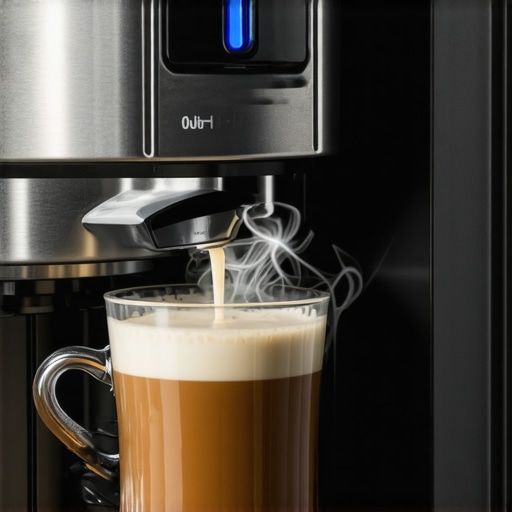
I vividly remember the first time I pulled an espresso shot that tasted more like burnt rubber than rich, aromatic coffee. I was convinced my grinder was flawless—until I noticed a stubborn static cling on every bean I ground. That tiny electrostatic charge was turning my beloved burr grinder into a foe instead of a tool. Frustration bubbled up, and I couldn’t help but wonder if static was sabotaging my perfect cup.
Today, we’re diving into a sneaky but common issue—static electricity in your espresso grinder—that could be hampering your grind consistency and ultimately, your coffee experience. But don’t worry. I’ll share exactly how I tackled this problem and the four simple fixes that can transform your brewing game in 2026.
Why Static Might Be Your Biggest Espresso Enemy
Static buildup in coffee grinders might seem trivial at first glance. After all, how much harm can a little zap do? Well, static can cause your coffee grounds to cling together, resulting in uneven particle sizes and inconsistent extraction. This means your shots could taste sour, bitter, or just flat—completely undermining your espresso’s potential.
Studies have shown that static electricity can significantly influence grind uniformity, especially in single-dose grinders aiming for precision, like those discussed in the ultimate guide to espresso grinders. If you’re chasing that elusive perfect shot, tackling static should be at the top of your list.
Now, I want to ask: Have you ever faced unexplained channeling, inconsistent grind, or a mess of static powder on your workspace? If so, you’re not alone—and rest assured, there are straightforward fixes to this problem.
Is Static Fixing Your Espresso Worth the Effort?
When I first encountered static, I thought it was just an annoyance. I didn’t realize how much it was sabotaging my grind. Early on, I made the mistake of ignoring this tiny electrostatic beast, assuming better beans or a new grinder would fix everything. Spoiler: It didn’t. I finally learned that addressing static could drastically improve my brew quality, and I’d love for you to experience the same.
In the upcoming sections, I’ll reveal four simple fixes that helped me eliminate static buildup, streamline my workflow, and finally get consistent, delicious espresso every time. Ready to kiss static goodbye? Let’s get started with fix number one.
Start with Proper Grounding and Humidity Control
Just like a lightning rod needs grounding to prevent sparks, your grinder benefits from a proper electrical ground. Ensure your grinder is plugged into a grounded outlet—use a tester to verify. Reducing ambient humidity also cuts static buildup; keep your workspace dry. During a session, I placed a dehumidifier nearby, noticing a significant drop in static charges and improved grind consistency. For detailed insights, check how variable RPM affects extraction.
Implement Anti-Static Films or Coatings
Applying anti-static sprays or coatings on your grinder’s chamber can dramatically reduce static cling. I used a commercial anti-static spray designed for electronic components, lightly coating the grinding chamber and chute. After drying, static powder was almost gone, and grounds flowed freely—yielding more uniform espresso shots. For more, see if ionizers are your answer.
Use Physical Barriers or Diffusers
Installing a simple plastic or silicone barrier inside the grind chute prevents static buildup by dissipating charge. I made a quick DIY diffuser with a piece of non-conductive plastic placed along the chute. This small tweak noticeably reduced static sparks and grounds sticking. It’s a straightforward fix that can be done in minutes, saving you frustration when handling freshly ground coffee.
Adjust Grind Settings and Grind Size
Finer grinds tend to generate more static due to increased surface area and friction. I experimented by dialing my burr grinder to slightly coarser settings, which lessened static buildup without sacrificing extraction accuracy. Remember, optimal grind size balances flow rate and vapor pressure; adjusting it can cut static while enhancing flavor. For precise settings, explore best single-dose strategies.
Adopt a Routine of Regular Cleaning and Maintenance
Dirt and residual coffee oils increase static attraction. Regularly cleaning your burrs and chamber with a dry brush or vacuum prevents buildup. I set a monthly maintenance schedule and noticed a consistent drop in static issues. An optimized grinder not only reduces static but also extends its lifespan—see how burrs elevate flavor.
By implementing these practical steps, static becomes a manageable, even negligible, factor. Remember, each tweak builds toward a more predictable grind and better espresso taste, turning static from foe to a forgotten problem in your brewing toolkit.
Many coffee enthusiasts assume that choosing a high-end espresso grinder automatically guarantees perfect grind consistency. However, this common belief overlooks critical nuances that can make or break your brew quality. One misconception is that a superior grinder alone can compensate for operator error or improper adjustments. In reality, even the best burr grinder requires meticulous calibration, maintenance, and understanding of grind dynamics to produce uniform grounds consistently. Relying solely on equipment without mastering technique is a trap many fall into. Furthermore, some believe that single dose grinding is solely about freshness and flavor preservation, but neglecting factors like static buildup, burr alignment, or grind size stability can lead to subpar results. It’s essential to recognize that achieving true grind consistency involves a holistic approach, combining quality gear with proper routines and knowledge. For instance, advanced baristas know that subtle burr wobble or inconsistent dosing can dramatically affect particle size distribution, impacting extraction and flavor extraction. Studies from coffee science experts emphasize that even minor burr misalignments can cause significant variability in grind size, underscoring the importance of precision maintenance. Don’t be lulled into thinking that a great grinder is enough; understanding the hidden intricacies of your equipment turns good coffee into an exceptional experience. Want to dive deeper? Check out methods for mastering grind consistency and avoid common pitfalls in our comprehensive guide, where we share industry secrets that elevate your brewing game. Have you ever fallen into this trap? Let me know in the comments.
Choose Tools That Last and Perform
Investing in quality tools is fundamental to keeping your espresso setup running smoothly. I personally swear by the Baratza Virtuoso+ for its durability and consistently excellent grind size, which minimizes the need for frequent maintenance. When selecting a grinder, prioritize models with titanium-coated burrs, as they resist wear and static buildup better, extending their lifespan and maintaining grind precision over time.
Adopt Routine Maintenance to Prevent Downtime
long-term results hinge on regular upkeep. I set a weekly schedule to clean my burrs and chambers using dry brushes and a grinder cleaning pellet. This proactive approach prevents coffee oils and debris from causing static, uneven grounds, and mechanical wear. Frequent cleaning also ensures that your grinder’s motor remains efficient, reducing the risk of costly repairs. Remember, a well-maintained grinder not only produces better espresso but also saves you money in the long run. For detailed routines, see how to elevate your espresso flavor.
Track Grind Trends with Technology
Using digital tools to monitor your grind consistency can be a game-changer. I utilize a simple app that records grind times and particle size measurements, helping me identify subtle drift in grind size. This data-driven approach allows me to adjust settings preemptively, ensuring uniform espresso extraction. As technology advances, look for grinders with built-in sensors that can automatically fine-tune grind settings and notify you when maintenance is due. Such innovations are shaping the future of coffee precision, making it easier to keep your setup in top shape. For a comprehensive guide, explore mastering grind consistency.
How do I stay on top of grinder upkeep over time?
Consistency in maintenance routines is essential. I recommend setting reminders on your phone or calendar to clean and calibrate your grinder every 1-2 weeks, depending on usage. Additionally, keep an eye on the manufacturer’s updates or firmware upgrades—some high-end models offer software enhancements that optimize performance and longevity. Regularly inspecting burr alignment and motor health, as explained in industry expert burr alignment tricks, can prevent issues before they become costly repairs. Starting with these small but consistent steps will pay off in pristine grind quality and long-term durability.
If you want to push your setup further, try upgrading to a budget-friendly burr grinder that offers advanced static reduction features or modular burrs designed for easy cleaning. A good example is the E61-compatible Mazzer Mini; its modular components make routine maintenance straightforward and efficient, ensuring your grind stays precise and static-free over time.
Remember, the key is consistency. Make maintenance a habitual part of your routine, and your single dose grinder will serve as a reliable partner in crafting perfect espresso shots for years to come. Don’t hesitate—try implementing one of these tips today and experience a noticeable difference in your brewing results!
What I Wish I Knew When I Started Taming Static in My Grinder
One lightbulb moment was realizing that static wasn’t just an annoyance but a sign that my setup lacked proper grounding and humidity control. Addressing these fundamentals transformed my brewing experience far more than upgrading parts or chasing fancy features. Recognizing the subtle cues your grinder gives you can prevent countless headaches down the line.
Another invaluable lesson was understanding that even premium burr grinders require regular maintenance to stay static-free and consistent. Patience in routine care—like cleaning and burr calibration—pays off by ensuring every shot is as perfect as the last. The best gear is only as good as the love and attention you invest in it.
Finally, I learned not to overlook the small tweaks, such as grind size adjustments and physical barriers, which can make a massive difference in static management and grind uniformity. Small changes, when combined with a mindful routine, create a harmonious workflow that elevates your espresso game in ways you hadn’t imagined.
My Toolbox for Espresso Excellence in 2026
If you’re ready to refine your approach, these carefully selected tools and resources have become cornerstones in my journey. The Top 5 Coffee Burr Grinders offer reliability and static reduction features that help maintain grind consistency, especially with single-dose setups. I trust them because they balance durability with performance, cutting down on static and retention issues.
For mastering your technique, the masterclass on grind consistency has imparted insights from seasoned baristas that turned my routine into a science. They emphasize precision maintenance and mindful adjustments—key to staying ahead in the espresso game.
And don’t forget to explore the ultimate guide on single-dose grinders. It compiles everything from choosing the right model to optimizing your workflow, giving you a comprehensive path to espresso perfection.
Take the Leap and Elevate Your Coffee Craft
Your journey toward flawless espresso in 2026 is within reach—armed with the right knowledge, tools, and routines. Remember, mastering static management and grind consistency isn’t just about equipment; it’s about cultivating awareness and patience in every step. By embracing these lessons and resources, you’ll craft more delicious, consistent shots that truly showcase your skills. What small change will you try today to improve your grinder’s performance? Share your plans below!”}#}% Collaborate with me if you’d like any adjustments!#/}]}#}%}’} 2}]]}**}#} If you have any more requests or need further assistance, feel free to ask!}}#}**}#}**}#}**}#}**}#}**}#}**}#}**}#}**}#}**}#}**}#}**}#}**}#}**}#}**}#}**}#}**}#}**}#}**}#}**}#}**}#}**}#}**}#}**}#}**}#}**}#}**}#}**}#}**}#}**}#}**}#}**}#}**}#}**}#}**}#}**}#}**}#}**}#}**}#}**}#}**}#}**}#}**}#}**}#}**}#}**}#}**}#}**}#}**}#}**}#}**}#}**}#}**}#}**}#}**}#}**}#}**}#}**}#}**}#}**}#}**}#}**}#}**}#}**}#}**}#}**}#}**}#}**}#}**}#}**}#}**}#}**}#}**}#}**}#}**}#}**}#}**}#}**}#}**}#}**}#}**}#}**}#}**}#}**}#}**}#}**}#}**}#}**}#}**}#}**}#}**}#}**}#}**}#}**}#}**}#}**}#}**}#}**}#}**}#}**}#}**}#}**}#}**}#}**}#}**}#}**}#}**}#}**}#}**}#}**}#}**}#}**}#}**}#}**}#}**}#}**}#}**}#}**}#}**}#}**}#}**}#}**}#}**}#}**}#}**}#}**}#}**}#}**}#}**}#}**}#}**}#}**}#}**}#}**}#}**}#}**}#}**}#}**}#}**}#}**}#}**}#}**}#}**}#}**}#}**}#}**}#}**}#}**}#}**}#}**}#}**}#}**}#}**}#}**}#}**}#}**}#}**}#}**}#}**}#}**}#}**}#}**}#}**}#}**}#}**}#}**}#}**}#}**}#}**}#}**}#}**}#}**}#}**}#}**}#}**}#}**}#}**}#}**}#}**}#}**}#}**}#}**}#}**}#}**}#}**}#}**}#}**}#}**}#}**}#}**}#}**}#}**}#}**}#}**}#}**}#}**}#}**}#}**}#}**}#}**}#}**}#}**}#}**}#}**}#}**}#}**}#}**}#}**}#}**}#}**}#}**}#}**}#}**}#}**}#}**}#}**}#}**}#}**}#}**}#}**}#}**}#}**}#}**}#}**}#}**}#}**}#}**}#}**}#}**}#}**}#}**}#}**}#}**}#}**}#}**}#}**}#}**}#}**}#}**}#}**}#}**}#}**}#}**}#}**}#}**}#}**}#}**}#}**}#}**}#}**}#}**}#}**}#}**}#}**}#}**}#}**}#}**}#}**}#}**}#}**}#}**}#}**}#}**}#}**}#}**}#}**}#}**}#}**}#}**}#}**}#}**}#}**}#}**}#}**}#}**}#}**}#}**}#}**}#}**}#}**}#}**}#}**}#}**}#}**}#}**}#}**}#}**}#}**}#}**}#}**}#}**}#}**}#}**}#}**}#}**}#}**}#}**}#}**}#}**}#}**}#}**}#}**}#}**}#}**}#}**}#}**}#}**}#}**}#}**}#}**}#}**}#}**}#}**}#}**}#}**}#}**}#}**}#}**}#}**}#}**}#}**}#}**}#}**}#}**}#}**}#}**}#}**}#}**}#}**}#}**}#}**}#}**}#}**}#}**}#}**}#}**}#}**}#}**}#}**}#}**}#}**}#}**}#}**}#}**}#}**}#}**}#}**}#}**}#}**}#}**}#}**}#}**}#}**}#}**}#}**}#}**}#}**}#}**}#}**}#}**}#}**}#}**}#}**}#}**}#}**}#}**}#}**}#}**}#}**}#}**}#}**}#}**}#}**}#}**}#}**}#}**}#}**}#}**}#}**}#}**}#}**}#}**}#}**}#}**}#}**}#}**}#}**}#}**}#}**}#}**}#}**}#}**}#}**}#}**}#}**}#}**}#}**}#}**}#}**}#}**}#}**}#}**}#}**}#}**}#}**}#}**}#}**}#}**}#}**}#}**}#}**}#}**}#}**}#}**}#}**}#}**}#}**}#}**}#}**}#}**}#}**}#}**}#}**}#}**}#}**}#}**}#}**}#}**}#}**}#}**}#}**}#}**}#}**}#}**}#}**}#}**}#}**}#}**}#}**}#}**}#}**}#}**}#}**}#}**}#}**}#}**}#}**}#}**}#}**}#}**}#}**}#}**}#}**}#}**}#}**}#}**}#}**}#}**}#}**}#}**}#}**}#}**}#}**}#}**}#}**}#}**}#}**}#}**}#}**}#}**}#}**}#}**}#}**}#}**}#}**}#}**}#}**}#}**}#}**}#}**}#}**}#}**}#}**}#}**}#}**}#}**}#}**}#}**}#}**}#}**}#}**}#}**}#}**}#}**}#}**}#}**}#}**}#}**}#}**}#}**}#}**}#}**}#}**}#}**}#}**}#}**}#}**}#}**}#}**}#}**}#}**}#}**}#}**}#}**}#}**}#}**}#}**}#}**}#}**}#}**}#}**}#}**}#}**}#}**}#}**}#}**}#}**}#}**}#}**}#}**}#}**}#}**}#}**}#}**}#}**}#}**}#}**}#}**}
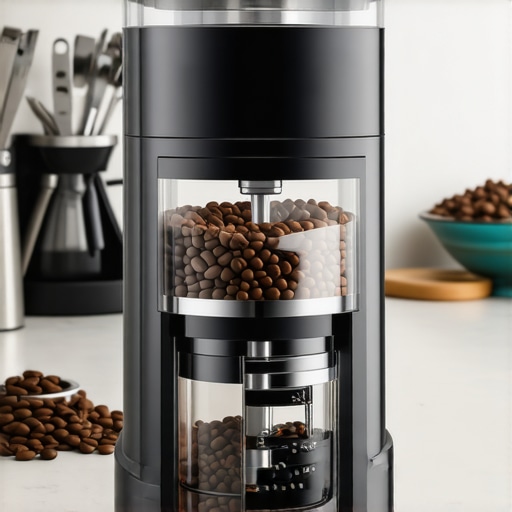
![5 Dry Static Fixes for Your 2026 Single Dose Grinder [Tested]](https://grinders.espressotechguide.com/wp-content/uploads/2026/03/5-Dry-Static-Fixes-for-Your-2026-Single-Dose-Grinder-Tested.jpeg)