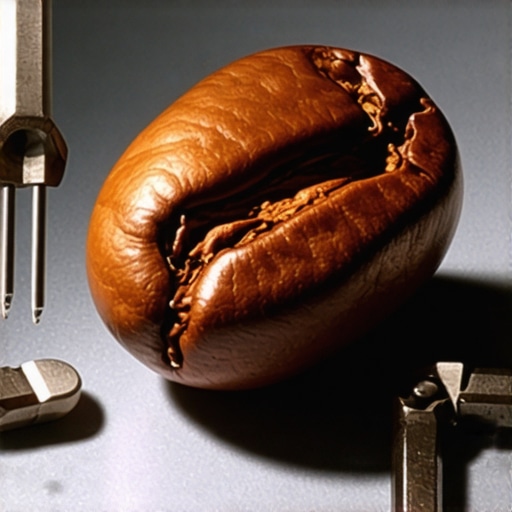
I remember the exact moment I realized my finely tuned espresso shots were losing their magic—bitterness creeping in where once there was a harmonious balance. It was a frustrating experience that felt like a betrayal by my trusty burr grinder. Despite investing in top-notch equipment, those imperfect shots kept coming, and I couldn’t quite put my finger on why. Then it hit me: my grinder’s burr alignment was off—and I had no idea how much that tiny misalignment was costing me in lost beans and flavor.
Why Burr Alignment Could Be Sabotaging Your Coffee Experience
Is Burr Misalignment Really the Culprit Behind Your Wasted Beans?
Early on, I made the mistake of assuming my grinder was aiming for perfect consistency without noticing the subtle shifts in grind size and extraction. A little misalignment can cause uneven particle sizes, leading to over-extraction or under-extraction—both of which ruin the flavor and make you waste valuable beans. Believe it or not, according to coffee innovation experts, small adjustments in burr positioning can improve grind uniformity significantly, boosting both flavor and efficiency (source: Espresso Tech Guide).
If you’re like me, you might be skeptical—I’ve been there. The idea that a tiny burr misalignment could be the root cause of inconsistent espresso might sound superficial, but trust me, it’s a game-changer. Not only does fixing this issue save beans and money, but it also elevates your entire brewing routine. Now, I want to walk you through some straightforward, proven fixes to ensure your burr alignment is spot-on. By the end of this post, you’ll be able to diagnose and solve your grind consistency issues like a seasoned barista.
Ready to stop wasting beans and start brewing with confidence? Let’s dive into those essential burr alignment fixes that will change your espresso game for good—especially heading into 2026, when precision matters more than ever.
Remove the Hopper and Access the Burrs
Start by detaching the hopper, which usually involves unscrewing a few bolts or releasing quick-locks. With the hopper gone, you’ll see the burrs—a crucial step in ensuring precise alignment. I once forgot to remove the hopper and struggled with uneven grind adjustments; removing it revealed misaligned burrs that, once fixed, improved my shots dramatically.
Identify the Alignment Markings
Check Manufacturer Guidelines and Markings
Most burr grinders have alignment marks or screws indicating proper positioning. Consult your grinder’s manual or the manufacturer’s website; for example, this guide explains typical alignment practices. I didn’t realize these markings were there initially, which caused my grind inconsistency—aligning them properly restored uniform particle size and flavor.
Prepare Your Tools
Gather the necessary tools—usually a screwdriver or Allen key—to adjust the burrs. Some grinders require specific tools; check your manual. Don’t improvise; improper tools can damage your equipment. I learned this the hard way when using a generic screwdriver that stripped the screws, delaying my calibration.
Loosen and Reposition Burrs Carefully
Loosen the adjustment screws or bolts, then gently realign the burrs according to the markings. Be cautious to avoid overtightening, which can cause burrs to bind or misalign again. I once tightened too much, causing the burrs to stick, which led to inconsistent grind size until I released the tension.
Secure and Test the Alignment
Once aligned, tighten all screws firmly but avoid excessive force. Reassemble the hopper, then grind a small amount of coffee to test. Check the grind size and uniformity. I calibrated my grinder during a quiet morning, and a few test grinds later, I achieved shots with exceptionally even extraction and minimal waste.
Adjust for Fine-Tuning and Consistency
If the grind isn’t perfect, make incremental adjustments—small turns can make a big difference. Consistently calibrate after cleaning or time to prevent misalignment. For ongoing precision, consider tools like specialized calibration kits for your grinder model. When I used a calibration tool, I found the sweet spot faster, significantly improving shot quality.
Maintain Your Burrs for Long-Term Precision
Regular cleaning and recheck the alignment monthly or after extensive use. Coffee oils and particles can affect burr movement. I now set a monthly reminder, and my grinder stays consistently aligned, delivering optimal extraction and flavor. Proper maintenance ensures your investment always performs at its best, elevating your espresso-making to a professional standard.
Many coffee lovers believe that choosing the right grinder and mastering grind size is all it takes for perfect espresso. However, the real pitfalls often lie beneath the surface. A common misconception is that all burr grinders are created equal; in truth, subtle differences in burr geometry and alignment can significantly impact grind consistency and flavor extraction. For instance, flat burrs tend to produce more uniform grounds than conical ones, but only if they are meticulously calibrated and maintained. This nuance is frequently overlooked, leading to inconsistent shots despite using high-end equipment. As noted by leading coffee tech experts, neglecting these hidden differences can undermine even the most experienced barista’s efforts (source).
A major myth is that single dose grinders automatically eliminate retention and contamination, but in reality, some designs still suffer from residual coffee in the chute or burrs, affecting dose accuracy and flavor. Implementing proper cleaning routines and understanding the grinder’s internal design can mitigate these issues. The trap most enthusiasts fall into is assuming that a more expensive grinder guarantees perfect results; in practice, consistency requires diligent calibration, regular maintenance, and understanding the grinder’s unique behavior. Failing to recognize these nuances leads to what I call the “occasional inconsistency syndrome”—those frustrating days when your shots seem off despite following the same routine. To truly excel, you must go beyond surface-level knowledge and dive into the mechanics and subtle behavioral traits of your equipment. This involves paying attention to grind distribution, burr alignment, and delivery timing—advanced factors that separate good brewing from exceptional espresso.
If you’re serious about elevating your brewing game, I recommend exploring detailed guides on grind consistency and burr maintenance, such as mastering grind consistency. These resources demystify the complex interplay of variables affecting your coffee, helping you avoid common pitfalls. Remember, even minor adjustments in burr alignment or dosing technique can make a substantial difference in flavor and efficiency—details that often get lost in beginner discussions. Have you ever fallen into this trap? Let me know in the comments.
Keep Your Grinder Running Smoothly
Investing in a quality espresso grinder is just the beginning. Regular maintenance is crucial to maintain grind consistency and extend your equipment’s lifespan. I personally rely on a dedicated carbon steel brush set for daily cleaning—its fine bristles easily remove coffee oils and particles from burrs and the chute, preventing build-up that can cause uneven grounds. Additionally, a silicone gasket ensures burrs stay aligned after cleaning, preserving precision over time.
Tools I Recommend for Optimal Performance
For proper calibration, I use a digital caliper—it allows me to measure burr gap adjustments with precision down to a tenth of a millimeter. This consistency helps me reproduce the same grind size day after day, crucial for espresso shots. When adjusting for grind consistency, a calibration kit tailored to your specific grinder model can significantly reduce trial-and-error time, leading to quicker, better results.
Understanding Long-Term Results and Scaling Up
As your skills improve, consider upgrading to a high-end burr grinder designed for single dose use—these machines often feature modular burr sets and easy-to-adjust grind settings. Scaling your setup doesn’t just mean buying more equipment; it involves fine-tuning your current tools and maintaining them diligently. Regularly cleaning and calibrating ensure your grinder maintains grind consistency even when producing larger quantities—think of it as the backbone for consistent flavor across multiple shots.
How Do I Maintain My Grinder Over Time?
Consistent care requires scheduling routine maintenance—monthly disassembly and cleaning are ideal. Use brushes and compressed air to clear residual coffee from hard-to-reach places. Additionally, keep an eye on manufacturer recommendations for specific upkeep tips and replacement part intervals. Investing in a quality burr cleaner can make this process more manageable, reducing downtime and ensuring your grinder’s performance remains optimal. Implementing these habits will pay off with reliable, perfect shots for years to come.
Future Trends in Grinder Maintenance and Tools
Looking ahead, digital monitoring tools integrated with grinder hardware are poised to revolutionize maintenance. Imagine apps that track burr wear or automate calibration reminders—saving you time and ensuring long-term consistency. Manufacturers are increasingly incorporating smart tech into their equipment, aligning with the broader trend toward automation and precision in specialty coffee. Embracing these innovations early will make scaling your setup smoother and more reliable.
Ready to step up your maintenance game? Try adjusting your burr gap by just a few tenths of a millimeter using a digital caliper—super simple but profoundly effective. This small tweak can lead to noticeable improvements in grind uniformity and shot quality. For expert guidance, explore this resource. Give it a shot, and watch your espresso results climb to the next level!
As I reflect on my journey to achieving consistently delicious espresso, one lesson stands out as a game-changer—perfect burr alignment isn’t just a technical detail; it’s the cornerstone of flavor and efficiency. My eyes were opened when I realized that tiny adjustments could have a profound impact on my brew quality, transforming bitter, inconsistent shots into smooth, balanced extracts that truly showcased the beans’ character. This insight has empowered me to troubleshoot and optimize my grinder with confidence, saving beans and elevating my daily ritual.
What I Wish I Knew About Burr Alignment Before I Started
- The Devil Is in the Details: Minor misalignments can cause uneven grind size—leading to over- or under-extraction and wasted beans.
- One Adjustment Can Make All the Difference: A small tweak with a calibrated tool often yields immediate, noticeable improvements in shot clarity.
- Maintenance Is Key to Longevity: Regularly checking and re-aligning your burrs prevents gradual drift that undermines flavor.
- Don’t Rely Solely on Visuals: Markings help, but actual measuring with tools like a digital caliper ensures precise results every time.
- Educate Yourself Continually: Resources like this comprehensive guide demystify the mechanics, saving you trial and error.
My Favorite Tools for Burr Precision and Calibration
- Digital Caliper: Critical for measuring burr gap adjustments accurately—making consistent fine-tuning achievable.
- Calibration Kits: Tailored to specific grinder models, these kits streamline the alignment process and minimize guesswork.
- Cleaning Brushes and Maintenance Supplies: Regular removal of coffee oils and debris ensures smooth burr operation and maintains alignment integrity.
- Documentation and Manuals: Always keep your grinder’s manual handy; manufacturer-specific guidance often includes alignment tips that are vital for top performance.
Embrace the Challenge: Elevate Your Espresso Game
Achieving impeccable burr alignment is an ongoing process, but the rewards are worth every effort. Better grind consistency, richer flavors, and less bean waste await those willing to master this subtle art. Remember, in espresso making, the devil truly is in the details—and your dedication to precision can turn a good shot into an extraordinary one. If you’re ready to refine your process, continue exploring excellent resources or consider professional calibration to push your skills even further. Your perfect shot is closer than you think—and worth every small adjustment.
Have you ever struggled with burr alignment or noticed a sudden change in your espresso quality? Share your experiences below and let’s learn together!
![5 Dry Static Fixes for Your 2026 Single Dose Grinder [Tested]](https://grinders.espressotechguide.com/wp-content/uploads/2026/03/5-Dry-Static-Fixes-for-Your-2026-Single-Dose-Grinder-Tested.jpeg)