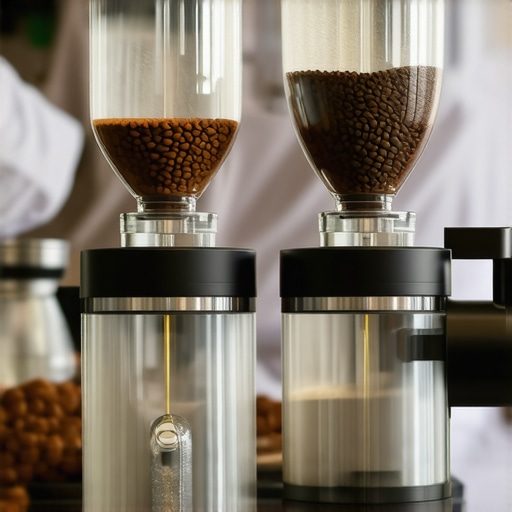
Ever had a morning where your espresso just didn’t have that rich, velvety crema? Or maybe your single dose brew doesn’t taste as vibrant as it should? I’ve been there—fighting with inconsistent grinds that ruin the entire experience. It’s frustrating, isn’t it? You get excited about perfect shots, but inconsistency sneaks in, turning that promising batch into a bitter or flat disappointment. I remember countless mornings where I’d blame my grinder, adjust settings, and still come up short. The lightbulb moment came when I realized the real culprit wasn’t just the grinder’s quality but how I approached grinding itself.
Why Consistency Matters More Than You Think
Achieving a consistent grind isn’t just about neatness or habits; it’s about unlocking the true potential of your beans. When your grind varies, so does extraction—leading to unpredictable flavors and wasted coffee. I used to think that buying a top-tier grinder was the magic fix, but I learned that even the best equipment can fall short without proper technique. For instance, early in my journey, I made the classic mistake of skipping regular cleaning, which caused uneven burr wear and compromised grind uniformity. That simple oversight was enough to throw off my shots for weeks.
Science backs this up—consistent grinding helps you control extraction, which is crucial for flavor. According to a study from the Specialty Coffee Association, uniform particle size results in better extraction and more nuanced flavors. So, if you’re serious about elevating your brew game, mastering grind consistency needs to be your priority.
Is Grind Precision Overhyped?
Honestly, I was skeptical at first. I wondered if obsessing over grind uniformity was just a coffee snob’s obsession. But I found that small tweaks—like dialing in my grinder and maintaining it properly—made a huge difference. If you’ve faced the frustration of inconsistent shots, I promise that mastering grind consistency is worth the effort. Want some proven tips? Check out this comprehensive guide for detailed strategies.
Now, let’s dive into the practical steps I’ve learned to keep your grind uniform and your espresso tasting divine. Whether you’re using a flat burr grinder or a single dose setup, these tips will help you get that perfect shot every time. Ready to transform your brewing routine? Let’s go!
Pick the Right Grinder Settings
Start by setting your grinder to a medium grind and adjust gradually. I once spent a morning tweaking my flat burr grinder, making tiny adjustments—like turning a screw—until I found the sweet spot. Keep notes of your settings so you can replicate them easily. Remember, consistent settings are the foundation of uniform grounds, which directly impacts extraction quality. For precise guidance, check out this detailed article.
Use a Consistent Dose
Always weigh your coffee dose with a high-precision scale. When I switched to weighing every shot, my consistency improved dramatically. For example, I used to eyeball my doses, which led to uneven grounds. Now, I measure 18 grams every time, ensuring uniformity. This step eliminates the variability caused by inconsistent dosing, leading to more predictable extraction. For top-rated scales, visit this guide.
Distribute Grounds Evenly
Before tamping, use a distribution tool or a gentle shake to spread grounds evenly. I once had a shot that tasted flat because I didn’t distribute the grounds properly. After practicing a simple shake, I noticed a marked improvement in shot clarity. Proper distribution ensures all grounds are in contact with water equally, preventing channeling. Check out this resource for more techniques.
Apply Firm, Even Tamping
Use consistent pressure—about 30 pounds—when tamping. I kept a bathroom scale nearby to calibrate my tamping force until it became second nature. An uneven tamp causes uneven extraction, which ruins the flavor. Practice makes perfect, so take your time to tamp smoothly and evenly each time. For detailed tamping tips, see this guide.
Maintain Your Grinder Regularly
Clean your burrs weekly to prevent buildup that causes uneven grinds. I neglected this once, and my shots suffered for days. A quick brush and a few deep cleans restored my grind quality. Consistent maintenance keeps burrs sharp and aligned, ensuring uniform particle size. For cleaning routines, refer to this article.
Use Uniform Grinding Techniques
Grind in small batches or single doses to minimize variability. I used to grind large amounts at once, but switching to single-dose grinding made my shots more consistent. This approach reduces the chance of uneven particle sizes caused by inconsistent feed rates. For the best grinders suited for this, explore top options here.
< >
>
Many coffee enthusiasts believe that investing in a high-end grinder automatically guarantees perfect shots every time. While quality equipment is crucial, there’s a deeper nuance often overlooked: the *technique* and *understanding* behind grind consistency matter just as much, if not more, than the grinder’s price tag. Let’s dig deeper into what most people get wrong about achieving uniform grounds and how to avoid these pitfalls.
Is More Grind Uniformity Always Better for Flavor
Contrary to popular belief, obsessing over absolute grind uniformity can sometimes be counterproductive. The goal isn’t to eliminate all variation but to control it within optimal ranges. Overly fine or overly uniform grinds may lead to over-extraction or clogging, respectively. Experts like those from the Ultimate Guide to Espresso Grinders emphasize finding a balance tailored to your brewing method. Remember, some degree of particle size variation—called the “bimodal distribution”—can actually help create a richer flavor profile by allowing different-sized particles to extract at different rates.
Moreover, many believe that the only way to improve grind consistency is to buy a more expensive grinder. But in reality, mastering the proper calibration, cleaning routines, and dosing techniques can significantly enhance your results without a hefty investment. Regularly maintaining your grinder, such as cleaning burrs to prevent uneven wear, is critical. For detailed routines, visit this article.
Beware of the Tamping Trap
Another common mistake is the underappreciation of tamping technique. Many focus solely on grind size but neglect consistent tamp pressure and angle. An uneven tamp causes channeling, which undermines the effect of a well-calibrated grind. Using a calibrated tamper or a bathroom scale to apply uniform pressure (about 30 pounds) can prevent this. Remember, even the most consistent grind can be compromised by inconsistent tamping—an often overlooked detail that can sabotage your efforts.
For seasoned baristas, the subtlety lies in the distribution of grounds and the force of tamping. Small variations here can negate the benefits of a uniform grind. So, don’t just focus on your grinder—your technique matters equally. If you’re curious about how top baristas approach this, check out this resource.
Are Flat or Conical Burrs Better for Consistency?
This is a common debate among advanced users. While flat burrs are often praised for their uniform particle size, recent studies and expert opinions suggest that conical burrs can produce comparable consistency with proper calibration and maintenance. The key is not just the burr type but how well the grinder is maintained and tuned. According to a study on burr grinder performance, regular cleaning, and precise adjustment are paramount regardless of burr design.
In the end, the choice between flat and conical should consider your specific setup, ease of maintenance, and personal preference rather than myth-based assumptions about one being inherently superior for consistency.
Have you ever fallen into this trap? Let me know in the comments. Mastering grind consistency is a journey, and understanding these nuances brings you one step closer to brewing perfection.
Keeping your coffee grinder in top shape and equipped with the right tools is crucial for maintaining grind consistency over time. From regular cleaning routines to choosing the best equipment, every detail counts toward achieving that perfect shot of espresso. In this guide, I’ll share the tools I personally rely on and practical maintenance strategies to ensure your grinder continues to perform at its best.
Invest in a Quality Burr Cleaning Brush
A high-quality burr cleaning brush is an unsung hero in maintaining grind consistency. I use a dedicated brush designed specifically for coffee grinders, which effectively removes coffee particle buildup from the burrs and chute. Regular cleaning prevents uneven wear and ensures the burrs remain sharp and aligned. This simple step can make a significant difference in preserving uniform particle size and flavor quality. For detailed cleaning routines, I recommend checking out this comprehensive guide.
Use a Precision Scale for Dosing
Accurate dosing is the backbone of grind consistency. I rely on a calibrated, high-precision scale that measures in grams, ensuring I dispense the same amount of coffee every time. This consistency in dosing translates directly into uniform grind size and extraction. My preferred model offers quick readings and easy calibration, which I check regularly to prevent drift. Investing in a quality scale, like the ones reviewed in this guide, pays off in the long run.
Implement a Tamping Mat and Consistent Technique
While not a tool for the grinder itself, a tamping mat helps maintain a stable workspace and protects your countertop. I’ve learned that applying consistent tamp pressure—about 30 pounds—using a calibrated tamper or a bathroom scale has drastically improved shot uniformity. This reduces the risk of channeling caused by uneven tamping. Practice makes perfect, but having the right tools makes the process much easier. For tips on tamping technique, see this resource.
Schedule Regular Grinder Maintenance
Consistency also hinges on how well you care for your equipment. I set a weekly reminder to dismantle my grinder for a deep clean, which involves brushing out residual coffee and inspecting the burrs for wear. For grinders with removable burrs, I use a dedicated cleaning kit that includes a brush, cleaning tablets, and lubricant. Proper maintenance keeps the burrs sharp and aligned, directly impacting grind uniformity. To streamline this process, I follow routines outlined in this detailed article.
Future Trends in Grinder Technology
Looking ahead, I predict that smart grinders with integrated sensors and maintenance alerts will become standard. These devices could automatically track burr wear, suggest cleaning schedules, and even adjust grind settings for optimal results. Staying updated with these innovations will help enthusiasts and professionals alike keep their gear performing at peak levels for years to come.
How do I maintain my grinder over time?
To keep your grinder working flawlessly, establish a routine of regular cleaning—at least once a week—and calibration checks. Use tools like a dedicated cleaning brush and a precision scale for consistent dosing. Also, invest in a good tamper and tamping mat to ensure uniform pressure. As equipment evolves, consider upgrading to smart grinders that offer maintenance alerts and self-calibration features, which can save you time and keep your grind consistent. Remember, the key is consistency in care and technique, which will pay off in every cup you brew.
Start with a quality burr cleaning brush and a precise scale, then build your routine from there. Your future self will thank you for the better-tasting, more consistent espresso every morning.
Ever had a morning where your espresso just didn’t have that rich, velvety crema? Or maybe your single dose brew doesn’t taste as vibrant as it should? I’ve been there—fighting with inconsistent grinds that ruin the entire experience. It’s frustrating, isn’t it? You get excited about perfect shots, but inconsistency sneaks in, turning that promising batch into a bitter or flat disappointment. I remember countless mornings where I’d blame my grinder, adjust settings, and still come up short. The lightbulb moment came when I realized the real culprit wasn’t just the grinder’s quality but how I approached grinding itself.
Why Consistency Matters More Than You Think
Achieving a consistent grind isn’t just about neatness or habits; it’s about unlocking the true potential of your beans. When your grind varies, so does extraction—leading to unpredictable flavors and wasted coffee. I used to think that buying a top-tier grinder was the magic fix, but I learned that even the best equipment can fall short without proper technique. For instance, early in my journey, I made the classic mistake of skipping regular cleaning, which caused uneven burr wear and compromised grind uniformity. That simple oversight was enough to throw off my shots for weeks.
Science backs this up—consistent grinding helps you control extraction, which is crucial for flavor. According to a study from the Specialty Coffee Association, uniform particle size results in better extraction and more nuanced flavors. So, if you’re serious about elevating your brew game, mastering grind consistency needs to be your priority.
Is Grind Precision Overhyped?
Honestly, I was skeptical at first. I wondered if obsessing over grind uniformity was just a coffee snob’s obsession. But I found that small tweaks—like dialing in my grinder and maintaining it properly—made a huge difference. If you’ve faced the frustration of inconsistent shots, I promise that mastering grind consistency is worth the effort. Want some proven tips? Check out this comprehensive guide for detailed strategies.
Now, let’s dive into the practical steps I’ve learned to keep your grind uniform and your espresso tasting divine. Whether you’re using a flat burr grinder or a single dose setup, these tips will help you get that perfect shot every time. Ready to transform your brewing routine? Let’s go!
Pick the Right Grinder Settings
Start by setting your grinder to a medium grind and adjust gradually. I once spent a morning tweaking my flat burr grinder, making tiny adjustments—like turning a screw—until I found the sweet spot. Keep notes of your settings so you can replicate them easily. Remember, consistent settings are the foundation of uniform grounds, which directly impacts extraction quality. For precise guidance, check out this detailed article.
Use a Consistent Dose
Always weigh your coffee dose with a high-precision scale. When I switched to weighing every shot, my consistency improved dramatically. For example, I used to eyeball my doses, which led to uneven grounds. Now, I measure 18 grams every time, ensuring uniformity. This step eliminates the variability caused by inconsistent dosing, leading to more predictable extraction. For top-rated scales, visit this guide.
Distribute Grounds Evenly
Before tamping, use a distribution tool or a gentle shake to spread grounds evenly. I once had a shot that tasted flat because I didn’t distribute the grounds properly. After practicing a simple shake, I noticed a marked improvement in shot clarity. Proper distribution ensures all grounds are in contact with water equally, preventing channeling. Check out this resource for more techniques.
Apply Firm, Even Tamping
Use consistent pressure—about 30 pounds—when tamping. I kept a bathroom scale nearby to calibrate my tamping force until it became second nature. An uneven tamp causes uneven extraction, which ruins the flavor. Practice makes perfect, so take your time to tamp smoothly and evenly each time. For detailed tamping tips, see this guide.
Maintain Your Grinder Regularly
Clean your burrs weekly to prevent buildup that causes uneven grinds. I neglected this once, and my shots suffered for days. A quick brush and a few deep cleans restored my grind quality. Consistent maintenance keeps burrs sharp and aligned, ensuring uniform particle size. For cleaning routines, refer to this article.
Use Uniform Grinding Techniques
Grind in small batches or single doses to minimize variability. I used to grind large amounts at once, but switching to single-dose grinding made my shots more consistent. This approach reduces the chance of uneven particle sizes caused by inconsistent feed rates. For the best grinders suited for this, explore top options here.
Many coffee enthusiasts believe that investing in a high-end grinder automatically guarantees perfect shots every time. While quality equipment is crucial, there’s a deeper nuance often overlooked: the *technique* and *understanding* behind grind consistency matter just as much, if not more, than the grinder’s price tag. Let’s dig deeper into what most people get wrong about achieving uniform grounds and how to avoid these pitfalls.
Is More Grind Uniformity Always Better for Flavor
Contrary to popular belief, obsessing over absolute grind uniformity can sometimes be counterproductive. The goal isn’t to eliminate all variation but to control it within optimal ranges. Overly fine or overly uniform grinds may lead to over-extraction or clogging, respectively. Experts like those from the Ultimate Guide to Espresso Grinders emphasize finding a balance tailored to your brewing method. Remember, some degree of particle size variation—called the “bimodal distribution”—can actually help create a richer flavor profile by allowing different-sized particles to extract at different rates.
Moreover, many believe that the only way to improve grind consistency is to buy a more expensive grinder. But in reality, mastering the proper calibration, cleaning routines, and dosing techniques can significantly enhance your results without a hefty investment. Regularly maintaining your grinder, such as cleaning burrs to prevent uneven wear, is critical. For detailed routines, visit this article.
Beware of the Tamping Trap
Another common mistake is the underappreciation of tamping technique. Many focus solely on grind size but neglect consistent tamp pressure and angle. An uneven tamp causes channeling, which undermines the effect of a well-calibrated grind. Using a calibrated tamper or a bathroom scale to apply uniform pressure (about 30 pounds) can prevent this. Remember, even the most consistent grind can be compromised by inconsistent tamping—an often overlooked detail that can sabotage your efforts.
For seasoned baristas, the subtlety lies in the distribution of grounds and the force of tamping. Small variations here can negate the benefits of a uniform grind. So, don’t just focus on your grinder—your technique matters equally. If you’re curious about how top baristas approach this, check out this resource.
Are Flat or Conical Burrs Better for Consistency
This is a common debate among advanced users. While flat burrs are often praised for their uniform particle size, recent studies and expert opinions suggest that conical burrs can produce comparable consistency with proper calibration and maintenance. The key is not just the burr type but how well the grinder is maintained and tuned. According to a study on burr grinder performance, regular cleaning, and precise adjustment are paramount regardless of burr design.
In the end, the choice between flat and conical should consider your specific setup, ease of maintenance, and personal preference rather than myth-based assumptions about one being inherently superior for consistency.
Have you ever fallen into this trap? Let me know in the comments. Mastering grind consistency is a journey, and understanding these nuances brings you one step closer to brewing perfection.
Keeping your coffee grinder in top shape and equipped with the right tools is crucial for maintaining grind consistency over time. From regular cleaning routines to choosing the best equipment, every detail counts toward achieving that perfect shot of espresso. In this guide, I’ll share the tools I personally rely on and practical maintenance strategies to ensure your grinder continues to perform at its best.
Invest in a Quality Burr Cleaning Brush
A high-quality burr cleaning brush is an unsung hero in maintaining grind consistency. I use a dedicated brush designed specifically for coffee grinders, which effectively removes coffee particle buildup from the burrs and chute. Regular cleaning prevents uneven wear and ensures the burrs remain sharp and aligned. This simple step can make a significant difference in preserving uniform particle size and flavor quality. For detailed cleaning routines, I recommend checking out this comprehensive guide.
Use a Precision Scale for Dosing
Accurate dosing is the backbone of grind consistency. I rely on a calibrated, high-precision scale that measures in grams, ensuring I dispense the same amount of coffee every time. This consistency in dosing translates directly into uniform grind size and extraction. My preferred model offers quick readings and easy calibration, which I check regularly to prevent drift. Investing in a quality scale, like the ones reviewed in this guide, pays off in the long run.
Implement a Tamping Mat and Consistent Technique
While not a tool for the grinder itself, a tamping mat helps maintain a stable workspace and protects your countertop. I’ve learned that applying consistent tamp pressure—about 30 pounds—using a calibrated tamper or a bathroom scale has drastically improved shot uniformity. This reduces the risk of channeling caused by uneven tamping. Practice makes perfect, but having the right tools makes the process much easier. For tips on tamping technique, see this resource.
Schedule Regular Grinder Maintenance
Consistency also hinges on how well you care for your equipment. I set a weekly reminder to dismantle my grinder for a deep clean, which involves brushing out residual coffee and inspecting the burrs for wear. For grinders with removable burrs, I use a dedicated cleaning kit that includes a brush, cleaning tablets, and lubricant. Proper maintenance keeps the burrs sharp and aligned, directly impacting grind uniformity. To streamline this process, I follow routines outlined in this detailed article.
Future Trends in Grinder Technology
Looking ahead, I predict that smart grinders with integrated sensors and maintenance alerts will become standard. These devices could automatically track burr wear, suggest cleaning schedules, and even adjust grind settings for optimal results. Staying updated with these innovations will help enthusiasts and professionals alike keep their gear performing at peak levels for years to come.
How do I maintain my grinder over time?
To keep your grinder working flawlessly, establish a routine of regular cleaning—at least once a week—and calibration checks. Use tools like a dedicated cleaning brush and a precision scale for consistent dosing. Also, invest in a good tamper and tamping mat to ensure uniform pressure. As equipment evolves, consider upgrading to smart grinders that offer maintenance alerts and self-calibration features, which can save you time and keep your grind consistent. Remember, the key is consistency in care and technique, which will pay off in every cup you brew.
Start with a quality burr cleaning brush and a precise scale, then build your routine from there. Your future self will thank you for the better-tasting, more consistent espresso every morning.
![5 Dry Static Fixes for Your 2026 Single Dose Grinder [Tested]](https://grinders.espressotechguide.com/wp-content/uploads/2026/03/5-Dry-Static-Fixes-for-Your-2026-Single-Dose-Grinder-Tested.jpeg)
4 responses to “Top Tips for Achieving Grind Consistency with Espresso & Single Dose Coffee Grinders”
This post really resonates with my own experience—how easy it is to overlook minor details that can throw off your entire brew. I’ve found that consistently cleaning my grinder and weighing my coffee doses have significantly improved my shots. The part about distribution and tamping pressure is critical; I used to rush these steps, which caused channeling and uneven extraction. Investing in tools like a good tamper and a tamping mat has made this process more manageable and consistent.
What’s everyone’s take on the best way to monitor burr wear? I’ve considered smart sensors but wonder if manual checks are reliable enough, especially for casual home use. Also, I’d love to hear suggestions for affordable scales that provide quick, accurate readings—any tips? Improving grind consistency truly transformed my morning routine and the overall flavor of my espresso. It’s all about small, deliberate changes that add up over time, right?
This post hits home for me—I’ve spent so many mornings troubleshooting my grind and tamping, only to realize later that routine maintenance was the missing piece. Regularly cleaning burrs and calibrating settings has really transformed my espresso shots, especially when I started using a high-precision scale for dosing. What I’ve found most effective is setting a weekly calendar reminder to clean the grinder thoroughly; it’s made a huge difference in maintaining consistency over time.
Regarding burr wear, I use a simple manual check by measuring the burr gap and visually inspecting for dullness, which has been effective for my home setup. However, I am curious if anyone has experience with smart sensors or apps that monitor burr sharpness or wear? Are they worth the investment for a casual enthusiast?
Also, affordable scales with quick response times can be tricky to find. I recommend looking for one with good reviews on calibration stability. Glad to see more people focusing on the little details—those small adjustments truly add up for better espresso.
This post really emphasized things I’ve overlooked in my brewing routine. I especially relate to the part about maintenance—since I started regularly cleaning my burrs and calibration, my shots have become much more consistent. I used to think that investing in a high-end grinder would fix everything, but I’ve learned that technique and upkeep are just as crucial. I’ve found that precise dosing with a good scale makes a noticeable difference too. Mixing all these small adjustments has really elevated my espresso quality.
One thing I’m curious about is whether others find regular burr replacement necessary, or if consistent cleaning can extend the lifespan sufficiently? Also, are there specific signs we should look for to know when the burrs actually need replacing? I’d love to hear your experiences on balancing maintenance costs with grind quality. It’s inspiring how tiny tweaks can lead to such improvements—definitely motivates me to refine my routine even further.
This was such a comprehensive breakdown of grind consistency and maintenance; I really appreciate how you emphasized that even high-end grinders can fall short without proper technique and upkeep. I’ve personally noticed that dedicating time each week to clean and calibrate my grinder has made a huge difference in shot quality—especially when I started using a scale for dosing. One challenge I faced was understanding when to replace burrs, but I found that visual checks and measuring burr gaps regularly help determine wear effectively. I’m curious, has anyone experimented with sensor-based monitoring, and do you think they’re worth the investment for home use? Also, I wonder what your go-to cleaning tools are to keep burrs in top shape without much hassle. I’ve found that small, consistent efforts really add up in producing better espresso, especially when paired with better technique. Would love to hear your latest tips for maintaining grinder performance long-term to keep those shots consistently rich and flavorful.