I remember the first time I dialed in my espresso shot, only to find it tasting flat and uneven. Frustration bubbled up—what was I missing? Turns out, the culprit was my grinder. I had been overlooking a crucial detail: grind consistency. It’s like trying to paint a masterpiece with a dull brush; the quality suffers.
That lightbulb moment led me down a rabbit hole of research and trial-and-error. Today, I want to share what I discovered about single dose & burr coffee grinders and how they can transform your espresso game. If you’ve ever felt overwhelmed by the myriad of grinder options or skeptical about whether investing in a quality grinder is worth it, stick around. I promise, the right grinder isn’t just a luxury—it’s a game-changer.
Why You Need to Take Your Grinder Seriously
High-quality espresso starts with a consistent grind. Tiny variations in particle size can make or break your shot—over-extraction, under-extraction, bitter, sour, all because of uneven grounds. Early on, I made the mistake of thinking that just any grinder would do. I didn’t realize that investing in a good burr grinder would be the key to unlocking flavor clarity and shot consistency.
Single dose grinders, in particular, minimize waste and preserve freshness. These grinders dispense a precise amount of coffee directly into your portafilter, reducing the risk of stale grounds and uneven dosing. But here’s the catch—choosing the right one can feel daunting. That’s why I’ve put together this comprehensive guide to help you navigate the options and find your ideal match.
Is All the Hype About Burr Grinders Justified?
Absolutely. Early on, I bought a blade grinder just to save money. The results? Inconsistent extraction, uneven particles, and a lot of wasted coffee. That mistake taught me a hard lesson about the importance of grind consistency with burr grinders. The precision they offer makes a significant difference in your cup. So, if you’re serious about your espresso, investing in a quality burr grinder is non-negotiable. Ready to dive into the details? Let’s explore how to choose the best grinder for your needs and elevate your espresso experience.
Set Up Your Grinder Correctly
Start by choosing a high-quality single dose burr grinder. When you unbox it, carefully read the manual and assemble the burrs precisely according to manufacturer instructions. During my first attempt, I overlooked this step, resulting in uneven grounds. Once I adjusted the burrs correctly, the consistency improved dramatically, and my espresso shots became more balanced.
Calibrate Your Grinder Regularly
Calibration is crucial. Use a scale to measure the exact dose and adjust the grind setting incrementally. I recommend starting with a medium grind and then fine-tuning based on taste and extraction time. When I initially skipped calibration, my shots were over-extracted and bitter. After calibrating, I achieved a sweet spot that brought out the espresso’s full flavor profile.
Maintain Proper Dosing Technique
Single dose grinders dispense a precise amount directly into the portafilter. To maximize accuracy, always tare your scale before grinding. During a session, I learned that tamping the coffee evenly after dosing prevents channeling and leads to uniform extraction. My first messy attempt resulted in uneven tamping, making it clear how critical consistent dosing and tamping are for grind uniformity.
Adjust Grind Size for Optimal Extraction
Fine-tune the grind size based on your espresso machine’s pressure and shot timing. A good rule of thumb: if your shot pulls too quickly, make the grind finer; if it’s too slow or sour, coarsen the grind. I experimented over several pulls, documenting each tweak. Eventually, I found the perfect grind setting that delivered a balanced, rich shot every time. These tips can help you refine your adjustments for consistency.
Consistent Maintenance Practices
Clean your grinder regularly to prevent old grounds from contaminating fresh coffee. Use a brush or a cleaning cycle if your grinder has one. Once, I neglected cleaning for a few weeks, and my grounds became uneven, affecting flavor. After a thorough clean, my grind consistency improved noticeably. Consistent maintenance ensures your burrs stay sharp and your grind remains uniform, reinforcing your efforts for perfect espresso.
Record Your Settings
Keep a log of your grind size, dosing weight, and tamping pressure. This record helps replicate perfect shots and troubleshoot issues quickly. My own habit of jotting down successful settings saved me countless trial-and-error sessions, especially when switching beans or adjusting for humidity changes.
Implementing these precise steps regularly can elevate your espresso quality significantly. Remember, small adjustments in grind size, dose, and tamping can make a big difference in flavor and consistency. For more detailed insights, check out this comprehensive guide on grind consistency techniques.
Many coffee enthusiasts jump into upgrading their grinder with high hopes but often fall prey to misconceptions that can hinder their progress. Let’s dig deeper into what most people get wrong about single dose burr coffee grinders and uncover some hidden nuances that can make a real difference in your brewing results.
Why the Perfect Grind Is Not About Size Alone
Contrary to popular belief, grind size isn’t the sole factor in achieving excellent espresso. Many assume that simply fine-tuning the fineness will solve all issues, but in reality, particle shape and distribution play critical roles. Burr grinders excel at creating uniform particles, but if your grinder’s burrs are worn or misaligned, uniformity suffers. A worn burr can produce uneven grounds, leading to inconsistent extraction despite what the grind setting indicates. Regularly inspecting and maintaining your burrs is essential—don’t overlook this step if you want to master grind consistency.
The Myth of Instant Calibration
Another misconception is that once you’ve dialed in your grind, it’s set for good. However, environmental factors such as humidity, bean age, and even temperature fluctuations can alter how your beans respond to your grinder’s settings. Mastering grind consistency involves ongoing calibration and adjustments. Ignoring this can lead to over-extraction or under-extraction over time, despite having seemingly perfect settings.
Beware of Over-Adjusting
It’s tempting to tweak your grinder repeatedly to get that ideal shot, but over-adjustment can be a trap. Small incremental changes are more effective than large jumps. Each adjustment should be followed by testing, and only after several pulls should you decide if further tweaks are needed. Over-adjusting often results in inconsistent results, especially if you’re not documenting your changes. Keeping a log can help you understand how your adjustments influence flavor and extraction.
Advanced Question: How Do Burr Geometry and Material Impact Grind Quality?
For seasoned baristas and serious home brewers, understanding the influence of burr geometry and material is vital. Different burr designs—flat versus conical—affect particle distribution and heat generation during grinding. Material choices, such as steel versus ceramic, can influence durability and grind consistency over time. A common mistake is to assume all burrs are equal; in truth, investing in a grinder with optimized burr design tailored for single dosing can significantly enhance flavor clarity and consistency.
Finally, don’t forget that choosing the right grinder for your needs involves considering these subtle factors as much as price or brand reputation. For a comprehensive look at how these nuances influence your espresso, check out tips for grind consistency. Have you ever fallen into this trap? Let me know in the comments!
Keeping your espresso grinder in top shape is crucial for maintaining consistent grind quality and flavor. Over time, even the best equipment can drift from peak performance, making regular maintenance an essential part of your brewing routine. In this post, I’ll share the specific tools I rely on and the methods I use to ensure my grinder remains reliable and efficient for years to come.
Why Regular Maintenance Matters
Espresso grinding demands precision, and any buildup of old grounds, dust, or worn burrs can compromise your results. Regularly cleaning and calibrating your grinder ensures that particle size remains consistent, which directly impacts shot quality. Neglecting this can lead to uneven extraction, bitter flavors, or sour notes that are difficult to troubleshoot without proper tools and habits.
Tools I Trust for Longevity and Precision
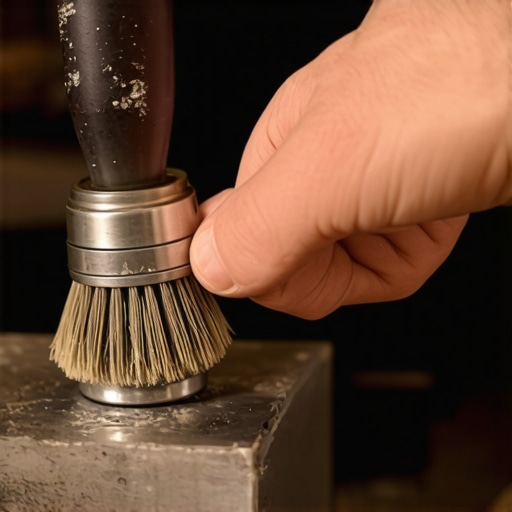
The first tool I recommend is a high-quality brush designed specifically for burr grinders. I use the specialized cleaning brush that reaches deep into the burrs and chute, removing residual coffee particles that can go unnoticed. This simple tool helps maintain grind consistency and prevents stale flavors from contaminating fresh batches.
Next, I keep a set of calibration weights and a digital scale handy. Calibration is a continuous process, especially if you change beans, humidity levels, or grind settings. I use a precision scale to measure dose weights accurately, then adjust the grind size accordingly. This combination of tools empowers me to keep my shots tasting consistent over long periods.
For burr inspection and replacement, I rely on a burr gauge. Over time, burrs wear down or become misaligned, leading to uneven grounds. Regularly checking the burrs with a gauge ensures they’re within the manufacturer’s specifications. When worn, I replace them using the manufacturer’s recommended parts, which I purchase directly from the brand’s site or authorized dealers.
Implementing a Maintenance Routine
My routine involves cleaning my grinder every 1-2 weeks, depending on usage. I start by unplugging the machine, then disassembling the burrs for a thorough brush cleaning. Afterward, I run a cleaning cycle if available, or grind some rice or commercial grinder cleaning pellets to absorb residual oils and grounds. I then calibrate the grind size using my scale, matching my preferred shot timing and extraction profile.
Additionally, I record each calibration and cleaning date, so I can track when parts are due for replacement or service. This proactive approach minimizes downtime and guarantees my espresso remains flavorful and consistent.
Future Trends in Grinder Maintenance
The future of grinder upkeep is leaning towards smart sensors and automated calibration systems. Imagine a grinder that detects wear and automatically adjusts or prompts you for maintenance—this could revolutionize home brewing and professional setups alike. Until then, sticking to proven tools and regular routines will keep your grinder performing at its best.
Want to take your maintenance to the next level? Try integrating a calibration routine using a precise scale and keep an eye on burr wear with a gauge. These small investments can extend your grinder’s lifespan and ensure every shot is perfect. For more detailed tips, check out this guide on maintaining grind consistency over time.
Lessons That Changed My Whole Approach to Grinding
- One of the toughest lessons I learned was that even a tiny misalignment in burrs can throw off your entire grind consistency. Regularly inspecting and maintaining your burrs isn’t just a tip; it’s a game-changer. It’s like tuning a musical instrument—small tweaks lead to perfect harmony in your espresso.
- Believing that grind size alone determines shot quality was a misconception I had early on. The shape and distribution of particles matter just as much. Worn burrs or improper calibration can make your grind uneven, so don’t overlook these details if you want that silky extraction.
- Over-adjusting your grinder’s settings can be tempting, but I found that patience and incremental tweaks yield much better results. Document your changes and give them time to settle—your palate will thank you.
- Environmental factors like humidity and bean freshness are often underestimated. Regular calibration and cleaning help you adapt to these variables, ensuring your espresso remains consistently excellent, no matter the day.
Tools I Trust to Keep My Espresso Sharp
- Specialized cleaning brush: This reaches deep into the burrs and chute, removing residual coffee and oils. It’s my first line of defense against flavor contamination.
- Precision scale: Accurate dosing is critical. I use a digital scale to measure each shot, ensuring consistency every time.
- Burr gauge: Regularly checking burrs with a gauge helps me catch wear early and replace parts before it impacts grind quality.
- Quality replacement burrs: Investing in high-quality burrs tailored for single dose grinders makes a noticeable difference in particle uniformity and flavor clarity.
Embrace the Journey and Brew Better Every Day
Achieving perfect grind consistency with single dose burr grinders is a rewarding process that combines technical precision with personal intuition. Every tweak, every cleaning, and every calibration brings you closer to that ideal shot—rich, balanced, and full of character. Don’t shy away from experimenting and learning; the best espresso is often the result of persistence and passion. If you’re serious about elevating your coffee game, start today and enjoy the delicious results. What’s your biggest challenge with grind consistency? Share below and let’s troubleshoot together!
![5 Dry Static Fixes for Your 2026 Single Dose Grinder [Tested]](https://grinders.espressotechguide.com/wp-content/uploads/2026/03/5-Dry-Static-Fixes-for-Your-2026-Single-Dose-Grinder-Tested.jpeg)
2 responses to “Ultimate Guide to Single Dose & Burr Coffee Grinders for Perfect Espresso Results”
I totally agree with the emphasis on grind consistency. I used to think that just fine-tuning the grind size was enough, but I’ve learned that regular maintenance of the burrs makes a huge difference. In fact, once I started inspecting and replacing worn burrs more proactively, I noticed my shots became much more predictable and flavorful. It’s like getting a new grinder at least in terms of performance! I also found that keeping a detailed log of my grind settings helps me quickly revert to the best profile when switching beans or facing humidity changes. Has anyone experimented with different burr materials or designs, like conical versus flat? I’ve been curious how much that impacts flavor and particle uniformity in practice.
This post really hits home for me, especially the part about regular calibration and maintenance. I used to overlook how environmental changes like humidity significantly affected my shots until I started keeping detailed logs and adjusting accordingly. I found that small tweaks, particularly in grind size and tamping pressure, genuinely improved my espresso flavor profile. I wonder, has anyone experimented with different burr materials, like ceramic versus steel? From what I’ve read, ceramic burrs might provide a more consistent grind over time and generate less heat, which could preserve the bean’s nuanced flavors better. Also, when it comes to burr design—conical vs. flat—has anyone noticed a real difference in particle distribution or taste? I’m keen to hear how others have approached this upgrade or maintained their grinder for optimal results. Continuous trial-and-error can be daunting, but these nuanced adjustments make all the difference in achieving that perfect shot!”,