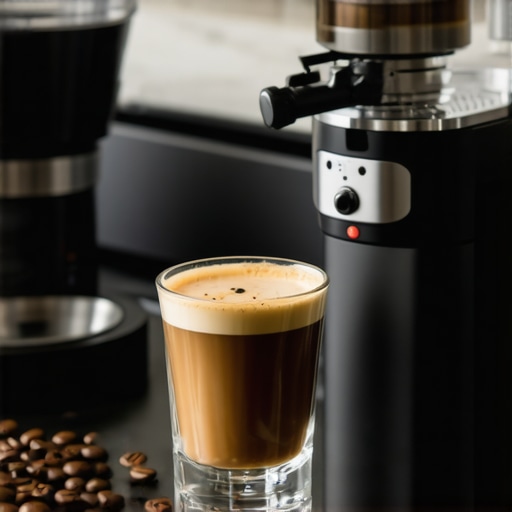
I vividly remember the moment I first tried dialing in my espresso shot with my new burr grinder. I thought I had everything right—precise measurements, fresh beans, a clean machine—but somehow, the shot just didn’t taste as good as it should. It was frustrating. After countless tweaks and a lot of wasted coffee, I realized the real game-changer was the grind itself. That lightbulb moment led me down a rabbit hole of learning about grind consistency and the magic of single dose burr grinders. Today, I want to share that journey with you and help you avoid the same pitfalls I faced.
Why Perfecting Your Grind Matters More Than You Think
Ever wonder why two baristas can use the same beans and same machine but produce vastly different espressos? The secret often lies in the grind. A consistent grind size ensures uniform extraction, which in turn, guarantees that rich, flavorful shot every time. But achieving that kind of consistency isn’t as straightforward as dialing a knob. It calls for the right equipment, technique, and a good understanding of what makes a grinder excel—especially when you’re aiming for that elusive perfect shot.
In my early days, I made a critical mistake—thinking that any grinder would do the job as long as it was high quality. Spoiler alert: not all grinders are equal, especially when it comes to single dose burr grinders. These are designed to deliver precise, fresh grounds each time, and they’re worth every penny if you’re serious about your espresso. Trust me, a good grinder is the foundation of a great brew. If you’re tired of inconsistent shots, then mastering grind consistency is your next step.
Is the Hype Around Single Dose Burr Grinders Justified?
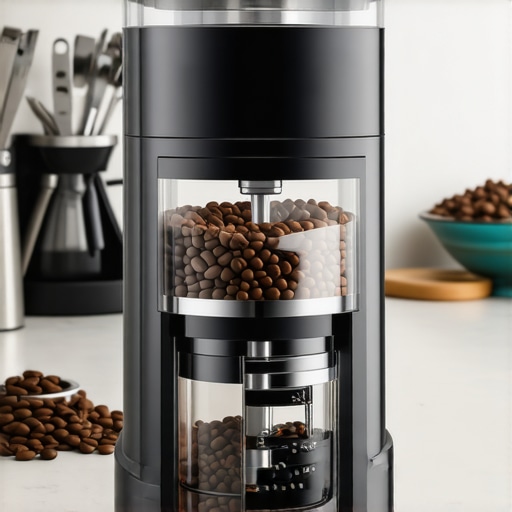
At first, I was skeptical. The price tags seemed steep, and I wondered if they were just another gadget obsession. But after switching to a dedicated single dose grinder, my espresso quality skyrocketed. The reason? These grinders minimize the amount of coffee retained and stale, giving you a fresher, more consistent grind every time. Plus, they’re designed for precise adjustments, so you can fine-tune your grind size with confidence. If you’ve ever faced the headache of getting your grind just right, this is a game-changer. Curious? Check out this guide for a deeper dive into how they work and why they’re a must-have for espresso aficionados.
Now, if you’re ready to cut through the confusion and get serious about your coffee, stick with me. Over the next sections, I’ll show you step-by-step how to choose the best grinder for your needs, how to calibrate it for maximum consistency, and what common mistakes to avoid. Because when it comes to espresso, grind quality isn’t just a detail—it’s everything.
Set Your Grinder to the Right Dose
Start by removing any coffee beans from your grinder and resetting the settings. Measure your desired dose precisely using a digital scale—aim for consistent weight each time. For example, I once used a 20g dose and found that sticking to that weight improved my shot consistency significantly. Adjust the grinder’s dial in small increments, like a quarter turn, then weigh the grounds again until you reach your target dose.
Calibrate Your Grinder for Precision
Calibration is critical. Run a few test grinds and weigh them to see if they match your target dose. If not, tweak the grind setting accordingly. Remember, a finer grind increases resistance, reducing the dose; a coarser grind does the opposite. Keep adjusting until your output matches your target weight within a gram. I once struggled for hours, but after meticulous calibration, my espresso became reliably excellent. For detailed calibration techniques, check out this guide.
Maintain a Steady Workflow
Consistency begins with a routine. Always grind the same way, at the same time of day, and in the same environment if possible. Keep your grinder clean—residue can affect grind size and weight. Use a brush to clear out old grounds regularly. When grinding, apply steady, even pressure on the bean hopper. I once hurried through a session, and the inconsistency showed in my shot. Slowing down and establishing a routine made a huge difference.
Utilize Proper Distribution and Tamping
Even distribution of grounds in the portafilter ensures uniform extraction. Use a distribution tool or tap the basket gently to level the grounds before tamping. Apply firm, even pressure—aim for about 30 pounds of force. An uneven tamp or uneven distribution can cause channeling, ruining your shot. I learned this from trial and error—once I started tamping consistently, my espresso shot quality improved noticeably. For more tips, see this resource.
Use Consistent Extraction Parameters
Set your extraction time and pressure to match your grind size. Typically, aim for a 25-30 second shot. Use a timer and a pressure gauge if available. Keep these parameters constant; changing one affects the others. I once changed my grind size without adjusting my shot time, which caused variability. Now, I record my settings and stick to them, which stabilizes my results. For more advanced methods, explore this comprehensive guide.
Many coffee enthusiasts believe that once you’ve set your grinder to the perfect setting, your work is done. However, this is a misconception that can sabotage your espresso quality. The truth is, grind consistency isn’t just about initial calibration; it involves understanding nuanced factors that often go unnoticed.
One common myth is that high-end grinders automatically guarantee perfect grind size every time. While premium equipment certainly helps, it doesn’t eliminate the need for regular maintenance and calibration. Residue buildup, wear and tear, and environmental factors like humidity can all affect grind uniformity. As highlighted by industry experts, maintaining your grinder and periodically recalibrating it is essential for sustained performance.
Why Do Variations Still Occur Even with the Same Grinder?
This is a question I get often from advanced users. Even when using a single dose burr grinder, external factors can influence grind consistency. Bean moisture content fluctuates depending on storage conditions, affecting how the beans grind. Additionally, the grinder’s burrs can wear unevenly, especially if not cleaned regularly, creating micro-level inconsistencies. For serious espresso lovers, understanding and controlling these variances is crucial. Regularly inspecting and cleaning your burrs, and even weighing your beans before grinding, can make a significant difference.
Another overlooked nuance is the importance of grind distribution. Even if your grinder produces a consistent size, uneven distribution in the portafilter can cause channeling and uneven extraction. Techniques like tamping with uniform pressure and using distribution tools can help mitigate this issue. Remember, mastery over grind size alone isn’t enough—how you handle the grounds post-grind matters too.
Interestingly, a study from barista training programs shows that even slight deviations in grind size—less than a half grind setting—can alter extraction time significantly. This emphasizes the need for precise adjustments and consistent workflow.
So, the next time you think you’ve dialed in your grinder perfectly, ask yourself: Have I accounted for environmental factors, grinder wear, bean moisture, and distribution? If not, you’re likely leaving quality on the table. Remember, grind consistency is a dynamic pursuit, not a one-time fix.
Want to dive deeper into perfecting your grind? Check out this detailed guide for advanced tips. And always keep in mind: continuous learning and maintenance are key to elevating your espresso game. Have you ever fallen into this trap? Let me know in the comments.
Keeping Your Equipment in Top Shape for Long-Term Success
Investing in high-quality equipment is just the beginning; maintaining it properly ensures your espresso remains consistently excellent over time. Regular cleaning of your grinder and espresso machine is crucial. I personally schedule weekly deep cleans, which involve disassembling parts and using specialized cleaning solutions to remove coffee oils and residue that can affect grind consistency and flavor. This proactive approach not only prolongs the lifespan of your gear but also preserves the purity of your brew.
Using the right tools makes maintenance more manageable. For grinders, I recommend a high-quality burr brush like the Barista Hustle Burr Brush. It’s designed to reach deep into burrs and clean out stubborn grounds. For espresso machines, a microfiber cloth and descaling solution are essential. Descaling every three months prevents mineral buildup that can impair water flow and temperature stability, directly impacting shot quality.
Another often overlooked aspect is the importance of weighing your beans and grounds precisely. I swear by a digital scale like the Hario Scale. Consistency begins before grinding—accurate measurements eliminate variables that could skew your results. Over time, tracking your doses and adjustments helps identify patterns and optimize your workflow.
How do I maintain my grinder and machine over time?
The key to long-term maintenance is establishing a routine. Clean your grinder burrs weekly by running grinder cleaner tablets or rice to remove oily buildup. Follow manufacturer guidelines for replacing burrs—most are designed to last between 500-1500 kg of coffee, but uneven wear can occur sooner if not cleaned regularly. Keep your machine’s water reservoir clean and descale periodically to prevent mineral deposits from affecting temperature stability and extraction consistency. Connecting with community resources, like industry experts, can provide tailored advice and troubleshooting tips that extend your equipment’s lifespan.
Remember, the goal isn’t just to buy the best gear but to keep it performing at its peak. My secret weapon is a dedicated maintenance kit that includes burr brushes, descaling tablets, and cleaning cloths—all stored in a convenient toolbox. This way, I can streamline my routine and avoid neglecting essential upkeep. As technology advances, I predict that automated cleaning systems and smart maintenance alerts will become standard, making it even easier to keep your setup in pristine condition.
For anyone serious about espresso, I highly recommend trying the advanced maintenance tips shared by industry leaders. Incorporate these practices today, and watch your quality improve dramatically over the months. Regular upkeep isn’t just about preservation; it’s about elevating every shot to professional standards—so don’t skip this essential step!
The Hardest Lesson I Learned About Grind Consistency
One of my most eye-opening experiences was realizing that even the best espresso beans can’t save a poorly calibrated grinder. Consistent grind size is the backbone of great espresso, and I learned this the hard way—by wasting countless shots trying to dial in my machine. The lightbulb moment came when I finally understood that regular calibration and maintenance are essential, no matter how high-end your grinder is. This taught me that precision isn’t a one-time effort but a continuous process that elevates your brewing game.
3 Myths About Grind Size That Held Me Back
I used to believe that once I set my grinder, I was done. I also thought that high-end grinders automatically provided perfect consistency. Finally, I assumed environmental factors didn’t matter. All these myths kept me from achieving the espresso quality I craved. Once I challenged these misconceptions—especially by paying attention to bean moisture and burr wear—I started noticing dramatic improvements. Regular cleaning and careful adjustments are the real secrets behind consistent shots, as explained in industry-leading guides.
What Industry Experts Won’t Tell You About Maintaining Your Grinder
Many seasoned baristas swear by routine maintenance, but I discovered the hard way how neglecting burr cleaning and calibration causes inconsistency over time. They also emphasize that environmental factors like humidity and bean storage impact grind size. A simple habit of weighing beans before grinding and cleaning burrs weekly can make a huge difference. These small, often overlooked steps ensure your grinder delivers uniform grounds every single time, turning a good shot into a great one.
Curated Resources for Elevating Your Espresso Craft
My Essential Toolkit for Espresso Perfection includes the Ultimate Guide to Single Dose Burr Grinders, which offers in-depth insights into selecting and maintaining the right equipment. I also trust the best grinder reviews for their honest testing and detailed comparisons. Lastly, the secrets from expert baristas have transformed my approach to calibration and workflow, making every shot more predictable and delicious.
Seize Your Espresso Moment—Take Action Today
The journey to perfect espresso is all about attention to detail and continuous improvement. Whether you’re just starting out or looking to refine your technique, remember that consistent grind size is your best friend. Regular maintenance, precise calibration, and understanding your equipment’s nuances will unlock flavors you never knew your beans could deliver. Now, it’s your turn—embrace these practices and elevate your espresso craft to professional levels. Your best shot is just a grind away!
What’s the biggest challenge you face when trying to keep your grind consistent? Let me know below and share your experiences!
![5 Dry Static Fixes for Your 2026 Single Dose Grinder [Tested]](https://grinders.espressotechguide.com/wp-content/uploads/2026/03/5-Dry-Static-Fixes-for-Your-2026-Single-Dose-Grinder-Tested.jpeg)
2 responses to “Ultimate Guide to Single Dose & Burr Coffee Grinders for Perfect Espresso Results”
Reading through this thorough guide really resonated with my own experience in mastering espresso. I used to think that dialing in the grind was just a matter of tweaking until I found what I liked, but I quickly learned that consistency over time is key. The tips on calibration and routine really helped me refine my process, especially weighing doses precisely and maintaining my grinder. I found that even small environmental changes, like humidity, could throw off my shot if I didn’t continuously pay attention to my setup. Since I started cleaning my burrs weekly and tracking my calibration, my shots have become much more reliable. One thing I’d love to hear others’ thoughts on is how they handle bean moisture variability—they seem to be the biggest factor in inconsistent grinds. Has anyone found effective ways to store beans to minimize this, or do you just calibrate daily? It’d be great to exchange tips on managing this common challenge.
This post really hits home for me, especially the part about environmental factors affecting grind consistency. I used to ignore humidity altogether and just assume my grinder was the culprit if shots weren’t consistent. After a few trials, I realized that storing beans in an airtight container and letting them acclimate for a day or two before grinding made a world of difference. I also found that pre-measuring beans the night before helps streamline my workflow, especially on busy mornings.
What’s interesting is how minor changes, like room temperature or even my routine times, can impact extraction. I’ve recently started weighing my grounds more diligently and keeping detailed logs, which helps me notice patterns and avoid surprises.
For those struggling with moisture variability, do you find that investing in a dehumidifier where you store your beans or grinder area can help? Or do you think regular calibration and good storage practices are enough? Curious to hear different strategies—this aspect often goes unnoticed but can make a huge difference in achieving that perfect shot.