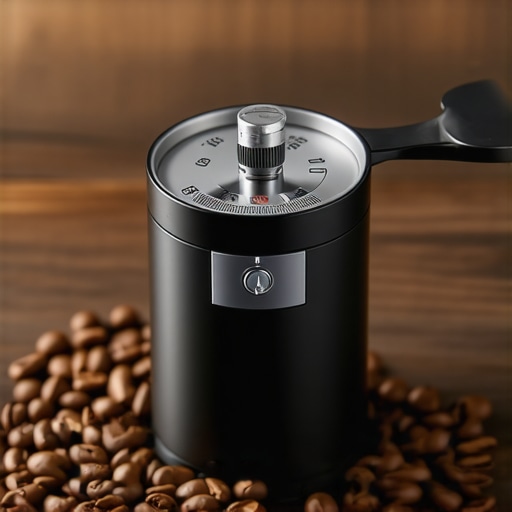
I remember the first time I pulled a shot with my trusty old grinder, only to be met with a brew that tasted off — under-extracted, sour, and just flat. It was a light roast, and nothing I did seemed to bring out its bright, complex flavors. Frustration settled in; I started doubting my equipment, my technique, everything. But then I discovered the significance of burr size, particularly the magic of 98mm flat burrs, and everything changed.
The Lightbulb Moment Behind Burr Size and Light Roasts
Lights went on when I realized that traditional grinders with smaller burrs simply couldn’t handle the nuances of light roasts. These beans are delicate, containing more volatile compounds that are easily lost during grinding if the equipment isn’t precise enough. The larger surface area of 98mm flat burrs means more uniform particle size, leading to more consistent extraction. This consistency is crucial because it ensures that light roasts unlock their full potential — vibrant, nuanced, and full of life.
Applying a bigger burr size isn’t just about marketing hype; it’s backed by real engineering advantage. Larger burrs grind more evenly and reduce the dreaded channeling and uneven extraction that plague smaller burrs. And yes, sacrificing precision at this stage? Not an option. That’s where the advantage of 98mm flat burrs truly shines, especially in 2026—a year where precision brewing is non-negotiable.
If you’ve ever struggled with inconsistent grinds or lackluster light roast brews, you’re not alone. This problem nagged at me too, until I made the switch. And I promise, the difference is like night and day.
Ready to see how this magic works? Let’s dive into why 98mm flat burrs are practically the golden ticket for light roasts in 2026.
Is the hype around flat burrs real or just marketing noise?
Initially, I made the mistake of thinking that all burrs are created equal. I assumed that upgrading to a more expensive grinder would automatically improve my brew. Wrong. I overlooked the importance of burr size and geometry. It wasn’t until I studied the engineering behind flat burrs and their impact on grind uniformity that I truly understood the value. Remember, not all upgrades are equal — focus on the size and shape of the burrs. For more insights, check out [this comprehensive guide](https://grinders.espressotechguide.com/how-burr-grinders-elevate-your-espresso-flavor-in-2025) that explains how burr design influences espresso quality.
So, before investing in that shiny new grinder, consider whether it features the 98mm flat burrs designed for precision and consistency. Your light roasts will thank you.
Start with Proper Calibration and Setting Selection
First, set your grinder to a known baseline for espresso—usually around 1.5 to 2 grams of coffee per second. Use the grind setting as a starting point, but don’t rely solely on the dial; calibrate using a scale for each bean batch. Remember, the grind size influences extraction; finer for espresso, coarser for brew methods. I once measured my grind with a digital scale and found my setting was inconsistent, causing uneven extraction. To fix this, I adjusted my grind size gradually until I achieved consistent dosing, which dramatically improved shot quality.
Dial in and Fine-Tune Grind Size
Incrementally adjust your grind size while pulling test shots. Think of your grinder as a precision tool—small tweaks make big differences. A useful tip is to photograph the poured shot and analyze the crema and flow rate, aiming for a steady, honey-like stream. I remember messily adjusting my grind multiple times, but once I focused on tiny changes—about a quarter turn—I achieved a stable extraction with vibrant flavors. Don’t forget, using the same beans keeps your adjustments meaningful.
Achieve Uniform Particle Size with Flat Burrs
Flat burr grinders with 98mm or larger burrs produce more uniform particle sizes, reducing channeling and over-extraction. To ensure this, inspect your burrs for wear or misalignment. When I upgraded to a 98mm flat burr grinder, I noticed a significant reduction in fines and boulders, leading to more consistent extraction. If your grinder supports it, perform a burr alignment check or recalibration—most tutorials suggest gently loosening the burrs, cleaning off residual coffee, then re-tightening while ensuring alignment. This step can eliminate inconsistent grind particles that sabotage your shot quality.
Control Dose Size in Single Dose Mode
Accurate dosing prevents over-complication during extraction. Using a dedicated single-dose container or a dosing funnel ensures precise amounts. I once measured twice, once with a scale before grinding and once afterward, to verify exact doses. This practice minimizes variables, maintaining consistency across sessions. For further precision, consider investing in a grinder with micro-adjustments, so you can dial in doses plus or minus a fraction of a gram.
Consistent Operation and Maintenance
Clean your grinder regularly—residual oils and coffee particles affect grind consistency. A simple brush or compressed air can remove lodged grounds. I learned this after a sticky grinder caused uneven particle sizes; a thorough cleaning fixed the problem overnight. Also, avoid grinding under static buildup, which causes clumping. Techniques like lightly tapping the hopper or grounding yourself can mitigate static—check out this guide for more static management tips. Remember, a well-maintained grinder stays consistent, and consistency is the secret to great espresso.Many enthusiasts assume that choosing a single dose grinder automatically guarantees perfect grind consistency. However, this belief overlooks nuanced factors like burr alignment, static buildup, and grinder maintenance that critically influence results. In reality, even high-end coffee grinders can underperform if these hidden elements aren’t addressed properly. For instance, misaligned burrs can cause uneven particle sizes, leading to channeling and inconsistent extraction, a common mistake among even seasoned baristas. Regular calibration and meticulous cleaning are essential; neglecting them is a trap that sabotages grind uniformity. Additionally, static electricity buildup often causes grinds to clump and stick, disrupting flow and dosing accuracy. Innovative static mitigation techniques, such as grounding or humidity control, can be surprisingly effective. Many assume that larger burrs or higher RPMs automatically improve consistency, but research by coffee industry experts shows that such factors can actually induce more fines or heat, adversely affecting flavor and grind uniformity. Make sure to verify burr geometry and wear periodically—wearing burrs can subtly degrade performance without obvious signs. Moreover, relying solely on the grinder’s software settings or static dusters without understanding the underlying mechanics is a common pitfall. For an advanced understanding, I recommend reviewing this comprehensive guide on masterful grind calibration and maintenance techniques—your key to unlocking true consistency in your espresso brewing.
What’s the biggest overlooked factor that impacts grind uniformity in single dose grinders?
The answer often surprises people: burr alignment and mechanical precision matter far more than just the size or RPM of the grinder. Misaligned burrs create uneven particle sizes, introducing variability that undermines even the most expensive equipment. Proper alignment ensures that each grind is as close to perfect as possible, vital for extracting the full potential from delicate light roasts or complex blends. Regularly checking burr alignment with simple markers or testing methods can prevent subtle degradation over time, maintaining granularity consistency. This is a nuanced step many overlook, but it’s fundamental to high-quality espresso. For detailed tips on how to perform burr alignment and identify wear, visit [this authoritative guide](https://grinders.espressotechguide.com/are-500-single-dose-grinders-still-worth-it-in-2026-tested). Remember, consistent grinding isn’t just about new gear; it’s about maintaining your equipment with expert precision. Have you ever fallen into this trap? Let me know in the comments.
Maintaining your single dose grinder is crucial to long-term grind consistency and optimal espresso flavor. Regular upkeep not only preserves burr sharpness and alignment but also prevents static buildup and retention issues that can compromise shot quality. Personally, I rely on several specialized tools for routine maintenance to keep my grinder performing at peak levels.
Invest in a burr calibration kit
One of my favorite tools is a burr alignment gauge. This precise device allows me to check and adjust burrs for perfect alignment, ensuring uniform particle size and reducing channeling. Proper calibration prevents inconsistencies that might develop over months or after extensive use—something critical for maintaining consistency with a burr grinder. I recommend calibrating your burrs at least quarterly or after significant burr wear.
Use a cleaning brush designed for static reduction
Static can cause fines to clump, disrupting dosing and flow. I use a static-reducing brush, which softens static charges and minimizes coffee dust adhesion. This simple tool helps keep grind size consistent over time, especially when grinding delicate light roasts.
Adopt a schedule for routine cleaning
My routine involves brushing out residual coffee every week and deep cleaning my espresso grinder monthly with specialized cleaning tablets. Regular cleaning avoids buildup that dulls burrs and creates uneven particles. I also inspect the burrs visually for signs of wear or misalignment, replacing them proactively to sustain precision. For detailed step-by-step maintenance, this mastering grind consistency article offers excellent insights.
How do I keep my grinder performing well over time?
Consistent calibration, routine cleaning, and proper static management are key. Additionally, consider upgrading to tools like a precision calibration kit and static dissipation devices as your grinder ages. Prediction: As technology advances, expect smarter, integrated maintenance systems that monitor burr sharpness and alignment automatically, alerting you before performance drops. For now, incorporating these maintenance habits can significantly extend your grinder’s lifespan and ensure you enjoy perfect grind consistency session after session.
If you’re serious about maintaining your setup, I recommend trying a calibration gauge this month—and see how it immediately improves your espresso shot quality.
What Hidden Truths About Burr Size Changed My Espresso Game Forever
One revelation that transformed my brewing was discovering how significantly a 98mm flat burr can impact light roast extraction. I realized that larger burrs don’t just grind faster—they create a more uniform particle size, which is vital for delicate beans full of nuanced flavors. This insight prevented me from wasting time and beans on less effective setups, and it pushed me to seek grinders equipped with the right burr dimensions for optimal consistency.
Embracing the Craft: Precision Calibration Over Price Tags
Connecting with the deeper mechanics of my grinder, I learned that regular calibration and meticulous maintenance outweigh the allure of expensive gear alone. Using tools like a burr alignment gauge and static brushes for static reduction allowed me to unlock consistent performance and extract more flavor from my light roasts. It taught me that minor adjustments and routine upkeep are the real secret ingredients in brewing excellence, regardless of equipment brand or model quality.
My Unexpected Journey toward Perfect Espresso
Mastering this process didn’t happen overnight. It involved countless experiments with grind settings, dosing, and cleaning routines. Through persistence, I discovered that static buildup and burr misalignment could sabotage even the best grinder. Overcoming these hurdles with targeted strategies made me appreciate the artistry behind each shot—turning everyday routines into a mindful journey toward coffee perfection. Have you ever faced a stubborn grind inconsistency and found a surprising fix that changed everything? Share your story below.
![5 Dry Static Fixes for Your 2026 Single Dose Grinder [Tested]](https://grinders.espressotechguide.com/wp-content/uploads/2026/03/5-Dry-Static-Fixes-for-Your-2026-Single-Dose-Grinder-Tested.jpeg)
2 responses to “Why 98mm Flat Burrs are 2026’s Only Choice for Light Roasts”
This post really resonated with my own journey in optimizing light roast extraction. I used to struggle with under-extraction and sour notes until I realized the importance of the burr size and uniformity. Upgrading to a grinder with 98mm flat burrs made a huge difference—smoother, more consistent shots that truly highlight the delicate nuances of light roasts. I especially appreciate the emphasis on calibration and maintenance; it’s often overlooked but so critical for longevity and performance.
One thing I’ve found helpful is creating a routine check for burr alignment and static buildup, which can subtly sabotage even quality grinders over time. I’d love to hear from others—how do you personally ensure your grinder remains in top shape for delicate beans, especially in a busy setup? And are there specific calibration tools you’ve found particularly effective? Sharing experiences on these details can really elevate everyone’s espresso game and avoid common pitfalls.
I completely agree with the focus on burr size, especially the 98mm flat burrs, for light roast brewing. From my experience, the larger surface area not only improves grind uniformity but also helps in reducing fines that can over-extract delicate beans, leading to a cleaner, brighter shot. One challenge I’ve faced, though, is ensuring consistent calibration over time as burrs wear down. I’ve found that investing in a digital calibrator for my grinder has made a noticeable difference in maintaining precision.
Regarding static buildup, I’ve started using a grounding static brush which has significantly reduced clumping, especially when grinding lighter roasts prone to static issues. How do others manage static when grinding at high volumes? Also, do you recommend any particular maintenance routines or tools for keeping burr alignment pristine? It seems like regular calibration and cleaning are essential, but I’m wondering if there are lesser-known tips to sustain perfect grind quality for light roasts. Would love to hear more insights from fellow enthusiasts—this could really help prevent subtle inconsistencies that often go unnoticed.