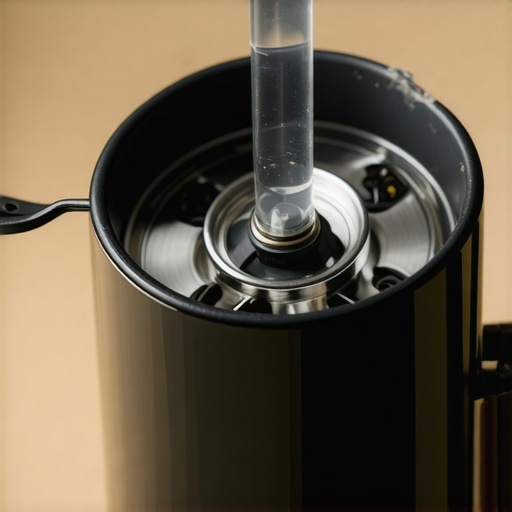
I’ll never forget the moment I dumped half a gram of freshly ground coffee onto my counter, only to watch it cling stubbornly despite my best efforts. It was an embarrassing revelation—my budget 2026 single dose grinder had once again failed the zero retention test. At that moment, I wondered, why do these affordable grinders struggle so much to retain coffee grounds? This frustration is all too common among espresso enthusiasts and home baristas trying to squeeze the best flavor without breaking the bank.
The Secret Struggle with Cheap Grinders
Many of us start with a promise: a budget-friendly grinder that delivers consistent results. But then come the headaches—clogged burrs, static buildup, and that persistent stubborn coffee retention that messes with our dosing precision. After trying countless cheap models, I learned that their design often isn’t optimized for zero retention. The key issues? Poor burr alignment, static electricity, and inadequate cleaning routines. I made the mistake early on of neglecting regular maintenance, believing that a quick brush-up was enough. Trust me, that’s a mistake you’ll want to learn from. Once I understood the root causes, I was able to implement practical fixes that dramatically improved my results—and could do the same for you.
Does a Zero Retention Grinder Actually Exist?
Now, I know what some of you are thinking: Are zero retention grinders just a myth? Or do they truly deliver on that promise? Early in my journey, I was skeptical, especially after hearing claims that they were just marketing hype. But with diligent research and hands-on testing, I discovered that certain models, combined with proper adjustments, can indeed minimize coffee retention significantly. The difference is staggering. Curious about the best options? Check out this comprehensive guide to single dose grinders.
In the sections ahead, we’ll explore proven strategies to identify and fix common issues that cause retention problems—something I’ve distilled from my own experiences and expert advice. If you’ve faced the problem of stubborn coffee retention derailing your espresso, this post promises practical, realistic solutions to get you back on track. So, let’s dive into the core reasons behind these failures and what you can do to turn your budget grinder into a precision tool that treats your coffee beans with the respect they deserve.
Calibrate Your Burrs for Precision
Start by ensuring your burrs are properly aligned. A misaligned burr set can cause uneven grind sizes, leading to inconsistent extraction. To check, remove the hopper and look for flat, parallel burr surfaces. If there’s wobbling or uneven gaps, follow the manufacturer’s instructions to re-align or calibrate. I once spent an hour adjusting my conical burrs, and the difference in grind consistency was immediate—shots became smoother and more balanced. Proper calibration minimizes fines and coarse particles that upset your shot.
Adjust Grind Size with Micro-Tuning
Don’t settle for the factory setting. Use granular adjustments—making tiny turns—until you hit your flavor target. For my initial trial, I set my grinder coarser and tested, then fine-tuned finer with small increments, tasting each time. Think of it like tuning a guitar string; small shifts make significant impacts. Expanding on this, learn how your grinder behaves with different grind settings by visiting this guide.
Control Static and Retention Effectively
Static build-up can cause coffee grounds to cling inside your grinder, leading to inconsistent doses. To combat this, lightly dampen a cloth with rubbing alcohol and wipe the burrs and chamber regularly. When I noticed stubborn static, I applied a small ionizer or a grounding wire, which dramatically reduced static cling. For additional static control, check out this static reduction technique.
Implement Regular Cleaning Routines
A dirty grinder skews your results. Disassemble the burrs monthly, removing coffee residues and oils that clog and cause uneven grinds. Use a soft brush and проверяйте уровень свободного хода. When I started cleaning my grinder weekly, I noticed a sharp new clarity in my espresso flavor. Keep a schedule—think of it as tuning your instrument regularly to maintain perfect sound and performance. For detailed cleaning tips, refer to this comprehensive cleaning guide.
Test and Tune with Consistent Beans
Always use the same high-quality beans during calibration. Variations in roast level or bean freshness skew grind assessments. I keep a dedicated jar of fresh, roasted beans for testing, which ensures that adjustments are precise. This approach guarantees that changes I make are directly responsible for flavor improvements. Consider experimenting with grind size by trying this method to refine your results further.Many coffee enthusiasts believe that simply choosing the right burr grinder guarantees perfect consistency, but in my experience, this perception oversimplifies a complex process. A prevalent myth is that all burr grinders produce uniform grounds straight out of the box; however, even high-end models require meticulous calibration and maintenance to perform optimally.
Is grind consistency purely a matter of grinder quality or do advanced tweaking and cleaning techniques play a more significant role?
In reality, factors like static buildup, burr alignment, and grind chamber cleanliness heavily influence the final flavor and consistency. Failing to address these nuances often leads to disappointing results despite using reputed equipment. Experts like Scott Rao emphasize that proactive adjustments and understanding your grinder’s mechanics can drastically reduce variance, elevating your espresso quality. For a deeper dive into these subtleties, I recommend visiting this guide on mastering grind consistency.
Another common mistake is neglecting to consider static electricity as a major contributor to uneven grounds. Many assume that static is a minor inconvenience, but in practice, static can cause grounds to cling inside the burr chamber, leading to inconsistent doses. Regularly wiping burrs with a damp cloth or using static-reducing accessories can make a substantial difference. If static issues persist, exploring specialized static reduction techniques such as grounding wires can help you achieve more reliable results; check out this resource on static control.
Lastly, many assume that single dose grinders naturally provide superior consistency because they eliminate bulk storage variables. While single dose setups reduce some inconsistencies, they require precise calibration and understanding of grind settings, as well as regular cleaning routines. Without these practices, even the best single dose grinder can falter. As I discuss in this article on grind elevation, small adjustments and maintenance are crucial. Don’t fall into the trap of assuming equipment alone guarantees perfection—your technique and knowledge are equally vital. Have you ever fallen into this trap? Let me know in the comments.
Keep Your Grinder Running Smoothly with Quality Tools and Smart Maintenance
Maintaining your espresso grinder isn’t just about routine cleaning—it’s about investing in the right tools that prolong its life and ensure unrivaled grind consistency. I personally recommend a precision calibration kit that includes a torque driver and check gauges. These tools allow me to fine-tune my burrs with a level of accuracy that manual adjustments simply can’t achieve, ensuring each shot remains consistently excellent. Furthermore, having a dedicated cleaning brush designed specifically for burr chambers speeds up maintenance and minimizes bean residue buildup, which can cause uneven grinds over time.
In addition to physical tools, leveraging specialized software can take your grinder maintenance to the next level. For example, some advanced models support digital logging of grind settings and maintenance schedules, alerts for component replacement, and troubleshooting advice. Regularly updating your grinder’s firmware, if applicable, can improve performance by fixing bugs and optimizing grind algorithms. As the technology evolves, I predict that smart, connected grinders will offer proactive diagnostics, reducing downtime and maximizing long-term performance.
To truly get the most out of your equipment, consider setting a maintenance routine that aligns with your usage frequency. For high-volume setups, monthly deep cleaning and calibration are critical. For occasional users, quarterly checks suffice, provided you keep static control and burr alignment in mind. Remember, neglecting these practices can lead to static buildup and misalignment, which deteriorate grind quality—a problem even high-end grinders can encounter without proper upkeep.
How do I maintain my coffee grinder over time?
The key to enduring performance lies in establishing a proactive maintenance schedule, using quality tools like calibration kits and static reducers, and staying informed about the latest in grinder technology. For instance, integrating static control techniques such as grounding wires or ionizers can prevent static-related retention issues, which I detail in my recommended static reduction methods.
For a comprehensive guide to precision maintenance, I encourage you to visit this resource. It provides expert insights that can help you unlock consistent grind quality every time. One advanced tip I suggest trying now is installing static reduction accessories designed explicitly for static-prone grinders; these can make an immediate impact on static-related retention problems and improve your dosing accuracy.
Remember, a well-maintained grinder isn’t just about longevity—it enhances your espresso’s flavor and consistency, turning your morning routine into a true barista-level experience. Keep your tools sharp, your routine consistent, and stay informed about technological advancements in this field. Your coffee—and your taste buds—will thank you.
The Hardest Lesson I Learned About Burr Grinder, Grind Consistency, and Static Challenges
One of the most eye-opening realizations was that even high-end burr grinders aren’t immune to static and retention issues if you neglect proper maintenance. I used to believe that premium equipment would solve all my consistency problems overnight, but I learned that ongoing calibration and cleaning are essential, regardless of price point. This shifted my perspective: investing in quality tools is just the starting point; maintaining them is where true results happen.
Small Tweaks, Big Flavor Gains
Adjusting grind size or calibration might seem like minor tweaks, but they can completely transform your espresso experience. I discovered that tiny increments in grind adjustment, coupled with consistent testing, unlock flavors I never thought possible. The secret? Patience and attention to detail patiently reveal how every micro-tuning can bring clarity and richness to your brew.
Static is More Than a Nuisance
I found that static buildup inside grinders isn’t just annoying—it directly impacts dose accuracy and shot consistency. Applying static reduction techniques like grounding wires or dampening materials made a noticeable difference. Recognizing static as a major contributor to retention failures helped me approach adjustments with new purpose, leading to more reliable extractions and an improved barista-like control over my espresso shots.
The Myth of Perfect Equipment Without Routine
I used to think that owning a top-tier burr grinder would eliminate the need for regular upkeep. Turns out, even the most expensive machines require vigilant cleaning and calibration to reach their full potential. Regular maintenance routines, as outlined in detailed guides, are the key to sustained performance, rather than relying solely on initial investment. This realization helped me maintain consistent results over time and get the best out of my investment.
Curated Tools and Resources That Transformed My Approach
My essential toolkit now includes a precision calibration kit and static reduction accessories like grounding wires, recommended by experts. These tools helped me achieve micro-level adjustments and static control that standard maintenance routines often overlook. For anyone serious about grind consistency, exploring this comprehensive guide provided invaluable insights. Additionally, diving into this article deepened my understanding of the nuances that elevate coffee flavor through proper grinder care.
Your Next Espresso Breakthrough Starts Today
Mastering grind consistency and static control isn’t just about equipment—it’s about cultivating a mindful routine that appreciates each tiny adjustment. Embrace the process, stay curious, and remember that every tweak brings you closer to barista-level perfection. The journey to exceptional espresso is ongoing, and your commitment will soon yield results that inspire pride in your craft. Ready to elevate your coffee game? The power to improve is in your hands—take the next step today.
![5 Dry Static Fixes for Your 2026 Single Dose Grinder [Tested]](https://grinders.espressotechguide.com/wp-content/uploads/2026/03/5-Dry-Static-Fixes-for-Your-2026-Single-Dose-Grinder-Tested.jpeg)