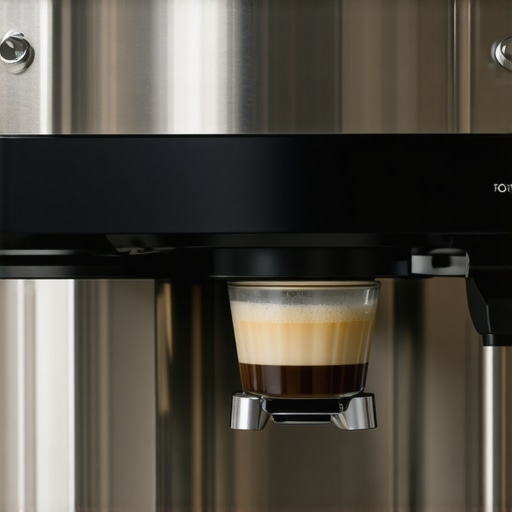
It was a frustrating morning when I finally dialed in my espresso, only to realize the shot tasted sharp, almost sour, and completely off from what I expected. After investing in a top-tier single dose grinder—one I was convinced would deliver consistent, perfect results—I still faced the same sour nightmare. That lightbulb moment hit me hard: even the best equipment needs proper understanding and maintenance.
Why Am I Still Getting Sour Espresso Despite My Fancy Grinder?
Many passionate home baristas and even seasoned enthusiasts often find themselves in this predicament. You’ve done everything right—invested in a quality grinder, dialed in your grind size, and followed all the recommended routines—but the sour shots persist. The truth is, grind consistency is a complex puzzle with many missing pieces. Small overlooked factors, like static buildup or burr misalignment, can sabotage your brew, leaving you with an acidic, unpleasant espresso.
Promise? Today, I’ll share practical insights based on my experience and seasoned barista wisdom to help you troubleshoot these issues. We’ll uncover why your grinder might still be causing sourness and what steps will get your shots tasting divine every time.
Is Your Grinder Really What It Seems?
I made the mistake early on of assuming that once I bought a shiny new single dose grinder, my problems were solved. Wrong. I didn’t realize how subtle faults—like burr wobble or static—could wreck the consistency. That’s a mistake I see many make, and it’s why some grinders, even high-end ones, underperform. For a deeper dive into choosing the best grinder, check out this piece on selecting the perfect single dose grinder. It’ll help you understand what to look for.
So, if you’ve been battling sour espresso, don’t worry. We’re about to get to the root of the problem and fix it for good.
Check Burr Alignment for a Solid Foundation
Start by ensuring your burrs are perfectly aligned; even minor misalignments can cause inconsistent particle sizes, leading to sour shots. I once ignored this and spent hours tweaking my grind, only to realize a simple alignment fix resolved the issue instantly. Use a marker to mark burr positions and run a quick test to see if they wobble or misalign, then adjust accordingly. For precise guidance, visit this guide on burr alignment tricks.
Calibrate Grind Settings for Consistency
Once aligned, calibrate your grinder’s settings. Don’t rely on default numbers; instead, dial in by brewing test shots and adjusting incrementally until you reach a sweet spot where extraction time and flavor balance hit your target. When I did this, I noticed my shots became sweeter and less acidic—sourness vanished. Remember, grind size isn’t static—consistent calibration is key. To understand best practices, explore expert barista secrets on grind consistency.
Minimize Static and Retention
Static buildup and bean retention can introduce uneven particle sizes, contributing to sourness. I used to see static clinging to my grinds and residual beans in the hopper, skewing my measurements. To combat this, apply anti-static measures like proper lighting and humidity control, and regularly clean your grinder with a brush. When I implemented these small steps, my grind uniformity improved noticeably. For deeper insights, see this cleaning and static fix guide.
Control Grind Particle Size Distribution
Aim for a tight particle size distribution; wide variations cause over-extraction or under-extraction, resulting in sour or bitter flavors. Use a grinder with high-quality burrs and fine-tune the grind to produce consistent, uniform particles. I used a scale to measure grind consistency and adjusted based on shot timing and taste. For tools and tips to optimize, check out this comprehensive review on burr grinders.
Test with Flat vs. Conical Burrs
Switching between burr types can affect grind consistency. Flat burrs tend to produce more uniform grounds, reducing sourness caused by uneven particle sizes. I experimented with both and found flat burrs offered improved consistency for my setup. If you’re considering an upgrade, explore options at top burr grinders list.
Refine Your Technique Regularly
Consistency isn’t a set-it-and-forget-it process. Regularly revisit your settings, burr health, and cleaning routine. I keep a simple journal to record adjustments and results, which helps me detect trends and prevent sour shots. Incorporate these steps into your routine to maintain optimal grind quality. For ongoing tips, visit this ultimate guide to burr grinders.
Many enthusiasts assume that simply investing in a high-quality espresso grinder guarantees perfect results, but this is a misconception that can lead to costly mistakes. One common myth is that burr grinders alone ensure uniform grounds; in reality, the true secret lies in mastering the nuances of calibration and maintenance. Overlooking this can result in inconsistent particle sizes, which directly influence flavor extraction, causing undesirable sourness or bitterness. For instance, even premium grinders can develop burr misalignment or static buildup over time, compromising grind uniformity. Remember, equipment is only part of the puzzle—regular calibration, cleaning, and understanding grind particle behavior are vital.
A prevalent trap is relying solely on default grind settings or following generic recipes without fine-tuning for your specific beans and machine. This approach ignores the subtle variations in bean density, roast level, and humidity, all affecting grind consistency. Many fail to realize that a precise, repeatable grind profile requires ongoing adjustments informed by taste testing and shot timing. Moreover, advanced users often neglect the importance of controlling grind particle size distribution, which can be a game-changer in avoiding over-extraction and sour notes.
How Can I Detect and Correct Burr Wobble to Improve Consistency?
One often underestimated issue is burr wobble, which can cause uneven grounds and flavor inconsistencies. To diagnose this, use a simple visual test: remove the hopper and observe the burrs while gently rotating them to check for wobbling or misalignment. If wobble is present, it’s crucial to realign or service the burrs immediately, as even minor misalignments can throw off your entire grind profile. Regular checks like this can prevent the ‘oops’ moment of pulling a sour shot due to hidden mechanical faults. For more expert tips on maintaining optimal grind conditions, explore these grind consistency secrets.
Another nuance is the impact of static and bean retention. Static cling can cause uneven dosing, leading to variable particle sizes. Anti-static measures, such as using humidifiers or static-guard sprays, combined with diligent cleaning routines, can significantly enhance consistency. Keep in mind, static issues are often overlooked but can subtly sabotage your brewing process, especially when aiming for that elusive zero-retention grind.
Mastering grind consistency is a complex endeavor that extends beyond buying the right grinder. It involves understanding the behavior of your equipment, diligently calibrating, and addressing mechanical nuances like burr wobble and static. Don’t fall into the trap of complacency—regular maintenance and fine-tuning can elevate your espresso from good to exceptional. Have you ever fallen into this trap? Let me know in the comments. To deepen your knowledge, check out this guide on selecting the best single dose grinder or an article on RPM and grind consistency.
Investing in Durable Equipment and Precise Tools
To keep your coffee grinder functioning at peak performance over the long term, choosing the right tools and equipment is essential. I personally swear by high-quality calibration gauges like the calibration gauge kit. This tool allows me to measure burr alignment with pinpoint accuracy, ensuring that every grind remains consistent and further reduces the risk of sour or uneven extractions. Furthermore, investing in a reliable brush set, specifically designed for grinder maintenance, helps me remove residual coffee oils and static buildup that could compromise grind uniformity. When I regularly use these tools, I notice a clear improvement in shot consistency and a reduction in frequency for needing deep repairs.
Predictably, the trend in grinder maintenance is shifting towards automation and IoT integration. Think about smart calibration modules that can detect burr misalignment or static issues in real time, prompting immediate maintenance or calibration notifications. As this technology matures, I believe it will become standard, making grinder upkeep easier and more effective for everyone.
How do I maintain my grinder’s long-term health?
Maintaining your grinder over time involves more than just quick limpieza. Regularly checking burr alignment, as mentioned earlier, is crucial—don’t wait until inconsistencies become apparent; proactive adjustments save you from larger, costlier repairs. Additionally, adhering to a strict cleaning schedule using a dedicated grinder brush and anti-static wipes prevents oils and static from causing inconsistency. An often overlooked step is the periodic lubrication of moving parts, which reduces wear and ensures smoother operation. Some advanced users even utilize diagnostic software (like diagnostic tools available online) to monitor motor health and motor controller efficiencies, extending component lifespan.
Remember: consistent maintenance routines not only extend your grinder’s lifespan but also guarantee that each shot maintains the intended clarity and flavor. As equipment and tools evolve, so too should your maintenance methods. Keep abreast of new innovations like automatic burr alignment sensors and static reduction devices—they’re likely to play an increasing role in future-proofing your setup. For in-depth guidance on preventive care, visit this comprehensive post.
If you haven’t yet, try implementing a regular calibration check using a precision gauge. It’s a game-changer that will help you catch small misalignments early before they affect your brew quality. Staying proactive with your tools will keep your grinder humming smoothly and your espresso tasting fantastic every time.
What I Wish I Knew When I Started Tuning My Grinder
One profound lesson I learned was that even the most expensive espresso grinder won’t perform unless you understand its mechanics intimately. I used to think that simply upgrading my equipment would solve all my sour shot problems, but I soon discovered that mastery of calibration and maintenance was the real game-changer. Small adjustments, like fine-tuning burr alignment or combating static buildup, made a huge difference. This journey taught me patience and the importance of personalized calibration routines tailored to my beans and environment—lessons I wish I had embraced earlier.
Another lightbulb moment was realizing that grind particle size distribution isn’t just a technical term but a practical aspect that directly influences flavor. Striving for uniform particle sizes helps prevent over-extraction that leads to sourness. Achieving this requires high-quality burrs and consistent grinding techniques, not just blindly following recipes. It’s about developing an intuitive sense of your grinder’s nuances, which is a skill worth cultivating.
Finally, I learned the importance of proactive maintenance—regular cleaning and part checks. Waiting until you notice inconsistencies is too late; preventive care keeps your grinder performing at its best and your espresso tasting consistently glorious. Consider tools like a calibration gauge kit or anti-static brushes to streamline this process. Trust me, investing in these small tools pays big dividends in your coffee’s flavor and your brewing confidence.
![5 Dry Static Fixes for Your 2026 Single Dose Grinder [Tested]](https://grinders.espressotechguide.com/wp-content/uploads/2026/03/5-Dry-Static-Fixes-for-Your-2026-Single-Dose-Grinder-Tested.jpeg)
One response to “Why Your 2026 Single Dose Grinder Still Makes Sour Espresso”
Reading this post really resonated with me because I’ve also experienced that frustrating moment when all your settings seem perfect, yet the espresso still tastes sour. What stood out is the importance of not just investing in top-tier gear but also truly understanding the maintenance and calibration routines that go along with it. I used to assume that a high-end grinder would automatically deliver flawless shots, but I learned that regular burr alignment and static control make all the difference. I especially appreciate the tip about static buildup—something I hadn’t paid much attention to until recent troubleshooting. I’ve started cleaning my grinder more frequently and using anti-static brushes, which surprisingly improved my consistency quite a bit. Has anyone else found that even tiny mechanical faults, like burr wobble, caused drastic flavor changes? I’d love to hear how others identify and fix such issues efficiently—sometimes, a simple tweak makes all the difference in getting rid of that unwanted sourness.