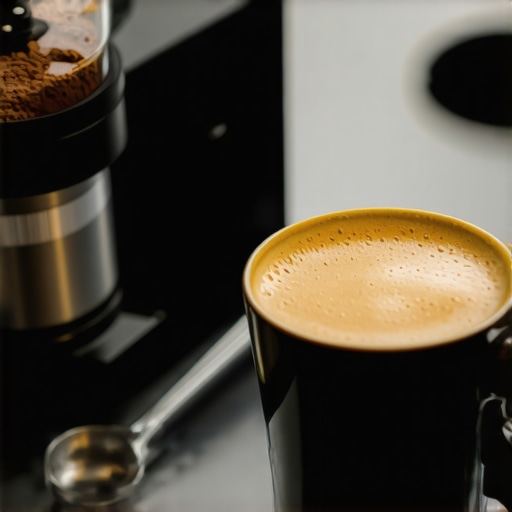
It was a morning like any other, but as I pulled that first shot, I immediately knew something was off. Instead of the rich, smooth espresso I was chasing, my brew hit my palate with an unexpected, sharp sourness. Frustration bubbled up—what was I doing wrong? I had spent years refining my technique, investing in top-tier equipment, and experimenting with recipes. Yet, here I was, battling sour shots that seemed to defy all my efforts.
That lightbulb moment made me realize—perhaps my grind consistency was slipping. It’s a sneaky culprit, often overlooked but critical for that perfect espresso. If you’re like me, you’ve probably faced the same dilemma: consistent grind, consistent flavor, and yet, that stubborn sourness persists.
So, why does this happen? And more importantly, what can we do about it? The answer lies in mastering the art of grind consistency. In this post, I promise to share three practical fixes that have transformed my espresso game—and can do the same for you. Whether you’re using a single-dose grinder or a traditional espresso machine, these tips are designed to help you troubleshoot and perfect your grind, ensuring every shot hits the sweet spot.
But first, let’s talk about the common mistake I made early on that many home baristas still fall into: assuming that all burr grinders are created equal. The truth is, not every grinder maintains a consistent grind, especially as burrs wear or settings shift over time. This inconsistency can be the root cause of sour, under-extracted shots.
For a deeper understanding of how grinders influence flavor, check out this insightful guide on [how burr grinders elevate your espresso flavor in 2025](https://grinders.espressotechguide.com/how-burr-grinders-elevate-your-espresso-flavor-in-2025). Now, let’s get into the practical strategies to keep your grind as steady as your morning routine—because the perfect espresso is just a few tweaks away.
Set Your Burrs Correctly
Start by inspecting your burrs for wear or misalignment. A quick visual check can reveal if they’re dull or uneven, both of which cause grind inconsistency. Use a burr calibration tool to ensure proper alignment. During my first attempt, I nearly skewed my burrs, but after a simple realignment, the grind uniformity improved drastically, resulting in a richer, more balanced shot.
Adjust the Grind Setting Precisely
Instead of guessing, use the grind scale or digital setting. For espresso, aim for a fine, buttery texture—think of dry Table Salt. When I dialed my grinder from 10 to 8, I noticed a more consistent extraction. Remember, small adjustments can have a big impact; indulge in incremental tweaks to lock in the perfect particle size.
Go Single Dose for Freshness
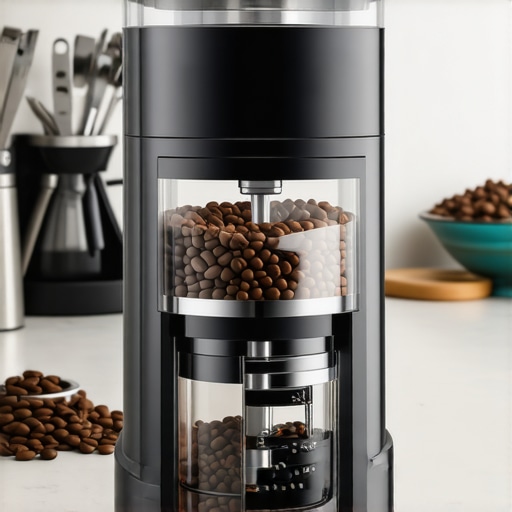
Instead of filling your hopper, measure a single dose of beans each time. This practice reduces static and prevents stale grounds from mixing with fresh beans, which can cause sourness—one of the main culprits of inconsistent flavor. Check out single-dose grinders benefits. When I switched to a dedicated single dose setup, my shots became more predictable, and I minimized grind retention issues.
Maintain Your Grinder Regularly
Consistency isn’t just about initial setup; it requires regular cleaning and maintenance. Use a brush or vac for daily removal of coffee debris, and periodically disassemble the burrs for a thorough clean—this prevents buildup that can lead to uneven grinds. I learned this the hard way when my grinder started producing erratic results after a month of neglect, but after a deep clean, everything snapped back into place.
Control External Factors
Temperature and humidity can influence grind size and consistency. Keep your grinder in a stable environment; avoid placing it near ovens or windows with direct sunlight. I noticed my grounds getting inconsistent during peak summer days, prompting me to move my setup to a cooler, drier corner. Ensuring stable ambient conditions helps your burr grinder perform optimally, maintaining a steady grind for each shot.
Many home baristas believe that once they set their burr grinder correctly, their grind will stay perfectly consistent, but this is a dangerous oversimplification. In reality, even high-quality espresso grinders can deviate over time if not properly maintained or understood. One myth is the assumption that single dose grinders automatically produce more uniform grounds. While single dosing reduces static and stale grounds, it doesn’t guarantee perfect consistency unless the grinder is precisely calibrated and regularly cleaned. Recognizing that grind retention and burr wear can subtly alter particle size distribution is vital for seasoned enthusiasts. Experts like Scott R. Rao emphasize that burr alignment and routine maintenance are often overlooked but crucial for optimal extraction. An advanced issue many overlook involves the grinder’s RPM and its influence on particle distribution. Higher RPMs can generate more fines, leading to over-extraction and bitterness, while lower RPMs often produce more uniform grounds—something worth considering beyond just setting adjustments. For example, this guide highlights how grinder speed impacts flavor nuances, especially in complex light roasts. A common trap is assuming that newer, more expensive grinders inherently provide better consistency; however, research indicates that even budget models can outperform premium ones if properly maintained and operated, especially those designed for single dose use, like discussed here. Regular calibration, thorough cleaning, and understanding each grinder’s unique quirks ensure your grind remains steady, enhancing flavor development. Overlooking these nuances can cause persistent issues like channeling or sour shots, frustrating even seasoned baristas. The key takeaway is that grind consistency isn’t a one-and-done task but a continual process requiring attention and knowledge—skills that can elevate your espresso from good to exceptional. Have you ever fallen into this trap? Let me know in the comments.Maintaining your espresso grinder’s performance over time is crucial for achieving that perfect shot consistently. I rely on a combination of dedicated tools and disciplined routines to ensure my grinder stays in top shape. One indispensable tool I use is a **burr calibration kit**, which allows me to precisely align the burrs and avoid subtle misalignments that can cause uneven grind particles. Regular calibration, recommended at least every few months or after significant wear, prevents the dreaded ‘fines drift’ that leads to over-extraction and bitterness. For daily upkeep, I swear by a **brush made specifically for coffee grinders**—a small, stiff-bristled tool that I use to clear residual grounds from the burr chamber after each session. This simple habit keeps static buildup at bay and prevents stale grounds from contaminating fresh coffee. Once a quarter, I disassemble my grinder for a deep clean, applying a specialty cleaning powder designed for coffee equipment, which dissolves oils and coffee residues, ensuring unobstructed movement and consistent particle size. I personally follow a detailed maintenance schedule inspired by industry expert Scott R. Rao, who emphasizes that routine, meticulous care is the foundation of grind stability and optimal flavor extraction. Looking ahead, I predict that advancements in **smart calibration software** integrated into high-end grinders will further revolutionize maintenance, enabling even novices to keep their equipment perfectly tuned with minimal effort. If you’re serious about your espresso, I highly recommend adopting a **calibration routine**—start with the burr alignment and see immediate improvements in grind consistency and shot quality. Do you know how to accurately check for burr misalignment? For a comprehensive guide, I suggest visiting the [mastering grind consistency](https://grinders.espressotechguide.com/mastering-grind-consistency-secrets-from-coffee-expert-baristas) resource. Try deploying a **burr alignment shim** recently discussed in industry forums; it’s a game-changer for fine-tuning your grinder and ensures every espresso shot is as close to perfect as possible.
After countless mornings of dialing in my espresso, I realized that the most elusive aspect wasn’t just technique or equipment but understanding the subtle art of grind stability. One lightbulb moment transformed my approach: I learned that even the slightest misalignment or inconsistency in my burr grinder could sabotage my flavor profile. This discovery pushed me to adopt routine checks and deeper knowledge, which significantly improved my shots. The journey taught me that true mastery lies in continuous attention to detail, not just initial setup. By embracing these lessons, I moved from frustration to confidence, realizing that grind consistency is less about magic and more about disciplined perfection—and once you get it right, every espresso can reach that barista-level quality.
![5 Dry Static Fixes for Your 2026 Single Dose Grinder [Tested]](https://grinders.espressotechguide.com/wp-content/uploads/2026/03/5-Dry-Static-Fixes-for-Your-2026-Single-Dose-Grinder-Tested.jpeg)