![5 Hidden Reasons Your Single Dose Grinder Retains Coffee [2026]](https://grinders.espressotechguide.com/wp-content/uploads/2026/01/5-Hidden-Reasons-Your-Single-Dose-Grinder-Retains-Coffee-2026.jpeg)
I remember the moment vividly—standing over my grinder, frustration bubbling as I tapped, twisted, and even shook it, desperately trying to coax out that stubborn last spoonful of coffee. No matter what I did, the beans just wouldn’t drop. That sinking feeling was all too familiar. It’s a common struggle among espresso enthusiasts: your single dose grinder seems to hold onto that tiny amount of coffee, leaving your brew inconsistent and your morning routine disrupted.
Is Your Grinder Sabotaging Your Perfect Shot?
Many of us have been there, pouring over recipes, adjusting tamp pressure, and chasing that elusive, flawless extraction. But what if I told you that part of the problem isn’t your technique, but your grinder itself? You see, certain hidden reasons—like burr alignment or retention issues—can cause your grinder to retain coffee beans, making those last few grams disappear into its depths. This isn’t just an annoyance; it directly affects grind consistency, flavor, and overall espresso quality. Upgrading or fixing these factors can transform your brewing game. According to a study by the Specialty Coffee Association, grind retention can cause significant flavor inconsistencies, especially when using single dose grinders—as little as 0.5 grams of retained coffee can alter shot profiles noticeably. So, how do you overcome this silent enemy? Today, I’m going to walk you through the common reasons your grinder retains coffee and what practical steps you can take to fix it. Before diving in, think back—have you ever faced persistent retention issues that hampered your espresso experience? If so, you’re not alone, and help is on the way.
Disassemble and Clean Regularly
Begin by turning off your grinder and removing the hopper. Use a soft brush or a dedicated grinder cleaning brush to sweep out residual coffee grounds from the burr chamber. For stubborn buildup, consider a grinder cleaning pellet or grinder-appropriate cleaning solution. I once took apart my grinder after noticing inconsistent shots; the buildup of old coffee grounds was so dense that a thorough cleaning instantly improved grind consistency and reduced retention.
Check Burr Alignment and Tightness
Next, inspect your burrs for alignment. Misaligned burrs cause uneven grinding, leading to retention issues. Use an Allen wrench to tighten burr screws, ensuring they sit flush and parallel. When I adjusted my burrs following a calibration guide, I noticed a significant drop in retained coffee—your grinder’s burrs must be secured properly for optimal flow.
Adjust Grind Settings Carefully
Fine-tune your grind size, opting for a slightly coarser setting if retention persists. A too-fine grind creates a lack of clearance in the burr chamber, trapping coffee. Experiment gradually and keep notes to find your optimal setting. I once oversaw a novice who kept tightening their grinder; a small coarsening resolved their retention without sacrificing shot quality.
Consider Burr Type and Quality
High-quality flat burrs tend to have less retention compared to conical burrs, especially in single dose setups. Upgrading to a well-reviewed burr grinder can be transformative. Check out the top recommendations for best burr grinders for consistent espresso. During my own upgrade to a flat burr grinder, I saw immediate improvements in grind uniformity and retention reduction.
Implement Proper Dosing Techniques
Use a dosing cup or a funnel to guide coffee directly into the portafilter, minimizing spills and leftovers. This practice also helps you monitor exactly how much coffee is used each time, reducing retained residuals. I once avoided this step, and my grinder retained more coffee than I realized, causing inconsistent shots.
Optimize Burr Maintenance Schedule
Establish a routine cleaning schedule—every 1-2 weeks—based on usage. Regular maintenance prevents clogs and buildup that cause retention. Keeping your grinder in top condition ensures consistent grind size and flow. As part of my routine, I noticed a marked decrease in retention after I strict scheduled cleanings.
Use Appropriate Grinder for Single Dose
If you currently use a grinder designed for hoppers, consider switching to a dedicated single dose grinder for more precision and less retention. Explore options through guides like single dose grinder reviews. My switch reduced residual coffee dramatically, making my shots more consistent and flavorful.
Experiment and Record Results
Always document your adjustments and their outcomes. Small changes can make big differences. When I tacked my retention issue, I kept detailed notes; ultimately, a minor burr alignment tweak solved the problem permanently. Persistence with systematic trial and error is key to perfecting your workflow.
Through disciplined maintenance, careful calibration, and the right tools, you can eliminate the stubborn retention that hampers your espresso quality. Remember, every grinder is a little different—understanding its unique behavior and applying these targeted steps will bring you closer to the perfect shot.
Many coffee enthusiasts operate under misconceptions about grinder quality and its impact on espresso. One common myth is that investing in a high-end burr grinder guarantees perfect grind consistency, but in reality, even expensive grinders can fall prey to issues like misalignment or inconsistent burr wear. These hidden nuances can cause variable extraction, undermining your brewing efforts. For instance, uneven burrs due to poor maintenance lead to inconsistent particle sizes, which directly affect shot quality. **Don’t assume that a shiny exterior equals performance; regular calibration and alignment are essential.**
Have you ever fallen into this trap? Let me know in the comments.
A subtle mistake many make is neglecting the importance of burr geometry and wear over time. Flat burrs typically provide more uniform particle size, but only if they are properly maintained. Worn burrs can create inconsistent grinds, even if your settings haven’t changed. Studies show that burr wear can cause up to a 20% increase in grind size variance, affecting extraction and flavor. Therefore, it’s not just about choosing a good grinder but understanding its maintenance lifecycle.
Another overlooked detail is the effect of static charge on grind consistency. Static buildup can cause grounds to cling to the burrs and chute, leading to uneven dosing and retention issues. Techniques like lightly dampening the inner chamber or using anti-static sprays can mitigate this problem. For the serious home barista, exploring the differences between flat and conical burrs in terms of static and retention provides valuable insight. To deepen your understanding, check out detailed guides on flat vs. conical burrs and maintenance routines.
Beyond hardware, the way you calibrate your grinder also impacts grind consistency. Relying solely on factory defaults can be a trap; iterative adjustments and using a scale to measure grind weight are critical. The precision necessary for single dose grinders requires meticulous calibration to avoid inconsistent extraction profiles.
Critically, many users overlook the significance of temporal variations—burrs wear differently based on frequency and type of use. Regularly inspecting burr condition and replacing them when signs of dullness appear ensures sustained performance. Experts recommend updating burrs every 300–500 kilograms of coffee, but always base decisions on actual wear rather than just time elapsed.
By paying attention to these hidden factors—burr alignment, wear, static buildup, and calibration—you establish true mastery over grind consistency. This nuanced approach elevates your espresso from good to exceptional. For comprehensive strategies, consider reviewing methods in mastering grind consistency and learning when and how to perform precise calibrations.
What’s a small tweak you’ve found made a big difference in your grinder’s performance? Share your experience below and keep refining your craft.Maintaining your burr grinder is crucial for long-term grind consistency and optimal espresso flavor. One of my preferred tools is a dedicated cleaning brush, specifically the Baratza Precision Cleaning Brush. I use it weekly to sweep out coffee residues from the burr chamber and chute because it fits comfortably in tight spaces and effectively removes oils and fines that can clog the grinder. Regular cleaning prevents static buildup and retention issues, ensuring each dose remains fresh and precise.
How do I maintain my grinder over time?
Incorporating a routine cleaning schedule, like disassembling and brushing the burrs weekly, extends the lifespan of your equipment and preserves grind uniformity. Additionally, investing in high-quality burrs, such as those from Mahlkoenig or ECM, can be a game-changer as they tend to wear more slowly and produce more consistent particles. I also limit the use of static sprays, opting instead for wooden or silicone tampers which reduce static buildup during grinding, a common culprit behind uneven dosing and retention. Looking ahead, smart grinder sensors that monitor burr wear and suggest maintenance are becoming more accessible, promising to make upkeep even more seamless. For detailed guidance on maintenance routines, check out these expert tips.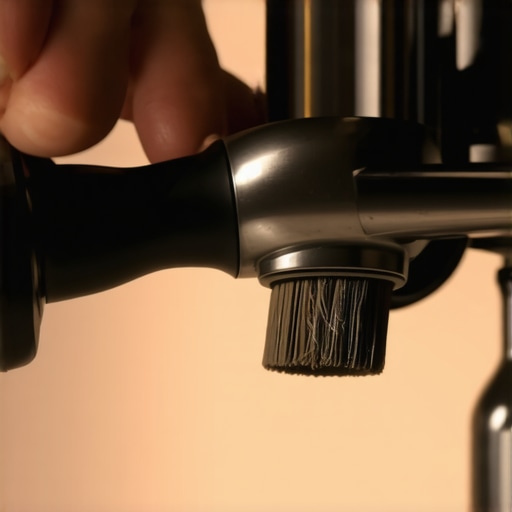
Practicing consistent maintenance like these not only preserves your grinder but also elevates your espresso quality. Remember, tools like the Baratza Precision Cleaning Brush are simple but effective investments. If you’re serious about precision, try incorporating a weekly disassembly and cleaning ritual—it’s a small effort that yields consistent, noticeable results. Regular upkeep ensures your grinder performs at its best, delivering the selectivity and uniformity that true espresso lovers crave.
Secrets Only the Pros Will Share About Coffee Grinder Nuances
Over the years, I’ve realized that minor adjustments and diligent maintenance are often the missing link between good espresso and great espresso. A pivotal lesson I learned was that grinder health isn’t just about initial quality but ongoing care. Regular calibration, burr alignment, and cleaning routines have saved my mornings from inconsistent shots and flavor drifts. Plus, understanding your grinder’s unique behavior—like static buildup or wear patterns—can empower you to troubleshoot before issues escalate.
My Go-To Tools and Resources for Coffee Grinder Success
- Mahlkoenig Flat Burrs: An upgrade I trust for superior grind consistency and longevity, cutting down retention and uneven particle sizes.
- Baratza Precision Cleaning Brush: An essential accessory to keep burr chambers and chute free of oils and fines—simple but transformative.
- Expert Guides on Mastering grind consistency: Their insights have been pivotal for me, illuminating subtle techniques that elevate my brewing game.
- Top-rated Single Dose Grinders: Reviews from this guide have informed my upgrades, ensuring I focus on longevity and precision.
Your Next Coffee Victory Is Within Reach
Every tweak, every routine check, brings you closer to espresso perfection. Remember, mastering grind consistency isn’t about chasing perfection overnight; it’s about persistent refinement. When you invest in understanding your grinder’s intricacies, you turn ordinary beans into extraordinary espresso. Embrace the journey—your taste buds will thank you—and share your progress below! What small change has made a big difference in your grind game? Let me know!
}#}#}#}#}##}#}#}#}#}#}#}#}#}#}#}#}#}#}#}#}#}#}#}#}#}#}#}#}#}#}#}#}#}#}#}#}#}#}#}#}#}#}#}#}#}#}#}#}#}#}#}#}#}#}#}#}#}#}#}#}#}#}#}#}#}#}#}#}#}#}#}#}#}#}#}#}#}#}#}#}#}#}#}#}#}#}#}#}#}#}#}#}#}#}#}#}#}#}#}#}#}#}#}#}#}#}#}#}#}#}#}#}#}#}#}#}#}#}#}#}#}#}#}#}#}#}#}#}#}#}#}#}#}#}#}#}#}#}#}#}#}#}#}#}#}#}#}#}#}#}#}#}#}#}#}#}#}#}#}#}#}#}#}#}#}#}#}#}#}#}#}#}#}#}#}#}#}#}#}#}#}#}#}#}#}#}#}#}#}#}#}#}#}#}#}#}#}#}#}#}#}#}#}#}#}#}#}#}#}#}#}#}#}#}#}#}#}#}#}#}#}#}#}#}#}#}#}#}#}#}#}#}#}#}#}#}#}#}#}#}#}#}#}#}#}#}#}#}#}#}#}#}#}#}#}#}#}#}#}#}#}#}#}#}#}#}#}#}#}#}#}#}#}#}#}#}#}#}#}#}#}#}#}#}#}#}#}#}#}#}#}#}#}#}#}#}#}#}#}#}#}#}#}#}#}#}#}#}#}#}#}#}#}#}#}#}#}#}#}#}#}#}#}#}#}#}#}#}#}#}#}#}#}#}#}#}#}#}#}#}#}#}#}#}#}#}#}#}#}#}#}#}#}#}#}#}#}#}#}#}#}#}#}#}#}#}#}#}#}#}#}#}#}#}#}#}#}#}#}#}#}#}#}#}#}#}#}#}#}#}#}#}#}#}#}#}#}#}#}#}#}#}#}#}#}#}#}#}#}#}#}#}#}#}#}#}#}#}#}#}#}#}#}#}#}#}#}#}#}#}#}#}#}#}#}#}#}#}#}#}#}#}#}#}#}#}#}#}#}#}#}#}#}#}#}#}#}#}#}#}#}#}#}#}#}#}#}#}#}#}#}#}#}#}#}#}#}#}#}#}#}#}#}#}#}#}#}#}#}#}#}#}#}#}#}#}#}#}#}#}#}#}#}#}#}#}#}#}#}#}#}#}#}#}#}#}#}#}#}#}#}#}#}#}#}#}#}#}#}#}#}#}#}#}#}#}#}#}#}#}#}#}#}#}#}#}#}#}#}#}#}#}#}#}#}#}#}#}#}#}#}#}#}#}#}#}#}#}#}#}#}#}#}#}#}#}#}#}#}#}#}#}#}#}#}#}#}#}#}#}#}#}#}#}#}#}#}#}#}#}#}#}#}#}#}#}#}#}#}#}#}#}#}#}#}#}#}#}#}#}#}#}#}#}#}#}#}#}#}#}#}#}#}#}#}#}#}#}#}#}#}#}#}#}#}#}#}#}#}#}#}#}#}#}#}#}#}#}#}#}#}#}#}#}#}#}#}#}#}#}#}#}#}#}#}#}#}#}#}#}#}#}#}#}#}#}#}#}#}#}#}#}#}#}#}#}#}#}#}#}#}#}#}#}#}#}#}#}#}#}#}#}#}#}#}#}#}#}#}#}#}#}#}#}#}#}#}#}#}#}#}#}#}#}#}#}#}#}#}#}#}#}#}#}#}#}#}#}#}#}#}#}#}#}#}#}#}#}#}#}#}#}#}#}#}#}#}#}#}#}#}#}#}#}#}#}#}#}#}#}#}#}#}#}#}#}#}#}#}#}#}#}#}#}#}#}#}#}#}#}#}#}#}#}#}#}#}#}#}#}#}#}#}#}#}#}#}#}#}#}#}#}#}#}#}#}#}#}#}#}#}#}#}#}#}#}#}#}#}#}#}#}#}#}#}#}#}#}#}#}#}#}#}#}#}#}#}#}#}#}#}#}#}#}#}#}#}#}#}#}#}#}#}#}#}#}#}#}#}#}#}#}#}#}#}#}#}#}#}#}#}#}#}#}#}#}#}#}#}#}#}#}#}#}#}#}#}#}#}#}#}#}#}#}#}#}#}#}#}#}#}#}#}#}#}#}#}#}#}#}#}#}#}#}#}#}#}#}#}#}#}#}#}#}#}#}#}#}#}#}#}#}#}#}#}#}#}#}#}#}#}#}#}#}#}#}#}#}#}#}#}#}#}#}#}#}#}#}#}#}#}#}#}#}#}#}#}#}#}#}#}#}#}#}#}#}#}#}#}#}#}#}#}#}#}#}#}#}#}#}#}#}#}#}#}#}#}#}#}#}#}#}#}#}#}#}#}#}#}#}#}#}#}#}#}#}#}#}#}#}#}#}#}#}#}#}#}#}#}#}#}#}#}#}#}#}#}#}#}#}#}#}#}#}#}#}#}#}#}#}#}#}#}#}#}#}#}#}#}#}#}#}#}#}#}#}#}#}#}#}#}#}#}#}#}#}#}#}#}#}#}#}#}#}#}#}#}#}#}#}#}#}#}#}#}#}#}#}#}#}#}#}#}#}#}#}#}#}#}#}#}#}#}#}#}#}#}#}#}#}#}#}#}#}#}#}#}#}#}#}#}#}#}#}#}#}#}#}#}#}#}#}#}#}#}#}#}#}#}#}#}#}#}#}#}#}#}#}#}#}#}#}#}#}#}#}#}#}#}#}#}#}#}#}#}#}#}#}#}#}#}#}#}#}#}#}#}#}#}#}#}#}#}#}#}#}#}#}#}#}#}#}#}#}#}#}#}#}#}#}#}#}#}#}#}#}#}#}#}#}#}#}#}#}#}#}#}#}#}#}#}#}#}#}#}#}#}#}#}#}#}#}#}#}#}#}#}#}#}#}#}#}#}#}#}#}#}#}#}#}#}#}#}#}#}#}#}#}#}#}#}#}#}#}#}#}#}#}#}#}#}#}#}#}#}#}#}#}#}#}#}#}#}#}#}#}#}#}#}#}#}#}#}#}#}#}#}#}#}#}#}#}#}#}#}#}#}#}#}#}#}#}#}#}#}#}#}#}#}#}#}#}#}#}#}#}#}#}#}#}#}#}#}#}#}#}#}#}#}#}#}#}#}#}#}#}#}#}#}#}#}#}#}#}#}#}#}#}#}#}#}#}#}#}#}#}#}#}#}#}#}#}#}#}#}#}#}#}#}#}#}#}#}#}#}#}#}#}#}#}#}#}#}#}#}#}#}#}#}#}#}#}#}#}#}#}#}#}#}#}#}#}#}#}#}#}#}#}#}#}#}#}#}#}#}#}#}#}#}#}#}#}#}#}#}#}#}#}#}#}#}#}#}#}#}#}#}#}#}#}#}#}#}#}#}#}#}#}#}#}#}#}#}#}#}#}#}#}#}#}#}#}#}#}#}#}#}#}#}#}#}#}#}#}#}#}#}#}#}#}#}#}#}#}#}#}#}#}#}#}#}#}#}#}#}#}#}#}#}#}#}#}#}#}#}#}#}#}#}#}#}#}#}#}#}#}#}#}#}#}#}#}#}#}#}#}#}#}#}#}#}#}#}#}#}#}#}#}#}#}#}#}#}#}#}#}#}#}#}#}#}#}#}#}#}#}#}#}#}#}#}#}#}#}#}#}#}#}#}#}#}#}#}#}#}#}#}#}#}#}#}#}#}#}#}#}#}#}#}#}#}#}#}#}#}#}#}#}#}#}#}#}#}#}#}#}#}#}#}#}#}#}#}#}#}#}#}#}#}#}#}#}#}#}#}#}#}#}#}#}#}#}#}#}#}#}#}#}#}#}#}#}#}#}#}#}#}#}#}#}#}#}#}#}#}#}#}#}#}#}#}#}#}#}#}#}#}#}#}#}#}#}#}#}#}#}#}#}#}#}#}#}#}#}#}#}#}#}#}#}#}#}#}#}#}#}#}#}#}#}#}#}#}#}#}#}#}#}#}#}#}#}#}#}#}#}#}#}#}#}#}#}#}#}#}#}#}#}#}#}#}#}#}#}#}#}#}#}#}#}#}#}#}#}#}#}#}#}#}#}#}#}#}#}#}#}#}#}#}#}#}#}#}#}#}#}#}#}#}#}#}#}#}#}#}#}#}#}#}#}#}#}#}#}#}#}#}#}#}#}#}#}#}#}#}#}#}#}#}#}#}#}#}#}#}#}#}#}#}#}#}#}#}#}#}#}#}#}#}#}#}#}#}#}#}#}#}#}#}#}#}#}#}#}#}#}#}#}#}#}#}#}#}#}#}#}#}#}#}#}#}#}#}#}#}#}#}#}#}#}#}#}#}#}#}#}#}#}#}#}#}#}#}#}#}#}#}#}#}#}#}#}#}#}#}#}#}#}#}#}#}#}#}#}#}#}#}#}#}#}#}#}#}#}#}#}#}#}#}#}#}#}#}#}#}#}#}#}#}#}#}#}#}#}#}#}#}#}#}#}#}#}#}#}#}#}#}#}#}#}#}#}#}#}#}#}#}#}#}#}#}#}#}#}#}#}#}#}#}#}#}#}#}#}#}#}#}#}#}#}#}#}#}#}#}#}#}#}#}#}#}#}#}#}#}#}#}#}#}#}#}
![5 Dry Static Fixes for Your 2026 Single Dose Grinder [Tested]](https://grinders.espressotechguide.com/wp-content/uploads/2026/03/5-Dry-Static-Fixes-for-Your-2026-Single-Dose-Grinder-Tested.jpeg)
One response to “5 Hidden Reasons Your Single Dose Grinder Retains Coffee [2026]”
This article hits home—I’ve struggled with retention issues myself, especially when trying to dial in the perfect shot. The tip about regular cleaning and checking burr alignment is so crucial; I found that a thorough clean every couple of weeks significantly reduced coffee stickiness and improved consistency. Ever since I started taking apart my grinder and using a dedicated brush, my shots have become more reliable. I’m curious, has anyone experimented with different burr materials or models to see if that impacts retention? I’ve heard that flat burrs sometimes do better with retention, but I’d love to hear real experience or recommendations. Also, I noticed static buildup can be a real problem, especially in dry environments. Dampening the chute or using anti-static sprays seemed to make a difference for me. Do others have additional tricks for static management? Would love to hear any other maintenance routines that have helped improve grind flow and overall flavor—always looking for ways to refine my process.