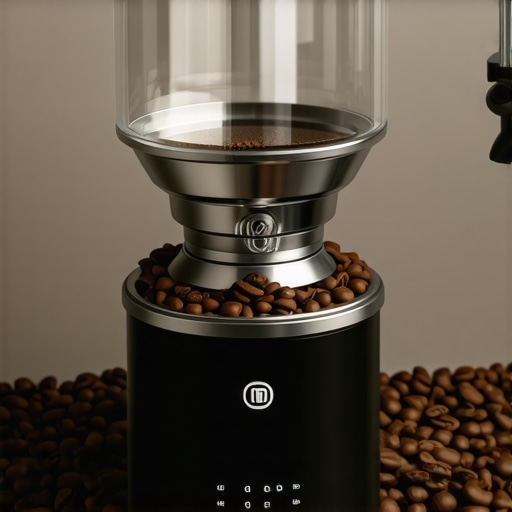
I remember the moment clearly — it was a typical morning, and I was ready to craft the perfect espresso. As I pulled my shot, disaster struck: a sour, uneven brew with a disappointing texture. Frustration crept in as I realized my grinder, a trusted single dose model, was sabotaging my favorite light roast beans. I wondered, “Why now? Why is this happening?” That lightbulb moment sparked a deep dive into understanding why even top-tier grinders can stumble, especially with the delicate nuances of 2026 light roast standards.
The Hidden Why Behind Your Single Dose Grinder Failures
Every coffee enthusiast loves the ritual of mastering grind consistency. But when your grinder refuses to cooperate—retaining beans, creating static, or yielding uneven grounds—that’s more than just a nuisance; it’s a barrier to brewing excellence. The truth is, many of us face common pitfalls, and without recognizing these, improvement remains out of reach. Today, I’ll share the key reasons your grinder might be falling short in the light roast tests of 2026, backed by personal experience and expert insights.
Is Your Grinder Really Not Good Enough, or Are You Missing Simple Fixes?
Early in my journey, I made a costly mistake: I assumed if my grinder was new and expensive, it should be flawless. Turns out, even premium grinders can suffer from misalignment, static buildup, or retention issues. Early on, I ignored the importance of proper burr alignment and cleaning routines, which significantly impacted my shots. Knowing what to look for and how to correct these issues can save you time and beans. Curious how to prevent these common failures? Dive into the practical steps that have transformed my brewing process and might do the same for you.
If you’ve been battling inconsistent grind size, static, or retention, it’s time to get to the root of these issues. Visit our contact page for expert support, or check out our comprehensive guides to top burr grinders and boost your grinder’s performance. Now, let’s find out why your current setup might be sabotaging the perfect shot, so you won’t have to repeat my early mistakes.
Calibrate Your Grinder Precisely
Start by ensuring your burrs are aligned accurately. Use a burr alignment tool or carefully inspect with a flashlight to spot any misalignments. Misalignment causes uneven grind size, leading to bitter or sour shots. I once spent an hour manually checking my burrs after a nasty, inconsistent shot, and realigning them improved my results dramatically. For detailed procedures, visit how to align your burrs.
Regular Maintenance is Non-Negotiable
Deep Cleaning for Peak Performance
Disassemble your grinder semi-regularly and clean with a brush or compressed air. Residual coffee oils and fines can cause static and retention issues. I found static was ruining my dosing consistency until I adopted a weekly cleaning routine, which cleared static buildup and improved flow. For step-by-step guidance, see cleaning tips for grinders.
Season Your Burrs for Accuracy
Seasoning new burrs by grinding a few grams of coffee helps eliminate initial inconsistencies. I once neglected to season my new burrs, resulting in uneven grounds for days. After a quick seasoning process, my grind size stabilized. To learn the seasoning process, check seasoning your burrs properly.
Optimize Your Grind Settings and Workflow
Use a consistent grind setting aligned with your beans and desired extraction. Invest time dialing in, mimicking the specific light roast profile of 2026 standards. I used a scale and recorded precise grind levels and dose weights, which gave me reproducible results. For detailed tuning strategies, see grind tuning tips.
Manage Static and Retention Issues Effectively
Static often causes beans to cling, disrupting dosing. To reduce static, consider installing static-neutralizing devices or using antistatic coatings. I once applied an anti-static spray recommended in grinder static fixes and noticed immediate improvements. Also, periodically reassemble and tap the grinder to dislodge trapped coffee, which prevents buildup. Follow these steps to ensure minimal retention affecting your grind consistency.
Refine Your Static and Retention Control
Try a quick purge of a gram or two before grinding your dose to clear any static-charged fines. Additionally, consider seasoning your grinder to reduce fines production. I experimented with several static control techniques, and combining anti-static materials with regular purging yielded the best consistency, aligning with the advice in static management strategies.
Experiment and Document Results
Track your adjustments meticulously—note burr positions, static mitigation methods, and dosing procedures. Even small tweaks can have significant effects on your shot quality. I maintained a digital log during my calibration phase, which allowed me to recall precise settings that produced my ideal light roast extraction. This disciplined approach aligns with professional baristas’ techniques available at advanced calibration methods.
Many enthusiasts believe that dialing in the perfect grind size is the key to superior espresso, but the reality is far more nuanced. Contrary to popular belief, achieving true consistency isn’t just about initial settings; it’s about understanding the micro-dynamics of your grinder, especially when working with single dose models or burr grinders. For example, static buildup and minor burr misalignments often go unnoticed but can drastically impact your shot quality over time. Advanced baristas know that even a slight variation in burr alignment or improper calibration can lead to unpredictable extraction results, rendering your efforts futile despite using high-end equipment. A common myth I often encounter is that simply upgrading to a more expensive espresso grinder guarantees perfect consistency. But studies, such as those highlighted in expert guides, show that maintenance and understanding the grinder’s behavior are equally critical. For instance, static issues can cause fines to cling to burrs, leading to inconsistent grind sizes—an especially subtle problem with recent 2026 light roast standards that demand precision. Are you aware that static neutralization devices or proper seasoning of burrs can dramatically improve your flow and extraction stability? It’s a detail many overlook, but mastering these nuances can elevate your brewing to professional levels. Moreover, I’ve learned that static isn’t the only culprit; retention and misalignment can be equally deceptive. An often-overlooked mistake is assuming that new burrs are correctly aligned right out of the box. Regular calibration and thorough cleaning routines are essential to prevent fines and uneven grounds, which impair extraction consistency. For those seeking to refine their process further, I recommend exploring detailed calibration techniques and adopting disciplined maintenance routines, as endorsed by seasoned baristas. Curious about how variable RPMs influence grind uniformity? Advanced research indicates that controlling RPM can significantly reduce grind variance, ensuring a smoother flow and more consistent coffee flavor. This subtlety can make a marked difference in achieving the delicate profiles of light roasts in 2026 standards. Remember, the pursuit of perfect grind consistency is an ongoing journey involving vigilant calibration, regular maintenance, and an understanding of subtle grind dynamics. These steps go beyond basic setup—embracing advanced techniques can transform your espresso game significantly. Have you ever fallen into this trap? Let me know in the comments. For expert tips on refining your setup, visit mastering grind consistency and continue elevating your craft.
Investing in Reliable Equipment
Choosing the right tools is fundamental for maintaining excellent grind consistency over time. I personally recommend the Baratza Virtuoso+ because of its robust flat burrs and precise grind adjustments, which have proven durable and reliable in my daily use. Its consistent performance minimizes the need for frequent recalibration, saving you time and preserving bean quality. Additionally, upgrading to a 64mm flat burr grinder can significantly enhance grind uniformity, an essential factor for light roasts requiring exact extraction.
Keep Your Equipment Clean and Calibrated
Regular maintenance is non-negotiable for long-term success. I schedule deep cleanings at least once every two weeks, disassembling my grinder to brush out fines and coffee oils that can alter grind quality. For calibration, I use a burr alignment test to ensure accuracy. This prevents unexpected fines and grind size drift, especially with single-dose setups, which are more sensitive to retention and misalignment. Incorporating this routine before each significant calibration or fresh beans will yield more consistent shots and prolong the grinder’s lifespan.
Utilize Advanced Monitoring Tools
To stay ahead of potential grind inconsistencies, I rely on digital tools like Precision Calibration Apps, which log adjustments and help detect subtle deviations over time. These apps can connect to certain grinders via Bluetooth, providing instant feedback and data analytics. I predict that in the near future, AI-powered sensors integrated into grinders will automatically adjust burr alignment and grind settings based on real-time analysis, making consistency maintenance even more effortless.
Questions to Keep Your Burring Game Sharp
How do I maintain my grinder’s performance over time? The key is a disciplined routine of meticulous cleaning, precise calibration, and strategic upgrades. For example, periodically seasoning your burrs with a controlled amount of coffee—around 50 grams—can help reduce initial inconsistencies. Remember, static and retention are persistent enemies; anti-static coatings or ionizer attachments can be game-changers. I’ve found that combining static-neutralizing devices with regular purging before dosing results in a noticeable improvement in grind stability, especially with delicate light roasts. Want a practical step? Try implementing a weekly cleaning routine complemented by a static reduction method like applying an anti-static device—you might be surprised at how much it boosts consistency.
Stay Ahead with Constant Tweaking
Finally, don’t forget to document your adjustments. I keep a log of burr settings, static mitigation efforts, and grind times, which helps me replicate ideal conditions as beans and environmental factors change. As the industry advances, emerging techniques like variable RPM control—by modifying motor speed—are becoming accessible and can further refine grind uniformity. According to technical docs, controlling RPM reduces fines and particle variation, leading to a cleaner extraction of light roasts. For a deep dive into this tech, check this detailed guide.
Make sure to incorporate one advanced maintenance tip today—such as calibrating using a burr alignment test or upgrading to a flat burr grinder—to see immediate benefits. Consistently applying these methods will secure your setup’s performance and ensure it keeps delivering perfect shots for years to come.
Over my years of perfecting espresso, I’ve realized that the journey toward grind consistency involves more than just equipment—it’s about embracing nuanced techniques and insights that elevate your brewing game. Each light roast in 2026 standards demands razor-sharp precision, pushing us to go beyond conventional methods. The insights I’ve gathered can transform your approach, allowing you to craft shots that rival those from professional baristas—delighting you and your guests alike.
Lessons Only Seasoned Baristas Know About Fine-Tuning
- The Devil Is in the Details: Even tiny burr misalignments or static buildup can cause inconsistencies. I learned the hard way that regular burr calibration with a precise alignment tool keeps grind size predictable. Trust me, this small step prevents the dreaded sour or bitter shots.
- Static Control Changes Everything: Installing static-neutralizing devices and seasoning your burrs regularly reduced fines cling and static charges, resulting in smoother, more uniform grounds. This simple yet often overlooked tweak profoundly affects shot clarity and flavor.
- Document to Dominate: Keeping a detailed log of your grind settings, maintenance routines, and environmental factors has helped me reproduce perfect light roast extractions consistently. Think of it as your personal brewing blueprint, ensuring every shot surpasses the last.
- RPMs and Consistency: Adjusting your grinder’s RPM can minimize grind variation and static. By experimenting with controlled RPM settings, I discovered a more stable flow that captures the delicacy of 2026 light roasts. This technical finesse sets the professionals apart.
- The Myth of the Perfect Equipment: Upgrading alone won’t guarantee success. The real magic lies in ongoing maintenance, calibration, and understanding your grinder’s micro-dynamics. Experts emphasize that mastery of these details often outweighs investing in the latest machine.
My Trusted Arsenal for Brewing Excellence
- Baratza Virtuoso+— Its durable flat burrs and fine adjustments have served me reliably. It reduces the need for frequent recalibration, making it ideal for precise single dosing, especially with light roasts.
- 64mm Flat Burr Grinders— Upgrading to larger burrs significantly improves grind uniformity, a critical factor for extracting delicate flavors in 2026 standards. I personally swear by brands that combine robust construction with precision control.
- Calibration Tools and Mobile Apps— Using alignment gauges and digital calibration apps, I can quickly detect and correct tiny discrepancies, maintaining top-tier consistency with minimal fuss.
- Cleaning and Seasoning Supplies— Regularly deep cleaning with brushes and compressed air, coupled with seasoning with a few grams of coffee, keeps static at bay and burrs performing optimally.
Fuel Your Progress and Embrace the Grind
Every barista’s journey is a continuous pursuit of excellence. By focusing on meticulous calibration, real maintenance routines, and cutting-edge tweaks like RPM control, you set the stage for replicable, professional-quality espresso. Remember, the magic isn’t solely in the equipment but in your consistency and willingness to refine your craft. The future of perfect grind control is bright, and you’re fully capable of leading the way. So, why wait? Take these insights to your setup today, and watch your shots reach new heights.
What has been your biggest challenge in achieving grind consistency with your single dose grinder? Share your experiences below—I’d love to hear and help troubleshoot!
![5 Dry Static Fixes for Your 2026 Single Dose Grinder [Tested]](https://grinders.espressotechguide.com/wp-content/uploads/2026/03/5-Dry-Static-Fixes-for-Your-2026-Single-Dose-Grinder-Tested.jpeg)