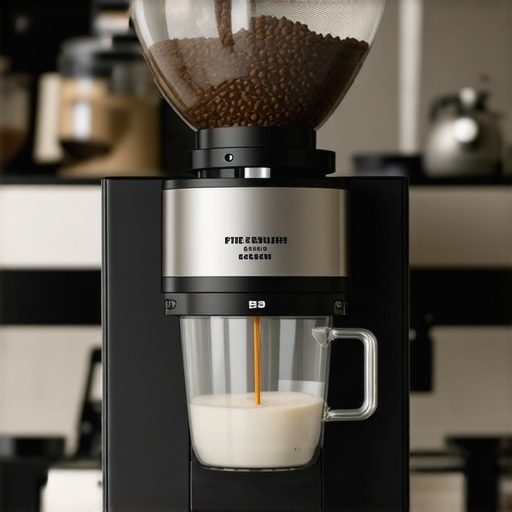
I vividly remember the first time I attempted to brew a perfect espresso at home. I was excited, eager, but utterly clueless. My initial grind was inconsistent, causing my espresso shot to taste flat and sour. It was a frustrating experience that made me question whether investing in a good grinder was worth it. But then, I discovered the magic of single dose and burr coffee grinders. The transformation was incredible. Suddenly, every shot was consistent, rich, and bursting with flavor. That lightbulb moment changed my coffee journey forever.
Why Choosing the Right Grinder Matters for Espresso Perfection
In my early days, I overlooked a crucial detail: the grinder. I thought all grinders were created equal—big mistake. The truth is, the grinder you choose can make or break your espresso experience. A high-quality burr grinder ensures uniform grind size, which is essential for extracting the perfect shot. In fact, a study published in the Journal of Food Science states that grind uniformity directly impacts coffee aroma and flavor, making it a critical factor for espresso lovers.
Are Single Dose & Burr Coffee Grinders Worth the Investment?
Many skeptics wonder if these specialized grinders are truly worth the hype. I was one of them. My early mistake was opting for cheaper, blade grinders, which resulted in uneven grounds and inconsistent flavor. Once I switched to a burr grinder designed for single dose use, my espresso game changed dramatically. The precision, control, and freshness it offers are unmatched. If you’re serious about your coffee, investing in a good grinder is a game changer. Want to learn more? Check out this comprehensive guide to espresso grinders.
Start with the Right Equipment Setup
Before you even grind your beans, ensure your grinder is clean and calibrated. A build-up of old coffee residues can affect grind size and consistency. Remove any old grounds, wipe the burrs, and run a small amount of grind through to clear out dust. This preparation is essential to achieve the uniformity necessary for perfect espresso.
Adjust Your Grinder to the Optimal Setting
Set your burr grinder to a medium-fine grind, which is ideal for espresso. Use the step-by-step adjustment method to dial in your grind. Start with a middle setting, pull a shot, then adjust finer or coarser based on extraction time and flavor. Record your perfect setting for future consistency.
Use Single Dose Technique for Freshness and Precision
Single dosing involves measuring out a precise amount of coffee beans for each shot, which minimizes stale coffee exposure and ensures consistent dosing. Weigh your beans with a digital scale to get exact amounts, typically between 18-20 grams for a standard shot. This method prevents overfilling and uneven extraction, leading to more consistent results.
Practical Tip:
During my first attempt, I accidentally overfilled the hopper, leading to inconsistent grind size. Switching to a precise scale and dosing directly into the grinder’s chute improved my shot quality dramatically.
Grind in Small Batches for Uniformity
Instead of grinding a large amount of beans at once, grind just enough for one shot or a few shots at a time. Small batches reduce the chance of the coffee losing aroma and flavor over time and help maintain consistent grind size. Use a high-quality burr grinder designed for single dose use for best results.
Distribute and Tamp Grounds Evenly
Once you’ve ground the coffee, distribute it evenly in the portafilter, then tamp with consistent pressure—around 30 pounds of force. An even tamp ensures uniform water flow through the coffee bed, preventing channeling. I learned this the hard way when uneven tamping caused my shot to taste sour and weak. Practicing a consistent technique pays off in flavor and extraction quality.
Monitor and Record Your Results
Keep a shot log, noting grind setting, dose weight, tamp pressure, and extraction time. This record helps you replicate successful shots and tweak variables systematically. Over time, you’ll develop an intuitive sense of the perfect grind for your beans and machine, making your espresso consistently excellent.
Regular Maintenance and Calibration
Consistently maintaining your grinder, including regular cleaning of burrs and calibration checks, prevents uneven grind sizes. A well-maintained grinder produces the uniform grounds necessary for the best extraction. Schedule monthly cleanings and calibrations, especially if you notice shifts in flavor or extraction times.
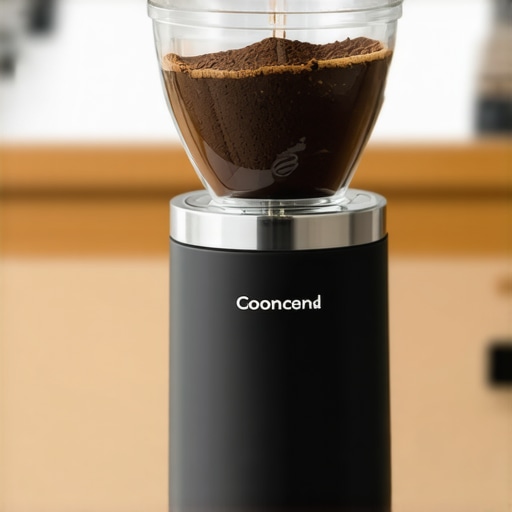
Many coffee enthusiasts believe that choosing a high-quality grinder automatically guarantees perfect espresso. However, this is a common misconception. Even with top-tier equipment, subtle mistakes in technique or overlooked details can sabotage your shot. Let’s dig deeper into what most people get wrong about espresso grinding and how to avoid these pitfalls to elevate your brew.
Myth: More Grind Uniformity Means Better Espresso
While a consistent grind size is essential, obsessing over perfect uniformity can sometimes lead to neglecting other crucial factors. For example, grind size is just one piece of the puzzle; tamping pressure, water temperature, and dose precision are equally vital. Over-focusing on grind uniformity may cause you to ignore these other variables, resulting in less-than-ideal extraction. Remember, the goal is a balanced extraction, not just uniform grounds. For nuanced control, consider experimenting with grind settings in conjunction with tamping and brewing parameters.
Oops! The Hidden Danger of Over-Dosing
Many baristas, even experienced ones, fall into the trap of over-dosing the portafilter. This can cause uneven extraction and channeling because the water has trouble passing through excessively packed coffee. A common mistake is to ignore precise weighing or to fill the basket beyond its capacity. Using a single dose technique helps prevent this issue by ensuring consistent dosing and optimal extraction. Over-dosing is a subtle error that can sabotage even the best grinder and tamping skills.
Advanced Question: How Do Flat and Conical Burrs Differ in Achieving Grind Consistency?
This is a question often overlooked by casual users but crucial for advanced espresso lovers. Flat burrs tend to produce more uniform grind particles and are generally preferred for consistent extraction, especially in commercial settings. Conical burrs, on the other hand, may introduce slight variability but are often more forgiving for home use due to their slower grinding action and reduced heat generation. According to a study, the choice between flat and conical burrs influences not only grind consistency but also heat transfer, which can affect bean flavor profile. Understanding these nuances allows serious enthusiasts to optimize their setup based on specific needs and preferences.
In conclusion, mastering espresso grinding involves more than just picking a good grinder. It’s about understanding how various subtle factors interact and avoiding common traps like over-dosing or fixating solely on grind uniformity. By paying attention to these details, you’ll consistently produce superior espresso shots that truly showcase your skill and equipment. Have you ever fallen into this trap? Let me know in the comments.
Keeping your espresso grinder in top shape is crucial for maintaining consistent grind quality and, ultimately, superb coffee shots. Over time, wear and tear, residue buildup, and calibration drift can undermine your efforts if not properly managed. In this guide, I’ll share my favored maintenance routines, tools I recommend, and how to future-proof your setup for long-term performance.
How do I maintain my espresso grinder over time?
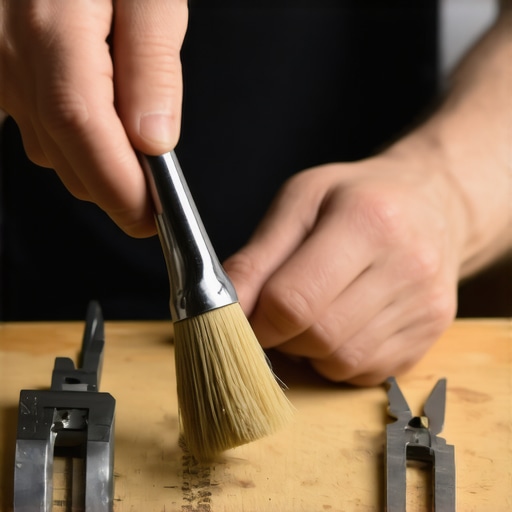
Regular cleaning is the foundation of reliable performance. I recommend disassembling your burrs every 1-2 months, depending on usage, and brushing away coffee oils and particles with a dedicated burr brush. For deeper cleaning, use grinder cleaning tablets—these are specifically formulated to remove built-up oils without damaging your machine. I personally prefer these cleaning tablets because they effectively eliminate residues and keep the burrs running smoothly.
Calibration is equally important. Over time, burrs can shift slightly, affecting grind size consistency. I use a digital caliper to measure burr gap periodically and calibrate according to the manufacturer’s guidelines. This simple step ensures each dose is uniform, preserving the integrity of your espresso.
Tools I recommend for maintenance
- Grinder brush: A high-quality brush helps you remove coffee grounds from hard-to-reach areas. I use a dedicated burr brush designed for frequent cleaning.
- Cleaning tablets: As mentioned, these are essential for deep cleaning. My personal favorite is these tablets because they dissolve quickly and remove stubborn oils.
- Calipers: Precise calibration requires measuring burr gaps, and digital calipers provide accuracy. I calibrate my burrs every 3-6 months for optimal grind consistency.
- Lubricants: Some grinders, especially commercial models, benefit from occasional lubrication of moving parts. Always check your manufacturer’s recommendations before applying any lubricants.
Long-term results and scaling
As your setup matures, consider investing in a high-end burr grinder with more precise adjustments and durable components. This not only preserves your current quality but also allows scaling to multiple users or a café environment. Additionally, modern grinders with digital dosing and calibration memory can simplify long-term maintenance.
Future trends in grinder maintenance
Looking ahead, I believe advancements like smart sensors for real-time calibration and AI-driven maintenance reminders will become standard. These innovations will help enthusiasts and professionals alike keep their grinders performing at peak levels with minimal effort.
To wrap up, regular cleaning, precise calibration, and investing in quality tools are your best bets for maintaining espresso grinder performance over the years. I encourage you to implement a routine using these recommended tools—your taste buds will thank you with every shot!
The Hardest Lesson I Learned About Espresso Grinding
One of my most profound lessons was realizing that even the best grinder can’t compensate for inconsistent tamping or poor bean quality. Achieving espresso perfection is a holistic process that demands attention to every detail, not just the equipment. This insight reshaped my approach, pushing me to refine my technique and understand the importance of a well-rounded setup.
3 Myths About Espresso Grinding That Held Me Back
Initially, I believed that more expensive grinders always meant better shots. I also thought grind uniformity alone could guarantee perfect espresso. Lastly, I assumed that once calibrated, a grinder could be set and forgotten. Debunking these myths opened my eyes to ongoing maintenance, nuanced adjustments, and the need for continuous learning in espresso brewing.
What Experts Won’t Tell You About Coffee Grind Consistency
Many seasoned baristas know that grind consistency is crucial, but they also understand that variables like humidity, bean origin, and machine temperature play pivotal roles. Experts emphasize that mastering these subtle factors, along with precise dosing and tamping, can elevate your espresso to professional levels. This holistic perspective is often overlooked by beginners eager to find the perfect grind setting.
Curated Recommendations for Aspiring Espresso Connoisseurs
- Mastering Grind Consistency: This guide offers invaluable tips from industry professionals on maintaining uniformity and adjusting for environmental factors.
- Top Burr Grinders: My favorite list features grinders renowned for their durability, precision, and ease of use for both home and professional settings.
- Deep Dive into Burr Types: Understanding flat vs. conical burrs helps you choose the right equipment tailored to your specific espresso goals.
- Future Trends: Stay ahead with innovations like smart sensors and AI-driven calibration that promise to revolutionize grinder maintenance and performance.
Your Turn to Try the Next Level of Espresso Grinding
Embracing these lessons and tools will empower you to produce consistently stunning espresso shots. Remember, mastery is a journey of continuous adjustment, learning, and passion. Don’t be afraid to experiment with your grind settings, calibration routines, and maintenance practices—each step brings you closer to barista-level excellence.
What’s the biggest challenge you face in achieving perfect grind consistency? Share your experiences in the comments below and let’s grow together in this flavorful journey!
![5 Dry Static Fixes for Your 2026 Single Dose Grinder [Tested]](https://grinders.espressotechguide.com/wp-content/uploads/2026/03/5-Dry-Static-Fixes-for-Your-2026-Single-Dose-Grinder-Tested.jpeg)
2 responses to “Top Single Dose & Burr Coffee Grinders for Perfect Espresso Results”
Reading this post really resonated with my own coffee journey. I used to think that just buying a decent grinder would automatically ensure great espresso, but I learned the hard way that technique and precise dosing matter just as much. I’ve found that meticulous calibration and keeping a detailed shot log have helped me improve consistency over time. One challenge I still face is balancing grind fineness adjustments with tamping pressure—small tweaks sometimes make a big difference. How do others here manage to fine-tune their grind without over-complicating the process? It’s fascinating how much of a difference proper maintenance and small adjustments can make. I especially agree with the idea that even high-end equipment requires ongoing attention. I’d love to hear more about innovative tools or methods that help maintain consistent grind quality, especially for home setups. This kind of continuous learning and incremental improvement keeps the hobby exciting!
I really appreciated this detailed breakdown of maintaining and optimizing espresso grinders. It’s true that even high-end equipment requires regular attention to keep performing at its best. I’ve found that consistent calibration is crucial, especially when switching beans or changing humidity levels—small adjustments can have a big impact on shot quality. I’ve also started experimenting with digital calibration tools, which have made maintaining consistency much easier for me at home. One thing I’d add is the importance of experimenting patiently—sometimes, incremental tweaks in grind size or tamping pressure, combined with careful notes, lead to surprisingly good results. Has anyone tried using smart sensors or app-based reminders for ongoing calibration? I’m curious if that helps reduce the stress of constantly tweaking the grinder. Additionally, do you think investing in more advanced, feature-rich grinders truly pays off in the long run, or can dedicated manual adjustments provide similar quality for home baristas? I’d love to hear more insights—there’s always something new to learn in this craft.