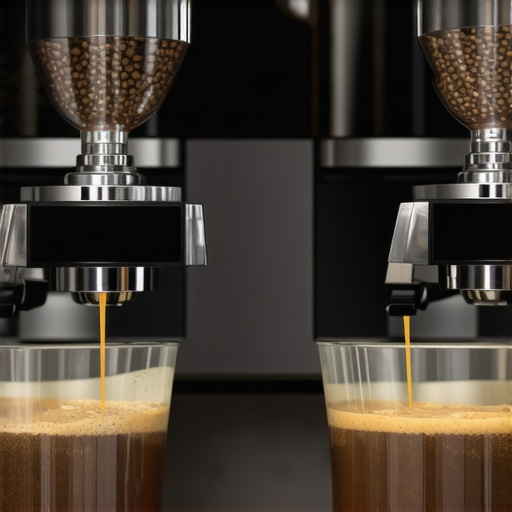
Have you ever pulled a shot of espresso that just didn’t taste right, no matter how carefully you dialed in your grinder? I’ve been there—frustrated, second-guessing my equipment, and wondering if I’d ever crack the code for consistent grinds. That lightbulb moment hit me hard when I realized my problem wasn’t my beans or my technique, but my grinder’s inconsistency—something I overlooked for way too long.
The Real Reason Your Coffee Tastes Off
Getting a stable, reliable grind isn’t just about buying the most expensive machine. It’s about understanding how burr grinders and single dose setups can dramatically influence your brew quality. I used to think that a good grinder was enough, but I learned that the devil’s in the details—like grind uniformity and consistency over time. Early on, I made the mistake of just setting my grinder and hoping for the best, only to be disappointed with uneven extraction and flavor inconsistencies. That’s when I discovered that my approach needed a serious upgrade. If you’re tired of unpredictable results, stick around. I’ll show you how to tame your grinder and get that perfect, repeatable grind every single time.
Is Grind Consistency Overhyped?
Honestly, I was skeptical at first. I thought, “How much difference can a grind make?” Turns out, a LOT. I wasted so much coffee experimenting with different beans and brewing methods, only to realize that my biggest enemy was inconsistency in the grind. A common mistake I made early on was ignoring the importance of proper calibration and maintenance. Trust me, a well-maintained, properly calibrated burr grinder is the key to unlocking a smoother, more flavorful espresso. If you want to avoid my rookie mistakes, check out this comprehensive guide for pro tips on maintaining your grinder’s precision.
Now, if you’ve faced these issues or just want to elevate your home brewing game, keep reading. I’ll walk you through simple, effective steps to achieve grind consistency with your burr and single dose grinders—so you can finally enjoy that perfect shot every time. Ready to stop guessing and start brewing confidently? Let’s dive in!
Get Your Grinder Ready for Precision
Start by thoroughly cleaning your grinder. Coffee oils and residues build up over time, causing uneven grind sizes. Use a brush or compressed air to clear out burrs and chute. When I did this early on, I noticed an immediate improvement in grind uniformity—my shots became more consistent and flavorful. Regular cleaning should become part of your routine, ideally every few weeks.
Calibrate Your Burrs to the Sharp Edge
Next, calibrate your grinder to ensure each grind is as close to perfect as possible. Many grinders come with a calibration setting, but if not, use a feeler gauge or measure the distance between burrs. I once spent an afternoon adjusting my flat burr grinder, incrementally tightening and loosening until I found the sweet spot. This process might be messy, but patience pays off. Proper calibration minimizes particle size variance, translating into more uniform extraction.
Set Consistent Grind Settings and Record Them
Choose a grind setting that matches your brewing method and stick with it. Don’t rely on visual cues alone—note the setting number or grind fineness in a notebook or digital note. During my last espresso experiment, I kept detailed records, which helped me replicate perfect shots later. Consistency in your grind setting is key to repeatable results.
Use Single Dose Technique for Better Control
Instead of grinding a bulk amount, dose only the amount needed for a single shot. This method reduces the variation caused by residual coffee in the hopper. I adopted this approach after reading this guide, and the difference in shot stability was remarkable. Measure your dose with a scale or scoop to ensure precision every time.
Adjust for Environmental Factors
Temperature and humidity can influence grind consistency. On humid days, I noticed my coffee clumped, leading to uneven particle sizes. To counter this, I stored beans properly and adjusted grind fineness slightly. Keep a log of these tweaks to fine-tune your setup over time.
Perform Regular Maintenance and Recalibration
Even the best grinders need periodic recalibration. Schedule monthly checks and re-calibrate if you notice inconsistent shots. When I neglected this, my results became unpredictable; once I started recalibrating regularly, my espresso quality stabilized. For detailed maintenance tips, consult this resource.
Practice and Patience Make Perfect
Achieving grind consistency isn’t a one-time fix but an ongoing process. Dedicate time to experiment with small adjustments, and keep a record of each change. I found that even slight tweaks—like adjusting tamp pressure in tandem with grind fineness—improved my results. Consistency in technique combined with a well-maintained grinder will elevate your brewing game significantly.
Many home baristas and even experienced enthusiasts often fall prey to misconceptions when it comes to achieving grind consistency. Let’s dig deeper into what most people get wrong about this crucial aspect of espresso brewing. One widespread myth is that investing in an expensive grinder guarantees perfect consistency. While high-end equipment certainly helps, it’s not a magic bullet. Proper calibration, maintenance, and technique are equally important. A study from the Specialty Coffee Association emphasizes that even premium grinders can deliver inconsistent results if not regularly maintained, so don’t assume that price alone is the answer. For detailed insights, check out this guide on burr grinder maintenance.
Another mistake I see often is the belief that grind size alone determines shot quality. In reality, grind uniformity and particle distribution matter just as much, if not more. Uneven particle sizes lead to channeling and uneven extraction, resulting in sour or bitter flavors. It’s a common trap to focus only on adjusting the grind fineness without considering other factors like dose weight, tamping pressure, and distribution. Advanced baristas know that consistency comes from controlling all variables, not just grind size. For a deep dive into this, see this comprehensive guide.
Why do some grinders produce inconsistent results despite proper setup?
The hidden nuance often overlooked is the impact of burr wear and temperature fluctuations. Burrs lose sharpness over time, which affects particle size consistency. Additionally, ambient temperature can cause metal expansion, subtly changing grind settings. This is why regular recalibration is critical for maintaining uniformity. Experts recommend recalibrating your grinder monthly or after significant use. Ignoring these factors can lead to subtle inconsistencies that are hard to diagnose but drastically affect flavor. For tips on maintaining your grinder’s precision, visit this resource.
Have you ever fallen into this trap? Let me know in the comments.
Maintaining your espresso grinder and ensuring consistent performance over time requires more than just good technique; it involves the right tools and regular upkeep. Personally, I rely heavily on specific equipment and methods that have proven effective in my journey toward perfecting grind consistency. One indispensable tool I swear by is a dedicated digital caliper. This device allows me to precisely measure burr gap settings during calibration, ensuring every grind remains uniform, even after months of use. Regular calibration with a caliper prevents drift caused by burr wear, which is a common culprit behind inconsistency, as highlighted in this expert guide.
In addition to precision measurement tools, I highly recommend investing in a burr grinder cleaning kit. Coffee oils and residues build up over time, impacting grind size and flavor. A good cleaning kit typically includes brushes, cleaning tablets, and lubricant. I schedule monthly cleanings, especially for my flat burr grinder, which helps maintain sharpness and prevents clogging. This routine has drastically improved the longevity and consistency of my grinder, aligning with the best practices outlined in this comprehensive resource.
Another tool I can’t do without is a precision scale. Dosing accuracy is critical, especially when working with single-dose setups. I use a scale that measures to at least 0.1 grams, which allows me to replicate doses exactly. Consistent dosing directly impacts grind uniformity and extraction quality. Over time, I’ve learned that even small deviations in dose or grind fineness can cause noticeable differences in flavor. This is why I keep detailed logs of my settings and doses, a practice recommended by seasoned baristas in this guide.
How do I keep my grinder performing well long-term?
To ensure your grinder remains reliable over months and years, regular maintenance is essential. Besides cleaning and calibration, replacing burrs when they become dull is a key step. Most high-quality burrs last between 500 to 1000 kilograms of coffee, but signs of dullness—such as increased fines or uneven grounds—should prompt a replacement. I also advocate for tracking environmental factors like humidity and temperature, which can subtly influence grind consistency. Proper bean storage and a controlled brewing environment help mitigate these effects. Looking ahead, I believe advancements in smart grinder technology—integrating IoT sensors for real-time calibration and maintenance alerts—will revolutionize long-term grinder care, making it easier for enthusiasts to keep everything running smoothly without guesswork.
If you’re serious about maintaining your grinder’s performance, start by investing in a good burr calibration tool and commit to a regular cleaning schedule. These small but impactful steps will ensure your equipment continues to deliver consistent, high-quality grinds for years to come. Remember, the key to long-term success is a proactive approach—stay vigilant, perform routine checks, and don’t wait until problems arise. For more detailed advice, always refer to trusted resources like this expert guide.
Throughout my journey into home espresso brewing, one of the most valuable lessons I learned was that grind consistency is the secret ingredient to that flawless shot. It’s not enough to have a great grinder; regular calibration, meticulous maintenance, and understanding your equipment’s nuances are what truly elevate your brew. I used to think that small adjustments didn’t matter—until I realized how much they influenced flavor and extraction. Now, I approach grind consistency with a disciplined routine, using tools like a digital caliper to measure burr gaps precisely. This small investment has transformed my espresso results, making each shot reliably delicious.
What I Wish I Knew About Grind Consistency Early On
- The importance of burr wear: Over time, burrs dull, subtly changing grind size and causing inconsistency. Replacing burrs before they become too dull is crucial for maintaining uniform grounds.
- Environmental impacts matter more than you think: Humidity, temperature, and bean storage conditions can alter grind results. Keeping a log of these factors helps me adjust fineness and dose accordingly.
- Calibrating isn’t a one-time task: Regular recalibration—monthly or after heavy use—is essential. Using tools like a feeler gauge or caliper ensures my grinder stays on point, avoiding unpredictable shots.
- Maintenance saves money and flavor: Clean your grinder regularly with a dedicated kit. Coffee oils and residues cause uneven particles, which lead to over-extraction or sour flavors. A clean grinder is a happy, consistent grinder.
- Consistency is a holistic effort: Besides grind size, factors like dose weight, tamping pressure, and distribution play vital roles. Developing a routine for each step creates a dependable process that produces great espresso repeatedly.
My Favorite Tools for Achieving Grind Perfection
- Digital caliper: Precise measurement of burr gaps ensures each adjustment is exact, preventing drift caused by burr wear or temperature changes.
- Burr cleaning kit: Regular cleaning prevents buildup that affects grind size and flavor. I schedule monthly deep cleans to keep my grinder in top shape.
- Precision scale: Dosing accuracy is critical for consistency. I use a scale accurate to 0.1 grams to replicate doses perfectly, which directly impacts extraction quality.
- Environmental logs: Tracking humidity, temperature, and bean storage conditions helps me anticipate and adjust for factors that affect grind results.
Take Control and Make Every Shot Count
Achieving reliable grind consistency is an ongoing process, but it’s well worth the effort. The satisfaction of pulling a shot that tastes just right every time is unmatched. As technology advances, I believe smart grinders with built-in sensors and auto-calibration will make this even easier, but for now, disciplined routines and the right tools are your best allies. Start today—your taste buds will thank you for it.
What’s the biggest challenge you face in maintaining grind consistency? Share your experience below—I’d love to hear your story!
![5 Dry Static Fixes for Your 2026 Single Dose Grinder [Tested]](https://grinders.espressotechguide.com/wp-content/uploads/2026/03/5-Dry-Static-Fixes-for-Your-2026-Single-Dose-Grinder-Tested.jpeg)
One response to “Ultimate Guide to Achieving Grind Consistency with Burr & Single Dose Grinders”
Reading this article really resonated with me, especially the part about calibration and maintenance. I used to think that simply dialing in the grind was enough, but I quickly realized how much burr wear and environmental factors can throw off your consistency. Since I started using a digital caliper to measure burr gaps and scheduling regular cleanings, my shots have become much more stable. It’s fascinating how such small adjustments can make a big difference in flavor and extraction.
I’m curious—how often do others here recalibrate their grinders? Do you notice a significant change in performance over time? For me, monthly checks seem to be the sweet spot, but I’d love to hear if anyone has tips for more efficient routines or specific tools that make calibration easier. This really highlights that grind consistency isn’t just about hardware but also about the discipline and routine behind it. Looking forward to hearing everyone’s insights on maintaining peak performance in our setups!