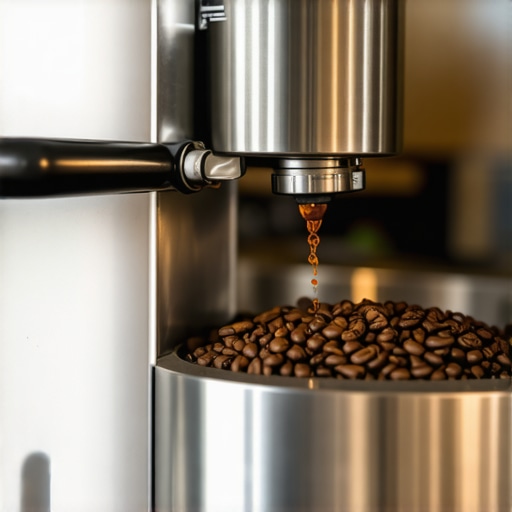
I remember the first time I pulled an espresso shot that tasted like it was brewed by a professional barista. The aroma was perfect, the crema rich and velvety. But then, just a few days later, I faced a frustrating problem: my shots tasted inconsistent. Sometimes sharp and vibrant, other times flat and dull. The culprit? An inconsistent grind. That lightbulb moment made me realize how critical grind consistency is in brewing the perfect cup.
Today, I want to share with you the secrets I’ve learned to achieve and maintain grind consistency with espresso and coffee grinders. Whether you’re a home enthusiast or a seasoned barista, mastering this skill can elevate your coffee game to new heights. No more guesswork, no more wasted beans—just reliable, delicious brews every single time.
Why Does Grind Consistency Matter So Much?
The answer lies in the very essence of extraction. When your coffee grounds are uniform, water flows evenly through them, extracting flavors at a steady rate. Inconsistent grind sizes cause uneven extraction—some particles over-extract, others under-extract—leading to bitter, sour, or flat flavors. This inconsistency is a common headache for coffee lovers and espresso connoisseurs alike.
Recent studies reveal that even minor variations in grind size can drastically affect flavor. According to an authoritative source, a consistent grind can improve espresso quality significantly, making your brew more balanced and complex.
Early on, I made a mistake that many beginners do—I relied too heavily on the grinder’s dial without understanding the importance of burr quality and calibration. That oversight led to inconsistent results and a lot of wasted beans. Once I corrected my approach, my coffee improved dramatically, and I became more confident in my brewing process.
In this guide, I’ll walk you through practical steps to unlock the full potential of your grinder, ensuring every shot or brew is as good as the last. Ready to transform your coffee experience? Let’s dive into the how-to’s that will make grind consistency second nature.
Facing the Challenge of Inconsistent Grinds? You’re Not Alone
Calibrate Your Grinder Regularly
Think of calibration like tuning a musical instrument; if it’s off, the sound suffers. I once ignored calibration and kept adjusting the grind dial, which only led to more inconsistency. To avoid this, I set a regular schedule—every 50-100 shots or weekly—using the manufacturer’s calibration instructions. For example, I used a calibration tool to set my burrs precisely, ensuring the grind size remains uniform. This simple step dramatically improved consistency and flavor. For detailed calibration techniques, visit this guide.
Invest in a Quality Grinder with Burrs
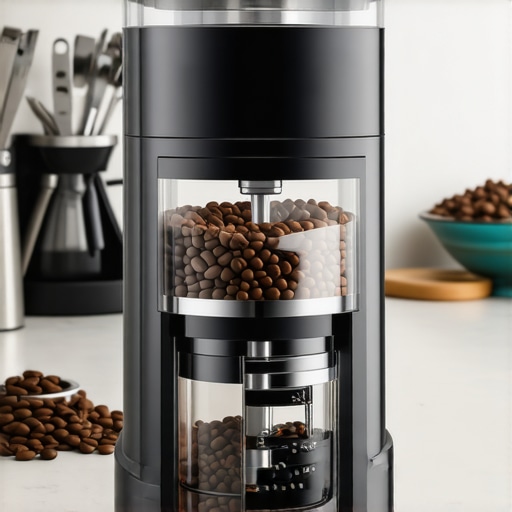
High-quality burr grinders, especially flat burrs, provide more uniform grounds than blade grinders. I upgraded from a blade grinder to a conical burr model, which made a visible difference in grind consistency. When choosing a grinder, look for one with adjustable grind settings and sturdy burrs—preferably made of steel or ceramic. Check reviews and expert opinions on this comparison to find the best fit for your needs.
Use Single-Dose Grinding Technique
Single-dose grinders dispense just the right amount of beans directly into the portafilter, eliminating the variable of beans bouncing around or settling unevenly. I started dosing exactly 18 grams for my espresso, which resulted in more consistent extraction. To get precise doses, use a scale—preferably a digital one—and measure each shot exactly. This practice reduces inconsistency caused by over- or under-dosing. Learn more about single-dose techniques here.
Adjust and Lock in Your Grind Settings
Once calibrated, avoid fiddling with the dial constantly. Instead, find a setting that works for your beans and brewing method, and lock it in. I mark my preferred setting with a piece of tape to prevent accidental adjustments. When changing beans, tweak the setting slightly and re-test with a shot. Consistent settings are key to reliability. For more tips on choosing the right grind, see this resource.
Consistent Distribution & Tamp
Even distribution of grounds in the portafilter and a firm, even tamp are critical. I use a distribution tool to level the coffee bed before tamping—this ensures water flows evenly. I also apply consistent pressure when tamping, about 30 pounds, to create a uniform puck. These small steps prevent channeling and uneven extraction. For detailed techniques, explore this guide.
Maintain Your Equipment
Regular cleaning prevents old coffee oils and debris from affecting grind size. I clean my burrs weekly with a brush and run grinder cleaning tablets monthly. This maintenance keeps burrs sharp and consistent. Neglecting this step can lead to uneven grinding and flavor issues. For best practices, visit this article.
Many coffee enthusiasts believe that once you’ve set your grind size, you can forget about it. However, this is a common misconception that can lead to subpar brews. In reality, even with a high-quality grinder, grind consistency isn’t a one-and-done task. Factors like bean age, humidity, and grinder wear can subtly alter your grind over time, affecting extraction and flavor. Regular calibration and attentive maintenance are essential for maintaining optimal grind uniformity, as emphasized by coffee experts.
Another widespread myth is that all burr grinders are created equal. While burr grinders generally outperform blade grinders in achieving uniform grounds, not all burr grinders are designed for precision. For instance, cheaper models with inconsistent burr alignment can produce uneven particle sizes, defeating the purpose of investing in a burr grinder. To truly unlock consistent grind quality, invest in a well-reviewed model with adjustable settings and quality burrs, like those discussed in this list.
What Advanced Coffee Makers Should Know About Grind Variability?
Beyond equipment, the most overlooked factor is the impact of bean origin and roast level on grind consistency. Darker roasts tend to be more brittle and can produce flaky grounds, which may clog grinders or lead to uneven particle sizes. Similarly, beans from different origins have varying moisture contents, influencing how they grind. The key is to adjust your grind settings slightly when switching beans and to perform test shots, rather than relying solely on static settings. Studies, such as those referenced by industry research, show that dynamic adjustments are crucial for maintaining consistency across different batches.
Finally, beware of the trap of over-focusing on grind size alone. Many believe that dialing in the perfect grind size will solve all extraction issues, but neglecting other variables like tamp pressure, distribution, and dose can undermine your efforts. True mastery involves a holistic approach, where grind consistency complements other brewing variables seamlessly. For more advanced insights, check out this comprehensive guide.
Have you ever fallen into this trap? Let me know in the comments.
Maintaining your coffee grinder over time is crucial for achieving and preserving grind consistency. From choosing the right equipment to implementing effective cleaning routines, the right tools and practices can make a significant difference in your brewing results. As I’ve learned through years of experimenting, investing in quality tools and establishing a regular maintenance schedule ensures your grinder continues to perform at its best.
How do I maintain my coffee grinder over time?
First, I highly recommend using a dedicated brush designed specifically for grinder burrs, such as the Baratza Burr Cleaning Brush. Regularly brushing out coffee oils and debris from the burrs prevents buildup that can cause uneven particle sizes. I clean my burrs weekly, especially if I brew daily, to keep the grind uniform. Additionally, I use grinder cleaning tablets monthly to remove any residual oils that brushing alone might miss.
Another essential tool is a digital scale for dosing. Precise measurement of beans ensures that your dose remains consistent, which is foundational for grind uniformity. I personally use the Acaia Pearl because of its accuracy and app integration, which helps me track and refine my dosing and grind settings over time.
To keep your grinder calibrated, I suggest investing in a burr calibration tool. This device allows you to fine-tune your burr alignment easily, ensuring that the grind size remains consistent regardless of grinder wear or bean variation. Regular calibration—every few months or after switching to a new batch of beans—can dramatically improve your results. You can find detailed calibration methods in this comprehensive guide.
When it comes to long-term results, I also recommend keeping a detailed log of your grind settings, dosing, and tasting notes. Over time, this helps identify patterns and adjustments needed to maintain optimal performance. Many advanced users are turning to software solutions that sync with their grinders for real-time monitoring and adjustments.
Looking ahead, the trend is moving toward smarter, more connected grinders equipped with sensors that automatically notify you when calibration is needed or when burrs are dull. Investing in such technology today can future-proof your setup and make maintenance even more seamless.
Try implementing a regular cleaning routine with high-quality tools and keeping detailed records of your settings. These small but impactful steps will ensure your grinder stays in top shape, providing consistent, high-quality grounds for years to come.
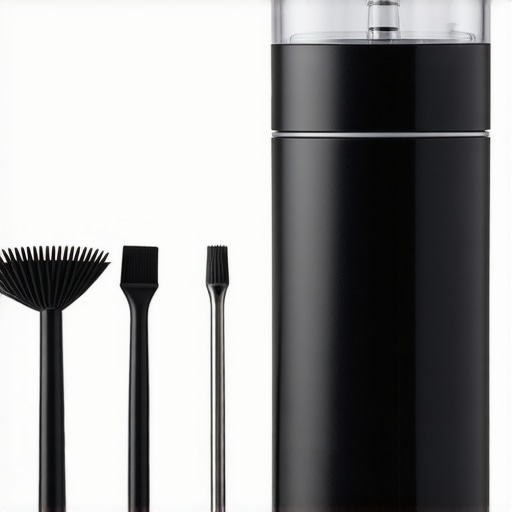
The Hardest Lesson I Learned About Grind Consistency
One of my biggest lightbulb moments was realizing that even the slightest change in bean origin or humidity could throw off my grind consistency. It taught me that maintaining a perfect espresso shot isn’t just about equipment but also about adapting to environmental variables and learning to read my grinder’s subtle cues.
3 Myths About Grind Uniformity That Held Me Back
I used to believe that once I found the perfect grind setting, I could forget about it. Turns out, regular calibration and cleaning are essential because burrs wear down, and beans change. Debunking these myths was eye-opening and improved my espresso quality dramatically.
What Experts Won’t Tell You About Long-Term Grinder Maintenance
Many think cleaning is enough, but I discovered that calibrating and logging your settings over time are crucial for sustained consistency. Investing in tools like a burr calibration device and maintaining a detailed log transformed my approach and results.
Curated Recommendations for Coffee Grinding Success
1. Baratza Burr Cleaning Brush: I trust this brush for weekly cleaning because it effectively removes oils without damaging burrs. Learn more about cleaning techniques here.
2. Acaia Pearl Scale: Precise dosing has been a game-changer for me. Its accuracy and app integration help refine my grind and dose for each batch. See why I recommend it.
3. Burr Calibration Tool: Regular calibration keeps my grinder aligned and my grounds uniform. This small investment has paid off in flavor and consistency. Find out more here.
4. Comprehensive Grinder Maintenance Guides: I refer to these frequently to stay on top of best practices and troubleshoot issues before they affect my brew. Check out this expert guide.
Seize Your Espresso Mastery Journey Today
Remember, achieving impeccable grind consistency is an ongoing pursuit, but with the right tools, techniques, and mindset, you can elevate your coffee experience to professional levels. Keep experimenting, stay attentive to details, and enjoy every sip of your perfected brew. Your journey toward espresso excellence starts now—embrace it wholeheartedly and watch your skills flourish.
What’s been your biggest challenge in maintaining grind consistency? Share your experience below—I’d love to hear your story!
![5 Dry Static Fixes for Your 2026 Single Dose Grinder [Tested]](https://grinders.espressotechguide.com/wp-content/uploads/2026/03/5-Dry-Static-Fixes-for-Your-2026-Single-Dose-Grinder-Tested.jpeg)