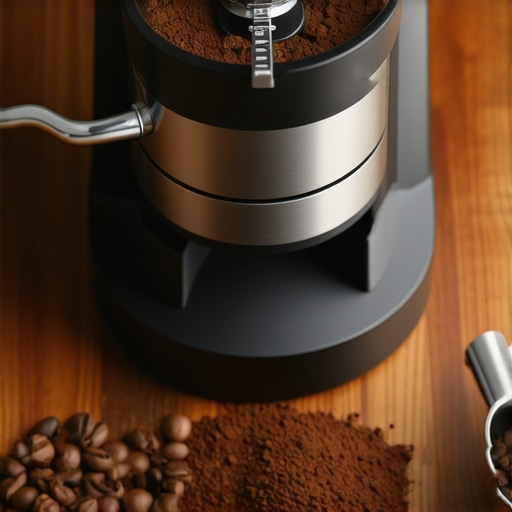
Ever poured your carefully measured coffee beans into your grinder, only to find the grounds are uneven, resulting in a less-than-stellar espresso? That frustrating experience hit me hard early on. I’d think I was doing everything right—using fresh beans, dialling in my grinder settings—yet my shots would sometimes taste flat or overly bitter. It was only when I realized that grind consistency makes or breaks your brew that everything changed. That lightbulb moment led me into a deeper dive into the world of burr grinders and single dose techniques, which I want to share with you today.
Why Grind Consistency Matters More Than You Think
Getting a uniform grind isn’t just about aesthetics; it’s about flavor extraction, control, and ultimately, that perfect cup. Inconsistent grounds mean uneven extraction—some particles over-extract, others under-extract—leading to dull, sour, or bitter flavors. According to coffee expert baristas, achieving consistent grind size can elevate your entire brewing game, making even budget grinders perform surprisingly well when used correctly. And with the rise of single dose brewing, precision is king. I’ll show you how to harness these techniques for your home setup.
Is It Really Worth the Hype?
My early mistake? Believing that all grinders are created equal. I bought a cheap model thinking it was good enough, only to be disappointed repeatedly. It wasn’t until I invested in a quality burr grinder and learned the importance of proper calibration that I saw real improvement. If you’re skeptical about whether these adjustments matter, consider this: studies show that grind size variation directly affects espresso quality more than any other factor. So, yes—precise grind consistency is worth every penny and effort.
Ready to stop guessing and start brewing with confidence? Let’s explore the practical steps to master your grinder, avoid common pitfalls, and finally enjoy that rich, balanced espresso you crave. From understanding burr types to single dose tips, this guide will set you on the path to coffee greatness.
Fine-Tune Your Burrs for Perfect Grounds
Start by choosing a high-quality burr grinder, as it’s the foundation of consistent grind size. When I first upgraded from a blade grinder, I noticed an immediate difference. I made sure to calibrate my burrs precisely by adjusting the grind setting slowly and checking the uniformity of the grounds. This step is crucial — even slight misalignments can cause uneven particles. For detailed calibration techniques, you can check out how burr grinders elevate your espresso flavor. Always lock the burrs securely after calibration to prevent shifts during use.
Consistent Calibration is Key
Regularly recalibrate your grinder to maintain grind consistency. When I first started, I set my grinder once and thought that was enough. But coffee beans change, and so should your settings. I recommend marking your current setting with a marker or tape, so you can reset if needed. Test your grounds by brewing a shot and tasting it — if flavors are off, it’s time to recalibrate. This practice helped me avoid over- or under-extraction, giving me a more balanced espresso every time.
Master Single Dose Technique for Uniformity
Switching to a single dose approach radically improves consistency. Instead of grinding a bulk amount and storing it, measure out your beans each time. I use a digital scale that reads to the gram, ensuring I grind the exact amount I need—usually around 18-20 grams for espresso. This prevents stale grounds from mixing with fresh, which can cause flavor inconsistencies. For optimal results, use a single dose grinder designed for minimal retention and precise dosing.
Set Your Dose with Precision
Achieve perfect dosing by weighing your beans before grinding. During my first attempts, I would eyeball the amount and end up with inconsistent shots. Once I started weighing my beans, I could fine-tune the dose to match my grinder’s performance. Use a precision scale to ensure each shot starts with the same amount of coffee. This consistency translates into more predictable extraction times and flavors.
Optimize Grind Settings for Consistency
Don’t rely solely on presets. Instead, dial in your grind setting by brewing test shots and adjusting gradually. I made a habit of adjusting my grinder in tiny increments, about a quarter turn, then pulling a shot to see the difference. Keep notes on your ideal settings and revisit them regularly. Remember, the quality of your beans and humidity can affect grind size — so stay flexible and recalibrate as needed. For detailed guidance, review ultimate grind setting tips.
Use Consistent Tamping Pressure
Even with perfect grind size, inconsistent tamping can ruin your shot. Use a tamper with a firm, level press applying about 30 pounds of pressure. I practiced on a scale to develop a consistent technique, which helped me eliminate one variable from my brewing process. A uniform tamp ensures even water flow through the coffee puck, maximizing extraction and flavor. For a visual guide, see tamping secrets from baristas.
Maintain Your Equipment for Long-Term Consistency
Clean your burrs regularly to prevent old coffee oils and residue from affecting grind size. I do a deep clean every few weeks, following the manufacturer’s instructions. Dull burrs tend to produce uneven grounds, so replace them when they show signs of wear. Proper maintenance ensures your grinder remains precise and consistent, saving you money and frustration in the long run.
By combining meticulous calibration, precise dosing, and consistent tamping, you’ll elevate your coffee game significantly. Remember, the small details make all the difference — master these steps, and your espresso taste will reflect your dedication.
While mastering grind consistency is crucial for brewing perfect espresso, many coffee enthusiasts fall into misconceptions that hinder their progress. One of the most persistent myths is that investing in a high-end grinder guarantees flawless results without proper calibration. In reality, even premium grinders require regular adjustments and maintenance to maintain optimal performance. According to coffee experts, consistent grind size depends heavily on how well you calibrate and maintain your equipment, not just its initial quality.
Another common mistake is relying solely on preset grind settings. Many believe that choosing a specific number on their grinder dial is enough, but in practice, subtle changes in humidity, bean age, and grinder wear can significantly affect grind size. I recommend fine-tuning your grind through test shots and incremental adjustments. This process is essential to adapt to changing conditions and achieve uniform grounds every time.
Are Flat Burrs Always Better for Consistency?
This is a nuanced topic. Many believe flat burrs outperform conical burrs in achieving uniform grind size. However, recent studies, including one from the specialist literature, suggest that the real advantage lies in proper calibration and maintenance rather than burr shape alone. Flat burrs can produce consistent grounds, but only if they are correctly aligned and regularly cleaned. Overlooking these factors can lead to uneven particles, no matter the burr type.
Furthermore, many users overlook the importance of single dose techniques in maintaining grind consistency. Grinding directly into a portafilter or scale minimizes retention and stale grounds, which can cause flavor inconsistencies. For advanced users aiming for precision, investing in a single dose grinder and mastering dose measurement can elevate your brewing to professional levels. Remember, consistency is about the entire process, not just the grinder itself.
Have you ever fallen into this trap? Let me know in the comments! The path to perfect espresso involves continuous learning and adjustment, so don’t be discouraged by initial setbacks. Keep refining your technique and equipment, and you’ll notice the difference in every cup.
Once you’ve dialed in your perfect grind, the next step is to keep your equipment performing at its best over time. Regular maintenance not only extends the lifespan of your grinder but also ensures that each brew remains as consistent and flavorful as the first. Today, I’ll share the tools and methods I personally rely on to keep my grinder in peak condition, along with some insights into where this trend is headed.
Invest in Quality Cleaning Tools
One of the most overlooked aspects of grinder maintenance is cleaning. I swear by a dedicated burr cleaning brush—a small, stiff-bristled tool that reaches into tight spaces around the burrs. Using this weekly helps remove coffee oils and residue that can cause clogging or uneven grinding. For deeper cleaning, I use specialized cleaning tablets or grinder cleaning brushes. These kits are designed to break down accumulated oils and should be used every few months, especially if you brew daily.
Additionally, a microfiber cloth is essential for wiping down the exterior and burr housing, maintaining a clean workspace that prevents dirt from contaminating your grounds. Proper cleaning tools are crucial in preventing buildup that can compromise grind consistency over time.
Set a Routine for Calibration and Inspection
Calibration isn’t a one-and-done task. I recommend setting a monthly reminder to check your grinder’s calibration, especially if you notice shifts in flavor or extraction times. Many high-end grinders have calibration rings or adjustment screws—use them to fine-tune your grind size. When I perform this check, I grind a small batch into my scale and brew a test shot. If the flavor isn’t balanced, I make slight adjustments. Consistent calibration keeps your grind uniform and ensures that your espresso maintains its signature profile.
Inspect your burrs periodically for signs of wear—dull or chipped burrs can drastically affect grind size. If you notice uneven grounds or burrs that look worn, replacing them promptly is vital. Some grinders have burr replacement guides to help determine when it’s time for an upgrade. A sharp, well-maintained burr set ensures longevity and consistent particle size, which is key to predictable extraction.
Why Proper Maintenance Will Pay Off
Looking ahead, the trend toward smart grinder technology suggests that future tools will incorporate sensors and automated calibration features. While the tech is evolving, the fundamentals remain the same: regular cleaning, calibration, and inspection. By mastering these practices now, you’ll be well-prepared for the innovations that promise even greater precision and ease of use.
How do I maintain my grinder over time?
Establish a routine for cleaning and calibration, using dedicated tools like burr brushes, cleaning tablets, and quality burrs. Keep an eye on burr wear and replace them when necessary. Document your calibration settings and adjust gradually, testing with each change. This proactive approach will ensure your grinder continues to deliver the consistent, high-quality grounds your brewing deserves.
Try integrating a monthly cleaning and calibration checklist into your routine. Not only will this improve your coffee’s flavor, but it will also extend your equipment’s lifespan, saving money and frustration in the long run. Remember, a well-maintained grinder is the backbone of great espresso—invest in its upkeep, and your coffee will thank you.
Throughout my journey as a passionate home barista, I learned that the hardest lesson about achieving perfect espresso isn’t just about the beans or the machine; it’s about the grind. The small, almost invisible variations in grind size can make or break your shot, turning a decent cup into a truly exceptional one.
The Hardest Lesson I Learned About Grind Consistency
- Calibrating isn’t a one-time task: Regularly revisiting your grinder settings, especially when changing beans or humidity, is essential. I used to set it once and forget, but I quickly discovered that grind consistency requires ongoing attention.
- Invest in quality tools: Cheap grinders often lack the precision needed for consistent grounds. Upgrading to a high-quality burr grinder was a game changer for me, and I recommend it to anyone serious about espresso.
- Practice makes perfect: Developing a consistent tamping and dosing technique complemented my grind adjustments. Every small improvement added up to better flavor extraction.
- Patience over speed: Rushing through calibration or cleaning can introduce variability. Take your time to fine-tune your setup and enjoy the process.
- Learn from the experts: Watching baristas and reading guides from trusted sources like this resource helped me understand nuances I hadn’t considered.
My Essential Toolkit for Achieving Perfect Grounds
- High-quality burr grinder: I trust a reputable single dose grinder for precision and minimal retention.
- Precision scale: Weighing my beans ensures consistent dosing, which is critical for repeatable shots. I use a scale from this trusted brand.
- Cleaning tools: Burr brushes and cleaning tablets keep my grinder in top shape, preventing oils and residue from affecting grind size.
- Calibration aids: Marking and adjusting my grinder settings based on test shots helps me maintain consistency over time.
Keep Moving Forward and Stay Inspired
Remember, mastering grind consistency is an ongoing process. Each adjustment, each clean, brings you closer to the perfect espresso. Embrace the journey, celebrate small wins, and don’t be discouraged by setbacks. Your dedication will pay off with every rich, balanced shot you enjoy.
What’s the biggest challenge you’ve faced in achieving grind consistency? Share your experience below — I’d love to hear your story!
![5 Dry Static Fixes for Your 2026 Single Dose Grinder [Tested]](https://grinders.espressotechguide.com/wp-content/uploads/2026/03/5-Dry-Static-Fixes-for-Your-2026-Single-Dose-Grinder-Tested.jpeg)
4 responses to “Best Coffee Grinder for Grind Consistency: Burr & Single Dose Tips in 2024”
I completely relate to the frustration of inconsistent grounds ruining an otherwise promising shot. When I first upgraded to a proper burr grinder, I underestimated the importance of calibration and cleaning routines. It wasn’t just about buying the best equipment; maintaining it regularly made a huge difference. I’ve found that even small tweaks, like adjusting grind size in tiny increments and keeping the burrs spotless, consistently improve flavor clarity and extraction. One thing that helped me was marking my current settings with a permanent marker—simple but effective for quick recalibration. Have others found that documenting their calibration settings and experimenting with small adjustments has improved their results over time? I’ve noticed that as I become more disciplined with maintenance, my shots become more predictable and flavorful, which fuels my enthusiasm even on tough mornings.
This post really hits home, especially the part about regular calibration and maintenance—those small steps often get overlooked but make a huge difference in the final flavor. I remember once I kept trying to perfect my espresso but kept hitting a wall until I started diligently cleaning my burrs every week and marking my calibration settings. The consistency improved so much that I almost started to enjoy the process as much as the drink! It made me think about how many home baristas might be chasing better results without considering a regular maintenance routine. Have you or others noticed a significant change in shot quality after switching to a scheduled cleaning and calibration ritual? I’ve found that this routine not only improves flavor clarity but also extends the life of the equipment, which is a win-win in my book. Plus, it’s satisfying to see those grounds come out perfectly uniform every time. Really appreciate these deep dives into technique; it helps keep my coffee game fresh and improving.
I really resonated with this detailed discussion on grind consistency and maintenance. When I first started experimenting at home, I overlooked the importance of calibrating my burr grinder regularly. It wasn’t until I committed to a weekly cleaning routine and kept detailed notes on my settings that I started noticing a real difference in the flavor profile and shot stability. It almost feels like a small ritual now that pays off every morning. I’ve also found that switching to freshly roasted beans and adjusting my grind based on humidity levels makes a significant impact.
What are some of your preferred methods for tracking calibration changes? Do you stick with digital logs or do you prefer a more manual approach like marking the grinder? I’m curious how others manage these adjustments over time. Ensuring precision and consistency has truly transformed my coffee—from a rough approximation to a much more predictable and enjoyable experience.
This post really emphasizes how vital regular maintenance and fine-tuning are in achieving the perfect espresso. I remember initially buying a decent burr grinder but neglecting calibration and cleaning, which led to inconsistent grounds and flavor. Once I started keeping a detailed log of my settings and scheduling weekly cleanings, the difference in shot quality was remarkable. I also found that upgrading to a grinder with minimal retention made a noticeable impact. Sometimes, I think we overlook small but critical details like consistent tamping pressure or adjusting for humidity—these can really influence the outcome. Have any of you experimented with different grind retention tools or cleaning routines that made a real difference? I’d love to hear if someone has found an especially effective method for maintaining grind uniformity over time. It’s somewhat empowering to realize that small, disciplined habits can elevate our home brewing from good to great.