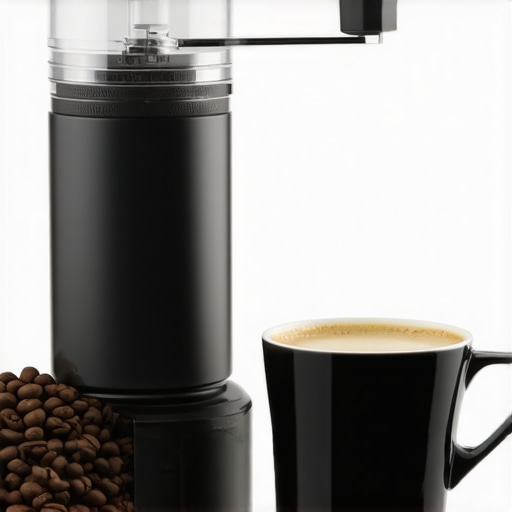
Ever had that frustrating moment at the espresso machine, where your shot just doesn’t taste right, no matter how much you tweak? I’ve been there. I remember countless mornings where I’d grind, tamp, pull, and still end up with uneven extraction and inconsistent flavor. It felt like a gamble, and honestly, it was exhausting. Then I discovered the game-changer: a high-quality single dose burr grinder. Suddenly, my espresso routine transformed from a frustrating chore into a precise art. If you’re tired of inconsistent brews and ready to elevate your coffee game, stick around. I’ll share what I’ve learned about choosing the best grinder for consistent flavor, backed by my own experience and expert insights.
Why Consistency Matters in Espresso Brewing
Espresso is all about precision. A tiny variation in grind size, dose, or tamp pressure can drastically change the taste. That’s why choosing the right grinder is so crucial. When I first started, I thought I could get by with a cheap blade grinder or a manual mill. Boy, was I wrong. The inconsistency in grind size led to bitter shots or sour under-extractions. I learned that the secret isn’t just in the beans; it’s in the grind. A burr grinder gives you uniform grounds, which is vital for even extraction and rich flavor. It’s the cornerstone of making espresso that tastes just right every time.
Have you ever faced the frustration of a mediocre espresso despite using good beans?
If so, you’re not alone. Early on, I made the mistake of ignoring grind consistency and focusing only on beans and technique. That was a rookie error I quickly fixed. Now, I focus on the grinder—specifically, a top single dose burr grinder—to achieve the perfect grind every time. This small shift made a huge difference in my espresso quality and saved me from wasting beans and time.
Let’s dive into what makes a grinder truly effective for consistent espresso, so you can avoid those disappointing shots and enjoy rich, flavorful brews every morning. Ready to learn the secrets? Stay tuned for practical tips and expert advice on selecting the best grinder for your needs.
Start with Precise Grind Settings
When I first switched to a single dose burr grinder, I realized that consistency begins with the initial grind setting. I recommend starting with the manufacturer’s recommended grind size for espresso. Then, adjust in small increments—no more than a quarter turn—while pulling test shots. This meticulous approach ensures you dial in the perfect extraction. Remember, even tiny adjustments significantly impact flavor, so patience is key. Once you find the sweet spot, lock in your setting to maintain uniformity across brews.
Use the Same Dose Every Time
Consistency isn’t just about grind size; it’s also about how much coffee you use. I use a digital scale to weigh my beans precisely, aiming for a standard dose—typically 18-20 grams for espresso. On one memorable morning, I accidentally used 19 grams instead of 20. The shot was slightly under-extracted, tasting sour and weak. That mistake made me realize that sticking to a consistent dose is crucial. When I measure every time, I eliminate variables that could ruin my flavor profile. For ultra-precision, check out this guide to selecting the best grinder for consistent dosing.
Perfect the Tamping Technique
Even with the best grinder, uneven tamping can cause inconsistent extraction. I once rushed through tamping and got a very uneven puck, resulting in a weak, watery shot. Afterward, I learned to apply firm, even pressure—around 30 pounds—using a calibrated tamper. I also ensure the coffee bed is level before tamping. This step creates uniform resistance, allowing water to pass through evenly. Practice makes perfect. When you master consistent tamping, your shots become more predictable, elevating your espresso game. For detailed tips, check this resource.
Maintain Your Grinder Regularly
Even the best grinder can lose precision if neglected. I schedule weekly cleaning—disassembling burrs and removing old coffee residues—to keep the grind uniform. During one cleaning session, I noticed my burrs had developed slight unevenness, which caused inconsistent grounds. After replacing or realigning the burrs, I regained perfect consistency. Think of your grinder as a precision tool—regular maintenance is vital for optimal performance. If you want to explore more, see this detailed guide.
Experiment and Record Results
Achieving perfect consistency involves trial and error. I keep a journal, noting grind settings, dose weights, tamp pressure, and taste outcomes. One time, I changed my grind by a tiny bit and immediately noticed a flavor shift—sourness turned to sweetness. This process of systematic adjustment and recording helps me replicate successful shots consistently. For more advanced insights, visit this expert advice.” ,
Many coffee enthusiasts believe that investing in a good grinder is enough to achieve perfect espresso every time. However, this is a common misconception. In reality, even the best burr grinder can produce inconsistent results if you overlook certain nuances. One of the most overlooked aspects is the importance of grind particle distribution. Most people focus solely on the average grind size, but the distribution of particle sizes—including fines and boulders—plays a crucial role in extraction. Too many fines can clog the filter basket, leading to over-extraction and bitterness, while too many coarse particles cause under-extraction and sourness. Achieving a uniform particle distribution is an advanced skill that requires attention to grinder settings, burr alignment, and even bean type.
Another myth is that all grind consistency is created equal. In fact, different grinder types—flat burrs versus conical burrs—produce distinct particle size profiles. Flat burr grinders tend to generate a narrower distribution, which is advantageous for espresso. Yet, many users assume that any burr grinder will do, leading to subpar shots. For true consistency, consider understanding the grinder’s design and how it impacts particle distribution.
A common trap involves adjusting grind size without considering the impact of dose variation and tamping pressure. These seemingly minor variables can cause significant fluctuations in extraction. For example, a slightly heavier dose or a firmer tamp can compensate for a slightly coarser grind, but many overlook this interplay. Advanced baristas often measure and control these variables meticulously, acknowledging that precision in all steps is necessary for consistency.
What about the effect of bean freshness and roast profile? Does it matter?
Absolutely. Even with perfect grind settings, stale beans or an unsuitable roast profile can sabotage your shot. Beans lose volatile oils over time, leading to dull flavor and inconsistent extraction. As a result, many overlook the importance of using fresh, well-roasted beans. Combining this with a finely tuned grinder setup is the key to true consistency.
Have you ever fallen into this trap? Let me know in the comments. Mastering grind consistency isn’t just about equipment—it’s about understanding every variable that influences extraction and flavor. By paying attention to particle distribution, grinder type, dosing, tamping, and bean freshness, you can elevate your espresso game from good to extraordinary.
Investing in a high-quality espresso grinder is only half the battle; keeping it in top shape ensures your brews remain consistently excellent over time. Regular maintenance is essential to preserve grind uniformity, prevent clogs, and extend the lifespan of your equipment. In this guide, I’ll share the tools I rely on and practical tips to keep your grinder working flawlessly for years to come.
Tools I Recommend for Grinder Maintenance
First and foremost, a quality cleaning brush is indispensable. I use a small, stiff-bristled brush designed specifically for burr grinders. It helps remove coffee residues from between the burrs and in hard-to-reach crevices, preventing build-up that can lead to uneven grounds. For deeper cleaning, I opt for a burr cleaning brush set that allows me to disassemble and clean each component thoroughly.
Next, I always keep a supply of food-grade grinder lubricant. Regular lubrication of moving parts minimizes wear and tear, ensuring smooth operation. Be sure to use only products recommended by the manufacturer to avoid damage.
For precision, a digital scale is a must. I weigh my beans before grinding and even periodically check grind consistency by measuring grounds, ensuring that I maintain uniform particle size for optimal extraction.
Routine Maintenance for Peak Performance
To keep your grinder performing at its best, I recommend a weekly cleaning schedule. This involves disassembling the burrs, removing any coffee residues, and brushing away any built-up grounds. If your grinder has adjustable burrs, check for alignment to ensure they are properly calibrated. Misaligned burrs can cause inconsistent grind sizes and flavor fluctuations, so refer to your grinder’s manual for specific adjustment procedures.
Additionally, replacing worn burrs is crucial. Most burrs last between 500-1000 pounds of coffee, but this varies based on bean type and usage. Keep an eye on the burr edges; dull or chipped burrs will compromise grind consistency. When in doubt, consult the expert guide to determine if it’s time for a replacement.
How do I maintain my grinder over time?
Consistent maintenance involves more than just cleaning. I also check and tighten all screws and bolts periodically to prevent vibrations that could lead to misalignment. Keeping the grinder in a dry, stable environment minimizes rust and corrosion, which can negatively impact performance. Additionally, I avoid grinding stale or oily beans that can clog the burrs or accelerate wear. Using freshly roasted, quality beans combined with a well-maintained grinder guarantees the best flavor extraction and long-term durability.
Looking ahead, I believe that advances in grinder materials and smart sensors will make maintenance even easier in the future. Imagine grinders that self-clean or alert you when burrs need replacing—these innovations will further simplify the upkeep process and help you enjoy consistently perfect espresso with less effort.
Try incorporating a regular cleaning routine with high-quality tools, and you’ll notice your espresso tasting better and your grinder lasting longer. Remember, a well-maintained grinder is the backbone of a truly great cup of coffee.
The Hardest Lesson I Learned About Grind Precision
Early in my espresso journey, I believed that choosing a good grinder was enough. I overlooked how tiny adjustments in grind size or dose could drastically alter flavor. The lightbulb moment came when I realized that consistent particle size and distribution are the backbone of a perfect shot. It taught me to pay close attention to my grinder settings, burr alignment, and even bean freshness, which all work together to produce that rich, balanced flavor I was chasing.
Why I Switched to a Single Dose Burr Grinder
Most beginners settle for cheap or manual grinders, thinking they can get away with it. But I found that a top single dose burr grinder drastically improves grind consistency. This investment meant fewer variables to control and more predictable results. It’s a game changer for anyone serious about elevating their espresso quality and reducing waste.
The Myth About Uniform Particle Size That Held Me Back
I used to believe that setting my grinder to a specific size was enough. However, I learned that the particle distribution – including fines and coarse particles – impacts extraction. Too many fines cause over-extraction and bitterness, while too many coarse grounds lead to sourness. Achieving a uniform distribution, especially with flat burr grinders, is essential for a balanced, flavorful shot. This insight transformed my approach to grind settings and consistency.
Where I Found the Tools for Long-Term Success
Regular maintenance is crucial. I rely on a high-quality cleaning brush and precision tools to keep my grinder in top shape. Scheduling weekly cleanings, checking burr alignment, and replacing worn parts have kept my grind uniform over time. This routine has extended my equipment’s lifespan and maintained top-notch flavor in every shot.
My Personal Tip: Record Every Adjustment
I keep a detailed journal of grind settings, dose weights, tamp pressure, and tasting notes. This systematic approach helps me identify what works best and reproduce it effortlessly. It’s like having a personalized espresso recipe book that ensures every shot is just as good as the last. For anyone aiming for consistency, tracking your process is a must.
Insider Wisdom: Lessons That Changed My Coffee Game
- Even tiny adjustments matter: Small changes in grind size or tamp pressure can have big flavor impacts. Patience and precision are key.
- Particle distribution is king: Fines and boulders affect extraction more than you think. Aim for a narrow particle size spread for the best results.
- Maintenance is non-negotiable: Regular cleaning and burr checks prevent inconsistency and extend your grinder’s life.
- Bean freshness counts: Freshly roasted beans with proper storage make a noticeable difference in flavor stability.
- Record your journey: Keep notes on every tweak. It’s the fastest way to learn and improve.
My Essential Toolkit for Espresso Excellence
- High-quality burr grinder: Especially a single dose burr grinder for uniformity.
- Precise digital scale: For accurate dosing and consistency in grounds.
- Cleaning kit: Brushes, burr cleaners, and lubricants to keep everything sharp and smooth.
- Notebook or app: To log settings, adjustments, and tasting notes systematically.
Seize the Moment and Perfect Your Brew
Achieving perfect espresso consistency is a blend of science, skill, and routine. With the right tools, a disciplined approach, and a willingness to learn from every shot, you can elevate your coffee game significantly. Remember, every great barista was once a beginner, so don’t be afraid to experiment and refine your technique. Your best espresso awaits—start today!
What’s the biggest challenge you’ve faced when trying to achieve consistent espresso? Let me know below and share your story!
![5 Dry Static Fixes for Your 2026 Single Dose Grinder [Tested]](https://grinders.espressotechguide.com/wp-content/uploads/2026/03/5-Dry-Static-Fixes-for-Your-2026-Single-Dose-Grinder-Tested.jpeg)