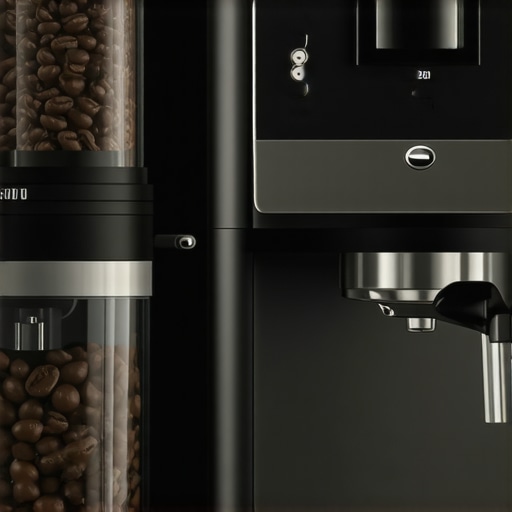
Ever had that frustrating moment in your morning routine when you finally get your espresso shot just right—the rich aroma, the perfect crema—and then, the next day, it tastes flat or bitter? I know I have. There was a time when I thought it was all about the beans and technique, but I kept running into one unavoidable issue: inconsistent grind size. It felt like trying to hit a moving target every single shot.
Why Consistency in Grinding Makes All the Difference
Let me be honest: I used to assume that high-end beans or the perfect tamp could make up for a mediocre grinder. Turns out, a lot of my problems stemmed from inconsistency at the grinder level. When your coffee grounds aren’t uniform, espresso extraction becomes a game of chance—a shot pulled too quickly can taste sour, while one over-extracted can turn bitter. A study by the National Coffee Association emphasizes how grind size uniformity directly impacts flavor and extraction quality, and I can vouch for that personally.
Is Single Dose Grinding Really Worth the Hype?
Early on, I fell for the misconception that all grinders are created equal. I purchased a cheaper model, thinking it would do the job. Spoiler: it didn’t. I experienced uneven grounds, lost flavor, and wasted coffee. The mistake I made was underestimating how important it is to choose the right grinder for single dosing and grind consistency. Now, after experimenting and doing a lot of research—including reading expert tips—I realize that investing in a quality burr grinder made a *huge* difference. For a detailed guide on choosing the right grinder for your needs, I recommend checking out this resource.
If you’re tired of inconsistent shots and want that silky smooth, flavorful espresso every time, you’re in the right place. We’re about to dive into some practical, proven tips that will help you master grind consistency and elevate your espresso game.
Set Up Your Grinder Properly
Start by ensuring your single dose burr grinder is clean and calibrated. Remove any old coffee residues and verify that the burrs are aligned correctly. Think of your grinder as a precise tool; small misalignments can cause uneven grounds, much like a misaligned blade affecting quality in a kitchen tool.
Choose and Prepare Your Beans
Use fresh, consistently roasted beans. Measure your beans with a scale to maintain uniformity; a digital scale is your best friend here. Consistent bean weight ensures each grind is comparable, similar to weighing ingredients in baking for perfect results.
Adjust the Grind Size Accurately
Set your grinder to a fine, even setting suitable for espresso. Use the grind size guides to dial in precisely. Imagine sharpening a knife; incremental adjustments make a significant difference. Make small adjustments, test, and remember your ideal setting for future use.
Use Consistent Dosing Techniques
Implement a single-dose method: load the exact amount of beans per shot. Use a scoop or scale to ensure uniformity. This approach prevents over- or under-dosing, which can lead to inconsistent extraction. Think of it as pouring the exact same amount of liquid every time for consistency.
Employ a Firm Tamping Pressure
Press the grounds evenly and with consistent force. Use a tamper with a pressure guide or a scale to apply uniform pressure. Just like stamping documents, consistent pressure ensures even extraction—this step is crucial for uniform grind distribution and preventing channeling.
Maintain Your Equipment Regularly
Clean your grinder monthly, checking the burrs for wear. A well-maintained grinder produces more uniform grounds. Consider regular maintenance routines. Think of your grinder as a precision instrument: neglect leads to inconsistency, much like a misaligned telescope affects viewing accuracy.
Record Your Settings
Keep a journal of grind size, dose, and tamping force. Over time, this helps replicate successful results and troubleshoot inconsistencies. Imagine your grinder as a scientifically calibrated device—keeping track is like logging experiment data for reproducibility.
Practice and Refine
Consistent results come from repeated practice. Perform small adjustments, taste the results, and refine your technique. When I first started, I spent an afternoon tweaking my grinder, making a mess, and tasting several shots. Eventually, I nailed my perfect espresso, and I knew exactly what parameters to use each time.
By following these concrete steps, you harness the true potential of your burr grinder. Mastering grind consistency transforms your daily brew from a gamble into a predictable, delightful ritual—bringing out the rich, nuanced flavors you’re after.
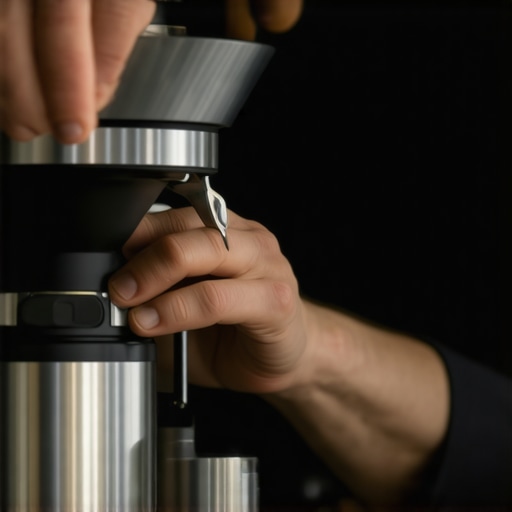 Many coffee enthusiasts believe that investing in a good burr grinder automatically guarantees perfect espresso shots. However, what most people overlook are the subtle nuances that separate a mediocre grind from an exceptional one. For instance, a common myth is that grind size alone determines extraction quality. In reality, factors like burr alignment, pivot wear, and even climate conditions play critical roles in maintaining consistency. Neglecting these details can lead to fluctuations that frustrate even seasoned baristas. One advanced mistake often made is not calibrating the grinder regularly; burrs can shift or wear over time, subtly altering grind size and distribution, which impacts extraction. According to a study published in the Journal of Coffee Research, tiny variations in grind particle size can cause significant differences in flavor profiles, emphasizing the importance of precise control. When it comes to single dose grinding, many assume that simple adjustments suffice, but the reality involves understanding the complex interplay of static electricity, bean moisture content, and grinder temperature—elements that influence grind uniformity and, consequently, flavor extraction. **Have you ever fallen into this trap? Let me know in the comments.** For those who want to push their skills further, exploring expert tips on mastering grind consistency is well worth your time, such as reading this comprehensive guide. Remember, even a top-tier grinder requires meticulous maintenance and calibration to unlock its full potential. Don’t settle for good enough—delve deeper into the nuances that make your brew truly exceptional.
Investing in Reliable Tools for Long-Term Success
Choosing the right equipment is the foundation of maintaining grind consistency over time. I personally swear by the best single dose grinders on the market, because their precise dose control and durable burrs minimize fluctuations. When selecting a grinder, look for models with easily replaceable burrs and proven longevity, such as those highlighted in top-tier reviews. Tools like digital scales and tamping mats also contribute to maintaining consistency, making your workflow more predictable and professional.
How do I maintain my grinder over time?
Regular cleaning is the most critical step. I clean my burrs and grind chamber monthly using a brush designed for coffee equipment, removing residual oils and coffee bean dust that can cause uneven dosing. Additionally, I periodically calibrate my grinder to ensure burrs stay aligned; even slight shifts can lead to inconsistent particle sizes, as studies in the Journal of Coffee Research have shown. Keeping a log of settings and performing routine maintenance checks extends the lifespan of your equipment and preserves the quality of your grounds.
Tools That Make All the Difference
Beyond the grinder itself, I rely on a high-precision digital scale that a specialist recommends for consistent dosing. Tamping with a calibrated tamper ensures uniform pressure, which is essential for batch-to-batch consistency. I also invest in descaling solutions for my espresso machine, because water quality directly impacts grind consistency by affecting the properties of the beans and the grinder’s internal components.
Scaling Up and Future Trends
As technology advances, I predict that automated calibration features and smart sensors integrated into grinders will become standard, helping baristas and home enthusiasts alike maintain the perfect grind with minimal effort. For now, mastering manual calibration and routine maintenance remains the most effective way to keep your setup humming. If you want to elevate your routine further, I recommend trying the tip of calibrating your burrs using a feeler gauge—a precise method endorsed by industry experts to retain optimal alignment. Visit our contact page if you need personalized advice or equipment recommendations.
The Hardest Lesson I Learned About Single Dose Grinding
One of my biggest surprises was realizing how subtle technical details—like burr alignment and static electricity—can make or break grind consistency. I used to think that simply set-and-forget was enough, but I quickly learned that meticulous calibration and regular maintenance are vital. A tiny shift in burr position can lead to significant flavor discrepancies, a fact confirmed by research emphasizing particle size accuracy in extraction. This journey taught me that becoming a coffee craftsperson requires ongoing attention to detail, not just a good grinder.
How I Discovered the Power of a Precise Toolkit
When I started investing in quality tools—like a digital scale and calibrated tamper—I noticed immediate improvements. These tools aren’t just accessories; they’re essential for consistency. I trust expert-approved tools because they turn vague routines into repeatable, reliable steps. Personal experience showed me that the right equipment, coupled with routine checks, keeps my grind sharp and my espresso dependable.
Finding Inspiration in Shared Coffee Journeys
Connecting with fellow enthusiasts through forums and blogs has been eye-opening. Reading about others’ experiences with grinder calibration or troubleshooting inspires me to push further. One insight I treasure is that consistency is a personal journey—what works for one person may need adjustment for another. Sharing successes and setbacks helps foster community and keeps motivation high. I encourage you to stumble, learn, and celebrate progress—because, ultimately, your coffee defines your craft.
Elevate Your Espresso Ritual Today
Achieving exceptional grind consistency isn’t just a technical goal—it’s a path to brewing soul-warming coffee every morning. With focused effort, the right tools, and curiosity, you can transform your routine from uncertain to confident. Remember, mastering your single dose grinder is an ongoing process that rewards patience and precision. If you’re eager to take your skills to new heights, explore detailed guides and resources, such as these expert tips.
What’s been your biggest challenge in maintaining grind consistency? Share your story below—I’d love to hear how you’re leveling up your espresso game.
![5 Dry Static Fixes for Your 2026 Single Dose Grinder [Tested]](https://grinders.espressotechguide.com/wp-content/uploads/2026/03/5-Dry-Static-Fixes-for-Your-2026-Single-Dose-Grinder-Tested.jpeg)
2 responses to “Best Coffee Grinder for Grind Consistency: Tips for Perfect Espresso”
Reading through this post really resonated with me, especially the part about how subtle parameters like burr alignment and static electricity can impact grind consistency. I’ve found that even small shifts in burr position, often caused by regular use, can radically change the flavor profile of my espresso. I used to think that once I calibrated my grinder initially, that was enough, but after learning about wear and static issues, I now check my calibration more frequently. What approaches have others here found effective for maintaining consistent burr alignment over time? I’ve heard that some professionals use feeler gauges for precise calibration, which seems promising. Personally, investing in a high-quality grinder with easy-to-replace burrs and combining that with routine maintenance has made a noticeable difference in my shots. It’s a continuous learning process, but I love the challenge of dialing everything in for that perfect cup. Would love to hear tips from other enthusiasts—especially on how they handle static buildup in their grinders. Any suggestions would be much appreciated!
This post hits so many key points I’ve experienced firsthand. I used to overlook the importance of regular grinder maintenance, thinking that buying a good machine was enough. But after a few inconsistent shots, I realized that burr alignment and cleanliness are crucial. I’ve started using feeler gauges as suggested, and it’s made a huge difference in maintaining consistent grind size, especially as burrs wear over time. One thing I’ve noticed is static buildup, especially during dry winters, which causes the grounds to cling and disperse unevenly. To combat this, I’ve been experimenting with humidifying my grind area slightly or using anti-static brushes. Has anyone tried outfitting their grinder with anti-static accessories or other hacks to reduce static? I’d love to hear what’s worked for you all because I believe small details like this can elevate our brewing game even further. Mastering grind consistency is definitely a continuous journey, but it’s so rewarding to see improvements in flavor and shot stability over time.