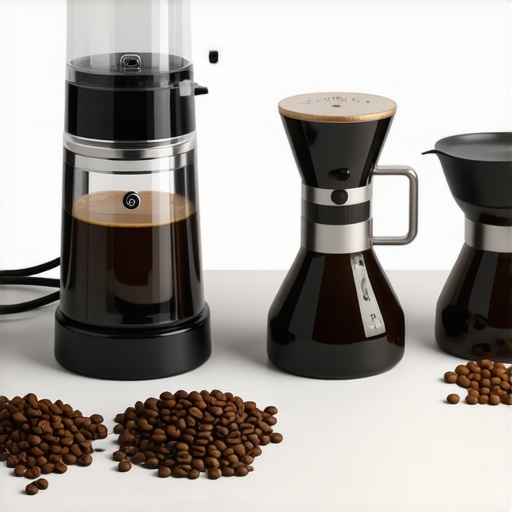
Ever had that frustrating moment when your freshly ground coffee just doesn’t taste quite right? Maybe your espresso shot is off, or your brew isn’t as flavorful as it could be. I remember countless mornings where I’d spend ages tweaking my grind, only to end up feeling more confused than satisfied. That lightbulb moment hit me hard one day—what if the issue isn’t my technique, but my grinder itself? Since then, I’ve become obsessed with finding the perfect grinder, and I want to help you avoid the mistakes I made early on.
Why Your Coffee Deserves Better Than a Cheap Grinder
Getting that barista-quality flavor at home hinges on one crucial element: your grinder. A good grinder isn’t just about convenience; it’s about consistency, flavor, and overall coffee experience. I used to think all grinders were created equal, but I learned the hard way that cheap, inconsistent models can ruin your brew. The truth is, investing in a quality single dose or burr grinder pays off big time—especially if you’re serious about your coffee.
Early on, I made the mistake of skipping research and buying what looked good on a budget. Turns out, that only led to uneven grounds, clogged burrs, and inconsistent extraction. According to a study published in the Journal of Food Science, grind uniformity significantly impacts flavor clarity and aroma. So, why settle for less when your morning ritual deserves precision?
What We’ll Cover Today
In this post, I’ll guide you through the essentials of choosing the perfect grinder—how to evaluate grind consistency, the benefits of single dose models, and what features truly matter. Whether you’re a seasoned barista or just starting your coffee journey, I’ll help you navigate the confusing world of grinders and make an informed decision. Ready to ditch the guesswork and start brewing your best cup yet? Let’s dive in!
Is the hype around burr grinders actually worth it?
Many skeptics wonder if investing in a high-end grinder really makes a difference. I’ll admit, I was once doubtful too—until I experienced the stark contrast in flavor and consistency firsthand. The mistake I made early on was choosing a blade grinder because it was cheap and quick. Spoiler: it’s a bad idea. Blade grinders chop beans unevenly, leading to inconsistent extraction and dull flavors. Trust me, once I switched to a quality burr grinder, everything changed. If you’re serious about brewing espresso or pour-over, the difference is night and day. For more insights, check out how burr grinders elevate your espresso flavor.
Pick the Right Grinder for Your Coffee Style
The first step is understanding your brewing needs. Are you making espresso, pour-over, or French press? Different methods require different grind sizes and precision. For espresso lovers aiming for that silky, uniform grind, a high-quality burr grinder is essential. I once tried a generic grinder for my espresso setup, but the uneven grounds caused inconsistent extraction, ruining my shot. Upgrading to a dedicated single dose burr grinder transformed my mornings, delivering a shot with rich crema and balanced flavor.
Fine-Tune Your Grinder Settings
Once you have your grinder, dialing in the correct settings is crucial. Start with the manufacturer’s recommended grind size for your brewing method. Then, make small adjustments—think of it as fine-tuning a musical instrument. I recommend grinding a small batch, brewing, and tasting to see how the flavor develops. For instance, when I first adjusted my grinder for espresso, I found that a slightly finer setting brought out more complexity. Remember, consistency isn’t just about setting it once; it’s about maintaining that setting over time. For detailed tips, check out how to achieve perfect grind consistency.
Measure and Dose Precisely
Inconsistent dosing leads to uneven extraction, even with a perfect grind. Using a single dose grinder allows you to measure beans accurately each time. I switched from scoops to a digital scale, which helped me control the exact amount of coffee. During one session, I accidentally used too much coffee, resulting in a bitter brew. Once I started weighing my doses, my shots became more predictable and flavorful. This step is simple but impactful—don’t skip it.
Maintain Your Grinder Regularly
Grinders need cleaning to prevent buildup that affects grind quality. I learned this the hard way when my espresso started tasting off. A quick brush of the burrs and regular cleaning with grinder-specific cleaning tablets kept my machine performing at its best. Think of your grinder as a precision tool—neglecting maintenance is like trying to cut with a dull blade. Schedule cleaning every few weeks, especially if you’re grinding daily. This practice guarantees consistent results over time. For more secrets from seasoned baristas, see mastering grind consistency.
Experiment and Record Your Results
Every coffee setup is unique, so don’t be afraid to experiment. Keep a log of your grind settings, doses, and brewing times. I once tried a slightly coarser grind for my pour-over, which unexpectedly enhanced the clarity of the coffee. Recording these tweaks helps you replicate your favorite results and avoid guesswork. Over time, you’ll understand how subtle changes influence flavor, allowing you to customize your brew like a pro. For insight into top grinder models, visit top burr grinders.
Leverage Expert Tips to Maximize Consistency
Lastly, learning from professionals accelerates your progress. Many baristas recommend grind adjustment tips that can dramatically improve your results. Whether it’s using flat burrs for more even grounds or adjusting grind fineness in small increments, these small tweaks make a big difference. Remember, consistency is the key to unlocking the full potential of your beans and brewing method. Keep refining, stay patient, and enjoy your journey to perfect coffee.
Many coffee enthusiasts fall into the trap of believing popular myths about grinders, which can hinder their pursuit of the perfect brew. One widespread misconception is that all burr grinders are created equal. In reality, the type of burr—flat versus conical—can significantly influence grind consistency and flavor extraction. Flat burrs tend to produce more uniform grounds, making them ideal for espresso, while conical burrs often generate less heat, preserving delicate aromatic compounds. Understanding these nuances can elevate your brewing game. For an in-depth comparison, explore burr vs. flat grinders.
Another common myth is that grinding finer always results in better espresso. This oversimplification ignores the importance of grind uniformity and dose precision. Finer isn’t necessarily better if your grinder can’t produce consistent grounds, leading to over-extraction or bitter flavors. Conversely, many overlook the significance of proper dosing and tamping, which are just as critical as grind size. Advanced baristas focus on precise dose measurement and tamping techniques to optimize extraction.
Are Grind Settings Truly the Key to Consistency?
Many believe that once they find the perfect grind setting, their results will be flawless. However, this is a trap. Grind settings are only as good as your ability to maintain them consistently. Small variations in ambient temperature, humidity, or even the grinder’s wear can shift your grind profile. Regular calibration and recording your settings are essential to achieve repeatable results. Experts recommend adjusting in small increments and tracking changes over time for ultimate consistency. Have you ever fallen into this trap? Let me know in the comments.
Lastly, many overlook the importance of grinder maintenance. Neglecting cleaning schedules can lead to buildup that causes uneven grounds and flavor taints. Regularly cleaning your burrs with appropriate tablets or brushes is a simple step that preserves grind quality. Think of your grinder as a precision instrument—neglect it, and your coffee suffers. For detailed maintenance tips, see mastering grind consistency.
In summary, debunking these myths allows you to focus on what truly impacts your brew: grinder type, calibration, dosing, and maintenance. By understanding these nuances, you can avoid common pitfalls and unlock the full potential of your coffee beans. Remember, continuous learning and experimentation are key to perfecting your craft. Have you ever fallen into this trap? Let me know in the comments.
Keeping your coffee grinder in top shape is crucial for maintaining grind consistency and ensuring each brew is as flavorful as the first. Over time, even the best grinders can suffer from wear and tear, which affects their performance. That’s why I recommend establishing a regular maintenance routine using specific tools designed for precision and ease. In this section, I’ll share the tools I trust and how they help me preserve my grinder’s performance day after day.
What tools are indispensable for grinder upkeep?
First and foremost, a high-quality burr cleaning brush is indispensable. I personally use a dedicated burr brush with stiff, fine bristles that can reach into every crevice of the burrs. Regular brushing removes coffee oil buildup and small grounds that can clog the mechanism, preventing uneven grind sizes. I clean my burrs after every few uses, especially when switching beans, to keep the grind uniform and flavors pure.
Next, grinder-specific cleaning tablets are a game-changer. I prefer tablets formulated to dissolve and lift away stubborn oils and residues without damaging the burrs. Periodic use—about once a month—ensures my grinder remains free of buildup, which can subtly taint flavor profiles over time. Follow the manufacturer’s instructions for best results, and always rinse thoroughly afterward.
For precision calibration, I rely on a digital caliper. This tool helps me measure burr gap adjustments with millimeter accuracy. As burrs wear, their gap can change, affecting grind size. Regularly checking and adjusting burr distance ensures consistent results, especially when preparing for different brewing methods. The calibration process is straightforward once you understand your grinder’s specifications, and it’s worth the effort for the consistency it delivers.
How do I maintain my grinder over time?
Consistent maintenance involves more than just tools—it’s about establishing a routine. I schedule a deep clean every 2-4 weeks, depending on my usage. This includes disassembling the burrs, brushing away debris, and replacing worn parts if necessary. Additionally, I keep a log of settings and adjustments, so I can quickly revert to optimal configurations if I notice inconsistency.
Investing in a quality single dose grinder makes maintenance easier, as these models often feature modular burr assemblies that are simple to clean and calibrate. Plus, they tend to produce more consistent grounds, especially when paired with proper calibration and regular cleaning routines.
Looking ahead, I believe the trend in grinder technology will lean towards smarter, self-calibrating machines that can alert you when maintenance is due. Until then, a set of precise tools and a disciplined schedule will ensure your grinder keeps delivering perfect results for years to come. For detailed maintenance tips, I recommend visiting this expert guide.
So, try incorporating a burr cleaning brush and a digital caliper into your routine today—small investments that will pay off with consistently better coffee. Remember, a well-maintained grinder is the backbone of your brewing success!
The Hardest Lesson I Learned About Coffee Grinders
Early in my coffee journey, I believed that choosing the most expensive grinder guaranteed perfect results. The hard truth was that I overlooked the importance of regular calibration and maintenance. It wasn’t until I experienced inconsistent shots that I realized even the best grinder needs tuning and care to perform optimally. This taught me that understanding your grinder’s quirks is key to achieving that elusive perfect grind.
3 Myths About Coffee Grinders That Held Me Back
One false belief was that all burr grinders are created equal. I later learned the difference between flat and conical burrs profoundly impacts grind uniformity and flavor extraction. Another myth was that finer grinding always improves espresso; in reality, grind consistency and proper dosing are more critical. Finally, I thought cleaning was optional—big mistake. Regular upkeep prevents flavor taint and ensures steady performance, a lesson I won’t forget now.
What Experts Won’t Tell You About Coffee Grinding
Many professional baristas emphasize the subtle art of calibration. Small adjustments in burr gap or grind size can dramatically change flavor. They also stress the importance of recording your settings to maintain consistency, especially when switching beans or grinders. Lastly, seasoned baristas focus on routine maintenance, like burr cleaning and calibration checks, to keep their grinders performing at peak levels. Embracing these expert secrets transformed my brewing game.
My Essential Toolkit for Coffee Grinding
I rely on a high-quality burr cleaning brush to keep my grinder free of oil buildup and grounds. A set of grinder-specific cleaning tablets helps me remove residues monthly without damaging the burrs. For precise calibration, a digital caliper allows me to measure burr gaps accurately, ensuring consistent results. These tools have become indispensable in my quest for perfect coffee.
Where to Go from Here
If you’re serious about elevating your coffee game, investing in a single dose burr grinder is a smart move. Combining it with routine calibration, regular cleaning, and meticulous dosing will vastly improve your brew quality. Remember, consistency is built on attention to detail and maintenance. For more insights, explore my recommended resources and start transforming your coffee experience today.
Your Turn to Try
Now it’s your turn—what’s the biggest challenge you face with coffee grinding? Share your experiences and questions below, and let’s elevate our brewing together!
![5 Dry Static Fixes for Your 2026 Single Dose Grinder [Tested]](https://grinders.espressotechguide.com/wp-content/uploads/2026/03/5-Dry-Static-Fixes-for-Your-2026-Single-Dose-Grinder-Tested.jpeg)