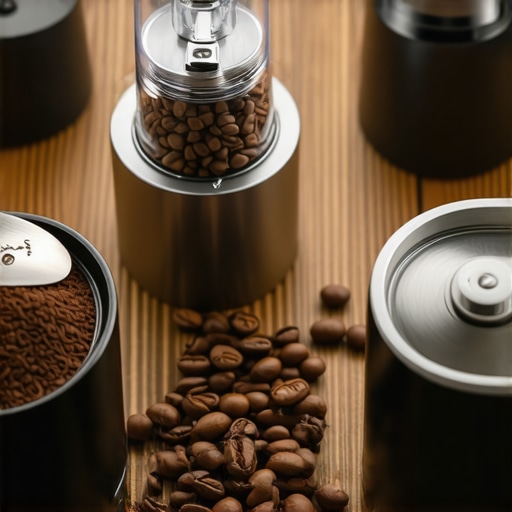
Ever had that frustrating moment when your carefully brewed espresso turns out slightly off—either too bitter or too sour—and you wonder if it’s your beans, your technique, or maybe the grinder? I remember countless mornings where I juggled different grind sizes and still couldn’t nail that elusive perfect shot. That realization hit me hard: the secret isn’t just in the coffee, but in **consistent grinding**. If you’ve ever felt the same, you’re not alone. The quest for grind consistency can feel like an endless puzzle, especially with so many grinders on the market claiming to be the best. But trust me, it’s possible to improve—whether you’re a home barista or a seasoned expert.
Why Grind Consistency Is the Heart of a Great Brew
Imagine pouring a perfectly measured shot, only to find the extraction varies wildly from day to day. That inconsistency can ruin an otherwise fantastic brew. The key is consistency—uniform grounds ensure even extraction, which results in richer flavor, balanced acidity, and better aroma. Over the years, I’ve learned that the quality of your grinder and how you dial it in makes all the difference. Surprisingly, research shows that even minor variations in grind size can dramatically alter flavor profiles—up to 50%, according to baristas and coffee experts. So, investing in the right grinder isn’t just about convenience; it’s about mastering your craft.
If you’ve been battling uneven grinds, perhaps wondering if changing your grinder will actually help, you’re in the right place. Today, I will guide you through the top tips for achieving that consistent texture and flavor. From selecting the right burr grinder to fine-tuning your settings, we’ll cover everything to take your coffee game to the next level. Are you tired of unpredictable results? Let’s dive into the basics and find out how you can finally control that grind.
Is All the Hype Around Espresso Grinders Really Worth It?
When I first started, I made the mistake of thinking that any grinder would do as long as it was solar-powered or looked fancy. Boy, was I wrong. I spent months chasing perfectly uniform grounds and still facing issues. The truth is, not all grinders are created equal—especially when aiming for that elusive grind consistency essential for top-tier espresso. Investing in a quality burr grinder transformed my brewing routine, and I’ll share how selecting the right equipment makes all the difference. Curious about what separates a good grinder from a great one? You might want to check out this guide for a detailed comparison.
So, if inconsistent grind size has been your nemesis, stick with me. We’ll explore practical tips and share insights to help you brew with confidence, every single time. Because achieving grind consistency isn’t magic; it’s a well-informed choice—and a few simple adjustments.
,
Choose Your Grinder Wisely
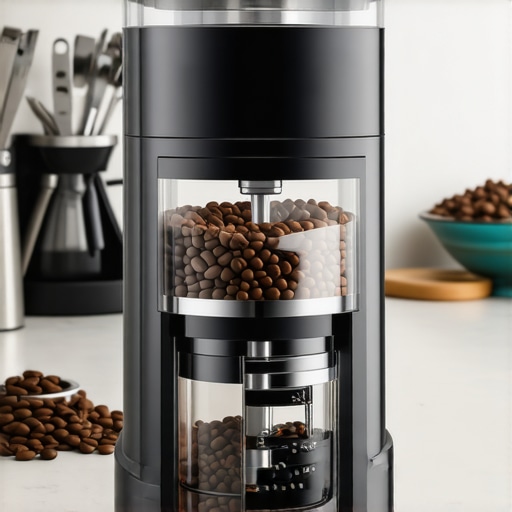
Start with a quality burr grinder, preferably a single-dose model. I once tried using a cheap blade grinder, and my results were inconsistent despite all other adjustments. The burr grinder’s ability to produce uniform grounds is critical and often overlooked. For precision, consider models highlighted in this guide. The robust motor and sharp burrs ensure even particle size, which is the foundation of consistent extraction.
Set Your Grind Size Accurately
Use your grinder’s precise dial or step adjustments to dial in the perfect grind size for espresso. I remember the first time I adjusted by eyeballing, which led to inconsistent shots. Now, I carefully note the setting when I find the optimal grind—usually somewhere between 9 and 11 on my scale. Always make small tweaks and give the grinder a few pulses to verify the result. For detailed insights, see top burr grinders that facilitate precise adjustments.
Utilize Single-Dose Grinding Technique
Opt for single-dose grinding to prevent residual coffee from affecting your next brew. I switched to a single-dose setup last year after noticing flavor variations with my hopper grinder. Measure a fresh amount each time using a scale, then grind directly into your portafilter. This approach guarantees only fresh, consistent grounds, minimizing variables. Details about this technique are available in this comprehensive guide.
Calibrate Regularly for Precision
Calibration isn’t a one-time task; check it weekly or after any significant change. I once ignored calibration and suffered from uneven extraction until I recalibrated my grinder’s burrs using a calibration tool. This process involves running a calibration protocol outlined in your grinder’s manual. Consistent calibration ensures uniform particle size, directly impacting flavor consistency. Learn more about maintaining your grinder at this resource.
Pay Attention to Grind Uniformity
Experiment with your grinder’s settings until all grounds look evenly textured. During my second attempt, I noticed some grounds were coarser, some finer—discarded the batch. Using a magnifying glass or a good look at the grounds helps identify variability. If your grinder produces inconsistent particle sizes, cleaning the burrs or replacing worn parts may be necessary. For troubleshooting tips, visit this guide.
Adjust Dose and Tamping Your Coffee
Even with perfect grounds, over or under-dosing can affect extraction. Use a precision scale to weigh each dose, aiming for consistent weight—usually 18-20 grams for espresso. Tamping pressure also influences grind effectiveness; apply firm, even pressure to ensure compact, uniform coffee bed. I learned this the hard way after shot variations due to inconsistent tamping. Practice and consistency are key, as detailed in this article.
Maintain Equipment Daily
Clogged or worn burrs lead to uneven grounds. Dedicate time each day to cleaning your grinder with a brush and running a cleaning cycle if available. I do this after every few shots, which keeps particles uniform. Regular maintenance prevents build-up, ensuring grind consistency over time. For step-by-step instructions, see this detailed guide.
Many enthusiasts believe that investing in a high-end grinder guarantees perfect extraction, but in my experience, the true challenge lies in mastering the nuances of grind control. A prevalent myth is that more expensive burr grinders automatically deliver consistent results without regular calibration. However, even premium machines can drift out of precision if not properly maintained or tuned. Relying solely on the grinder’s quality without understanding the importance of proper adjustment can lead to subpar shots, regardless of equipment. For advanced brewers, recognizing these nuances is crucial—it’s not just about hardware but about consistent technique and calibration. According to studies from coffee experts, minor deviations in grind size can cause flavor shifts exceeding 50%, making attention to detail non-negotiable. Mastering grind consistency requires a strategic approach, not just gear.
What are the pitfalls in assuming grind uniformity is purely mechanical?
One common mistake among even seasoned baristas is neglecting the advanced adjustment techniques that fine-tune the grinder for specific beans and extraction profiles. Many folks set their grinder once and assume it remains optimal, but factors like bean roast level, humidity, and even residual coffee can influence grind particle size over time. Ignoring ongoing calibration can cause inconsistent extraction, leading to bitter or under-extracted flavors. For serious espresso lovers, implementing a routine calibration protocol—such as running a calibration test with a scale—is a game-changer. Remember, achieving and maintaining grind consistency is as much about these details as it is about selecting a quality single-dose grinder. Always stay attentive to minor adjustments to avoid the all-too-common ‘oops’ moment where your shot drags on or gushes out.
Furthermore, many underestimate how critical single-dose techniques are to consistency. Discarding residual grounds and dosing fresh beans each time reduces variability dramatically. But the biggest trap is believing that grind size alone dictates flavor; in reality, factors like tamping pressure, dose weight, and brew temperature interact complexly, making this a multifaceted puzzle. Being aware of these nuances can elevate your espresso game significantly—it’s not just about hardware but mastery over the process.
For those ready to go deeper, exploring detailed guides on enhancing grind precision can reveal hidden opportunities to refine your setup and consistently produce high-quality espresso. Have you ever fallen into this trap? Let me know in the comments.
To maintain your espresso grinder effectively over time, establishing a routine of regular cleaning and calibration is crucial. Invest in a high-quality cleaning brush and a dedicated grinder cleaner to remove coffee residuals that can clog burrs and affect grind size. I personally use a manufacturer-recommended cleaning cycle every 100 grams of coffee or weekly, depending on usage, to ensure uniform particle size. Calibration should become part of your weekly ritual; use a precision scale and follow the guidelines provided in this resource to fine-tune your settings and avoid drift, especially when switching beans or humidity levels fluctuate. Keeping your burrs sharp and well-aligned is another key factor—worn burrs can produce inconsistent grounds, undermining your efforts at grind consistency. If you notice uneven grounds or shot inconsistency despite regular maintenance, it may be time to replace your burrs. Looking ahead, advancements in grinder technology, such as smarter calibration software and self-cleaning burr systems, promise to make maintenance even easier in the future, helping baristas and enthusiasts alike achieve perfect consistency with less fuss. How do I maintain my grinder over time? I follow a structured cleaning and calibration schedule, often with the help of tools like a burr gauge and calibration software, to keep everything running smoothly. Don’t forget to test your settings after maintenance—small adjustments can make a big difference in extraction quality. I highly recommend trying a weekly calibration using a scale and a uniform batch of beans; it’s a game-changer for consistent flavor. Regular maintenance isn’t just about prolonging equipment life but ensuring every shot is as good as the first.
Throughout my journey with espresso brewing, one lesson stands out above all: consistent grinding is the secret sauce that elevates a good cup to an exceptional one. The most talented baristas and coffee enthusiasts understand that refining your grind technique and maintenance routine can dramatically transform your results. Remember, even the highest quality beans won’t shine if your grind isn’t uniform—it’s the foundation of flavor extraction. So, embrace precision, routine calibration, and continuous learning to turn your home setup into a professional-grade station.
The Hidden Truths Behind Grind Fluctuations
One of my biggest lightbulb moments was realizing that subtle shifts in grind size, timing, and machine calibration can cause your espresso to taste drastically different. These variations aren’t always obvious but have a profound impact on flavor balance. If you’re tired of inconsistent shots, investing time in understanding your grinder’s mechanics and staying vigilant with regular maintenance can save you countless mornings of frustration. True mastery comes when you anticipate and control these variables, rather than reactively troubleshooting after each shot.
Elevate Your Coffee Game with Smarter Techniques
Using single-dose grinding, for example, eliminates the unpredictability caused by residual coffee in hopper systems. This technique, combined with precise dose measurement and tamping consistency, ensures each shot starts on a level playing field. Additionally, calibrating your grinder routinely and paying close attention to even small particle size differences can unlock a new level of flavor clarity. If you’re wondering what tools or guides can streamline this process, I highly recommend exploring this comprehensive resource.
Sharing My Definitive Tips for Consistent Extraction
Never underestimate the power of regular cleaning and burr replacement. Dull or misaligned burrs are silent flavor killers that subtly sabotage your efforts. I make it a point to clean my grinder after every few batches and check calibration weekly—these small habits preserve grind uniformity over time. It’s also worth experimenting with different grind settings based on bean roast level, humidity, and even altitude. Remember, adaptability combined with consistent routines is what will set your espresso apart from the crowd. You’ll find that maintaining your equipment becomes a rewarding ritual that continually refines your craft.
The Inside Scoop: What I Wish I Knew About Grind Control
- Beyond hardware quality, mastering manual adjustments for bean type and ambient conditions is crucial. Many enthusiasts rely solely on preset settings, but real champions tweak their grind size regularly, based on taste and shot development. This proactive approach is often overlooked but can dramatically improve flavor and consistency over time.
- Consistency isn’t just about grind size; dosing precision and tamping pressure play pivotal roles. Using a scale to measure your dose and applying uniform tamp pressure ensures a stable extraction environment, making adjustments more predictable and results more reliable.
- Don’t forget the importance of calibration routines. Running calibration tests weekly, especially after changing bean batches or environmental conditions, helps you stay in control. Tools like calibration rings or scale-based tests are game-changers for maintaining uniform particle distribution.
- Finally, embrace the learning curve—your grinder’s needs may evolve, and staying attentive to subtle changes will empower you to make informed tweaks rather than guesswork. Over time, this habit transforms grind consistency from a challenge into second nature.
Achieving perfect grind consistency is less about luck and more about understanding the subtle science behind your equipment and routine. By integrating these personal insights and practical habits, you’ll notice a transformation in your espresso quality—from unpredictable mornings to consistently exceptional cups. Remember, the journey is ongoing, and every tweak brings you closer to that perfect shot.
Perfect Your Espresso Routine Today and Reap the Rewards
Now that you’re equipped with behind-the-scenes knowledge and tested strategies, it’s your turn to elevate your coffee game. The key lies in persistent refinement, patience, and a passion for the craft. Whether you’re optimizing your single-dose grinder or fine-tuning your tamping technique, every small step counts in the pursuit of that unparalleled flavor profile. Don’t shy away from experimenting and learning from each pull—your future self will thank you for the pursuit of grind perfection.
What has been your biggest challenge in achieving grind consistency? Share your experiences and tips below—let’s build a community rooted in better brews and shared knowledge!
,
![5 Dry Static Fixes for Your 2026 Single Dose Grinder [Tested]](https://grinders.espressotechguide.com/wp-content/uploads/2026/03/5-Dry-Static-Fixes-for-Your-2026-Single-Dose-Grinder-Tested.jpeg)