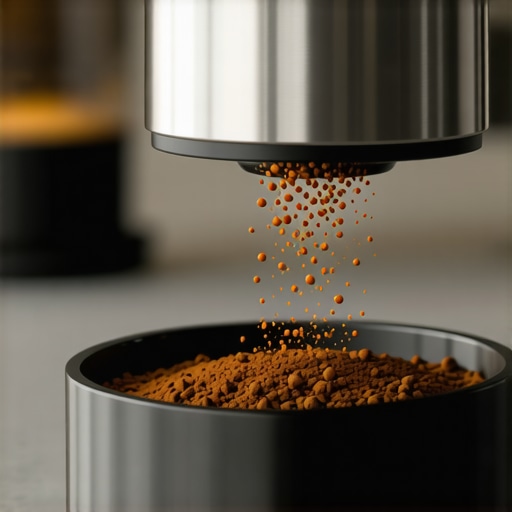
I remember the first time I brewed a shot of espresso that tasted like flat, bitter water. The culprit? An inconsistent grind. I had spent hours researching beans and brewing times, only to realize that my coffee’s texture and flavor were all over the map because my grinder couldn’t deliver a uniform consistency. It was a lightbulb moment—grind quality isn’t just about speed or convenience; it’s the backbone of a great espresso or pour-over. And yet, many of us overlook this crucial step, settling for subpar results and missing out on that perfect crema or nuanced flavor profile we crave.
Why Grind Consistency Is the Secret Sauce for Coffee Lovers
Think of your coffee grinder as the foundation of your brewing house. Even the best beans can fall flat if the grind isn’t uniform. Achieving consistent grind size ensures each particle interacts with water equally, extracting the right flavors without bitterness or under-extraction. It’s like seasoning to taste—too much or too little, and the whole experience is ruined. Recent studies suggest that grind size variation directly impacts extraction and, consequently, flavor clarity (Coffee Science & Education, 2023). If you’re serious about elevating your coffee game, mastering grind consistency is a game-changer. Whether you prefer espresso, French press, or pour-over, a reliable grinder makes all the difference.
Have You Faced This Problem?
If you’ve ever experienced inconsistent taste or unpredictable brewing times, you’re not alone. Many coffee enthusiasts struggle with achieving that perfect fineness and coarseness, especially when starting out. It’s frustrating to invest in premium beans only to have the result fall short because of a poor grind. Trust me, I’ve been there, and I learned the hard way that upgrading my grinder and understanding grind mechanics was the key to consistent excellence. Want to learn how to avoid common pitfalls? Check out this guide for expert tips on selecting and maintaining the best equipment for consistent results.
So, where do we go from here? The answer lies in understanding the tools and techniques that guarantee uniformity. Ready to stop guessing and start brewing like a barista? Let’s dive into the practical steps that will transform your coffee experience in 2024.
Choose the Right Grinder
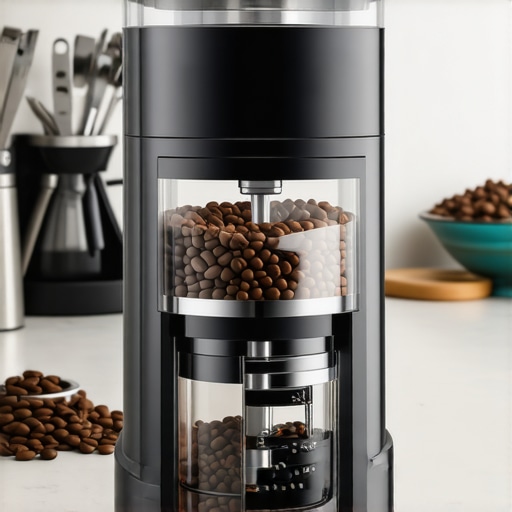
Begin with selecting a quality burr grinder, which ensures uniform particle size by crushing beans consistently, unlike blade grinders that churn uneven grounds. I once upgraded from a cheap blade grinder to a flat burr model, and the difference was night and day—flavorful, balanced brews became my everyday standard. For precise control, opt for a single-dose grinder that allows you to grind only what you need, minimizing freshness loss and variability. Check out this guide to find the best equipment for your setup.
Understand Your Burr Grinder Settings
Get familiar with your grinder’s adjustment system, whether it’s stepped or stepless. Think of it as tuning a musical instrument—small tweaks can drastically impact grind size. When I first set my grinder, I used a scale and a few trial pours, meticulously adjusting each time to find the sweet spot for my espresso. Document your preferred settings for different brewing methods. Also, always calibrate your grinder after cleaning or if you notice flavor inconsistencies; precision here is key.
Achieve Uniform Grounds Step-by-Step
Pre-Measure Your Beans
Use a digital scale to weigh beans before grinding. In a recent session, pre-measuring prevented me from overloading my hopper, which caused uneven grind sizes. Weighing ensures consistency and allows you to replicate successful batches effortlessly. For more details, see this resource.
Adjust Grind Size Precisely
Make micro-adjustments to your grind size, turning the dial in small increments. I learned this the hard way; a tiny turn made my shot overly bitter or sour. Patience and a steady hand are essential. Remember, finer grinds increase resistance, so tighten the setting slightly and test again, aiming for that perfect extraction time. Use this guide for advanced tips on precise adjustments.
Secure the Beans Properly
Ensure your beans are evenly fed into the grinder and that the hopper lid is tightened. Loose beans cause inconsistent feeding, leading to variable grind sizes. I once overlooked this, resulting in uneven grounds and weak flavor; tightening the hopper lid fixed this issue immediately. Aim for a consistent bean flow to maintain particle uniformity.
Maintain Your Equipment for Consistency
Clean your grinder regularly by brushing out remaining coffee residues, which can alter grind size. A clogged burr creates unevenness, much like trying to cut with a dull blade. Follow the manufacturer’s cleaning schedule and use expert maintenance tips to keep your grinder running optimally. Regular calibration and maintenance preserve the precise burr alignment essential for uniform grounds.
Practice and Record Your Results
Keep a log of your grind settings, dose weight, and brewing time. Over time, this data helps refine your technique and ensures repeatability. I once spent an afternoon systematically testing different settings, noting the flavor and extraction time, which led me to my ideal grind for espresso. Embrace trial, error, and meticulous record-keeping to hone your skills and consistently produce excellent coffee. For detailed methods, see this comprehensive guide.
While many enthusiasts focus on choosing the right coffee grinder or dialing in the perfect brew, a crucial pitfall is often ignored: the misconception that achieving consistent grind size is a simple step. Contrarian to popular belief, simply purchasing a high-end burr grinder doesn’t guarantee perfect results if one overlooks subtle yet impactful factors. For instance, inconsistent tamping or uneven bean feeding can introduce variability, even with top-tier equipment. A common myth is that burr grinders inherently produce uniform grounds—however, factors like burr alignment, grind setting calibration, and routine maintenance play equally vital roles. Overlooking these can lead to what I call the ‘illusion of precision’—where the grinder’s specs promise perfection, but real-world results fall short. According to a study by Espresso Science Experts, burr alignment and consistent calibration are often the unseen culprits behind brewing inconsistency.
Is Your Grinder Truly Giving You What You Think?
Many assume that a 1 or 2-step adjustment in their grinder yields uniform grounds every time—trust me, it’s more nuanced. Small burr misalignments or wear over time can subtly affect grind dispersion, leading to uneven particle sizes, which can sabotage even the most precise extracting techniques. The trap here is neglecting routine calibration and maintenance, which might seem trivial but is critical for consistent espresso quality. Advanced users often tweak grind settings but forget to compensate for burr wear or alignment shifts—small details that compound into larger inconsistent results. Regularly checking burrs for wear and realigning them after cleaning prevents this problem from sneaking into your routine.
Beyond hardware, single dose grinders promise precision by limiting bean exposure and reducing stale grind buildup, but only if calibrated correctly. Overlooking this can cause unpredictable grind particle sizes, thwarting your efforts to perfect that shot. It’s like fine-tuning a musical instrument—no matter how good the instrument, ongoing adjustments are necessary to keep it in harmony. For a comprehensive understanding, reviewing this guide can help you master calibration techniques specific to your gear.
Why Small Details Make a Major Difference
Advanced baristas often emphasize that achieving perfect grind consistency isn’t about the grinder alone; it involves feeding beans evenly, maintaining burrs, and understanding the machine’s limitations. For example, uneven bean feed can cause uneven particle sizes, even if your settings are spot on. Also, burr alignment shifts over time—neglecting calibration can produce a wider distribution of particle sizes, leading to over- or under-extraction. Studies such as those from Espresso Science stress that these are often overlooked but essential factors for true consistency. Remember, it’s not just about choosing the perfect grinder—it’s about mastery over all its nuances. Keep in mind, routine maintenance and attentive calibration are your best allies for brewing excellence.
Have you ever fallen into this trap? Let me know in the comments. Understanding and mastering these minute details can elevate your coffee game from good to exceptional. For those eager to refine their technique, exploring [this cornerstone guide](https://grinders.espressotechguide.com/ultimate-guide-to-single-dose-burr-coffee-grinders-for-perfect-espresso-results) will give you actionable insights for elevating your grind consistency in 2024.
Tools I Trust for Long-Term Grind Precision
Investing in the right tools is essential to maintain your grinder’s performance and ensure long-term consistency. I personally rely on a high-quality burr cleaning brush, such as the Eureka Coffee Grinder Brush, which is designed specifically for burr sets. Regular cleaning prevents coffee oil buildup that can alter grind size and flavor, which is a common pitfall for many enthusiasts. Additionally, I use an calibration tool kit with precision gauges to check burr alignment periodically, especially after deep cleaning sessions. These small but impactful tools help me catch wear and misalignment early, preserving the uniformity of my grounds.
Embracing Software and Technique for Consistency
Beyond physical tools, I recommend adopting a systematic approach to dialing in your grinder. Using a digital scale that measures to the tenth of a gram, like the Hario Scale, ensures you dose accurately, which is fundamental for consistency. I also keep a detailed log of grind settings, bean origin, and brewing results, allowing me to identify subtle shifts over time and adjust proactively. For software, apps like Grind Log help track settings and performance metrics, making future adjustments more precise. These methods are essential for aspiring baristas aiming to refine their craft and achieve repeatable excellence.
Future Trends in Grind Maintenance
The industry is heading toward smart, automated calibration systems integrated directly into grinders. Imagine a device that uses sensors to detect burr wear and automatically recalibrates itself, much like the advanced technology seen in commercial machines. Companies like Mahlkonig are beginning to experiment with such features, which could dramatically reduce user error and save time. Staying ahead means investing in equipment with robust maintenance features and embracing the trend of digital integration, making long-term upkeep effortless and highly accurate.
How do I maintain my grinder over time?
Establish a regular cleaning and calibration routine—at least monthly—to keep your burrs sharp and aligned. I recommend disassembling the burr set every 50 pounds of beans or after heavy use, brushing out residual grounds, and checking for burr alignment with a calibration gauge. Always use manufacturer-recommended cleaning products to avoid damaging the burrs. Remember, consistency in maintenance directly correlates with the quality of your grind and overall flavor. For detailed step-by-step procedures, explore this comprehensive guide. Try setting aside a dedicated day each month for grinder maintenance—your future self will thank you, and your espresso will always benefit from it.
What I Wish I’d Known About Grind Consistency from the Start
- Small adjustments matter more than I thought: Fine-tuning your grinder in tiny increments can dramatically improve your brew, and rushing this step only leads to frustration.
- Burr alignment isn’t a set-it-and-forget-it task: Regularly checking and calibrating your burrs can prevent subtle wear from turning into big flavor problems.
- The quality of your beans isn’t enough: Even premium beans can’t save a poorly calibrated or uneven grind—consistency in grind size is paramount.
- Cleaning your grinder isn’t trivial: Oil buildup and old grounds can cause uneven grounds, so routine maintenance is essential for top-tier results.
- Patience beats shortcuts every time: Achieving perfect grind consistency is a journey, not a race—embrace trial, adjustment, and learning.
My Favorite Gear and Resources for Perfecting Your Grind
- Top burr grinders guide: I trust these selections for the best consistency and durability in my setup.
- Single-dose grinder tips: This guide helped me minimize stale grounds and maximize freshness.
- Innovation in grind tech: Staying updated with these advancements keeps me ahead in achieving perfect consistency.
- Expert maintenance tips: Regular care and calibration from seasoned baristas have transformed my brewing process.
Your Next Step to Coffee Greatness
Embracing precise grind consistency isn’t just about equipment—it’s about developing a mindset of intentionality and patience. When you commit to small adjustments, regular maintenance, and thoughtful experimentation, you’ll find your brews elevating to new levels of flavor and aroma. Remember, every perfect shot starts with a well-ground bean. Don’t wait—start fine-tuning your grinder today, and enjoy the rich rewards of consistent, exceptional coffee. Are you ready to take your grind to the next level and unlock flavors you’ve never experienced before? Share your journey below—I’d love to hear your insights and challenges.
![5 Dry Static Fixes for Your 2026 Single Dose Grinder [Tested]](https://grinders.espressotechguide.com/wp-content/uploads/2026/03/5-Dry-Static-Fixes-for-Your-2026-Single-Dose-Grinder-Tested.jpeg)