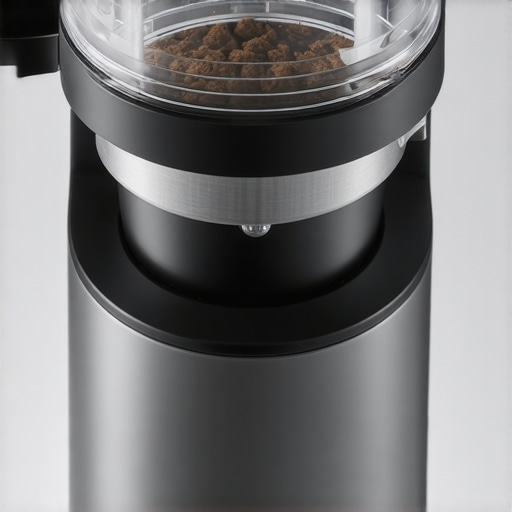
I’ll never forget the first time I spilled a mountain of coffee grounds all over my kitchen countertop. It was a typical morning, trying to grind fresh beans for the perfect espresso, but something felt off. The grind was inconsistent, and my shot lacked that rich crema I’d been chasing. Frustration bubbled up as I realized that my haphazard approach to grinding was holding me back from achieving barista-quality results.
Breaking Free from the Hopper: The Lightbulb Moment
That messy spill became a turning point. I started digging into the world of grinder tech, tutorials, and real-world tests. The revelation? Forget the hopper. Switching to a single dose grinder changed everything—better grind consistency, less waste, and surprisingly, a noticeable boost in flavor. It was like switching from a blurry photo to a crisp, vibrant one. This personal experience made me wonder: Why do so many coffee enthusiasts overlook this game-changing approach?
In today’s post, I’m going to share exactly how single dosing can elevate your coffee game in 2026, based on my journey and hard-won insights. Ready to ditch inconsistent grounds and unlock that elusive perfect cup? Let’s dive in!
Is Investing in a Single Dose Grinder Actually Worth the Hype?
Early on, I made the mistake of thinking that all grinders were created equal. I spent a fortune on a fancy espresso grinder without considering the importance of grind accuracy or dose management. The truth is, not all grinders are optimized for single dosing, and choosing the right one matters. If you’re serious about your brew, learning about the best single dose grinders can make a huge difference. It’s an investment that pays off in better flavor clarity and consistency, as highlighted by industry experts like James Hoffman, who emphasize precision in grind size and dosing for optimal extraction.
So, before you dismiss the idea, ask yourself: Have you ever faced uneven extraction, wasted grounds, or inconsistent flavor? If yes, then this approach might just be what you need to transform your morning ritual.
Next, let’s explore how single dosing actually helps tackle these issues head-on, and what steps you can take to integrate it into your routine seamlessly.
Choose the Right Grinder for Precision
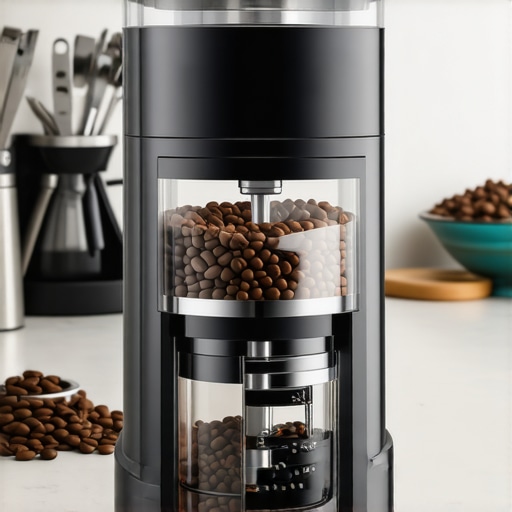
Start with selecting a grinder specifically designed for single dosing, such as a flat burr grinder with micrometric adjustment capabilities. I once purchased an inexpensive conical grinder, expecting good results, but I ended up wasting beans and frustration. After reading this guide, I invested in a precision burr grinder, and the difference in grind consistency was staggering. Focus on grinders that allow precise, repeatable settings; this will be your foundation to uniform grounds.
Calibrate Your Grinder Accurately
Calibration is crucial. Use a digital scale and set your grind in small, incremental steps. For example, set your grinder to a baseline, then fetch a sample and weigh the grounds. Adjust until you consistently hit your target dose, usually around 8-18 grams for espresso. I once miscalibrated, resulting in uneven flows, but after following these calibration tips, I achieved a uniform dose every time, enhancing flavor extraction.
Master the Dosing Technique
Instead of scooping or eyeballing, use a digital scale for each dose. Hold the portafilter steady, and when dosing, aim for a gentle, even dispersion of grounds. I remember an early morning where I misdosed, leading to an over-packed puck, and under-extraction resulted. When I started weighing each dose, consistency improved, and I noticed clearer, richer espresso shots. Practice this step until it feels natural—precision in dosing is the key to grind consistency and flavor clarity.
Reduce Static and Waste with Proper Handling
Static buildup can cause grounds to stick to the grinder or scatter. To minimize this, I found that lightly dampening a cloth with water and wiping the grinder’s chute prevents static buildup. Moreover, clear my workspace of dust and stray grounds. This ensures only the intended dose is used each time, maintaining uniformity. Incorporate a gentle tamping method if you distribute grounds unevenly. These small habits significantly boost the consistency of your grind and extraction.
Refine Your Routine with Consistency Checks
Set aside a few minutes after each session to weigh your next dose, checking against your target. If there’s deviation, tweak your grinder’s settings or calibration. I used to rely on intuition, but after adopting a data-driven approach inspired by barista secrets, my results became remarkably stable. Over time, this discipline helps you identify and eliminate variables that compromise grind uniformity, leading to a more consistent and flavorful brew.
Maintain Your Equipment Regularly
Consistent grind quality depends heavily on grinder maintenance. I make it a point to clean my burrs with a brush every week, removing accumulated grounds and oils. Proper lubrication and replacement of worn parts ensure the grinder performs at peak precision. Follow manufacturer instructions or consult professional support if needed. Regular maintenance prevents burr misalignment and static issues, directly improving your ability to maintain perfect grind consistency over time.
Many coffee lovers assume that investing in an expensive burr grinder automatically guarantees perfect grind consistency. While gear quality is crucial, there’s a common misconception that higher price tags compensate for technique or understanding of grinder nuances. This myth can lead users to overlook critical adjustments and maintenance practices, which ultimately determine the quality of their brew.
Another widespread mistake is relying solely on grind setting numbers without thorough calibration. Even the best grinder can underperform if not properly calibrated for your specific beans and brewing method. Small variations in grind size or dose can drastically alter extraction, leading to flat or over-extracted shots. Regular calibration and mindful adjustments are essential, as emphasized by industry experts on grind mastery.
Contrary to popular belief, static buildup isn’t just a minor annoyance; it can be a significant hurdle to consistent dosing. Static causes grounds to cling to the grinder or scatter, disrupting uniformity. Lightly dampening a cloth to wipe the chute or using anti-static tools can prevent this issue, ensuring each shot starts with the same foundation.
One advanced trap that even seasoned baristas can fall into is neglecting grinder maintenance. Worn burrs or misaligned components gradually degrade grind quality. Many assume their grinder is ‘still fine’ after minor use, but regular cleaning and timely replacement of parts can preserve precision. Continuing to operate unmaintained equipment can lead to inconsistent particle sizes, affecting extraction and flavor clarity. For in-depth maintenance tips, check this support page.
Can Grind Size Alone Guarantee Espresso Excellence?
Focusing exclusively on grind size overlooks other influential factors like dose weight, tamping pressure, and water temperature. Even with perfectly uniform grounds, neglecting these variables can sabotage your espresso quality. The connection between grinder precision and overall brewing discipline is well documented; according to this comprehensive guide, a holistic approach yields the best results.
Remember, achieving consistency isn’t about the gear alone—it’s about mastering the full process, from setting calibration to routine maintenance. Be skeptical of claims that suggest a single upgrade will resolve every inconsistency. Instead, focus on nuanced understanding and disciplined practices that mature your barista skills over time.
Have you ever fallen into this trap? Let me know in the comments and share your experiences so we can all learn to refine our coffee game!
Keep Your Grinder in Prime Condition for Long-Term Success
Investing in a high-quality burr grinder is just the beginning; regular maintenance ensures it continues to perform at peak precision. I personally follow a weekly cleaning routine, using a soft brush to remove coffee oils and residue from the burrs, which prevents buildup that can compromise grind uniformity. For deeper cleaning, I use specialized grinder cleaning tablets, like Urnex Grindz, which effectively remove oils without disassembling the machine. This practice not only prolongs the lifespan of your equipment but also maintains consistent grind size—crucial for extracting optimal flavor in espresso. Referencing industry recommendations, such as those outlined in this support page, can help you establish an effective maintenance schedule tailored to your grinder.
Tools I Recommend for Precision and Ease
To achieve and sustain grind consistency, I rely on a digital scale, like the Hario Drip Scale. Its precise measurements allow me to dose accurately every time, reducing variability caused by inconsistent grounds. Additionally, I use a dose cup with a built-in funnel, which simplifies transferring grounds into the portafilter and minimizes static-induced scatter—an issue static build-up can exacerbate, especially with single dose grinders this detailed guide discusses static management techniques.
Future of Grind Consistency and Tool Innovation
Looking ahead, I predict smarter grinders with integrated sensors for real-time calibration and maintenance alerts will become the norm. Advances in electronics and AI could enable grinders to automatically adjust grind settings based on bean moisture content or ambient humidity, further refining consistency. To stay ahead, adopting tools that incorporate such features now could provide a competitive edge and improve your espresso’s quality over time.
How do I maintain grind quality over time?
Consistent maintenance and using appropriate tools are vital. Regular cleaning prevents static and residue buildup, while precision scales and static mitigation tools keep dosing accurate and grounds uniform. Incorporating routine calibration using digital scales and following manufacturer support advice ensures the grinder maintains its optimal performance. For an especially effective tip, try lightly dampening the chute to reduce static, a simple step that can dramatically improve your grind uniformity and extraction quality. Want to elevate your routine further? Incorporate sensor-equipped grinders as the next step into your workflow, staying ahead of technology trends and ensuring your espresso remains top-notch.
What I Wish I Knew Before Falling for Budget Grinders
Investing in an affordable grinder might seem tempting, but I learned the hard way that quality grind consistency is worth every extra dollar. Skimping on equipment led to wasted beans and inconsistent shots, robbing me of that rich espresso flavor. Now, I focus on selecting grinders that prioritize micrometric adjustments and durable burrs, knowing they’ll serve me well over time—learn more about this essential guide.
Why Calibration Became My Secret Weapon
The biggest breakthrough was mastering grinder calibration. Initially, I relied on trial and error, but precise measurements transformed my brews. Using a digital scale to weigh each dose refined my consistency and uncovered subtle adjustments that elevated flavor clarity—see how calibration techniques.
Static and Waste: Small Habits, Big Impact
Static buildup was sneaky, causing grounds to scatter and compromising dose accuracy. I found that lightly dampening a cloth and wiping the chute dramatically reduced static issues, ensuring each dose was clean and uniform. These minor tweaks made a noticeable difference in flavor extraction, and you can read more about static mitigation at this comprehensive resource.
Beyond the Gear: Embracing a Discipline for Consistency
Focus on routine and discipline transformed my espresso game. Establishing a schedule for weekly cleaning and regular calibration kept my grinder performing optimally. Tracking dose weights and adjusting as needed ensured stable extraction times and flavor profiles—discover more in this deep dive into grind mastery.
Looking Ahead: How Technology Will Elevate Your Coffee Practice
The future holds smart grinders with sensors that adjust settings in real-time, making consistency even more effortless. Staying informed about these innovations and integrating them into your routine will ensure your espresso remains top-notch. Keep an eye on latest advancements to stay ahead in your coffee journey.
Your Turn to Elevate the Brew
Remember, achieving perfect grind consistency is a blend of right tools, disciplined habits, and continuous learning. Embrace the process, and you’ll find yourself brewing exceptional espresso with confidence. Now, I’d love to hear: Have you ever struggled with calibration or static issues? Share your experiences below and let’s grow together on this coffee adventure.
,
![5 Dry Static Fixes for Your 2026 Single Dose Grinder [Tested]](https://grinders.espressotechguide.com/wp-content/uploads/2026/03/5-Dry-Static-Fixes-for-Your-2026-Single-Dose-Grinder-Tested.jpeg)
One response to “Forget the Hopper: 5 Reasons to Single Dose Your Grinder in 2026”
Reading this really resonated with my own journey into precision coffee brewing. I used to rely heavily on grind settings alone, but I quickly learned that calibration is everything. The tip about weighing each dose with a digital scale improved my consistency dramatically. What really caught my attention was the static issue—it’s such a sneaky problem that can ruin your precise dosing, especially with single doses. I’ve found that lightly dampening a cloth to wipe the chute works wonders, and now I always keep one handy. I wonder, what are some other tricks that experienced baristas use to minimize static without adding extra steps to their routine? I’d love to hear more about innovative static mitigation techniques or tools that can help streamline this process. Overall, this post opened my eyes to how small habits—like calibration, maintaining equipment, and static control—can make a huge difference in extracting the best flavor from my beans. Thanks for sharing such detailed insights!