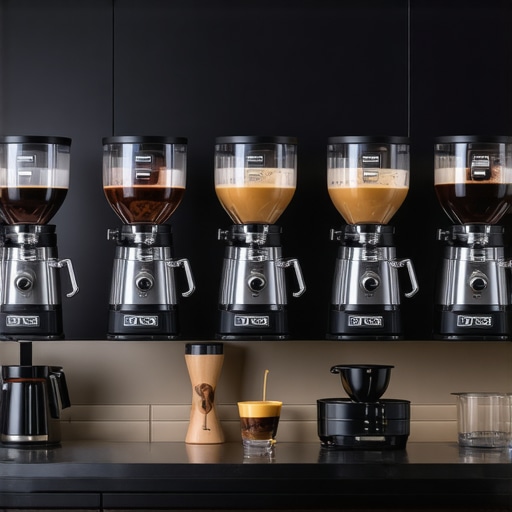
It was a typical morning, and I was pulling that dreaded shot — the one where your grinder suddenly chokes on static, clogs up, or worse, produces a muddy, inconsistent grind. Maybe you’ve been there? That frustrating moment when your perfectly timed routine gets derailed because of a tiny tweak or mishap with your single dose grinder. You know the grind is everything in espresso, yet nailing the consistency feels almost like catching lightning in a bottle.
For years, I fought with static cling, retention issues, and uneven grounds that seemed to sabotage my best efforts. I thought I was doing everything right — precise dosing, proper tamping, maintaining my burrs — but somehow, something was always off. Then I realized, it wasn’t just about the technique; it was about optimizing my workflow with the tools of 2026. That lightbulb moment led me to develop a set of hacks that dramatically cut down prep time while sharpening my grind quality.
Today, I want to share those secrets with you. Whether you’re battling static, slow grind times, or inconsistent espresso, these tips will help streamline your process and elevate your coffee game. No magic pills — just realistic, proven strategies based on firsthand experience and modern gear improvements.
Embrace the Single Dose Advantage: No Hoppers, No Hassle
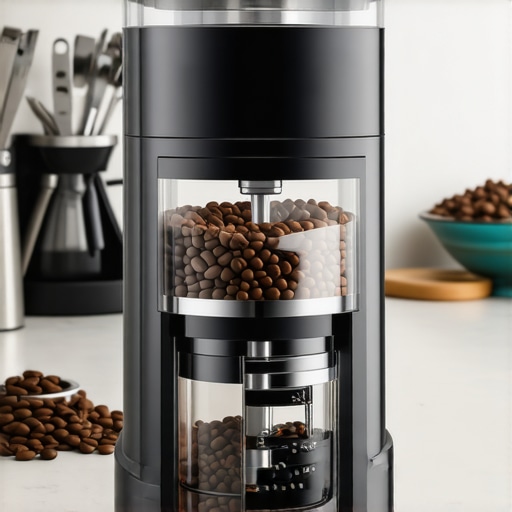
Switching to a dedicated single dose grinder can be transformative. Unlike traditional models with hoppers that trap old coffee particles, single dose grinders tend to have less retention and static issues — if set up properly. But many owners still struggle with that initial static shock or grounds bouncing everywhere. The key is in your workflow — using precise dosing and a streamlined setup can save loads of time and mess.
If static or retention has been a thorn in your side, I suggest exploring adjustments like optimizing your grinder alignment. For example, doing the [2026 single dose grinder marker test](https://grinders.espressotechguide.com/is-your-burr-grinder-misaligned-2026-marker-test) can reveal hidden misalignments impacting your grind consistency. Proper alignment paired with a good routine insures your doses are consistent and free of annoying static.
But it’s not just about the machine. Small accessories like dosing funnels or anti-static brushes can make a world of difference. And don’t forget to pre-heat your grinder to reduce condensation, which can cause static buildup. This simple step is often overlooked but profoundly impacts static and retention.
Curious how top baristas achieve flawless, rapid setups? Check out [mastering grind consistency](https://grinders.espressotechguide.com/achieve-grind-consistency-top-tips-for-burr-single-dose-coffee-grinders) for insider tips on workflow optimization. Now, let’s move from the theory to practical steps you can implement today to get faster, cleaner, and more consistent results.
Set Up Your Grinder with Precision
Start by ensuring your burrs are properly aligned. An out-of-sync burr set acts like a misfiring engine, causing uneven grounds that lead to inconsistent shot quality. To check this, use the 2026 marker test. Place your grinder on a flat surface, run a small amount of beans through, and observe the grind pattern. Misalignment manifests as uneven or boulder-like particles, which you must correct immediately.
Adjust for Uniform Grinds
Once aligned, you want your grind size to be consistent across doses. Think of it like tuning a guitar string—every parameter needs to be just right. Dial your grinder to the range recommended for espresso, then make tiny incremental adjustments while comparing grounds. Use a single-dose grinder guide for reference. Aim for a grind that produces a homogeneous, sandy texture without clumps or fines, similar to fine beach sand.
Control for Static and Retention
Static cling can cause grounds to scatter and make dosing unpredictable. Pre-warming your grinder reduces condensation, and applying anti-static brushes (like these tips) minimizes static buildup. When I faced static during a morning brew, I applied a static spray designed for laboratory use, and it made a noticeable difference—ground particles stayed put, reducing mess and dosage inconsistency. Remember, static is like that clingy ex who won’t let go—prevent it early.
Perfect Your Dosing Technique
Precise dosing is crucial. Use calibrated weighing tools to measure your beans. I once experimented with a small digital scale, weighing every dose to 0.1 grams for a week. The result? Significantly improved consistency in shot extraction. Transfer beans smoothly into your grinder using a dosing funnel, which acts like a funnel on a paint bucket—preventing spills and ensuring a clean, quick load. Practice your pour to avoid spilling grounds, like pouring a cup of coffee without splashing your shirt.
Fine-Tune Your Grind Supervision
Even after setup, monitor the grind quality actively. Pull test shots, noting flow rate and taste. Adjust grind fineness accordingly, making small tweaks—trading the frustration of muddy shots for clarity of flavor. If you find your espresso shot tastes sour or under-extracted, try slightly finer settings, as if tightening a screw. Conversely, overly bitter shots may need a coarser grind, like loosening that screw a touch. The key is consistency—review your grind after each adjustment to build a habit of calibration.
Maintain Your Equipment
Periodic maintenance keeps your settings sharp. Clean burrs regularly with a brush to remove coffee oils and fines that act like buildup, dulling performance. For a deeper clean, disassemble the burr set following the manufacturer’s instructions—think of it like servicing your car for optimal performance. I schedule this every two weeks, which keeps my grinder operating like new and ensures each dose is as uniform as possible.
Implementing these steps transforms your coffee routine. Precision, control, and consistency become second nature as you learn to treat your grinder like a precision instrument. The more aware you are of each parameter—alignment, grind size, static, dosing—the better your shots will turn out. For detailed insights and troubleshooting, check out this resource.”}} }get the best results with your tools. Keep practicing these core techniques to elevate your espresso brewing to professional standards.Many espresso enthusiasts believe that simply choosing a high-quality burr grinder guarantees perfect consistency, but the reality is more nuanced. A widespread misconception is that once your grinder is calibrated, it requires no further attention. However, even top-tier grinders can drift out of alignment over time, especially if not properly maintained—leading to inconsistent grind sizes and flavor profiles. Regular calibration checks, like the 2026 marker test, can help prevent this subtle but impactful issue. Additionally, many assume static buildup is unavoidable, but techniques such as pre-warming the grinder and using anti-static brushes can significantly reduce static cling, ensuring your grounds stay precisely where you want them.
A common trap is neglecting the role of grind fineness stability. Small adjustments in burr alignment or motor RPMs can cause minute shifts that compound over multiple doses, degrading shot quality. Advanced users often use precision tuning and consistent calibration routines to maintain ideal grind size. This level of diligence elevates your practice beyond aimless tweaking and truly benefits the extraction process.
So, what about static and retention? Everyone agrees static is annoying, but many overlook that static is often a symptom of underlying issues such as condensation or burr misalignment. Addressing these during routine maintenance, such as cleaning with appropriate brushes or replacing worn-out burrs, can yield surprisingly large improvements in grind consistency. And finally, don’t underestimate the impact of proper dosing techniques—using calibrated scales and funnels to transfer beans minimizes variability and helps you achieve the uniformity essential for excellent espresso.
Remember, achieving consistent coffee is as much about understanding your grinder’s subtle behaviors as it is about its initial setup. Even the best equipment can fall victim to small but vital nuances if neglected. Stay vigilant, keep regular checks, and deepen your knowledge with expert guides like mastering grind consistency. Have you ever fallen into this trap? Let me know in the comments.Maintaining your coffee grinder efficiently is essential if you want consistent espresso shots. One critical aspect is investing in tools that help restore and uphold your grinder’s performance over time. For example, I personally rely on a high-quality cleaning brush like the Eureka Tech Cleaning Kit, which features fine-bristled brushes specifically designed for burrs and chambers. Regular cleaning prevents coffee oils and fines from clogging the burrs, ensuring a sharp, consistent grind every time, and extending the lifespan of your equipment. Additionally, using a precise calibration gauge allows me to verify burr alignment periodically, preventing misalignment that can cause uneven grounds. For more advanced maintenance, I recommend checking out this detailed guide which covers calibration routines tailored for single dose grinders. In the future, I predict that automated calibration systems integrated into high-end grinders will become standard, making maintenance easier and more accurate. To maximize these tools’ benefits, try incorporating a monthly cleaning schedule and calibration check, using a digital burr alignment device for pinpoint precision—it’s a game-changer for long-term consistency.
The Hardest Lesson I Learned About Single Dose Grind Consistency
One of the most eye-opening truths I discovered was that even top-tier grinders require regular attention to maintain perfect consistency. I used to believe that once calibrated, my grinder could run perfectly forever. That couldn’t be further from the truth. Small misalignments and static buildup can subtly sabotage your shots, teaching me that ongoing maintenance and vigilance are essential for espresso excellence.
3 Myths About Burr Alignment and Static That Held Me Back
For years, I believed static was an unavoidable evil and that burr alignment was a set-it-and-forget-it task. These myths limited my growth. Once I cleared those misconceptions and adopted routine checks—like the 2026 marker test—my grind consistency improved dramatically. Sometimes, the smallest tweaks make the biggest difference.
What Experts Won’t Tell You About Static and Retention in Single Dose Grinders
Most baristas gloss over static issues, but I’ve learned that addressing static early with pre-warming and anti-static tools can save hours of frustration. Also, understanding that retention isn’t just about residual coffee—it’s about how your workflow and equipment interact—has been invaluable. Embracing this nuanced perspective unlocks a new level of espresso quality you’d never achieve by neglecting these details.
My Essential Toolkit for Perfect Espresso with a Single Dose Grinder
Over the years, I’ve curated a set of tools that make managing my grinder a breeze. A high-quality cleaning brush keeps my burrs free of oils, while a precise calibration gauge ensures persistent alignment. These might seem simple, but their impact on consistency is profound. Investing in the right tools transforms your routine into a reliable system rather than a guessing game.
Your Next Step to Espresso Mastery
Achieving perfect grind consistency is more than just equipment—it’s about cultivating awareness and routine. With patience and attention to detail, you’ll start noticing improvements in flavor, shot clarity, and workflow efficiency. Remember, every big breakthrough begins with small, consistent efforts. Curious to learn more? Explore the cornerstone guides and elevate your coffee game today. What’s the biggest obstacle you’ve faced with your single dose grinder? Share below, and let’s troubleshoot together!
![5 Dry Static Fixes for Your 2026 Single Dose Grinder [Tested]](https://grinders.espressotechguide.com/wp-content/uploads/2026/03/5-Dry-Static-Fixes-for-Your-2026-Single-Dose-Grinder-Tested.jpeg)
One response to “5 Fast Workflow Hacks for Single Dose Grinders in 2026”
Reading through this post, I really resonate with the emphasis on routine maintenance and precise calibration. I used to think that once I dialed in my grinder, I was set for good, but over time, I realized small misalignments can creep in and affect shot consistency. Pre-warming the grinder and using anti-static brushes made a noticeable difference for me, especially during colder mornings when static is worse. I’ve also started weighing my beans to improve dosing accuracy, which really helps with consistency, particularly when pulling back-to-back shots.
One challenge I face is keeping static at bay during busy mornings when I’m rushing to prepare multiple shots. Have any of you found effective ways to maintain static control in a high-paced environment without sacrificing quality? Do you think automated alignment systems will ultimately make manual calibration redundant, or is routine manual checking still essential? Curious to hear everyone’s experiences on maintaining grind consistency under real-world conditions.