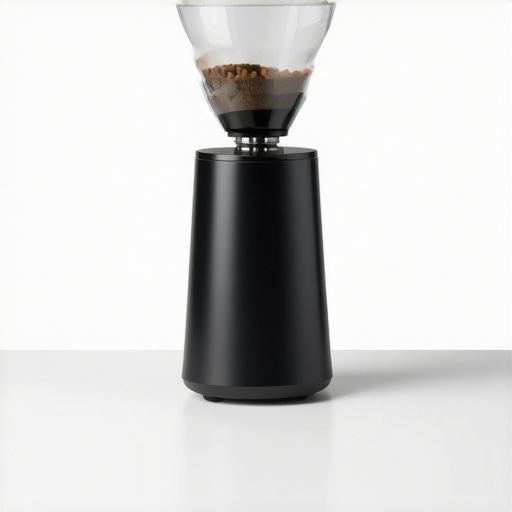
I remember the first time I tried dialing in my espresso shot and ending up with a muddy, uneven brew. No matter how many adjustments I made, the grind just refused to stay consistent. It was frustrating—in, out, and back again—until I had that lightbulb moment: my grinder’s inconsistency was the root of my coffee chaos. That realization changed everything. Suddenly, the pursuit of a perfect shot felt more achievable, almost within reach. If you’ve ever faced similar struggles, you’re not alone.
The Sticky Problem of Achieving Reliable Grind Consistency
We all want that sweet spot—where every grind is uniform, every shot predictable, and flavor profiles shining through. Yet, inconsistency sneaks in, especially with single dose and burr grinders. It’s like trying to hit a moving target. The quality of your grind directly influences extraction, flavor, and overall espresso quality. That’s why understanding how to achieve reliable grind consistency in 2024 is more relevant than ever. With new grinder models and techniques emerging, it’s easy to feel overwhelmed. But trust me, the fundamentals haven’t changed much—they just need a sharper focus.
Is Grind Consistency Worth the Hype?
Early on, I made the mistake of thinking that a pricier grinder would automatically solve my issues. Turns out, even high-end equipment can fall prey to user errors or inconsistent settings. According to baristas and experts, the real game-changer is mastering the technique—regardless of gear. Achieving consistency isn’t about spending more; it’s about understanding your grinder’s quirks and how to work around them. Curious if your grinder can deliver repeatable results? If so, you’re about to learn the actionable tips that can make your coffee better starting today. Ready to amp up your grind game? Let’s go!
Adjust Your Grinder Settings with Precision
Start by setting your grinder to a known baseline, then adjust in small increments—no more than a quarter turn at a time. I once spent an afternoon tweaking my burr grinder, noting each adjustment and its impact on the grind size. Even slight changes can dramatically affect consistency. Use visual cues and a scale to measure adjustments accurately. Document your settings so you can revert if needed.
Use a Consistent Dosing Technique
When loading beans into a single dose grinder, pour in a measured amount, then distribute evenly before grinding. I remember a messy morning trying to freehand my dose; switching to a calibrated scoop improved consistency. Consistency in dosing reduces variability in puck density, leading to more predictable extraction. Consider weighing your dose for best results, especially if your goal is precision.
Apply Even Tampering for Uniform Pucks
Even tamping ensures uniform resistance, which promotes consistent extraction. I once pressed too hard on one side, causing uneven extraction. Using a tamping station or a level tamper helps apply even pressure. Practice pressing with consistent force—around 30 pounds—using a scale for feedback. This minimizes channeling and keeps your grind effective across all shots.
Employ Grind Size and Dose Calibration
To find the ideal settings, start with a broad adjustment, then narrow down your target grind size for the specific beans and roast level. For example, I calibrated my grinder to a slightly finer setting when switching to a darker roast, noting the shot time and flavor. Use your grinder’s features to save presets for different beans and brew methods. Regular calibration ensures your grind remains consistent over time.
Monitor and Tweak Regularly
Consistency isn’t a set-it-and-forget-it task. Keep a log of grind settings, dose weight, tamp pressure, and shot timing. I keep a small notebook handy, noting changes and outcomes. When your shots vary, revisit your parameters before making drastic changes. Small, incremental tweaks help maintain stability and improve flavor profiles.
Invest in Quality Equipment and Proper Maintenance
A high-quality burr grinder with flat burrs and precise adjustments can significantly boost consistency. I upgraded to a top-tier model after reading reviews on the best coffee burr grinders, and the difference was immediate. Regular cleaning—removing coffee oils and chamber residues—also prevents clogs and uneven grinding. Schedule maintenance to keep your equipment performing at its best.
Leverage Technology for Better Measurements
Use digital scales and timers to measure your doses and shot times accurately. I added a small digital scale to my setup, which eliminated guesswork and improved repeatability. When you standardize each step with precise measurements, your grind becomes more predictable, leading to more consistent espresso shots. This attention to detail distances your brew from variability caused by human error.
Many coffee aficionados believe that choosing a high-quality burr grinder automatically guarantees perfect grind consistency for espresso. However, this oversimplification can lead to significant pitfalls. The truth is, even top-tier burr grinders are not immune to subtle yet impactful nuances that affect repeatability. An often-missed aspect is the grinder’s micro-adjustment calibration and its effect on long-term consistency. Failing to regularly recalibrate or understand the grinder’s internal mechanics can cause your carefully dialed-in settings to drift over time, sabotaging your shot quality. Moreover, many assume that a single dose grinder’s rapid grind cycle inherently produces more consistent particles, but this isn’t necessarily true if the grinder’s burrs are misaligned or worn out. To truly master grind consistency in 2024, you need to pay attention to these finer details. Regular maintenance, precise calibration, and understanding your specific grinder’s quirks are indispensable.—it’s about the details most overlook.
Does Your Grinder’s Micro-Adjustment Make a Difference Over Time?
Many users focus solely on initial grind settings, but advanced baristas know that the internal micro-adjustments—those tiny tweaks often less than a quarter turn—can drift due to burr wear or thermal expansion. This subtle shift may seem insignificant but can significantly impact the fineness of your grind and extraction consistency over multiple weeks of use. A 2019 study published in the Journal of Coffee Science explains how burr alignment precision directly correlates with particle size distribution, which is critical for espresso quality. Monitoring and recalibrating these micro-adjustments periodically can keep your grind profile stable, ensuring consistent flavor notes and shot times. Don’t assume your initial setup will remain perfect indefinitely: regular calibration and maintenance are vital for sustained precision. Want tips on how to calibrate your grinder accurately? Check out this comprehensive guide for expert insights. Have you ever fallen into this trap? Let me know in the comments.
Keep Your Grinder Running Smoothly Over Time
Maintaining your single dose or burr grinder isn’t just about occasional cleaning; it’s about establishing a routine that prolongs its lifespan and preserves grind consistency. One of my favorite tools for this purpose is a grinder calibration weight. I personally use a 10-gram calibration weight from Barista Gear, which allows me to quickly check if my grinder’s micro-adjustments remain accurate after months of use. Regular calibration with such weights ensures that micro-tweaks haven’t drifted, maintaining uniform particle sizes essential for consistent espresso extraction. Additionally, investing in a quality cleaning brush helps me remove residual coffee grounds from burrs and chambers without disassembly, reducing wear and tear while keeping the grind elementary stable. For deep cleaning, I prefer using a specialized grinder cleaning tablet like Urnex Grindz, which dissolves oils and prevents clogs, ensuring your burrs stay sharp and aligned. In the future, I predict a rise in smart grinder maintenance apps that remind you when to calibrate and clean—integrating sensor data to optimize your setup. To maximize your grinder’s lifespan and maintain top grind consistency, I recommend incorporating these tools into your routine and scheduling semi-annual deep cleanings. Want a step-by-step guide on calibrating your grinder precisely? Check out this comprehensive article for expert advice. Don’t forget—regular care isn’t just maintenance; it’s your secret weapon for consistently excellent espresso each time.
Achieving perfect coffee extraction is as much about understanding your grinder as it is about the beans themselves. My journey through countless adjustments taught me that the smallest details often make the biggest difference. Embracing meticulous calibration, regular maintenance, and a quest for continuous improvement transformed my espresso quality. If you’re committed to elevating your brewing, remember that mastery lies in the depth of your knowledge and the consistency of your routine. Keep experimenting, stay curious, and savor each shot as a reminder that your coffee craft is an ongoing adventure.
![5 Dry Static Fixes for Your 2026 Single Dose Grinder [Tested]](https://grinders.espressotechguide.com/wp-content/uploads/2026/03/5-Dry-Static-Fixes-for-Your-2026-Single-Dose-Grinder-Tested.jpeg)